
Selecting the right basketball shoes is one of the most critical decisions you can make to support your performance and protect your joints on the court. The ideal pair does not rely on brand hype or aesthetic appeal; instead, it aligns directly with your physical movements, playing position, and the specific court surfaces you frequent. By understanding how different design elements—such as cushioning responsiveness, traction patterns, and cut heights—interact with your playing style, you can make an informed choice that enhances your game and keeps you comfortable.
Whether you are playing on a polished indoor hardwood court at a local community club or a high-friction outdoor concrete court under the tropical heat, your footwear acts as the primary interface between your body and the ground. Investing in a high-performance pair, which typically ranges from S$150 to S$300, requires a clear understanding of your personal biomechanics and playing habits. By focusing on objective design features rather than marketing claims, you can find a shoe that offers the precise balance of support, grip, and durability you need.
Assess Your On-Court Movement and Playing Style
Before looking at specific shoe models, you must analyze how you move during a game. Basketball demands a wide range of physical actions, and different players place vastly different stresses on their footwear. If your game relies on explosive linear sprints and sudden stops, you require a shoe that offers immediate energy return and exceptional forefoot lockdown. Conversely, if your playstyle is defined by lateral agility, constant crossovers, and defensive slides, your primary need will be lateral stability to prevent your foot from sliding off the footbed.
Products mentioned in this guide
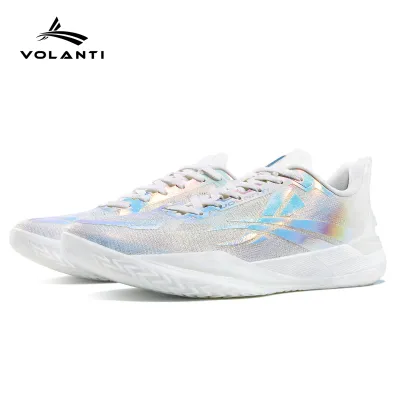
Prices are valid at publication and may change. Please refer to the product page for the latest price.
For players who frequently jump for rebounds, blocks, or jump shots, impact protection becomes the absolute priority. Repeated hard landings put significant stress on your knees, ankles, and lower back, making robust heel cushioning essential. Your physical build also plays a major role here; heavier players naturally require more substantial impact absorption to mitigate joint stress, regardless of their specific position on the court, while lighter players may prioritize a lower-profile setup that maximizes speed.
Inspecting the wear patterns on a well-worn pair of your old athletic shoes can provide valuable clues about your biomechanics. Heavy wear on the inner edge of the forefoot suggests a playstyle focused on quick, low-to-the-ground cuts and a tendency to pronate during lateral movements. Wear concentrated heavily on the heel indicates a landing-heavy or heel-striking movement pattern, highlighting a need for reinforced rearfoot cushioning and structured heel counters to maintain stability.
Select Features Based on Your Basketball Position
While modern basketball has become increasingly positionless, the physical demands of traditional court roles still provide an excellent framework for selecting footwear features. Aligning your shoe choice with your primary position helps ensure that the footwear supports your most frequent on-court actions and minimizes unnecessary physical strain.

Guards Point guards and shooting guards typically prioritize speed, quick changes of direction, and perimeter play. If you play this role, look for lightweight construction that does not drag down your pace during fast breaks. Your shoes should feature responsive, low-profile cushioning that keeps your feet close to the floor, maximizing court feel and minimizing transition time. Multidirectional traction is non-negotiable for guards, as you need reliable grip during sharp crossovers, step-backs, and sudden defensive recoveries.
Forwards Small forwards and power forwards operate in a hybrid space, requiring a balance of agility and physical power. If you play as a forward, your shoes must balance impact protection with structural flexibility. You need enough cushioning to absorb the force of driving to the basket and contesting rebounds, but not so much that it compromises your ability to run the floor or make quick cuts. Look for shoes with supportive upper materials and moderate midsole thickness that offer a versatile blend of stability and responsiveness.
Centers Centers and post players spend most of their time in the paint, engaging in physical contact, boxing out, and jumping for rebounds. For this demanding role, prioritize maximum cushioning and robust structural support. Thicker foam midsoles are highly beneficial for absorbing heavy landing forces and reducing joint fatigue over long games. Additionally, look for shoes with wide, stable outsoles, rigid midfoot shanks to prevent twisting, and durable upper materials that can withstand the constant scuffs and pressure of post play.
If you play a versatile “tweener” role or frequently switch positions, look for a balanced mid-tier shoe. These hybrid models combine moderate cushioning with a supportive mid-top cut, offering a versatile compromise that does not lock you into a single style of play.
Evaluate Cushioning, Traction, and Cut Height
To find a shoe that matches your self-assessment, you must evaluate the three core technical components of basketball footwear: cushioning, traction, and cut height. Understanding these specifications allows you to verify manufacturer claims against your actual on-court needs.
Cushioning systems generally fall into two categories: responsive, low-profile setups and high-impact absorption setups. Low-profile cushioning utilizes firmer, thinner foam compounds that allow you to feel the court surface clearly, enabling faster reaction times. High-impact cushioning relies on thicker, softer foam or specialized air and gel inserts designed to disperse landing forces. Heavier players or those prone to joint soreness should look for thicker foam setups, while lighter, speed-oriented players usually prefer the responsiveness of a firmer, low-profile midsole.
Traction is the foundation of all basketball movements, and its effectiveness depends on tread design and rubber compounds. Traditional herringbone patterns—consisting of repeating zig-zag grooves—remain the gold standard for reliable, multi-directional grip. Radial and organic multi-directional patterns can also perform exceptionally well if the grooves are deep and widely spaced. When evaluating traction, consider the rubber compound: softer rubber provides superior grip on clean indoor courts but wears down rapidly on rough surfaces, while harder rubber compounds offer the durability needed to withstand dust and debris.
Cut height is another critical design element with distinct trade-offs:
- Low-tops: These offer maximum ankle mobility and lightweight performance, allowing your ankle joint to flex without restriction. They are highly favored by modern guards who rely on quick footwork.
- Mid-tops: Providing a balanced middle ground, mid-tops offer a moderate level of ankle coverage without feeling overly restrictive, making them a popular choice for versatile forwards.
- High-tops: These feature collar designs that wrap fully around the ankle. While they do not physically lock the joint in place, they provide increased sensory feedback (proprioception), which can help you feel more secure during high-impact play.
Verify Fit, Lockdown, and Comfort
Even the most technologically advanced basketball shoe will underperform if it does not fit your foot correctly. Ensuring proper fit and lockdown is essential for preventing blisters, foot fatigue, and acute injuries during dynamic gameplay.
When trying on basketball shoes, start by checking the toe box width. There should be approximately a thumbnail’s width of space between your longest toe and the front of the shoe. This gap prevents your toes from slamming into the front of the toe box during hard stops and sudden decelerations. Next, pay close attention to heel lockdown. Securely lace the shoes and perform a few lateral slides and jumps; if your heel slips upward or slides side-to-side inside the shoe, the lockdown is insufficient, which can lead to instability and friction blisters.
You must also test the shoe’s natural flex points. Bend your foot as if you are starting a sprint; the shoe should bend naturally at the ball of your foot, aligning with your foot’s anatomy. If the shoe bends in the middle of the arch, it lacks the necessary torsional rigidity and may cause arch strain over time. Always try on potential shoes wearing the exact thickness of basketball socks you plan to use during games, as standard casual socks are significantly thinner and can mask fit issues.
Match Outsoles and Materials to Your Court Surface
The longevity and performance of your basketball shoes depend heavily on matching their materials and outsole construction to the specific court surfaces you play on. In regions like Singapore, where players frequently transition between polished indoor hardwood and abrasive outdoor concrete community courts, this choice is particularly critical.
Outdoor courts demand highly durable outsoles made of hard, dense rubber compounds with deep, thick tread patterns. Soft rubber outsoles designed for indoor use will wear down rapidly on concrete or asphalt, quickly turning your shoes slick and unusable. Conversely, indoor hardwood courts require softer, stickier rubber compounds that can grip the polished surface, even when a light layer of dust is present.
Upper materials also play a vital role in both durability and comfort. In hot, humid tropical climates, breathability is essential to manage sweat and prevent your feet from sliding inside wet socks. Lightweight mesh and engineered knit uppers offer excellent ventilation but may require synthetic leather or thermoplastic polyurethane (TPU) reinforcements in high-wear areas—such as the lateral forefoot—to prevent tearing during hard cuts. To maintain your shoes’ performance over time, regularly wipe the outsoles with a damp cloth to remove accumulated dust, and avoid wearing your indoor-specific shoes on outdoor surfaces.
Frequently Asked Questions (FAQ)
Can I use indoor basketball shoes on outdoor courts?
While you can physically wear them, using indoor-specific basketball shoes on outdoor courts is highly discouraged. Indoor shoes typically feature soft, sticky rubber outsoles designed to grip clean hardwood. When exposed to abrasive concrete or asphalt, this soft rubber wears down extremely fast, flattening the traction pattern and ruining the shoe’s grip. For outdoor play, always verify that the manufacturer specifies the use of a high-abrasion, hard rubber compound designed for outdoor durability.
How often should I replace my basketball shoes?
As a general guideline, active players should consider replacing their basketball shoes after 50 to 150 hours of court time, depending on their weight and playing intensity. You can identify the need for replacement through clear visual and physical indicators. Visually, inspect the outsole for balding or smoothed-out tread patterns, and check the upper for tearing or significant stretching that compromises lateral support. Physically, if you notice that the midsole cushioning feels flat, hard, or no longer absorbs impact—resulting in unusual joint soreness or foot fatigue after playing—it is time to invest in a new pair.
Do high-top basketball shoes prevent ankle sprains?
No, high-top basketball shoes do not mechanically prevent ankle sprains. Biomechanical studies indicate that the fabric and materials of a high-top collar are not rigid enough to stop an ankle from rolling under the force of a player’s full body weight. Instead, high-tops provide increased proprioceptive feedback—meaning the physical contact of the collar against your ankle increases your sensory awareness of the joint’s position, helping you react more quickly to stabilize yourself. True ankle injury prevention relies on targeted ankle strengthening exercises, balance training, proper lacing techniques, and, if necessary, supportive ankle braces.
Community discussion
Share your experience or ask a question. Comments are reviewed before publication.