
Choosing the right fishing rod holder depends entirely on where you fish and the gear you use. If you cast from sandy shorelines, a spike rod holder is indispensable. If you fish from rental boats, kayaks, or public piers with existing railings, a clamp-on rod holder offers the flexibility and portability you need. For boat owners targeting larger game fish, permanently installed boat-mount or flush-mount holders provide the heavy-duty stability required to handle intense drag. Selecting the incorrect style can lead to damaged gear, lost catches, or even structural damage to your vessel.
Assessing Your Fishing Environment and Gear Requirements
Before purchasing a fishing rod holder, you must evaluate the specific physical environments where you plan to fish. The mounting surface is the single most critical factor. Different locations present vastly different materials, ranging from the soft sand of a beach to the rigid fiberglass of a modern boat deck, the metal railings of a public jetty, or the wooden planks of a fishing dock. A holder designed for one surface will fail completely on another. For example, a sand spike cannot penetrate a wooden pier, and a clamp-on holder requires a structural pipe or rail to function.
Portability is another major consideration. If you frequently change fishing spots, travel light, or use rental vessels, you need a lightweight, temporary solution that requires no tools to assemble. Conversely, if you own a boat or have dedicated access to a private dock, a permanent mounting system offers unmatched stability and peace of mind.
Products mentioned in this guide
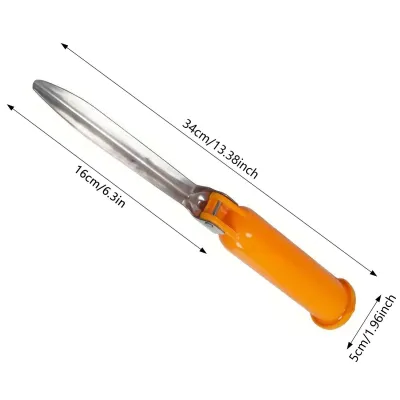
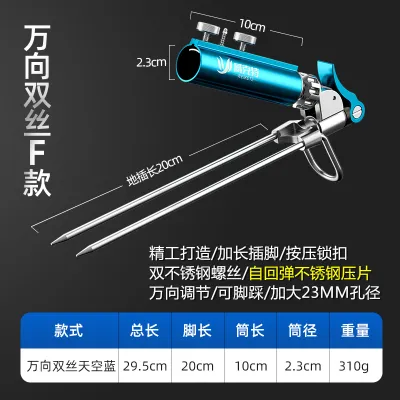
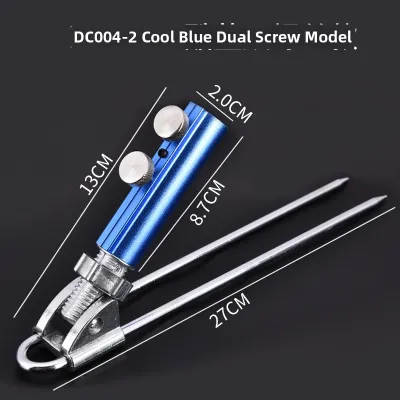
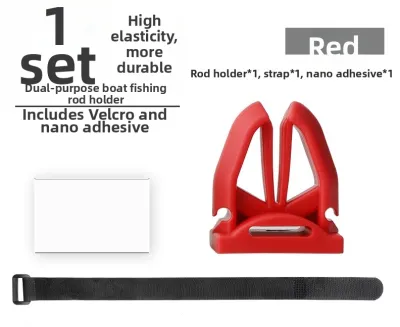
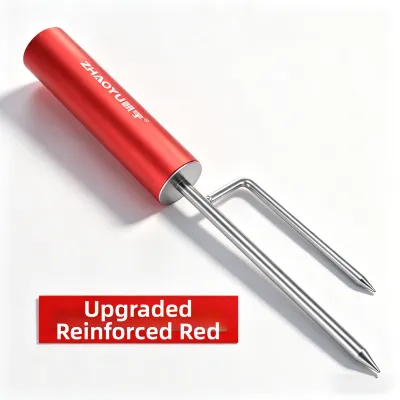
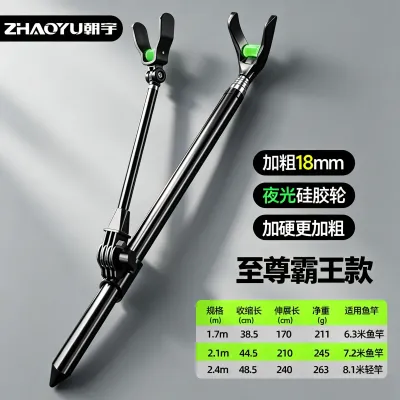
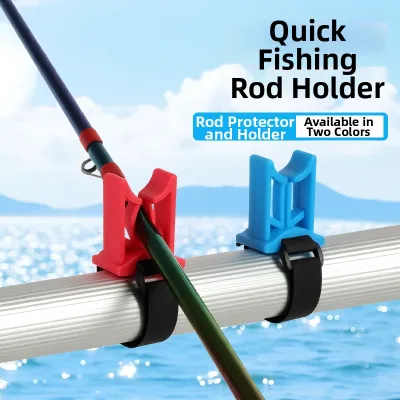
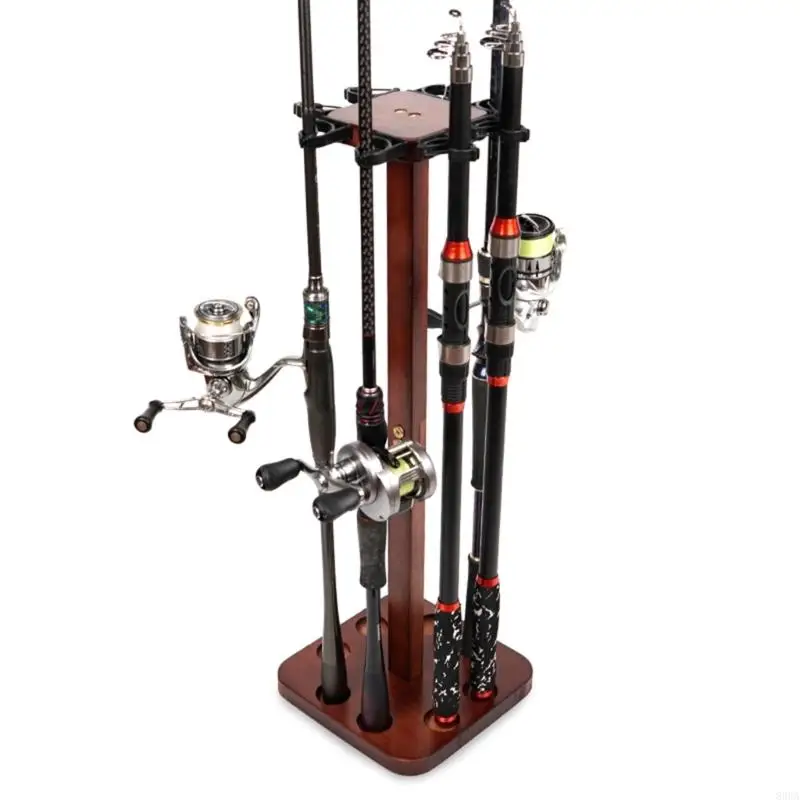
Prices are valid at publication and may change. Please refer to the product page for the latest price.
Your choice must also align with your specific fishing gear and target species. Heavy-duty offshore rods paired with large conventional reels exert immense leverage. When a large fish strikes, the sudden torque can snap a weak holder or tear a poorly secured mount from its base. You must verify that the holder’s inner diameter accommodates your rod’s handle and that the mounting system can withstand the maximum drag settings of your reel.
Finally, environmental conditions dictate the material composition of your gear. In high-humidity, high-salinity tropical environments like Singapore, corrosion is a relentless threat. Saltwater exposure accelerates the oxidation of inferior metals, leading to seized joints, weakened clamps, and structural failure. Choosing materials engineered specifically for marine environments is essential to ensure your rod holder remains reliable over years of exposure.
Clamp-On Rod Holders: Best for Rails and Temporary Setups
Ideal Use Cases and Surfaces
Clamp-on rod holders are the ultimate solution for anglers who value versatility and non-destructive mounting. These holders are designed to attach directly to existing cylindrical or flat structural elements without the need for drilling or permanent adhesives. They are highly favored by kayak anglers utilizing tubular accessory tracks, boaters who want to add temporary rod positions to bow rails or bimini tops, and shore anglers fishing from metal-railed jetties or public piers.

This style is especially useful in multi-angler scenarios or when using rental boats. Because they can be attached and removed in seconds, you can easily adjust your rod layout based on the wind, tide, or the number of lines in the water. When the trip is over, you simply unscrew the clamp and pack the holder away with the rest of your gear, leaving the vessel or structure completely unaltered.
Pros, Limitations, and Key Specs to Check
The primary advantage of a clamp-on fishing rod holder is its portability and ease of installation. You do not need power drills, marine sealants, or specialized hardware to set them up. They allow you to turn almost any sturdy rail into a functional fishing station. Many models also feature multi-axis rotation, allowing you to adjust both the horizontal angle and the vertical tilt of your rod to optimize your presentation.
However, clamp-on holders have distinct physical limitations. Because they rely entirely on friction to stay in place, they can slip or rotate under heavy loads. If a large fish strikes or if your lure snags while trolling, the sudden rotational force can twist the holder around the rail, potentially plunging your rod into the water. Additionally, they are strictly limited by the geometry of your mounting surface; they cannot be used on wide flat decks, soft ground, or irregular surfaces that do not allow the clamp jaws to close fully.
When shopping for a clamp-on model, you must verify several critical specifications:
- Clamp Jaw Range: Measure your rail's diameter carefully. Ensure the clamp's adjustable range is compatible with your specific rail size, whether it is a standard 1-inch boat rail or a thicker kayak frame.
- Protective Padding: Look for clamps lined with heavy-duty rubber or UV-resistant plastic inserts. This padding serves a dual purpose: it prevents the metal jaws from scratching your boat's stainless steel or fiberglass rails, and it significantly increases friction to prevent slipping.
- Locking Mechanism: Examine the tightening bolt or knob. High-quality models feature robust, ergonomic T-handles or hex-head bolts made from marine-grade materials that allow you to apply high torque without stripping the threads.
Spike Rod Holders: Ideal for Shorelines and Soft Ground
Best Environments and Surfaces
Spike rod holders, often referred to as sand spikes or bank sticks, are designed exclusively for shore-based angling. These holders feature a sharp, tapered metal or plastic shaft that is driven directly into the ground. They are the standard equipment for surf fishing along sandy coastlines, bottom fishing on muddy riverbanks, and casting from grassy lake shores.
When fishing from the shore, holding a heavy surf rod for hours is physically exhausting. A spike rod holder keeps your reel elevated out of the abrasive sand and corrosive saltwater splash while keeping your line positioned high above the breaking waves. This hands-free management is critical when waiting for slow-biting species or when managing multiple rods simultaneously.
Pros, Limitations, and Key Specs to Check
The main benefit of spike rod holders is their absolute simplicity and lightweight portability. They have no moving parts to rust or fail, require no tools to install, and can be carried easily in a backpack or rod bag. They are also highly affordable, making them an accessible choice for beginners and seasoned shore anglers alike.
The primary limitation of a spike holder is its complete reliance on soft ground. They are entirely useless on concrete breakwaters, rocky shorelines, wooden docks, or compacted gravel paths. Furthermore, their stability is highly dependent on the condition of the soil or sand. In extremely loose, dry sand or highly saturated, liquid mud, a standard spike can easily lean, wobble, or pull free under the tension of a heavy sinker or a strong fish run.
To ensure safety and performance, verify these key specifications before purchasing:
- Spike Length: For soft sand or surf conditions, choose a longer spike—typically between 1 meter and 1.2 meters. This length allows you to drive the spike deep into the compacted lower layers of sand for maximum stability. Shorter spikes (around 30 to 50 centimeters) are suitable only for firmer soil or clay banks.
- Material Composition: Look for heavy-duty aluminum, reinforced fiberglass, or thick UV-resistant PVC. Aluminum offers an excellent strength-to-weight ratio, while high-grade polymers are completely immune to saltwater corrosion.
- Step-In Flange: Opt for models that feature a welded foot pedal, crossbar, or step-in flange near the base. This design allows you to use your body weight to push the spike safely into tough, compacted soil without bending the shaft or straining your hands.
Boat-Mount and Flush-Mount Holders: Permanent Solutions for Boats
Flush-Mount vs. Surface-Mount Differences
For boat owners who require the highest level of strength and a clean, professional finish, permanent rod holders are the industry standard. These are divided into two primary configurations: flush-mount and surface-mount (often called deck-mount) holders.
Flush-Mount Holders: These are installed directly into the gunwale or deck of the boat. A hole is cut into the fiberglass or wood, and the body of the holder sits entirely below the deck surface, leaving only a low-profile flange visible on top. This design is highly aerodynamic, saves valuable deck space, and eliminates catching hazards for lines and clothing. Most flush-mount models feature an open bottom with a drain tube connection to direct rain and washdown water safely into the bilge or outboard.
Surface-Mount Holders: These models are bolted directly onto the flat top of the deck, gunwale, or cabin wall. Because they do not require a large cutout, they are significantly easier to install. However, they protrude upward, creating a permanent physical obstacle that can catch fishing lines, stub toes, or limit movement in tight spaces.
Pros, Limitations, and Installation Boundaries
Permanent mounts offer unmatched load capacity. They are designed to withstand the extreme forces of high-speed trolling, heavy sinkers, and powerful saltwater game fish. Most high-quality permanent holders feature an integrated gimbal pin at the bottom of the tube, which locks into the slotted butt of offshore rods to prevent the rod from spinning under load.
The major drawback is the permanent nature of the installation. Installing these holders requires drilling large holes into your vessel’s structure, which can be intimidating and carries inherent risks. Improperly sealed mounts can allow water to penetrate the fiberglass laminate or wooden core of your boat, leading to costly structural rot or delamination over time.
Before undertaking a permanent installation, you must establish clear safety boundaries:
- Check Beneath the Deck: Always verify what lies directly beneath your proposed mounting location. Ensure there are no fuel lines, electrical wiring looms, steering cables, or structural bulkheads that could be damaged by your drill or saw.
- Load Distribution: High-load applications require backing plates. Simply screwing a holder into fiberglass can cause the gelcoat to crack under pressure. Use heavy-duty backing plates and marine-grade washers on the underside to distribute the load across a wider surface area.
- Professional Consultation: If you are unsure about the structural integrity of your fiberglass, or if the installation area is difficult to access, consult a qualified marine professional. Never guess when drilling into a vessel's hull or deck.
Step-by-Step Selection Guide and Installation Verification
To ensure you select the correct fishing rod holder and install it safely, follow this systematic decision and testing process.
- Step 1: Match the Holder to Your Primary Fishing Surface
Begin by identifying where you will fish most frequently. If you fish from sandy beaches or muddy banks, select a spike rod holder. If you fish from rental boats, kayaks, or public piers with railings, choose a clamp-on model. If you own a boat and target large species, opt for a permanent flush-mount or surface-mount holder. - Step 2: Verify Gear Compatibility
Measure the diameter of your thickest rod handle. Ensure the inner diameter of the rod holder tube is wide enough to allow the rod to slide in and out smoothly without binding. Next, place your rod and reel combination inside the holder to check that the reel seat and handle clear the holder's collar, and that the rod butt engages correctly with any internal gimbal pins. - Step 3: Install According to Manufacturer Instructions
When installing your chosen holder, strictly follow the manufacturer's provided guidelines. Always check the applied product's label and the treated item's manufacturer instructions first. If instructions conflict, the item is unidentified, or the use is not covered, stop and consult the manufacturer or a qualified professional. For clamp-on models, ensure the clamp is perpendicular to the rail and tightened securely. For permanent mounts, apply a high-quality marine-grade adhesive sealant around the flange and screw holes to prevent water intrusion. Always use the specified marine-grade stainless steel fasteners and backing plates. - Step 4: Perform a Controlled Load Test
Before heading out on the water, conduct a static load test in a controlled environment. Place your rod in the secured holder and pull steadily on the line or rod tip to simulate the drag of a hooked fish. Observe the mount closely for any signs of movement, flexing, or slippage. - Stop Conditions
During your load test or installation, stop immediately if you hear cracking, creaking, or popping sounds from fiberglass or plastic, if the mounting screws or bolts begin to strip their threads, or if a clamp-on holder slips or rotates on the rail under moderate, steady pressure. Do not attempt to resolve slipping by forcing overtightening, as this can crush rails, crack fiberglass, or strip threads. Instead, disassemble the mount, verify the sizing, add more protective rubber padding, or select a more robust mounting style.
Maintenance and Corrosion Prevention for Longevity
Because fishing rod holders operate in harsh, wet, and often salty environments, regular maintenance is essential to preserve their structural integrity and cosmetic appearance.
- Routine Cleaning: After every outing, especially in saltwater environments like the coastal waters of Singapore, thoroughly rinse your rod holders with clean, fresh water. This simple step removes accumulated salt crystals, sand, and grime that can seize adjustable joints, corrode fasteners, and abrade your rod handles.
- Corrosion Checks: Regularly inspect all metal components for signs of corrosion. Pay close attention to areas where different metals touch, such as stainless steel screws passing through aluminum brackets. This contact can trigger galvanic corrosion, which rapidly weakens the metal. Look for white powdery deposits, surface rust, or pitting on stainless steel.
- Hardware Maintenance: Periodically check all mounting hardware, clamps, and brackets to ensure they remain tight. Vibration from boat engines or road travel can slowly loosen screws and knobs. Apply a thin layer of marine-grade anti-seize lubricant to the threads of adjustable collars, tightening bolts, and hinges to keep them operating smoothly and prevent seizing.
Frequently Asked Questions (FAQ)
Can I use a clamp-on rod holder on a square or oval rail?
Standard circular clamp-on rod holders are designed specifically for round pipes and will not grip square or oval rails securely, which can cause the holder to slip or spin under pressure. If your vessel features non-circular railings, you must check the manufacturer’s specifications for specialized adapters, adjustable jaw inserts, or models designed explicitly for square or rectangular tubing.
How do I keep a sand spike secure in extremely soft mud?
In highly saturated mud or extremely loose sand, standard spikes can easily lean or sink under the weight of your rod. To increase stability, use an extra-long spike driven deep into the firmer sub-layers, or choose a model featuring a wider crossbar or mud-flange near the base. This horizontal plate increases the surface area, preventing the spike from sinking or tilting.
Which materials offer the best corrosion resistance for saltwater fishing?
For long-term durability in harsh saltwater environments, marine-grade 316 stainless steel and high-impact, UV-stabilized polymers (such as fiberglass-reinforced nylon) offer the best resistance to corrosion and degradation. Always verify the material specifications on the product label before purchasing, as lower-grade stainless steel (like 304 grade) will rust quickly when exposed to salt spray.
Community discussion
Share your experience or ask a question. Comments are reviewed before publication.