
Choosing the right fishing line is one of the most critical decisions for any angler starting out in Singapore. While traditional monofilament has long been the default recommendation for beginners due to its low cost and forgiving stretch, braided fishing line has become increasingly popular. Braided line offers exceptional sensitivity, allowing you to feel the slightest nibble from a peacock bass in a freshwater reservoir or a subtle take from a snapper at a coastal jetty. However, its unique physical properties—such as a complete lack of stretch, high slickness, and vulnerability to sharp structures—require a specific set of skills and adjustments to avoid frustrating tangles and lost fish.
For beginners, the key to success with braided line lies in understanding how to select, rig, and maintain it under local conditions. Singapore’s fishing spots range from calm, concrete-lined reservoirs to high-current saltwater jetties, each demanding different line characteristics. By focusing on manageable line specifications, proper spooling techniques, and realistic environment matching, entry-level anglers can enjoy the casting distance and strength of braid without the common headaches of wind knots and slipping rigging. This guide provides a practical framework to help you navigate the technical specifications of braided line and make an informed purchase.
Key Specifications for Beginner-Friendly Braided Line
When shopping for braided fishing line, the technical jargon on the packaging can be confusing. The two most critical physical characteristics to evaluate are the strand count (often referred to as carriers) and the presence of external line coatings. Braided lines are typically constructed by weaving multiple strands of high-strength synthetic fibers, such as ultra-high-molecular-weight polyethylene. The number of strands used in the weave directly influences how the line handles on your reel and how it behaves during a cast.
Products mentioned in this guide
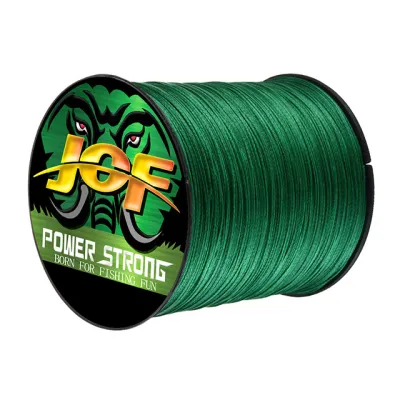
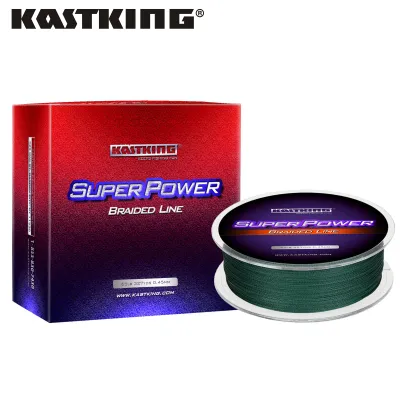
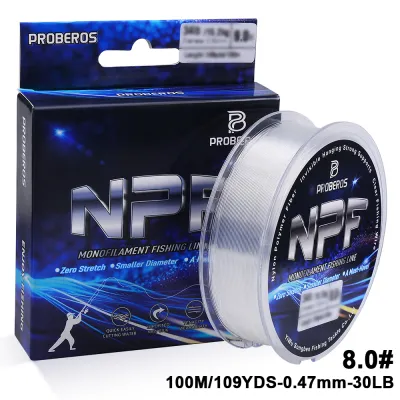
Prices are valid at publication and may change. Please refer to the product page for the latest price.
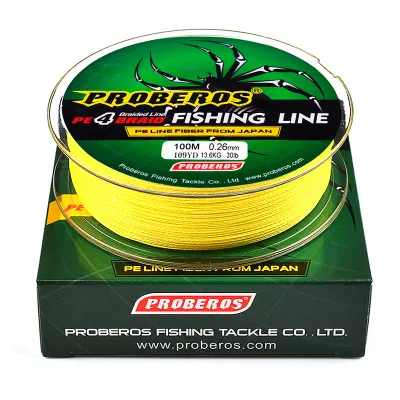
For beginners, a four-strand (4-carrier) braid is often a highly forgiving option, despite being less expensive than higher-strand alternatives. Because it is woven from fewer, thicker strands, a four-strand line has a slightly rougher, more textured surface. This texture is highly beneficial for novices because it provides physical grip, making knots much easier to tie securely without slipping. Additionally, the thicker individual strands offer superior structural resistance against rough surfaces, which is highly advantageous when learning to fish around concrete structures or rocky shorelines.
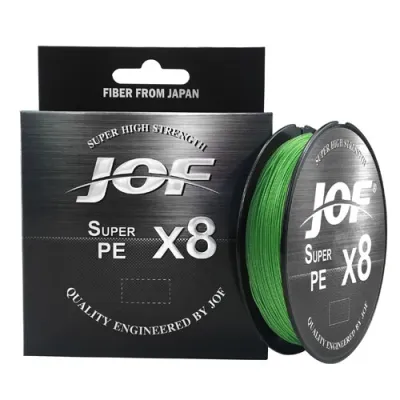
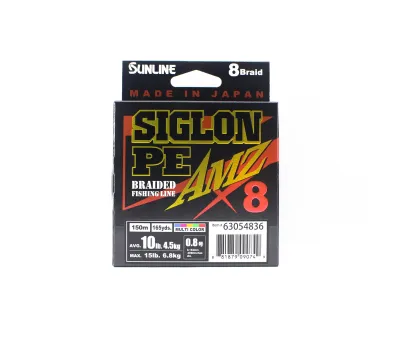
In contrast, eight-strand (8-carrier) braids are woven from finer fibers, resulting in a much rounder and smoother profile. While this smoothness reduces friction through the rod guides—allowing for longer, quieter casts—it also makes the line incredibly slick. This slickness increases the risk of knots unraveling if they are not tied with high precision. For an entry-level angler, the marginal increase in casting distance offered by an eight-strand line is rarely worth the frustration of knot failures and potential line slippage on the spool.
Line coatings are another vital specification to check before buying. Manufacturers often apply proprietary polymer or wax coatings to the braided fibers to bind them together and reduce water absorption. A heavily coated line feels relatively stiff to the touch, almost mimicking the handling characteristics of monofilament. This stiffness is highly desirable for beginners because it prevents the line from collapsing on itself during a cast, significantly reducing the occurrence of “wind knots”—the loose loops of line that can wrap around your rod guides or spool during windy days.
Finally, beginners must learn to interpret manufacturer labels carefully, particularly regarding line diameter and breaking strain. Unlike monofilament, where pound-test ratings are relatively standardized against diameter, braided line diameters can vary widely between brands for the same rated strength. Always look for the actual diameter listed in millimeters rather than relying solely on the pound-test rating. A thinner line allows you to pack more line onto your reel, but a line that is too thin can easily dig into the lower layers of the spool under heavy tension, causing severe casting jams on your next trip.
Matching Line Strength to Common Local Fishing Environments
Selecting the correct line strength, measured in pound test (lb) or Japanese PE rating, requires a clear understanding of where you plan to fish in Singapore and what species you intend to target. Because braided line has a much higher breaking strength relative to its diameter than monofilament, you can spool a relatively strong line without sacrificing reel capacity. However, matching the line’s physical limits to the local environment is essential for both safety and performance.

For freshwater reservoir fishing, such as targeting peacock bass or giant snakehead (toman) in designated zones, a moderate line strength is ideal. Peacock bass are highly visual predators that often require light lures and precise casts. A braided line rated between 10 to 15 pounds provides a practical balance, offering enough strength to pull fish away from submerged vegetation while remaining thin enough to cast lightweight lures effectively. If you are targeting larger toman, which are known for their explosive strikes and tendency to dive into thick weed beds, upgrading to a 20 to 30-pound braid is highly recommended to prevent immediate break-offs.
Saltwater jetty fishing, such as at Bedok Jetty or Woodlands Jetty, presents a completely different set of challenges. Here, you are casting from a high platform, often into strong currents, and targeting species like barramundi, snapper, or queenfish. The presence of concrete pilings covered in sharp barnacles means that your line is constantly at risk of rubbing against abrasive surfaces. For these environments, a minimum of 20 to 30-pound braided line is necessary. This heavier rating provides a safety margin against sudden abrasion, giving you a better chance of landing a fish before it can cut your line against the jetty structures.
When spooling your reel, you must also consider the relationship between line capacity and backing material. Because braided line is incredibly thin, filling a medium-sized spinning reel entirely with braid can require hundreds of meters of line, which is both costly and unnecessary. A practical solution is to use a “backing” of inexpensive monofilament line. By filling the inner third of your reel spool with monofilament and splicing the braided line on top, you save money while ensuring your spool is filled to the correct level for optimal casting.
It is critical to remember that no matter how strong your braided line is, it has virtually zero resistance to sharp, hard edges when under tension. When fishing around heavy underwater structures, rocks, or metal snags, a direct connection to braided line is highly risky. In these scenarios, you must adjust your setup by attaching a shock leader of fluorocarbon or monofilament to the end of your braid. This leader acts as a sacrificial buffer, absorbing the physical wear of the environment and protecting your main line from snapping instantly upon contact with a sharp rock or barnacle.
Essential Rigging and Knot Adjustments for Braided Line
Properly rigging braided line is essential to prevent mechanical failures that can ruin a day on the water. Because braided line is made from slick synthetic fibers, it behaves very differently on a reel spool compared to traditional nylon lines. If you spool braided line directly onto a smooth metal spool, the entire block of line can slip and spin around the spool arbor when under tension. This means that even if you tighten your drag completely, you will be unable to retrieve line because the spool spins inside the line pack.
To prevent this spool slippage, you must create a high-friction foundation on the spool arbor before winding on the braid. The most reliable method is to use a short backing of monofilament line tied to the spool with an arbor knot. The stretchy, high-grip nature of monofilament bites into the metal spool, preventing any rotation. Alternatively, you can wrap a single layer of specialized arbor tape or heavy-duty electrical tape around the center of the spool before tying your braided line directly over the tape. The adhesive and textured surface of the tape provides the necessary friction to keep the braid locked in place.
Knot selection is another area where beginners must adapt their techniques. Traditional knots like the improved clinch knot, which work well with monofilament, will simply slip and untie under tension when used with slick braided line. Instead, you must learn knots specifically designed to grip smooth materials. The Palomar knot is widely considered an easy and highly reliable knot for beginners to attach hooks, swivels, or snaps directly to braided line. For joining your braided main line to a fluorocarbon leader, the Double Uni knot or the Albright knot offers a secure, low-profile connection that can easily pass through your rod guides during a cast.
Another critical adjustment when transitioning to braided line is the calibration of your reel’s drag system. Monofilament line acts like a giant rubber band, stretching up to twenty percent of its length to absorb the shock of a sudden fish strike or a violent head shake. Braided line has virtually zero stretch, meaning that any sudden force is transferred directly to your rod, reel, and the fish’s mouth. If your drag is set too tight, this lack of cushion can result in the hook tearing out of the fish, the knot failing, or even the rod tip snapping under sudden load.
To compensate for this lack of stretch, you should set your reel drag significantly lighter than you would with monofilament. A good rule of thumb for beginners is to set the drag to approximately one-quarter to one-third of the breaking strength of your weakest component (usually the leader or the main line). You can verify this setting using a simple spring scale attached to your line, pulling until the drag smoothly releases. This ensures that the reel’s drag system acts as the primary shock absorber, protecting your gear and ensuring a secure hookset without damaging the fish.
Building Your Shortlist: Pre-Purchase Verification Checklist
When you are ready to purchase your first spool of braided line, navigating the options in local tackle shops or on online marketplaces requires a systematic approach. Because marketing claims can often be misleading, relying on physical inspection and verifiable product details is the safest way to ensure you are getting a high-quality product that offers genuine value.
First, inspect the physical packaging of the spool carefully. Synthetic fibers can degrade over time if exposed to extreme heat or prolonged ultraviolet (UV) light. When buying from a physical retail store, avoid spools that have been displayed in direct sunlight or near hot window displays, as this can weaken the line before it ever reaches your reel. Look for packaging that is securely sealed in protective plastic or cardboard boxes, and check for any manufacturing batch codes or date stamps that indicate the line is from a recent production run.
Next, calculate the true value of the line by comparing the price-per-meter across different spool lengths using S$. It is common to find braided line sold in various spool capacities, typically ranging from 100 meters to 300 meters or more. While a 100-meter spool may have a lower upfront cost, it often represents poor value on a per-meter basis and may not be long enough to fill your reel properly after accounting for backing. Divide the total price in S$ by the length in meters to determine the actual cost efficiency, and aim for a spool size that allows you to fill your reel with a single, continuous run of line.
Finally, verify the authenticity of the seller and the product itself, especially when shopping on ecommerce platforms or online marketplaces. Counterfeit fishing lines are common online, often packaged in convincing replicas of major brand boxes but containing low-quality, unevenly braided fibers that break far below their rated strength. To protect your investment, only purchase from established local tackle shops or official brand stores on online platforms. Check the seller’s return policy and warranty terms to ensure you can return the spool if you detect any manufacturing defects, such as flat spots, fraying, or inconsistent diameters along the length of the line.
Frequently Asked Questions (FAQ)
Does the color of braided line affect fish behavior in clear water?
Yes, the color of your braided line can influence fish behavior, particularly in clear water conditions where fish rely heavily on their vision. Highly visible colors like neon yellow, bright green, or orange are excellent for anglers because they allow you to track the movement of your line and detect subtle bites visually. However, these bright colors are also highly visible to fish under the water, which can cause wary species to avoid your lure or bait.
In environments with high water clarity, such as certain managed reservoirs or clear coastal waters, it is highly recommended to use a clear fluorocarbon or monofilament leader. By tying a one-to-two-meter section of clear leader material between your highly visible braided main line and your lure, you gain the benefit of easy line tracking above the water while presenting a highly inconspicuous connection to the fish below. In murky or highly stained waters, line color is far less critical, and direct tying may be acceptable for less sensitive species.
How often should entry-level anglers replace their braided line?
Unlike monofilament, which degrades rapidly under UV light and must be replaced annually, high-quality braided line is highly resistant to environmental degradation and can last for several years if properly maintained. However, the working end of the line—the first few meters that are constantly exposed to casting friction, rocks, and fish contact—will wear out much faster. Beginners should inspect this section of the line before and after every fishing trip.
To check for wear, run your fingers along the first five meters of the line to feel for any physical fraying, fuzzy texture, or stiff sections. If you detect any rough spots or if the color has faded significantly to a pale, dry appearance, simply cut off the damaged section and re-tie your leader. To maximize the lifespan of your entire spool of line, store your reels in a cool, dry place away from direct sunlight when not in use, and rinse your gear thoroughly with fresh water after every saltwater outing to remove salt crystals that can abrade the fibers.
Community discussion
Share your experience or ask a question. Comments are reviewed before publication.