
Finding a reliable badminton ball in Singapore that fits a tight budget requires balancing durability, flight consistency, and your typical playing environment. Whether you are booking a weekly slot at an indoor sports hall or enjoying a casual rally in a neighborhood park, the cost of replacing damaged gear can quickly add up. Beginners and recreational players often face the frustration of buying cheap options only to watch them disintegrate after a few hard hits.
By understanding how materials, speed ratings, and construction quality affect performance, you can make an informed decision that keeps your games active and your expenses low. The key is not simply finding the lowest price tag on the shelf, but identifying the options that offer the lowest cost-per-game while still delivering a satisfying flight path. This guide outlines the practical strategies you need to evaluate budget options and select the right gear for your skill level.
Core Strategy for Buying Budget Shuttlecocks
When shopping for a budget badminton ball, the most common trap is focusing solely on the upfront cost of a single tube. A highly inexpensive tube of low-quality options may seem like a bargain, but if the skirts tear or the bases deform after only a few rallies, you will find yourself opening a new tube far too quickly. True economy in badminton is measured by durability over time, meaning a slightly higher initial investment can actually save you money by lasting multiple sessions.
Products mentioned in this guide
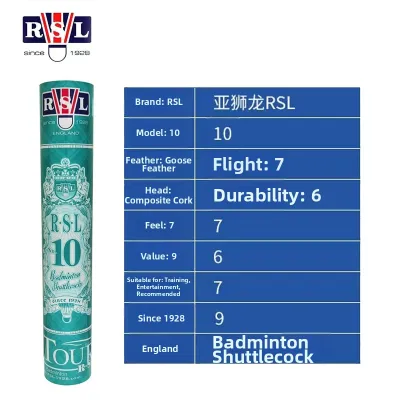
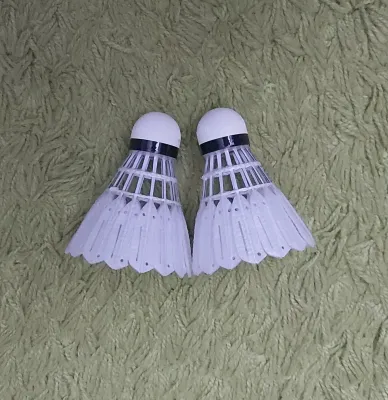
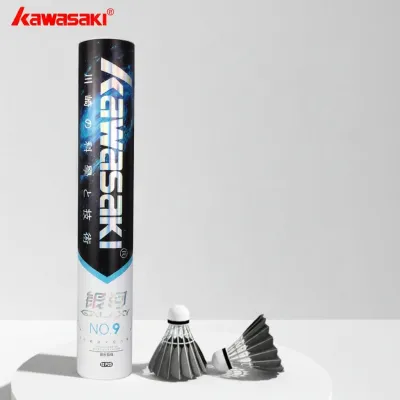
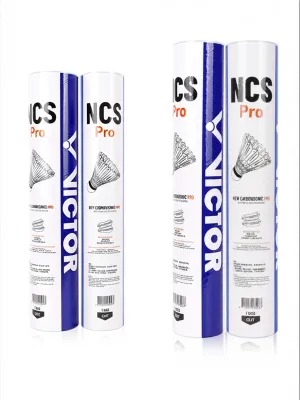
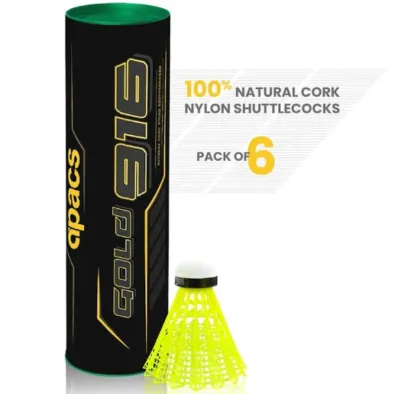
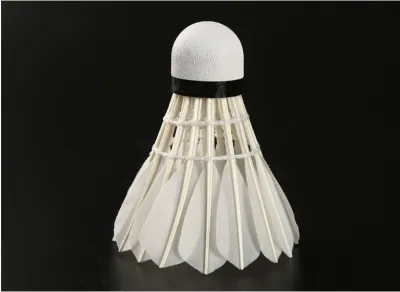
Prices are valid at publication and may change. Please refer to the product page for the latest price.
For casual and beginner players, a successful budget strategy relies on matching the shuttlecock’s durability to your current skill level. Beginners are more likely to hit off-center shots, striking the skirt of the badminton ball rather than the cork base. These clean-miss hits are highly destructive to fragile materials, making structural resilience your primary purchasing criterion rather than tournament-grade flight precision.
At lower price points, you must set realistic expectations regarding flight stability and consistency. Budget options will rarely fly with the absolute mathematical precision required for international tournaments, but they should still maintain a predictable trajectory without wobbling or dropping abruptly. By prioritizing structural integrity and predictable flight over premium brand names, you can enjoy consistent rallies without constantly worrying about your equipment budget.
Nylon Versus Feather: Making the Right Material Choice
Choosing between synthetic nylon and natural feather is the most significant decision you will make when purchasing budget shuttlecocks. Nylon options are the traditional recommendation for true beginners, casual players, and anyone playing on outdoor courts. The synthetic skirt is highly flexible, allowing it to withstand repeated off-center hits and rough handling without losing its shape or tearing.

In terms of long-term value, nylon shuttlecocks are incredibly cost-effective because a single unit can often last for several full games, if not multiple sessions. This resilience makes them perfect for practicing basic strokes, building hand-eye coordination, and playing recreational matches where perfect flight dynamics are secondary to continuous play. Furthermore, nylon performs exceptionally well in outdoor settings where wind and rough ground surfaces would instantly ruin natural feathers.
Natural feather shuttlecocks, typically made from duck or goose feathers, offer the classic sound, crisp feel, and distinct flight path that many players prefer. Feathers naturally compress upon impact and quickly expand, creating a sharp deceleration at the end of the flight path that allows for precise drop shots and clears. However, budget feather options often use lower-grade feathers that are inherently more brittle, meaning they can break after just a few powerful smashes.
If you prefer the feel of natural feathers but need to stay within a budget, reserve these options for controlled indoor practice where you can focus on clean contact. If you are still developing your swing and frequently mis-hit the shuttlecock, starting with nylon will save you significant frustration and money. Once your contact becomes more consistent, you can gradually transition to budget-friendly feather options for indoor games.
Essential Specifications to Verify Before Checkout
Before purchasing any badminton ball, you must verify the specifications on the packaging to ensure they match Singapore’s unique playing conditions. The most critical specification to check is the speed rating, which is directly influenced by local temperature and altitude. Because Singapore has a hot, humid tropical climate, the air is less dense, which causes shuttlecocks to fly faster and further than they would in cooler regions.
For natural feather options, speed ratings typically range from 75 to 79, with lower numbers indicating slower flight. In Singapore’s warm indoor halls, a speed rating of 76 or 77 is generally ideal for maintaining proper court boundaries without the ball constantly flying out of bounds. For synthetic nylon options, manufacturers color-code the speed ratings on the tube cap, with green bands indicating slow speed, blue indicating medium, and red indicating fast. Beginners in Singapore should generally opt for slow (green) or medium (blue) nylon options to ensure manageable rally speeds.
Another key specification is the base material, which is usually constructed from natural cork, synthetic foam, or a composite of both. Natural cork offers the best rebound and racket feedback but is typically found in higher-end models. Budget-friendly options often utilize composite cork or expanded foam bases, which provide excellent durability and a softer feel that is highly forgiving on beginner rackets and wrists.
Finally, pay close attention to the packaging details when buying natural feather options. Look for tubes that feature secure end caps and internal foil linings, which help retain moisture and prevent the feathers from drying out during storage. In a humid climate like Singapore’s, keeping the tube sealed tightly is essential for preserving the natural oils in the feathers, ensuring they do not become brittle before you even step onto the court.
Evaluating Durability and Playability Trade-offs
When evaluating budget shuttlecocks online or in a local sports shop, there are several visual and structural indicators you can check to assess quality before playing. For feather options, inspect the glue lines along the threads that bind the feathers together. The adhesive should be applied evenly without thick clumps or dry, missed spots, as inconsistent gluing leads to rapid structural failure under the impact of a racket.
For synthetic nylon options, examine the thickness and uniformity of the plastic lattice pattern on the skirt. The ribs of the skirt should feel flexible yet firm enough to snap back into shape immediately after being compressed. Avoid options where the plastic feels excessively thin or brittle, as these are prone to splitting along the seams during high-speed exchanges.
When testing a new badminton ball on the court, you can safely evaluate its performance during your warm-up clears. Hit a few high, deep shots and observe the rotation of the shuttlecock as it travels through the air. A high-quality budget option should spin smoothly along its central axis without wobbling, shaking, or drifting sideways. If the flight path is erratic during simple clears, the weight distribution is uneven, which can cause you to mistime your shots and potentially strain your shoulder.
It is also important to recognize the clear retirement conditions for your shuttlecock to protect your racket and maintain game quality. For nylon options, retire the ball as soon as the skirt develops a visible split or the plastic begins to warp permanently. For feather options, once two or more feathers are broken or the cork base softens significantly, the flight path will become highly unpredictable, making it time to transition that shuttlecock to low-intensity drilling or replace it entirely.
Smart Purchasing and Maintenance Strategies
To maximize the value of your budget shuttlecocks, consider purchasing in bulk or multi-tube packs from reputable online sports retailers. Buying in larger quantities often reduces the cost per tube significantly, making it a highly economical choice for regular players. However, when buying in bulk, ensure you have a suitable storage space that protects your investment from extreme environmental conditions.
Proper storage is vital in Singapore’s tropical climate to prevent material degradation and glue failure. Avoid leaving your shuttlecocks in hot areas, such as the trunk of a car parked in the sun, as excessive heat can melt the adhesives and dry out both synthetic and natural materials. Instead, store your tubes vertically in a cool, dark closet inside your home where temperatures remain relatively stable.
For natural feather options, some players utilize a simple steaming technique to restore moisture to dry feathers before a game. Gently exposing the open end of the tube to steam from a kettle for a few seconds can make the feathers more pliable and less prone to snapping. However, in Singapore’s naturally high humidity, simply keeping the tube caps tightly sealed when not in use is often sufficient to maintain playability.
Implementing a practical rotation system during your casual sessions can also greatly extend the lifespan of each individual badminton ball. Instead of playing with a single shuttlecock until it is completely destroyed, rotate between two or three units during water breaks or between sets. This practice allows the materials to recover from repeated impact deformation, preventing premature structural failure and ensuring a more consistent playing experience throughout your session.
Frequently Asked Questions (FAQ)
Can I use indoor feather shuttlecocks for outdoor casual games?
Using indoor feather shuttlecocks for outdoor games is generally not recommended due to their aerodynamic vulnerability. Natural feather skirts are extremely sensitive to wind currents, meaning even a gentle breeze can cause the badminton ball to drift wildly off course. Additionally, rough outdoor surfaces like concrete or asphalt will instantly ruin the delicate feathers upon impact, making heavier, wind-resistant nylon options a much better choice for outdoor recreational play.
How do I know if a budget shuttlecock is the wrong speed for my court?
An incorrect speed rating is easily identified by observing the flight path during standard clears. If you hit the badminton ball with moderate force from your baseline and it consistently flies past your opponent’s back boundary line, the shuttlecock is too fast for your playing conditions. Conversely, if you execute a full-power clear and the ball drops significantly short of the deep court, it is too slow. If you experience these issues, check the speed rating on the tube cap and adjust your next purchase accordingly to ensure a balanced game.
Community discussion
Share your experience or ask a question. Comments are reviewed before publication.