
Choosing the right bunion socks requires matching the structural design of the sock to the current physical state of your big toe joint and your planned daily movement. Because a bunion is a progressive condition where the big toe points inward toward the second toe, the ideal sock must provide targeted relief without causing excessive pressure or restricting circulation. By evaluating whether your joint misalignment is mild, moderate, or severe, and aligning that assessment with your activity level—whether resting, walking, or exercising—you can select a garment that manages friction, supports alignment, and fits comfortably within your footwear.
Assessing Your Bunion Severity for Sock Selection
To find a sock that offers the correct level of support, you must first evaluate the physical state of your big toe joint. Bunions generally progress through three broad stages, each requiring a different approach to footwear and orthotic intervention.
Mild bunions typically present as a slight, visible bump on the outer edge of the big toe joint. At this stage, you might experience occasional tenderness after long periods of walking, but the joint remains highly flexible. For mild cases, lightweight bunion socks with integrated gel pads or thin fabric toe sleeves are often sufficient to prevent friction against the inside of your shoes and encourage natural toe alignment.
Products mentioned in this guide
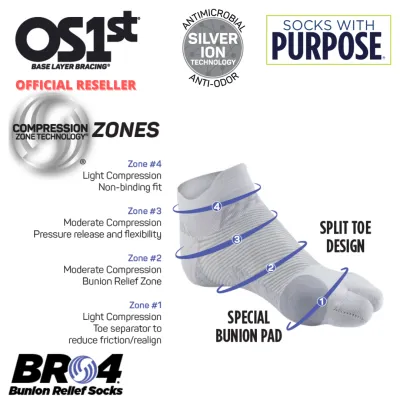
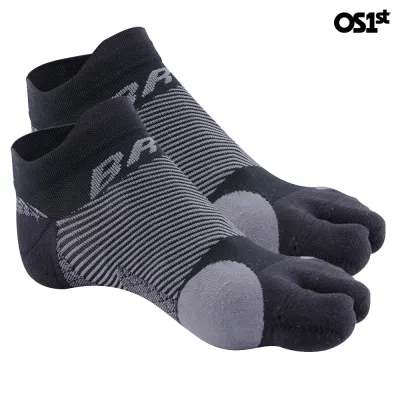
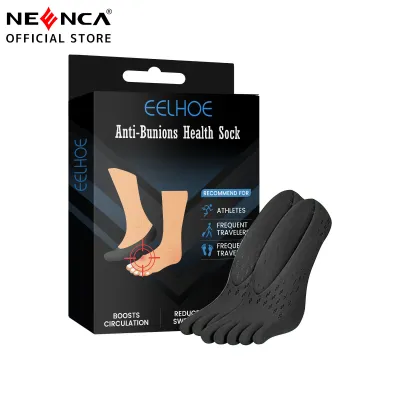
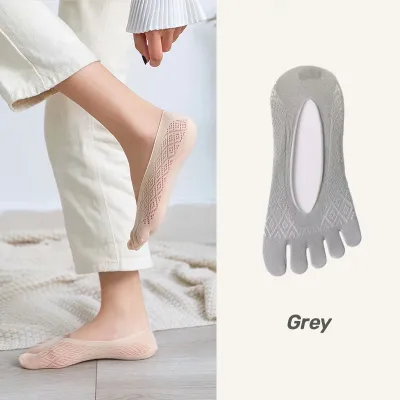
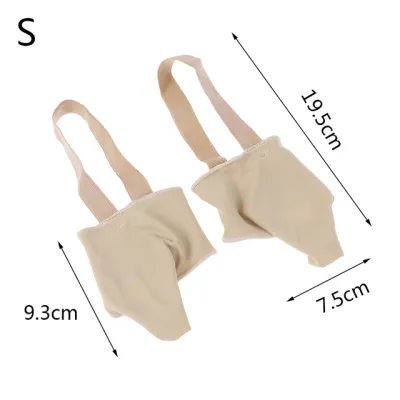
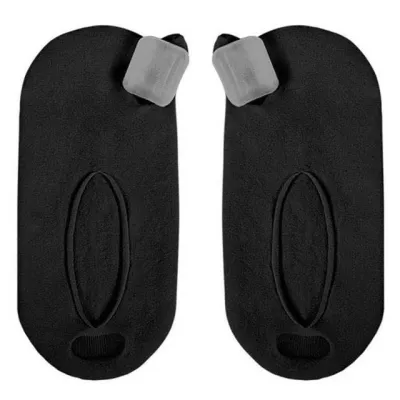
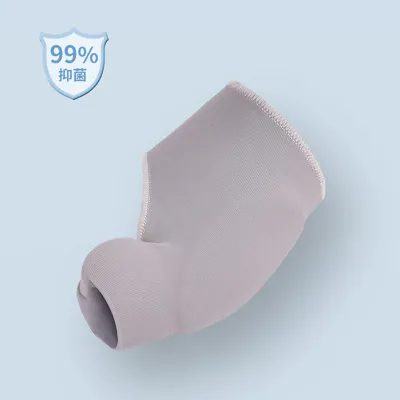
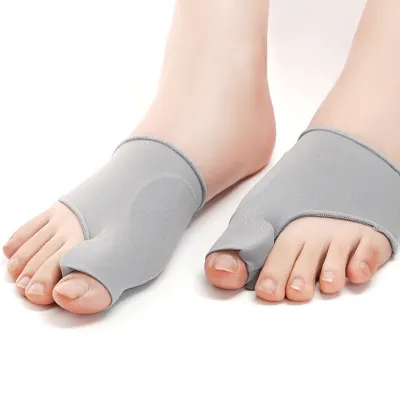
Prices are valid at publication and may change. Please refer to the product page for the latest price.
Moderate bunions feature a more pronounced bony protrusion, and the big toe may begin to press noticeably against the second toe. You might experience more frequent aching, stiffness, and localized redness. In this stage, socks with firmer compression zones and dedicated toe-separating channels are beneficial to help maintain a gap between the toes and stabilize the metatarsophalangeal joint during daily movement.
Severe bunions are characterized by a rigid, highly visible joint deformity where the big toe may overlap or underlap the second toe. At this stage, joint flexibility is severely limited, and walking in standard shoes often causes persistent pain. For severe bunions, standard bunion socks are rarely sufficient on their own; instead, they are typically used as secondary comfort layers alongside rigid night splints, custom orthotics, or specialized orthopedic footwear.
Before purchasing any compression or spacing garments, a professional medical evaluation by a podiatrist is highly recommended. This is especially critical if you experience constant pain, signs of poor circulation, or numbness in your toes. A specialist can determine if your joint requires rigid mechanical correction rather than the flexible support provided by over-the-counter socks.
While flexible bunion socks excel at reducing friction and providing light alignment during active hours, they cannot replace the structural correction of rigid splints or the customized support of prescription orthotics. Understanding these boundaries ensures you do not rely on a soft garment to resolve a structural issue that requires medical intervention.
Matching Sock Designs to Your Daily Activities
Your physical movement throughout the day dictates how much mechanical support, breathability, and cushioning your feet require. Matching the sock design to your specific activity level prevents discomfort and ensures the garment performs as intended.

During periods of rest and sleep, your feet do not bear weight, meaning the primary goal of a bunion sock is to maintain gentle alignment and reduce overnight stiffness. For resting, prioritize socks with minimal bulk, loose-fitting ankle bands, and highly breathable materials like bamboo or light cotton blends. Avoid high-compression models or thick gel pads during sleep, as excessive pressure over several hours of inactivity can restrict blood flow and lead to localized discomfort.
For walking and daily wear, your socks must balance effective toe spacing with the physical volume of your everyday shoes. Daily wear socks should feature moderate compression around the arch and midfoot to stabilize the joint, combined with a low-profile toe separator that fits comfortably inside your work or casual shoes. Look for designs that reinforce the first metatarsal area to shield the bunion from constant rubbing against the shoe upper.
When exercising or participating in sports, your feet experience increased impact, moisture, and lateral movement. Active bunion socks must prioritize moisture-wicking synthetic fabrics, such as nylon or polyester blends, to prevent blisters and manage sweat. These socks should offer a secure, anti-slip fit around the heel and arch to prevent the sock from shifting inside your athletic shoes, along with targeted cushioning under the ball of the foot to absorb impact during high-intensity movements.
If you engage in outdoor activities like hiking or trail running, weather conditions and trail terrain add another layer of complexity. Ensure your active bunion socks are compatible with your technical footwear and do not crowd the toe box, which could lead to restricted circulation in cold weather or increased friction on steep descents. Always test new socks on short walks before committing to long-distance outdoor excursions.
Evaluating Key Bunion Sock Features
When browsing available options, you must carefully verify the technical specifications and design elements listed on product labels to ensure they align with your physical needs.
Compression levels in bunion socks generally range from mild to firm. Mild compression is ideal for sensitive feet, resting, or those new to compression garments, providing a gentle hug that supports circulation without feeling restrictive. Firm compression offers targeted pressure around the arch and ankle to reduce swelling and stabilize the joint during prolonged standing or walking, but you must check the manufacturer’s specifications to ensure the pressure zones do not compress the big toe joint itself too tightly.
Toe spacing mechanisms vary widely across different designs, and each serves a distinct purpose. Integrated gel pads are excellent for absorbing direct impact and reducing friction against the shoe, making them highly suitable for prominent bunions. Woven fabric separators offer a softer, more integrated feel that mimics a standard sock while gently guiding the big toe outward. Individual toe sleeves, similar to five-toe socks, provide a complete barrier between every toe, which is highly effective at preventing friction-induced blisters and encouraging natural toe splay.
Material composition directly impacts skin health and overall comfort, especially during long hours of wear. Evaluate product labels for high-quality, breathable fibers that manage moisture effectively. In warm and humid climates like Singapore, selecting highly breathable, moisture-wicking fibers is especially critical to prevent sweat buildup and skin irritation. Natural fibers like merino wool and bamboo rayon offer excellent temperature regulation and natural odor resistance, while synthetic fibers like nylon and elastane provide the necessary stretch, durability, and shape retention. If you have sensitive skin or allergies, look for hypoallergenic materials and seamless toe construction to minimize the risk of skin irritation over the bony protrusion.
Building Your Bunion Sock Shortlist
To simplify your purchasing decision, use a structured approach to filter through available products and verify their suitability for your feet.
Begin by creating a step-by-step checklist to compare candidate socks against your specific requirements. First, confirm that the sock’s compression level matches your daily activity, such as low compression for resting or moderate compression for walking. Second, verify that the toe spacing mechanism fits comfortably within your primary footwear without causing tightness. Third, check that the material composition is suitable for your local climate and skin sensitivity.
Sizing verification is critical for both comfort and safety, as an improperly fitted sock can worsen bunion pain or restrict blood flow. Do not rely solely on your standard shoe size; instead, use a soft measuring tape to measure your foot width and the circumference around the ball of your foot. Cross-reference these measurements with the brand-specific sizing charts provided by the manufacturer, keeping in mind that some compression garments may require sizing up if you fall between measurements or have a wider forefoot.
When evaluating options on online marketplaces or specialty stores, watch out for common red flags. Avoid products that make unverified medical claims, such as promising to permanently cure or reverse a bunion deformity. Be cautious of socks made from overly rigid or non-stretch materials for active use, as these can restrict natural foot movement and cause joint strain. Finally, ensure the product includes clear care and washing instructions, as improper laundering can degrade the elastic fibers and ruin the sock’s supportive properties.
Frequently Asked Questions (FAQ)
Can I wear bunion socks inside my regular shoes?
Yes, but compatibility depends heavily on the volume of the sock and the shape of your footwear. Socks with thick gel pads or wide toe separators increase the overall width of your forefoot, which can cause your toes to press tightly against the inside of your shoes if the toe box is too narrow. Before wearing them together, check that your shoes have a wide, deep toe box and flexible upper materials. If your regular shoes feel tight or pinch your toes when wearing bunion socks, you may need to pair them with wider-fitting footwear or choose a lower-profile sock design.
How long should I wear bunion socks each day?
You should always follow the specific wear-time recommendations and break-in periods provided by the manufacturer. When trying a new pair of bunion socks, start by wearing them for one to two hours on the first day to allow your foot and joint to adjust to the alignment and compression. Gradually increase the wear time over several days if you remain comfortable. Stop using the socks immediately and consult a professional if you experience physical warning signs such as numbness, tingling, cold toes, skin discoloration, or an increase in joint pain.
Do bunion socks cure or reverse bunions?
No, bunion socks cannot cure, reverse, or permanently correct the underlying bone structure of a bunion. Their primary role is symptom management, which includes reducing friction against footwear, managing localized swelling through compression, and providing temporary alignment to relieve joint pressure during daily activities. For progressive deformities, severe pain, or long-term structural treatment options, you must consult a qualified podiatrist or medical professional to discuss custom orthotics, physical therapy, or surgical intervention.
Community discussion
Share your experience or ask a question. Comments are reviewed before publication.