
To set up a functional home gym in a typical Singapore Housing & Development Board (HDB) flat, you must balance your strength training goals with strict spatial limitations. Traditional dumbbell sets with multiple fixed-weight pairs are rarely practical for compact living rooms or bedrooms, as they require extensive storage racks and clutter valuable floor space. Choosing the right weights adjustable system allows you to consolidate an entire rack of dumbbells into a single, compact pair. A practical setup for a small apartment depends on matching the physical footprint of the equipment to your available storage, verifying the adjustment mechanisms, and ensuring your floor can safely support the concentrated load.
Assessing Your Space and Storage Constraints
Before purchasing any adjustable weights, you must accurately measure your designated workout zone and storage areas. A safe exercise space requires more than just the physical footprint of your body; you must establish a clear clearance zone around you. For dynamic movements like lateral raises, lunges, or overhead presses, measure a clear floor area of at least two meters by two meters. This buffer prevents the weights from striking walls, television consoles, or glass doors during your workout.
Storage dimensions require equal precision. If you plan to slide your adjustable weights under a bed frame or place them inside a built-in wardrobe, measure the exact height, width, and depth of the opening. Compare these measurements against the manufacturer’s specified dimensions for both the dumbbells and their docking trays. Do not forget to account for the height of the tray itself, as some docking systems add several centimeters to the overall vertical profile.
Products mentioned in this guide
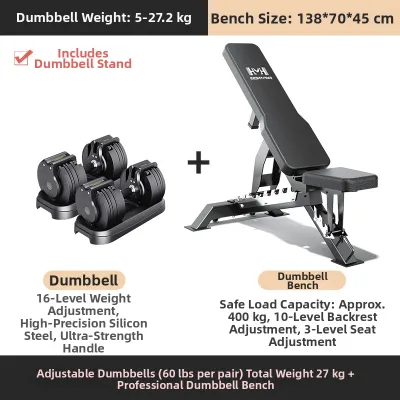
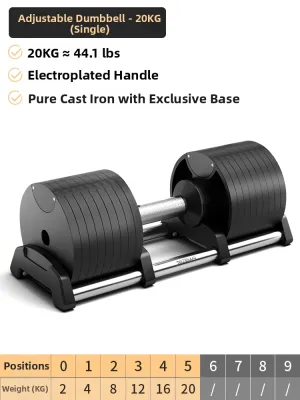
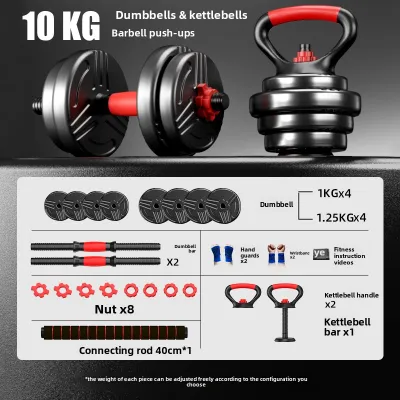
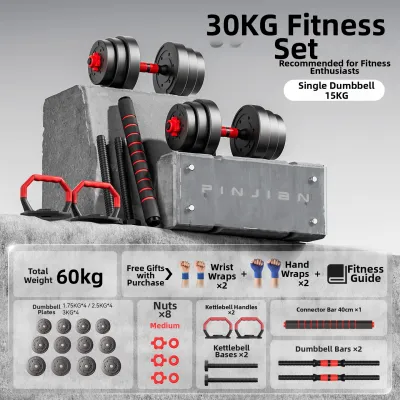
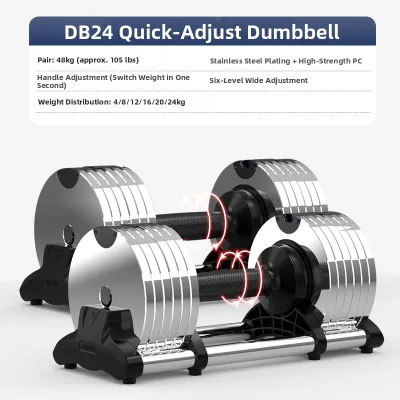
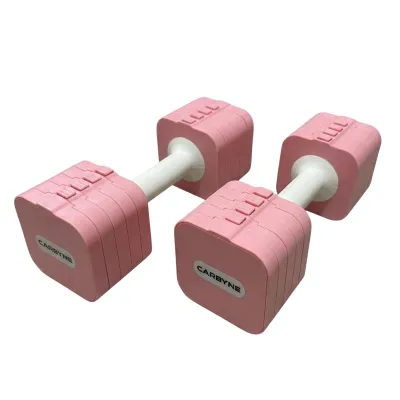
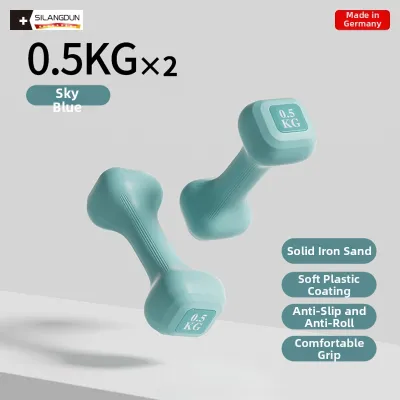
Prices are valid at publication and may change. Please refer to the product page for the latest price.
Ceiling height is another critical factor in Singapore apartments, where standard ceilings typically hover around 2.6 meters. If you are tall or plan to perform overhead exercises like shoulder presses or standing tricep extensions, verify your maximum reach. Stand in your designated workout spot, raise your arms fully, and ensure you have sufficient clearance to avoid hitting ceiling fans, light fixtures, or false ceilings while holding the equipment.
Key Design Features for Compact Adjustable Weights
When space is at a premium, the physical design of the weight blocks and handles determines how easily the equipment integrates into your home. Look closely at the shape of the weight plates. Flat-sided or octagonal plates are highly advantageous for small apartments because they prevent the dumbbells from rolling across the floor when set down between sets. This design feature is particularly useful if you train on slightly uneven surfaces or need to stack the weights securely when not in use.

The overall width of the dumbbell is another key consideration. Some adjustable models maintain a fixed, maximum length regardless of the weight selected, as they rely on a central shaft that remains fully extended. Other designs shorten as you decrease the weight, making them much more maneuverable for close-grip exercises like chest presses or bicep curls. Check the manufacturer’s specifications for the maximum handle length and overall width to ensure the dumbbells will not clash or restrict your natural range of motion.
Material durability directly impacts both the lifespan of the equipment and the safety of your home environment. High-quality adjustable weights typically feature steel or cast-iron plates encased in a durable thermoplastic or rubber coating. This outer casing helps dampen noise when the plates clank together and protects your flooring from scratches. Inspect the manufacturer’s care labels to verify the materials used in both the plates and the storage dock, ensuring they can withstand regular use without cracking or degrading.
Comparing Adjustment Mechanisms and Footprints
The mechanism used to change weights determines not only how quickly you can transition between exercises but also how much physical space the system occupies. Dial and selector pin systems are highly popular for their speed. With these designs, you place the dumbbell in its base tray, turn a dial or move a pin to the desired weight, and lift. The unused plates remain securely in the tray. When evaluating these systems, remember that the base tray represents a permanent footprint; the tray must remain on the floor or a shelf, and you cannot change weights without docking the handle back into the tray.
Twist-lock and slide-lock mechanisms offer an alternative approach. Some of these systems allow you to adjust the weight by twisting the handle itself while the dumbbell is in its dock. Others require you to manually slide a lock and add or remove individual plates. While manual plate systems can sometimes have a smaller storage footprint, they often require extra floor space during your workout to lay out the loose plates safely. If you choose a system with loose plates, ensure you have a dedicated, non-slip mat where you can organize the extra plates without creating a tripping hazard.
Handle-adjustment systems that house the locking mechanism inside the grip itself can be highly compact, but they also require careful inspection. The internal gears and shafts must be robust enough to hold the plates securely. Check the manufacturer’s specifications to see if the internal mechanism adds significant bulk to the handle diameter. A handle that is too thick can compromise your grip strength, especially during heavy pulling movements like rows or deadlifts.
Safe Setup and Usage in Limited Areas
Operating heavy strength equipment in a confined residential space requires strict adherence to safety protocols. First, consider the structural load on your flooring. While modern HDB floors are engineered to support standard residential loads, dropping a heavy dumbbell can easily crack ceramic tiles, dent vinyl planks, or damage parquet flooring. Always place a high-density rubber gym mat or interlocking foam tiles over your workout area. This protective layer absorbs impact, dampens vibration, and reduces noise, which is essential for maintaining good relations with neighbors living below you.
Before beginning any exercise set, perform a physical check of the locking mechanism. Ensure that the adjustment dials, pins, or collars are fully engaged and aligned according to the manufacturer’s instructions. If the plates are not fully locked, they can slip out during a movement, risking serious personal injury or property damage. Make it a habit to gently shake the dumbbell while it is close to the floor to verify that all plates are securely attached before lifting them near your face or body.
Establish clear stop conditions for your equipment. If you notice that an adjustment dial feels loose, sticks, or fails to produce a distinct, audible click when locking into place, halt your workout immediately. Do not attempt to force a jammed mechanism or use the weights if you suspect the locking system is compromised. In such cases, consult the manufacturer’s troubleshooting guide or contact a qualified professional for repair options rather than risking a catastrophic failure during an exercise.
Frequently Asked Questions (FAQ)
Can I leave adjustable dumbbells on a balcony exposed to weather?
It is highly recommended to store your adjustable weights indoors in a climate-controlled environment rather than on an open balcony. Singapore’s tropical climate is characterized by high humidity, frequent rainfall, and intense direct sunlight, all of which can rapidly damage fitness equipment. Moisture exposure can lead to rust on metal plates and internal shafts, while UV rays can degrade plastic casings, dials, and rubber grips. If balcony storage is your only option, verify the manufacturer’s guidelines regarding environmental exposure. You must use a heavy-duty, waterproof, and UV-resistant cover, and regularly inspect the internal locking mechanisms to ensure they remain free of rust and debris that could cause jamming.
Do adjustable dumbbells need a specific stand or rack?
A dedicated stand or rack is generally optional but can offer significant space-saving and ergonomic benefits. Review your product manual to confirm if the included base tray is designed for floor use; most trays are stable on a flat, level surface. However, keeping your weights on the floor requires you to bend down to change weights and lift them, which may place unnecessary strain on your lower back. A compact stand elevates the weights to hip height, making transitions safer and more comfortable. If you decide to use existing household furniture or a third-party shelf for storage, always verify the maximum weight capacity of the furniture against the combined weight of the dumbbells and their trays to prevent structural collapse.
Community discussion
Share your experience or ask a question. Comments are reviewed before publication.