
When a tent clip breaks or goes missing, the structural stability of your entire shelter is compromised. Choosing the correct replacement tent clip requires matching precise mechanical dimensions, understanding pole materials, and verifying attachment styles. To select a compatible clip, you must match the clip’s inner diameter to your tent pole’s outer diameter, ensure the attachment base fits your tent’s webbing or grommets, and verify whether your tent brand uses a proprietary connection system. This guide details how to identify, measure, and source the exact clip compatible with your tent brand and model, ensuring your shelter remains secure in the field.
Identify Your Tent's Specifications and Existing Clip Design
Before searching for a replacement clip, you must gather precise information about your specific tent model. Attempting to buy a generic clip without knowing your tent’s exact specifications often results in purchasing incompatible parts that will either fail to grip the pole or refuse to attach to the fabric.
First, locate the tent’s exact brand, model name, and production year. This information is typically printed on a manufacturer’s tag sewn into the inner tent body seam, inside the carry bag, or detailed in the original user manual. Because manufacturers frequently update tent designs and pole diameters between model years, having the precise production year prevents compatibility errors.
Products mentioned in this guide
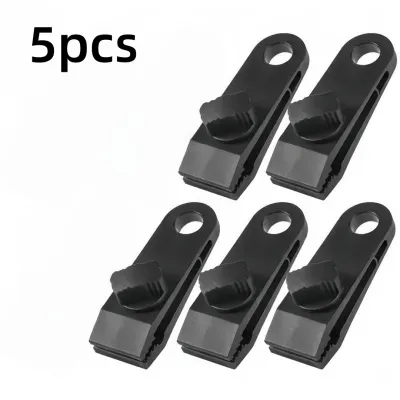
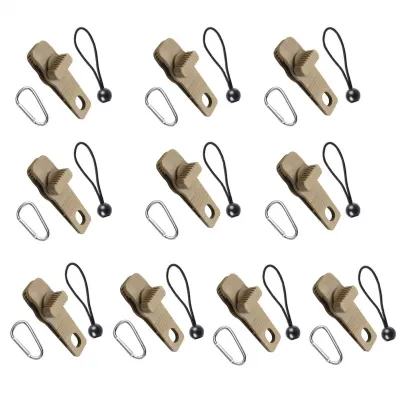
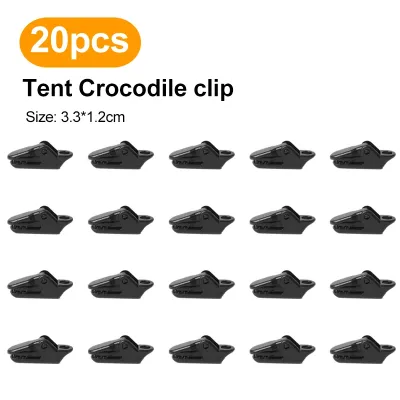
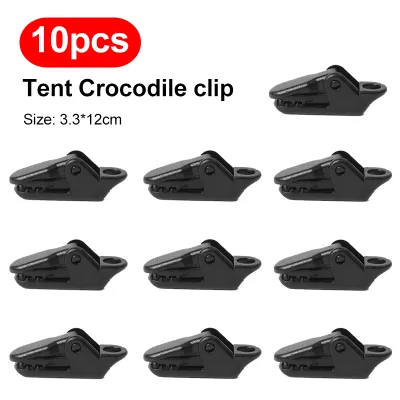
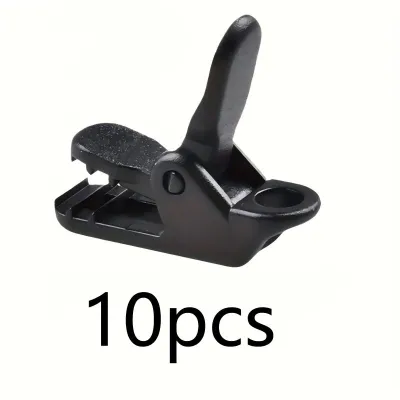
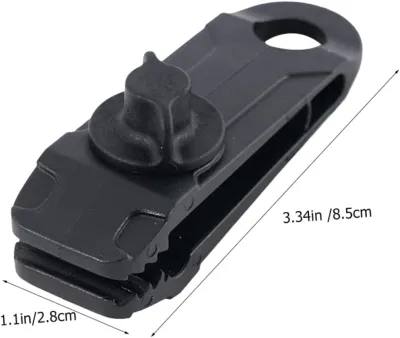
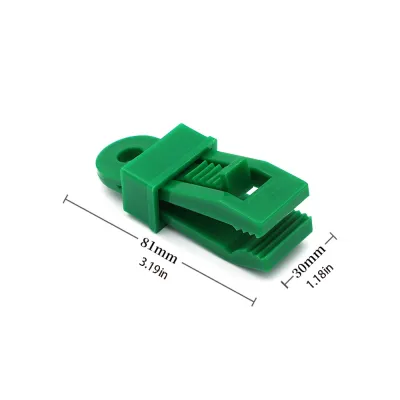
Prices are valid at publication and may change. Please refer to the product page for the latest price.
Next, visually inspect the remaining intact tent clips to identify their general shape and mechanical design. Note whether they utilize a snap-on C-clip design, a hanging J-hook mechanism, or a specialized slide-in system. This visual baseline ensures you search for the correct category of replacement hardware.
Additionally, identify the material of your tent poles, which is typically aluminum or fiberglass. Aluminum poles have a smooth, rigid surface that requires a clip with precise tolerances to prevent sliding. Fiberglass poles often have metal ferrule sleeves at the joints, meaning replacement clips must have enough clearance to slide over these wider sections during setup.
Finally, take clear, well-lit photos of an intact clip from multiple angles. Capture how the clip grips the pole and how its base attaches to the tent fabric. These photos are invaluable references when cross-referencing online catalogs or contacting manufacturer customer service departments.
Understand How a Tent Clip Connects to Poles and Fabric
A tent clip serves as the structural link between your tent’s flexible canopy and its rigid frame. To select a compatible replacement, you must understand both the pole-to-clip interface and the clip-to-fabric connection.

Pole-to-Clip Connections
The upper portion of the clip is engineered to grip the tent pole securely under tension. The most common designs are C-clips, which snap directly over the pole shaft, and J-hooks, which hang from the pole to suspend the inner tent. Some tents utilize V-clips or hub-style clips where poles intersect.
The inner diameter of the clip’s pole-gripping section must match the outer diameter of your tent pole exactly. A clip with an inner diameter that is too large will fail to grip the pole, sliding freely under wind load and causing the tent canopy to sag. Conversely, a clip that is too small will require excessive force to snap on, which can crack the plastic clip or scratch and weaken the tent pole.
Be aware that premium tent brands often use proprietary pole shapes and attachment systems. For example, tents equipped with specialized DAC poles may feature custom clips designed to interface with specific grooves or hub connectors. In these cases, standard universal clips will not fit, necessitating brand-specific replacements.
Clip-to-Fabric Connections
The base of the tent clip must attach securely to the tent body or rainfly. This connection is typically achieved using nylon webbing loops sewn into the tent seams, metal grommets, or direct fabric sleeves.
The width of the clip’s attachment slot or loop must accommodate the exact width of the tent’s webbing. If the webbing strap is wider than the clip’s slot, the fabric will bunch up, leading to uneven tension and premature wear on the strap. If the clip utilizes a peg or hook that inserts into a grommet, the diameter of the peg must match the inner diameter of the grommet.
Never attempt to cut, shave, or otherwise modify your tent’s webbing loops or fabric to force an incompatible clip to fit. Modifying these structural areas compromises the tent’s tension distribution, damages waterproof seams, and increases the risk of fabric tearing under wind loads.
Step-by-Step Guide to Measuring and Verifying Compatibility
To guarantee a perfect fit, you must take physical measurements of your tent components. Follow these sequential steps to gather the necessary data before purchasing replacement parts.
- Step 1: Measure the Tent Pole Diameter. Use digital calipers or a precise physical measuring tape to find the outer diameter of your tent pole. Take this measurement at the exact section of the pole where the clip sits, as some poles taper near the ends. Record this measurement in millimeters, as almost all outdoor gear manufacturers specify pole diameters in metric units.
- Step 2: Measure the Existing Clip. If you have a broken but mostly intact clip, measure its dimensions. Focus on the inner diameter of the pole-gripping channel, the width of the mouth opening (where the pole snaps in), and the overall length of the clip from the base to the top curve.
- Step 3: Measure the Fabric Attachment Point. Measure the flat width of the nylon webbing loop or the inner and outer diameter of the metal grommet where the clip anchors to the tent canopy. Do not stretch the webbing while measuring.
- Step 4: Cross-Reference with Manufacturer Data. Compare your physical measurements against the official spare parts catalog on your tent brand's website. If the exact dimensions are not listed, contact their customer support team with your tent's model name, year of manufacture, and the measurements you recorded to verify compatibility.
Warning and Stop Condition: If you cannot obtain precise measurements, or if the manufacturer confirms that your specific clip model is discontinued without providing an official cross-compatible alternative, stop and consult a professional outdoor gear repair specialist. Never force a replacement clip that requires excessive physical pressure to snap onto the pole, as this indicates a structural mismatch that can break the clip or damage the pole under tension.
Sourcing Replacements and Testing for Safe Installation
Once you have verified the required dimensions, you can safely source and install your replacement clips.
- Sourcing Strategy: Prioritize purchasing Original Equipment Manufacturer (OEM) replacement parts directly from the brand's official store or an authorized local outdoor retailer. This ensures exact compatibility, maintains the structural integrity of your tent, and preserves any active manufacturer warranties.
- Aftermarket Alternatives: If OEM parts are completely unavailable, you may use third-party universal tent clips. However, do this only if your physical measurements (pole outer diameter and webbing width) match the third-party clip's published specifications exactly. Verify that the aftermarket clip is made of high-quality polymers like POM (acetal) or heavy-duty nylon to ensure UV resistance and tensile strength, especially in hot, humid climates like Singapore where plastic degrades quickly.
- Installation Environment: Always install your new clips in a flat, calm, and controlled environment, such as your home or a sheltered space, before heading out. Attempting to install or replace hardware in high winds, heavy rain, or low-light conditions increases the risk of losing small parts or damaging the tent fabric.
- Verification and Safety Testing: Once installed, perform a manual tension test. Gently pull the tent fabric away from the pole to simulate wind load. Verify that the clip grips securely without sliding, popping off the pole, or showing signs of stress whitening (a pale discoloration of the plastic indicating structural fatigue).
- Safety Boundary: If your tent is intended for extreme weather, high-altitude expeditions, or high-wind environments, do not rely on universal or unverified aftermarket clips. These environments demand strict adherence to the manufacturer's structural load ratings, and unverified components can fail catastrophically under extreme stress. Remember that high-quality gear cannot replace proper campsite selection and pitching judgment in severe weather.
Frequently Asked Questions (FAQ)
Can I use generic tent clips if the original brand is out of stock?
Yes, generic clips can serve as temporary or permanent replacements for casual, fair-weather camping, provided their measurements match your pole diameter and webbing width exactly. However, keep in mind that generic clips often use cheaper plastic polymers that may degrade faster under UV exposure or become brittle in cold temperatures. Additionally, using non-OEM parts can void your tent’s manufacturer warranty and is not recommended for demanding expeditions or severe weather conditions.
What should I do if my tent pole diameter doesn't match any available clips?
Do not attempt to use clips that are too large or too small, as this will lead to structural failure or gear damage. If you cannot find matching clips, consider replacing the entire tent pole section with a compatible aftermarket pole set that matches available clip sizes. Alternatively, for high-value tents, consult a professional outdoor gear repair service to discuss custom fabrication or heavy-duty sewing modifications to adapt the tent’s attachment system safely.
Community discussion
Share your experience or ask a question. Comments are reviewed before publication.