
Managing the sharp, stabbing heel pain of plantar fasciitis requires a multi-faceted approach that combines stretching, proper footwear, and targeted support. Compression socks have become a staple accessory for runners, walkers, and fitness enthusiasts looking to manage discomfort and accelerate recovery. By applying structured pressure to the foot and lower leg, these specialized socks help stabilize the plantar fascia ligament, support the arch, and minimize localized swelling.
However, selecting the wrong pair can lead to restricted circulation, skin irritation, or inadequate support. Finding the right compression socks involves understanding how compression levels function, taking precise physical measurements, and identifying key material features tailored to your daily activities. While these garments are highly effective for symptom management during movement and recovery, they are designed to support your foot’s natural structures rather than serve as a standalone cure for chronic structural issues.
Understanding Compression Levels for Plantar Fasciitis
Compression garments use millimeters of mercury (mmHg) to measure the amount of pressure applied to the limbs. This measurement determines how tightly the fabric grips your foot and calf. For plantar fasciitis, the goal is to find a level of pressure that stabilizes the arch and heel without restricting blood flow or causing discomfort during extended wear.
Products mentioned in this guide
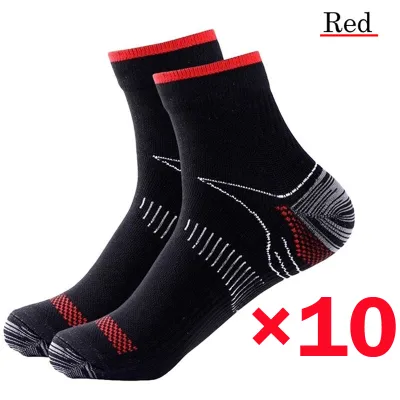
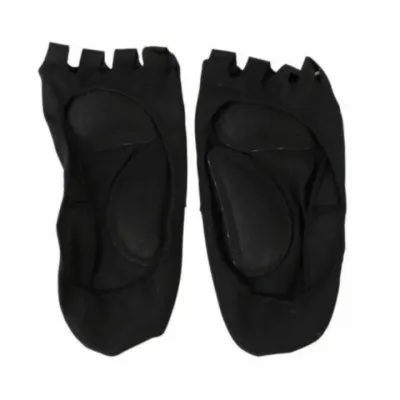
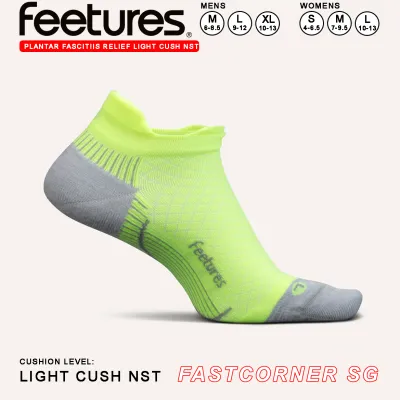
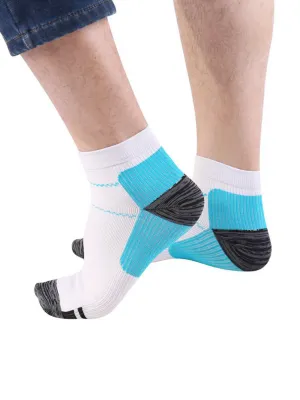
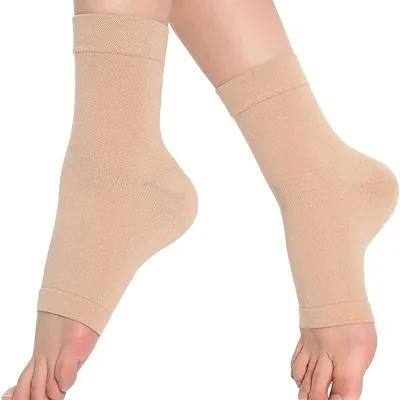
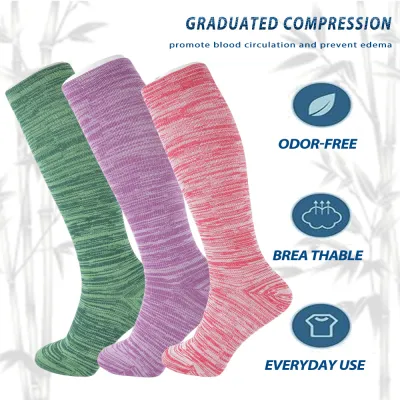
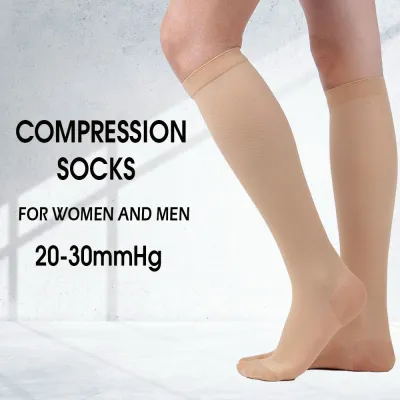
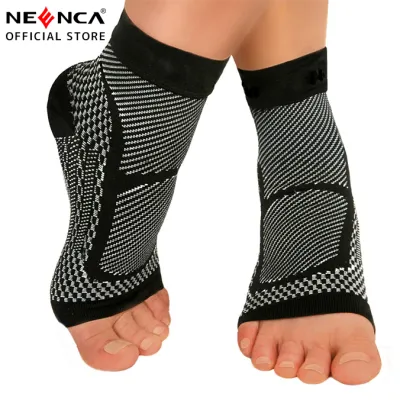
Prices are valid at publication and may change. Please refer to the product page for the latest price.
Compression levels generally fall into four distinct categories, each suited to different recovery phases and activity levels:
- Mild Compression (8 to 15 mmHg): This level provides gentle pressure suitable for daily wear, light walking, or long periods of sitting. It helps minimize minor fatigue and keeps the feet feeling energized without feeling restrictive.
- Moderate Compression (15 to 20 mmHg): Widely considered the standard for sports and active recovery, this range offers firm support across the arch and ankle. It is highly suitable for running, gym workouts, and prolonged standing on hard surfaces.
- Firm Compression (20 to 30 mmHg): Often categorized as medical-grade, this level is designed for individuals experiencing moderate to severe swelling, chronic pain, or recovering from intense athletic events.
- Extra Firm Compression (30 to 40 mmHg): This high-pressure range is reserved for severe clinical conditions and should only be worn under the direct guidance of a healthcare professional.
When selecting a compression level, consider your primary activity. If you plan to wear the socks during high-impact sports, a moderate level of 15 to 20 mmHg typically provides the necessary structural stability without compromising mobility. For severe morning pain or post-workout recovery, a firmer option may be appropriate. Always check product packaging for clear mmHg ratings, and consult a podiatrist or healthcare professional to determine the safest level for your specific vascular health.
How to Measure and Size Your Feet and Calves
Unlike standard athletic socks, which are purchased based on shoe size, compression socks require precise physical measurements to function safely and effectively. A sock that is too loose will fail to support the plantar fascia, while a pair that is too tight can pinch nerves, restrict arterial blood flow, and cause localized swelling.

To find your correct size, gather a flexible measuring tape and record three primary measurements:
- Arch Circumference: Wrap the measuring tape around the widest part of your midfoot, directly over your arch. This measurement ensures the sock's compression band aligns correctly with the plantar fascia ligament.
- Ankle Circumference: Measure the narrowest part of your ankle, just above the ankle bone. This is critical for graduated designs, which apply the maximum amount of pressure at this specific point.
- Calf Circumference: If you are choosing full-length compression socks, measure the widest part of your calf muscle. Keep your leg relaxed and your foot flat on the floor while taking this measurement.
Timing is crucial when taking these measurements. Your feet and lower legs naturally swell throughout the day due to gravity, heat, and physical activity. For the most accurate results, take your measurements in the afternoon or immediately after a typical workout session. This ensures the socks remain comfortable when your feet are at their maximum volume.
Once you have recorded your measurements, compare them directly to the manufacturer’s specific sizing chart. Avoid the temptation to rely solely on your standard shoe size, as sizing standards vary significantly between sports brands. If your measurements fall between two sizes, it is generally safer to opt for the larger size to prevent excessive constriction, especially if you have wider calves or a high instep.
Key Fit and Material Features for Active Recovery
Not all compression socks are engineered the same way. When evaluating options from sports brands, look for design elements that specifically target the anatomy of the foot and the mechanics of plantar fasciitis.
An essential feature to look for is targeted zone compression. Standard compression socks apply uniform pressure throughout the entire garment, which is excellent for general circulation but less effective for localized heel pain. Plantar fasciitis socks should feature reinforced, high-tension knit zones directly under the arch and around the heel. This targeted design mimics the supportive effects of athletic taping, lifting the plantar fascia ligament slightly to reduce strain at its insertion point on the heel bone.
Material composition plays a vital role in comfort and skin health, particularly during high-intensity sports or in warm, humid climates. Look for synthetic blends incorporating nylon, polyester, and elastane (spandex). These fibers provide the necessary elasticity to maintain consistent pressure over time while actively pulling moisture away from the skin. Avoid pure cotton socks, as they retain sweat, increase friction, and can lead to painful blisters and skin breakdown during movement.
Additionally, pay close attention to the construction of the toe and heel areas. A seamless toe design is highly recommended to prevent chafing and irritation inside your running shoes. Many sports-specific compression socks also feature light padding under the heel and metatarsal heads to absorb impact forces during heel strike, providing an extra layer of comfort on hard surfaces.
Finally, ensure the socks utilize a graduated compression design. This construction applies the tightest pressure at the ankle and gradually decreases up the calf. This gradient encourages deoxygenated blood and metabolic waste to flow upward toward the heart, reducing post-exercise inflammation and accelerating muscle recovery.
When to Wear Them and How to Put Them On Correctly
Integrating compression socks into your routine requires a balance between active wear and recovery periods. To maximize their benefits, wear them during activities that typically trigger your plantar fasciitis pain. This includes long runs, walks, gym sessions, or periods of prolonged standing at work. Wearing them immediately after a workout for two to four hours can also significantly reduce post-exercise stiffness and swelling.
Because compression socks are highly elastic and tight, putting them on incorrectly can strain your hands or damage the fabric. Use the following technique to put them on smoothly:
- Reach inside the sock and grab the heel pocket from the inside.
- Pull the leg of the sock inside out, leaving only the foot portion right-side out.
- Slide your foot into the toe area, ensuring your heel aligns perfectly with the designated heel pocket.
- Gradually unroll the rest of the sock up over your ankle and calf, smoothing out any wrinkles or bunches as you go.
- Never pull the sock by the top band, as this can stretch out the elastic or tear the seams.
Limit your continuous wear time to avoid skin irritation. While it is safe to wear them for several hours during the day, you should remove them before going to sleep unless a medical professional has explicitly instructed otherwise. When you lie flat, your circulatory system does not have to work against gravity, making the high pressure of compression socks unnecessary and potentially restrictive to blood flow overnight.
Warning Signs: When to Adjust or Stop Use
While compression socks are generally safe for most active individuals, they are highly structured garments that must be monitored closely. Pay attention to how your feet and legs feel during and after use, and be prepared to adjust your sizing or discontinue use if you experience adverse reactions.
Remove the socks immediately if you notice any of the following physical warning signs:
- Numbness, tingling, or a "pins and needles" sensation in your toes or feet.
- Coldness in your toes, or skin that appears unusually pale or blue.
- Deep, painful indentations in your skin that persist for more than a few minutes after removing the socks.
- An increase in heel or arch pain rather than a reduction in discomfort.
- Skin redness, itching, or chafing along the compression bands.
Certain pre-existing health conditions make compression wear unsuitable. If you suffer from peripheral neuropathy, peripheral artery disease, severe diabetes, or active skin infections on your lower legs, avoid using compression socks without direct medical clearance. If your plantar fasciitis symptoms persist or worsen after several weeks of consistent use, consult a podiatrist or physical therapist. They can evaluate your gait, check for underlying biomechanical issues, and recommend custom orthotics or targeted physical therapy exercises to address the root cause of your pain.
Frequently Asked Questions (FAQ)
Can I wear compression socks instead of custom orthotics?
No, compression socks cannot replace custom orthotics. Compression socks work by supporting soft tissues, improving localized circulation, and reducing swelling around the plantar fascia. Custom orthotics, on the other hand, provide rigid or semi-rigid structural alignment, redistribute your body weight across the foot, and correct biomechanical issues like overpronation. While compression socks are excellent for active recovery and symptom management, they should be used as a complementary tool alongside orthotics rather than a substitute.
Should I wear them while sleeping?
Generally, you should not wear compression socks while sleeping unless prescribed by a doctor. When you are lying down horizontally, your cardiovascular system does not have to fight gravity to return blood from your lower limbs. Wearing tight compression garments while inactive and flat can restrict arterial blood flow, lead to skin irritation, and cause discomfort. For overnight recovery, focus on gentle calf stretches before bed or use a dedicated night splint designed to keep the plantar fascia in a light, elongated position.
Community discussion
Share your experience or ask a question. Comments are reviewed before publication.