
Selecting the right dumbbell gloves in Singapore depends entirely on your specific training style, grip demands, and comfort preferences. Matching glove features to your routine—whether you focus on heavy compound lifts, high-rep circuits, or general fitness—is far more effective than chasing generic top-rated labels. In a tropical, high-humidity climate where sweaty palms can directly compromise your grip security and safety, the right pair of gloves acts as a functional interface between your hands and the cold steel of a dumbbell. By evaluating materials, design profiles, and fit requirements, you can select gear that genuinely supports your workouts, protects your skin from painful calluses, and provides the necessary wrist stability for your lifting goals.
Identify Your Primary Training Demands
Before browsing online marketplaces or local sporting goods stores, you must assess your workout routines to determine the primary functional requirements for your gloves. Different exercises place distinct demands on your hands. For instance, high-volume dumbbell training, such as high-rep dumbbell rows or Romanian deadlifts, primarily tests your grip endurance and subjects your palms to constant friction. In contrast, heavy pressing movements, like a dumbbell bench press or overhead shoulder press, place less friction on the skin but demand significant wrist stability to keep the joints aligned under load.
You must weigh the trade-off between grip fatigue and callus prevention based on your typical dumbbell weights and rep ranges. If your goal is simply to keep your hands smooth and free of calluses during moderate-weight workouts, a lightweight glove with basic palm protection is often sufficient. However, if you are lifting near your physical limits, you need a glove that enhances your hold on the knurled metal handle without adding excessive bulk that could artificially widen the grip diameter and tire your forearm muscles prematurely.
Products mentioned in this guide
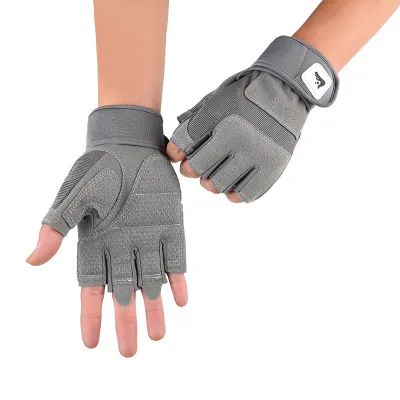
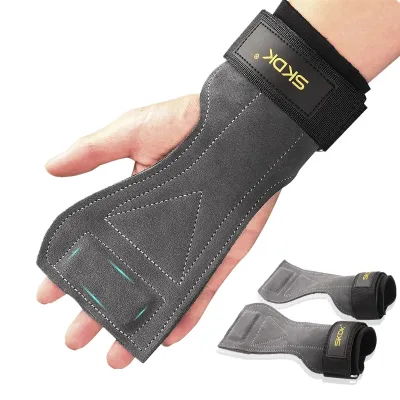
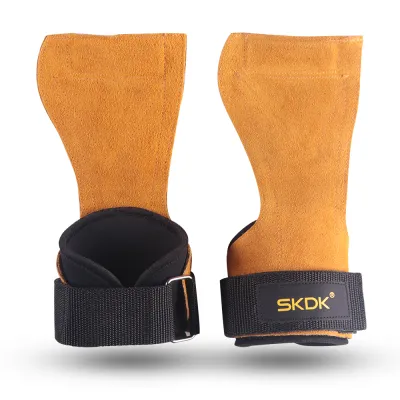
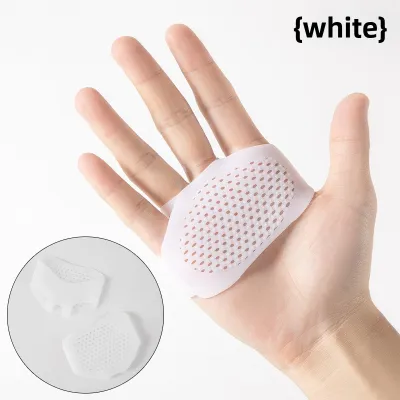
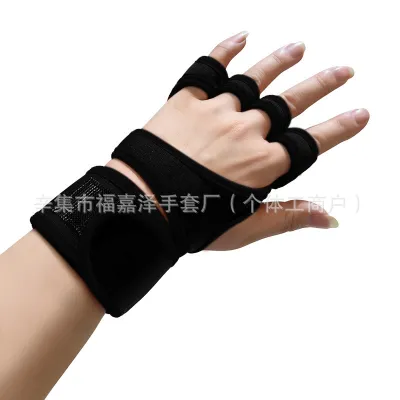
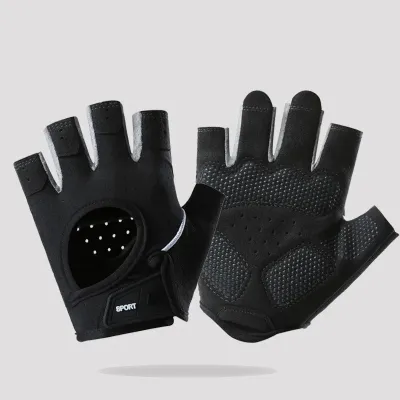
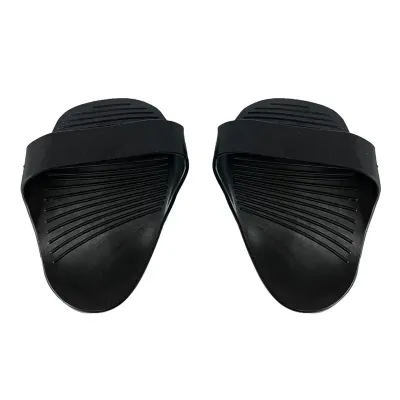
Prices are valid at publication and may change. Please refer to the product page for the latest price.
Furthermore, local environmental conditions play a massive role in your decision. Singapore’s high humidity means that even in air-conditioned commercial gyms, sweat production is elevated. Sweaty hands slip inside gloves if the inner lining lacks moisture-wicking properties, which can lead to dangerous slips during overhead movements. If you train in non-air-conditioned spaces, such as community fitness corners or home setups, heat dissipation and breathability become your absolute top priorities to prevent skin irritation and odor buildup.
Core Features to Evaluate on the Product Label
When shopping for dumbbell gloves, look past marketing buzzwords and focus on the physical attributes and material specifications listed on the product packaging or manufacturer specifications. The first critical feature to evaluate is palm padding and thickness. Thicker padding, often made of gel or high-density foam, offers excellent shock absorption and pressure distribution, which is ideal for protecting sensitive nerves in the palm during heavy pushes. However, this thickness comes at a cost: it reduces your tactile feedback and makes the dumbbell handle feel thicker, which can hinder grip strength during pulling exercises. Thinner padding, on the other hand, preserves a direct feel of the bar, allowing for a more natural and secure grip.

Next, examine the material composition on the manufacturer tags. Synthetic leather, such as polyurethane or microfiber, is highly durable and provides excellent abrasion resistance, making it suitable for heavy-duty lifting. However, synthetic leather is less breathable than mesh. To balance durability and comfort, look for hybrid designs that feature synthetic leather on the high-wear palm areas and breathable nylon or polyester mesh on the back of the hand to facilitate airflow. Silicone grip patterns printed on the palm can also enhance traction without adding bulk, though you should verify the manufacturer’s care instructions, as some silicone prints can degrade quickly if exposed to high heat during washing.
Wrist support mechanisms are another vital component to inspect. Simple elastic cuffs offer a quick, non-restrictive fit that is perfect for light, dynamic movements where your wrists need full range of motion. For heavy lifting, look for integrated, adjustable wrap-around wrist straps. These straps act like built-in wrist wraps, tightening around the joint to limit lateral movement and provide structural support during heavy presses.
Finally, compare the closure systems available. Velcro closures are the most common, offering easy adjustments and a secure fit, though the quality of the hook-and-loop material determines how long they will last before losing grip. Slip-on designs eliminate the bulk of straps entirely, relying on elastic tension to stay in place, which is convenient but offers less customization for users with unique hand shapes. Lace-up designs are rare in modern fitness gloves but offer a highly customized fit at the expense of convenience.
Matching Glove Designs to Training Styles
No single glove design can optimize both maximum wrist support and maximum hand flexibility simultaneously. A heavy, fully wrapped glove that stabilizes your wrist for a maximal bench press will feel restrictive and hot during a fast-paced kettlebell and dumbbell circuit. Conversely, a minimalist, fingerless glove designed for rapid movement will fail to provide the joint reinforcement needed for heavy compound lifts.
To find the right balance, you must map specific glove design profiles to your primary weight training category. By identifying where your routine falls on the spectrum between heavy strength training and high-speed functional fitness, you can narrow down your choices to the design profile that matches your physical movements.
Heavy Compound Lifts and Strength Focus
If your training revolves around heavy dumbbell presses, rows, deadlifts, and maximal load management, your gloves must prioritize joint stabilization and structural integrity. For these movements, look for gloves with integrated, heavy-duty wrist wraps. These wraps should be wide enough to cover the wrist joint fully and feature adjustable tension so you can tighten them before a heavy set and loosen them during rest periods to restore full circulation.
The palm design for heavy lifting should feature minimal but highly dense padding. Thick, soft gel pads can shift under extreme loads, creating instability and potentially causing the dumbbell to roll in your hand. Dense foam or reinforced synthetic leather panels provide the necessary barrier against friction while maintaining a solid, non-slip connection with the knurling of the dumbbell.
Before purchasing, verify the manufacturer’s intended use cases or weight recommendations if available. Some heavy-duty gloves are specifically reinforced with double-stitched seams along the thumb crotch and palm base to withstand the high shear forces of heavy pulling movements. If you regularly lift heavy, choosing a glove designed specifically for powerlifting or heavy strength training ensures the materials will not split or compress permanently after a few weeks of intense use.
High-Rep Circuits and Functional Fitness
For fast-paced, high-volume workouts that combine dumbbells with bodyweight movements, kettlebells, or suspension trainers, your gloves must prioritize flexibility, breathability, and rapid moisture management. Look for lightweight designs that feature extensive mesh backings or open-back cutouts. These features allow sweat to evaporate quickly, keeping your hands dry and preventing the gloves from becoming heavy and waterlogged during intense cardiovascular efforts.
The glove’s construction should feature flexible, pre-curved finger designs that mimic the natural resting position of your hand. This reduces hand fatigue when gripping and releasing equipment repeatedly. The padding should be extremely thin or localized only to the specific high-friction zones of the upper palm and fingers, allowing your hand to flex fully when transitioning from dumbbells to pull-up bars, push-up handles, or floor work.
Durability in functional fitness gloves comes from reinforced stitching in high-friction zones rather than thick materials. Look for double-stitched seams around the finger openings and the web of the thumb. Because these workouts involve rapid transitions, heavy padding can catch on equipment or restrict your movement, so a minimalist, highly flexible glove is always the safer and more efficient choice for dynamic training.
General Fitness and Light Dumbbell Routines
For casual lifters, beginners, or those focusing on moderate-weight isolation exercises like bicep curls, lateral raises, and tricep extensions, comfort and ease of use are the primary considerations. If you are not lifting near-maximal loads, you do not need the restrictive support of heavy wrist wraps. Instead, prioritize plush palm padding, such as gel inserts, which provide maximum comfort and prevent the development of painful blisters and calluses.
Look for simple slip-on designs or gloves with basic, low-profile Velcro closures. These are incredibly easy to put on and take off, allowing you to remove them quickly between sets or when transitioning to stretching and floor exercises. The lack of bulky straps makes them highly portable and easy to toss into a small gym bag.
Additionally, prioritize machine-washable materials. Because general fitness gloves are used frequently for everyday workouts, they accumulate sweat and bacteria quickly. Checking the care label to ensure the gloves can be tossed into a standard washing machine without shrinking, warping, or losing their grip properties will save you time and maintain hygiene over the long term.
Sizing, Fit Verification, and Maintenance
Even the most advanced dumbbell gloves will fail to perform if they do not fit your hands correctly. To find your size, use a flexible measuring tape to measure the circumference of your dominant hand just below the knuckles, excluding the thumb. Compare this measurement against the specific brand’s sizing chart. Do not assume your size is consistent across different brands; a medium in one brand may easily be a small or large in another due to varying manufacturing standards.
Once your gloves arrive, perform a safety and fit verification before using them with weights. Put the gloves on and make a tight fist. The padding on the palm should align perfectly with your knuckles and the crease of your hand without bunching up excessively, which can pinch your skin and cause blisters. Ensure the finger openings do not cut off circulation or restrict blood flow to your fingertips, and verify that your wrist can flex comfortably within the range of motion required for your exercises.
Proper maintenance is essential to extend the lifespan of your gloves and prevent the buildup of unpleasant odors. Always follow the exact washing and drying instructions on the product tag. As a general rule, hand washing your gloves in cool water with a mild detergent is the safest way to preserve synthetic leathers and elastic fibers. Avoid using fabric softeners, as they can leave a residue that reduces the grip traction of the palm materials. Never tumble dry your gloves; high heat can melt silicone grips, degrade elastic straps, and cause synthetic leather to crack. Instead, air dry them flat in a well-ventilated, shaded area away from direct sunlight.
Finally, establish clear replacement conditions to ensure your safety during workouts. Inspect your gloves regularly for signs of wear. You should stop using and replace your gloves immediately if the palm padding compresses permanently and no longer absorbs pressure, if the seams along the fingers or thumb begin to tear, or if the wrist straps lose their elasticity and fail to provide stable support. Using compromised gloves increases the risk of slippage, which can lead to dropped weights and serious injury.
Frequently Asked Questions (FAQ)
Do I need dumbbell gloves if I use lifting chalk?
Lifting chalk and dumbbell gloves serve different functional purposes, and your choice depends on your gym’s rules and personal preferences. Chalk works by absorbing moisture and sweat from your skin, increasing the natural friction between your bare hand and the dumbbell handle for a highly secure, direct grip. However, chalk does not provide a physical barrier, meaning your hands will still develop calluses and blisters over time. Dumbbell gloves, conversely, offer physical padding that protects the skin from friction and pressure while providing structural wrist support. Additionally, many commercial gyms in Singapore restrict or completely ban the use of loose chalk because of the messy cleanup and airborne dust, making gloves or liquid chalk the only viable alternatives for maintaining grip security.
Can I use weightlifting gloves for pull-ups and bar work?
While you can use dumbbell gloves for bar work, you must consider how the glove’s design affects your safety and grip mechanics. Thick palm padding, which is excellent for cushioning heavy dumbbell presses, can be counterproductive on pull-up bars or Olympic barbells. The added thickness increases the effective diameter of the bar, making it harder for your fingers to wrap around securely and accelerating forearm fatigue. If you plan to use your gloves for both dumbbells and bar work, choose a model with very thin, high-traction palms and excellent finger flexibility. Always test your grip on the bar at a low height first to ensure the glove material does not slip against the smooth metal of the pull-up rig before performing overhead exercises.
Community discussion
Share your experience or ask a question. Comments are reviewed before publication.