
Choosing the right fingers protection depends entirely on the specific physical demands, impact angles, and movement patterns of your chosen sport. A protective sleeve designed to cushion a high-speed volleyball impact will fail to protect a weightlifter’s skin from barbell knurling, while a rigid basketball splint can completely ruin your ability to set a ball. To keep your hands safe and performing at their peak, you must match your gear to the unique mechanical forces of your activity.
In Singapore’s warm and humid climate, choosing the correct material is also essential for maintaining a secure grip and avoiding skin irritation. Whether you are spiking, shooting, or lifting, understanding how different guards function allows you to make an informed choice. This guide breaks down the exact requirements for volleyball, basketball, and weightlifting so you can select the ideal support for your hands.
Why Sport-Specific Fingers Protection Matters
Every sport subjects your hands to a distinct set of physical forces, meaning that a single, universal guard cannot cover all activities. In court sports like volleyball and basketball, your fingers primarily face sudden, high-velocity impacts that can force joints beyond their normal range of motion. In contrast, strength training involves sustained compression, friction, and shear forces against heavy metal equipment.
Products mentioned in this guide
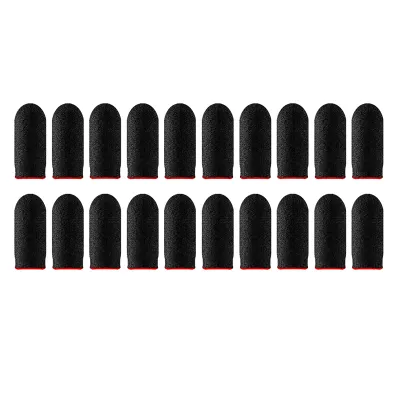
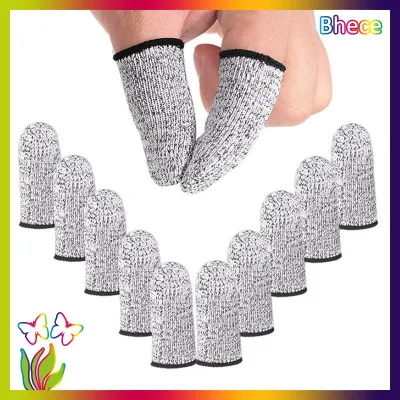
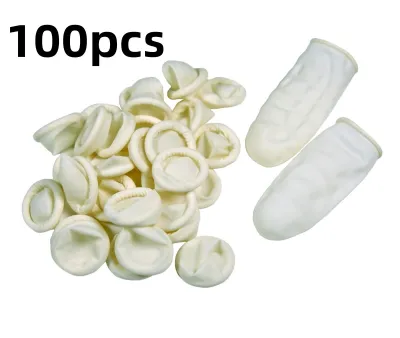
Prices are valid at publication and may change. Please refer to the product page for the latest price.
To choose the right fingers protection, you must first identify the primary direction of the force you need to resist. For instance, axial loading occurs when a ball strikes the tip of an extended finger head-on, pushing the bones directly back into the hand. This is the classic mechanism behind jammed fingers, requiring gear that absorbs shock or prevents the joint from collapsing under sudden pressure.
Lateral stresses, on the other hand, occur when a force strikes the side of the finger, threatening to tear or stretch the collateral ligaments. Sports that involve rapid directional changes, ball handling, and physical contact with other players frequently expose your hands to these sideways forces. Protection here must focus on stabilization and preventing sideways movement without locking up the joint entirely.
Finally, friction and compression dominate activities where you must hold onto heavy objects. Here, the danger is not a sudden impact bending a joint backward, but rather the constant grinding of rough metal surfaces against your skin and the pinching of soft tissues under heavy loads. Understanding these mechanical differences is the first step toward selecting a guard that actually prevents injury rather than getting in your way.
Volleyball: Cushioning Against Axial Impacts and Jams
Volleyball players are highly susceptible to axial impacts, particularly when blocking at the net or setting a fast-moving ball. When a spiked ball hits the tip of an outstretched finger, the force travels straight down the bone shaft, which can easily cause painful joint hyperextension or deep bruising. Effective protection in this scenario must act as a shock absorber, dampening the initial impact before it reaches your joints.

Padded compression sleeves made from materials like neoprene or high-density foam are excellent choices for volleyball players. These sleeves slide over individual fingers to provide a snug layer of cushioning that disperses the energy of a direct ball strike. Neoprene is highly favored because it retains its elasticity over time, resists moisture, and provides light compression that helps manage minor swelling during long training sessions.
For players who prefer a minimalist approach or need customized support, buddy taping is a highly effective, time-tested alternative. By taping an injured or vulnerable finger to an adjacent, healthy finger, you create a natural splint that shares the physical load. This technique allows you to maintain lateral stability while still permitting the finger to bend forward, which is crucial for maintaining control during sets and passes.
When selecting commercial volleyball sleeves, maintaining tactile feedback and ball feel is paramount. Overly bulky, rigid, or thick plastic braces should be avoided because they prevent your fingertips from sensing the ball’s texture and spin. Look for streamlined sleeves that offer targeted padding on the knuckles while leaving the inner pads of your fingertips exposed or covered only by thin, high-grip fabric.
Before purchasing, check the manufacturer’s product label to verify that the sleeve is designed specifically for high-impact court sports. Some sleeves feature integrated silicone grip strips on the interior to prevent the guard from slipping off when your hands sweat. Ensuring a secure fit is vital, as a loose sleeve will slide around during a block, reducing its protective capabilities and distracting you from the game.
Basketball: Stabilizing Joints Without Losing Shot Feel
In basketball, finger injuries often stem from rapid passes, rebounding struggles, or accidental contact with another player’s body or jersey. These situations frequently subject the fingers to lateral hyperextension, where the joint is forced sideways or bent too far backward. Basketball fingers protection must therefore prioritize joint stabilization and preventing hyperextension while preserving your hand’s natural shooting and dribbling mechanics.
If you are recovering from a recent sprain or joint strain, semi-rigid splints or hard plastic finger guards may be necessary to restrict movement. These devices physically block the joint from bending past a safe angle, allowing the ligaments to heal without risk of re-injury. However, because they strictly limit flexibility, semi-rigid options are generally reserved for rehabilitation or non-shooting hands, as they can significantly alter your shot release and ball control.
For active gameplay and preventative support, flexible compression sleeves or elastic finger wraps are the preferred choice. These lightweight wraps provide mild compression that enhances proprioception—your brain’s awareness of your joint’s position in space. This increased sensory feedback helps you naturally maintain better hand alignment during high-speed plays, reducing the likelihood of awkward catches and accidental jams.
Choosing between a rigid splint and a flexible sleeve involves a direct trade-off between joint restriction and shooting flexibility. If your primary goal is to prevent a recurrence of a previous injury, a dual-finger sleeve or a low-profile hinged brace can offer a middle ground, stabilizing the joint against lateral twisting while still allowing the finger to bend smoothly. If you are playing through mild discomfort, a light elastic wrap offers the freedom of movement required for precise ball handling.
Always inspect the material composition of basketball finger wraps to ensure they offer adequate breathability and stretch. In Singapore’s humid indoor and outdoor courts, sweat can quickly cause elastic wraps to lose their tension and slip. Opt for high-quality woven fabrics that combine nylon and spandex, which retain their compressive properties even when wet and dry quickly between quarters.
Weightlifting: Managing Friction, Calluses, and Grip
Unlike court sports, weightlifting rarely requires rigid joint bracing unless you are managing a pre-existing medical condition. Instead, finger protection in strength training focuses almost entirely on skin preservation, callus prevention, and grip enhancement. The heavy knurling on Olympic barbells and dumbbells is designed to prevent the bar from slipping, but it can easily tear skin, pinch tissues, and cause painful blisters during high-repetition pulling movements.
For heavy pulling exercises like deadlifts, cleans, and snatches, leather finger guards or specialized lifting grips are highly effective. These tools place a durable barrier between your skin and the steel bar, absorbing the abrasive friction that causes calluses to rip. Leather is particularly popular among lifters because it molds to the shape of your fingers over time, providing a custom fit that does not compromise your hold on the bar.
Athletic tape is another incredibly versatile tool for weightlifters, especially those who utilize the hook grip. In a hook grip, the thumb is wrapped around the bar and trapped beneath the index and middle fingers, creating immense pressure and friction on the thumb joint. Wrapping the thumbs and fingers with flexible, heavy-duty athletic tape protects the skin from being pinched and torn without adding excessive bulk that would make the bar feel too thick.
When choosing tape or wraps for weightlifting, check the product details for adhesive strength and tear resistance. The tape must be sticky enough to withstand heavy sweat and friction without peeling off mid-lift, yet flexible enough to allow your joints to wrap fully around the barbell. Avoid stiff, non-elastic medical tapes, as they can restrict blood flow and prevent you from securing a proper, safe grip on the bar.
It is important to remember that while grip aids and finger protectors are highly useful, they should never be used to compensate for poor lifting technique. Correct hand placement on the barbell is the foundation of both safety and performance. Always consult the manufacturer’s instructions for any lifting straps or grips you use, and ensure they are rated for the loads you intend to lift to avoid sudden equipment failure.
Cross-Sport Compatibility: Can One Guard Do It All?
It is highly tempting to look for a single, universal finger guard that you can throw into your gym bag for every activity, but true cross-sport compatibility is exceptionally rare. The structural demands of court sports and weightlifting are fundamentally opposed. A rigid or heavily padded sleeve designed to absorb a volleyball impact will completely ruin your grip on a barbell, making heavy lifts dangerous and unstable.
Conversely, a thin leather wrap or a layer of sticky lifting tape offers zero structural support against a high-speed basketball impact or an axial volleyball jam. Using the wrong gear not only hinders your athletic performance but can also increase your risk of injury by giving you a false sense of security. For example, wearing a soft compression sleeve during a basketball game will not prevent a lateral sprain if a ball strikes your finger sideways.
Instead of searching for a one-size-fits-all solution, athletes who participate in multiple sports should build a targeted protective kit. Your kit might include a set of padded neoprene sleeves for volleyball, low-profile elastic wraps for basketball, and a roll of high-quality, tear-resistant athletic tape for weightlifting. This modular approach ensures you always have the exact tool required for the specific physical demands of your workout.
If you must choose a single, versatile item to keep in your bag, a roll of premium athletic tape is the closest thing to a universal tool. When applied using correct, sport-specific taping patterns, tape can be adapted to provide joint stabilization, buddy support, or skin protection. However, tape requires proper application technique to be effective, and improper wrapping can easily restrict circulation or fail to provide adequate structural support.
Sizing, Maintenance, and When to Seek Medical Help
To ensure your fingers protection performs as intended, obtaining an accurate fit is critical. A guard that is too tight can restrict blood circulation, leading to numbness and cold fingertips, while a guard that is too loose will slip out of place and fail to protect the joint. To find your size, use a flexible measuring tape to measure the circumference of your finger at the widest point, which is typically the middle knuckle, and compare it to the manufacturer’s sizing chart.
Proper maintenance is also essential, especially in Singapore’s hot and humid environment where sweat and bacteria accumulate rapidly. Fabric sleeves and wraps should be washed regularly according to the manufacturer’s care instructions, typically using mild soap and cold water, followed by air drying. Keeping your gear clean prevents skin irritation, fungal infections, and the breakdown of elastic fibers, extending the lifespan of your protective equipment.
While over-the-counter finger guards are excellent for managing minor discomfort and preventing abrasions, they cannot replace professional medical care. You must know when to stop playing and seek immediate assistance from a qualified medical professional. If you experience severe pain, visible joint deformity, numbness, tingling, or a cold sensation in your fingertips, remove any wraps or guards immediately and consult a doctor.
Before using any new protective gear, always read the applied product’s label and follow the manufacturer’s instructions carefully. If you are recovering from a known injury, consult a healthcare provider or physical therapist to ensure the brace or wrap you select is appropriate for your specific stage of recovery. Never use a finger guard to mask severe pain or force an injured joint to perform beyond its safe physical limits.
Community discussion
Share your experience or ask a question. Comments are reviewed before publication.