
Selecting the right finger tape is not a one-size-fits-all decision; the ideal tape depends entirely on the mechanical demands, friction levels, and movement patterns of your specific sport. Climbers require thin, rigid, highly adhesive tape that supports delicate finger pulleys without slipping on rock or plastic holds. Weightlifters need durable, high-tensile tape that can withstand heavy barbell knurling, sweat, and chalk while protecting the thumb during hook grips. Ball sports athletes, such as volleyball and basketball players, require tape that offers joint stabilization and impact protection, often utilizing flexible or rigid options to prevent hyperextension while maintaining enough dexterity to handle the ball. By understanding how different materials, adhesives, and widths interact with your skin and equipment, you can select a tape that enhances your performance and protects your hands.
Quick Guide: Matching Finger Tape to Your Sport
To choose the correct finger tape, you must first identify the primary physical challenge your hands face during activity. In climbing, the main objective is friction management and structural support for the finger pulleys, which requires thin, non-stretch cotton tape. Weightlifting demands joint stabilization and skin protection against aggressive barbell knurling, making thick, high-tensile, or slightly elastic cohesive tapes highly effective. Ball sports focus on impact defense and preventing joint hyperextension, which typically calls for rigid athletic tape applied in supportive patterns.
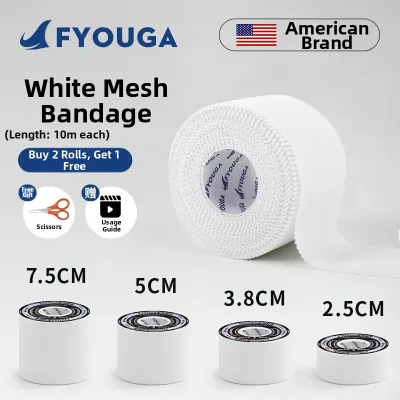
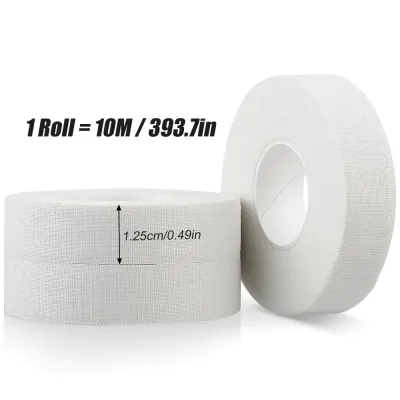
The physical dimensions of the tape play a critical role in its usability. Climbers generally prefer narrow widths, such as 1.25 centimeters, which fit perfectly between finger joints without restricting movement. Weightlifters and ball sports athletes often opt for wider rolls, such as 2.5 to 3.8 centimeters, which can be torn down to size or used fully to cover larger joint areas like the thumb or wrist.
Products mentioned in this guide
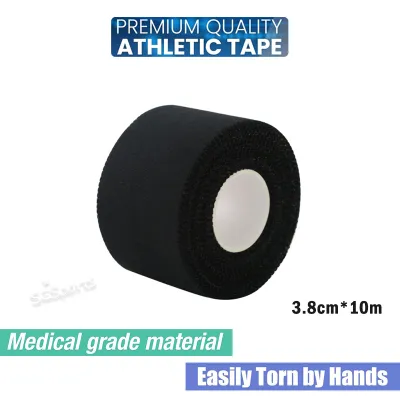
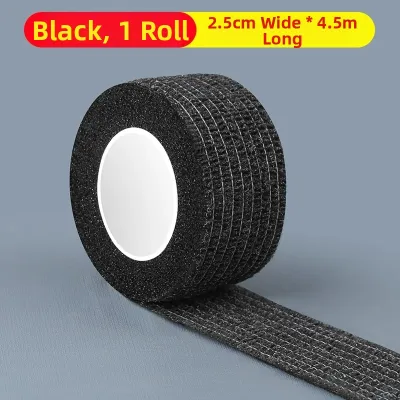
Prices are valid at publication and may change. Please refer to the product page for the latest price.
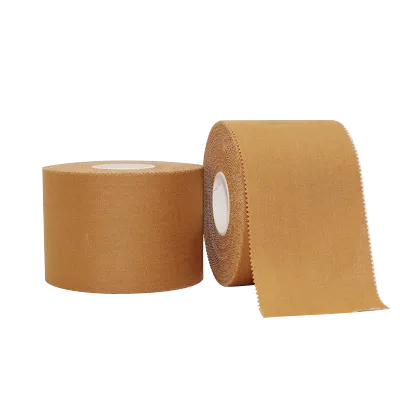
Choosing between rigid and stretchable tape depends on the required range of motion. Rigid tape, often treated with zinc oxide adhesive, is designed to restrict joint movement and provide maximum structural support. Stretchable or elastic tape allows for dynamic movement, making it ideal for activities where you must maintain a natural grip feel, such as wrapping the thumb for a weightlifting hook grip or ensuring finger flexion while passing a basketball.
How to Read Finger Tape Labels and Materials
Understanding the technical specifications on finger tape packaging allows you to evaluate its performance before making a purchase. The backing material is the foundation of the tape and determines its strength, flexibility, and breathability. Pure cotton is the most common backing material, valued for its natural breathability, ease of tearing, and comfortable feel against the skin. Synthetic blends, such as polyester or nylon, offer higher tensile strength and water resistance, which is highly beneficial in humid environments, though they can be more difficult to tear by hand. Rigid zinc oxide tape refers to a heavy-duty cotton backing impregnated with zinc oxide, offering exceptional stiffness and structural support for joint immobilization.

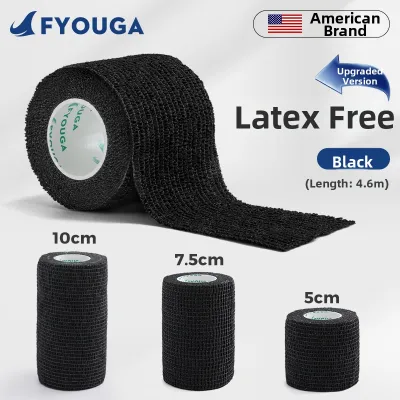
The adhesive formulation determines how well the tape stays in place under stress. Acrylic adhesives are synthetic, highly stable, and less likely to leave a sticky residue on your skin or equipment, making them a popular choice for general athletic use. Natural rubber adhesives offer incredibly strong initial tack and shear strength, which is excellent for high-friction activities, but they may degrade faster when exposed to sweat or chalk. When reviewing packaging, look for hypoallergenic indicators if you have sensitive skin. Latex-free labels are crucial for individuals with latex allergies, as many traditional rubber-based adhesives contain natural latex proteins that can cause severe skin irritation, redness, or blistering during prolonged use.
Tensile strength and stretch percentage are critical metrics to match to your sport’s demands. High tensile strength indicates that the tape can withstand significant pulling forces without snapping, which is essential for weightlifting and joint stabilization. The stretch percentage, often labeled as elasticity or elongation, indicates how much the tape can expand under tension. A zero-percent stretch rating denotes completely rigid tape, ideal for restricting movement, while a high stretch rating indicates a highly flexible tape that conforms to dynamic joint movements without constricting blood flow.
Finger Tape for Climbing: Pulley Protection and Hold Sensitivity
Climbing is a high-stress activity for the delicate tendons and ligaments of the hand. It is vital to recognize that finger tape is a supportive aid and cannot replace proper climbing technique, progressive strength training, or thorough warm-ups. If you experience a sudden pop, sharp pain, or persistent swelling in your fingers, you must stop climbing immediately and consult a medical professional. Tape should never be used to mask pain or force an injured finger to perform beyond its current physical capacity.
For climbers, maintaining tactile sensitivity on rock or plastic holds is just as important as protecting the skin. To achieve this balance, select a thin, low-profile cotton tape with a width of 1.25 centimeters or less. This narrow profile allows you to wrap the tape precisely between the interphalangeal joints, supporting the A2 and A4 pulleys without adding excessive bulk that would push your fingertips away from small crimps. The tape must be thin enough to allow your skin to deform slightly under load, preserving your sensory feedback and grip security.
Adhesive performance is a major consideration for climbers, who must balance staying power with cleanliness. The tape must feature a high-tack adhesive that resists rolling up at the edges when subjected to intense shear forces on rough sandstone, granite, or textured plastic holds. However, the adhesive should not be so aggressive that it leaves a sticky, gummy residue on climbing holds, which ruins the friction for other climbers, or on your own hands, which attracts dirt and chalk. Look for specialized climbing tapes that specify no-residue or clean removal formulations.
The taping strategy also differs significantly based on the style of climbing. For crack climbing, where you jam your hands into rock fissures, the primary goal is skin protection. Climbers typically construct a tape glove using wider, rigid tape to cover the back of the hand and the base of the fingers, shielding the skin from abrasive rock. In contrast, sport climbing and bouldering focus on pulley support. This requires precise, targeted wraps, such as the H-tape or X-tape method, which run along the underside of the finger to reinforce the tendon sheath without restricting the joint’s ability to flex and grip holds.
Finger Tape for Weightlifting: Joint Support and Barbell Grip
In weightlifting, powerlifting, and functional fitness, your hands serve as the direct link to heavy iron. The hook grip—where the thumb is wrapped around the barbell and locked down by the index and middle fingers—is highly effective for securing heavy pulls, but it subjects the thumb to immense friction and pressure. To protect your thumbs from painful friction burns, blisters, and callus tears, apply a flexible, self-cohesive or elastic athletic tape. This tape should be wrapped around the thumb joint, starting from the base and moving toward the nail, ensuring you do not wrap it so tightly that it restricts blood flow or prevents the thumb from bending around the bar.
For weightlifters, the choice of tape often depends on the lifting style, hand size, and the training environment. In humid climates like Singapore, sweat can quickly compromise adhesive backing, making water-resistant or self-cohesive tapes highly preferable for athletes training in non-air-conditioned gyms. When performing heavy lifts like deadlifts, cleans, or snatches, the finger joints are subjected to extreme extension forces. Selecting a tape with high tensile strength is essential to help restrict excessive joint extension and provide a stable structural wrap. For these applications, a rigid cotton tape or a heavy-duty synthetic blend is preferred. The tape acts as an external ligament, absorbing a portion of the mechanical load and reducing the strain on the small joints of the fingers during explosive pulling movements.
One of the greatest challenges for weightlifters is managing the interaction between sweat, lifting chalk, and tape adhesive. Standard adhesives often lose their grip and slide off the skin when exposed to moisture and magnesium carbonate chalk. To prevent this, thoroughly clean your hands of all chalk and sweat before applying the tape. Opt for tapes specifically designed for weightlifting, which often feature water-resistant adhesives or cohesive properties where the tape sticks only to itself, not to the skin, ensuring the wrap remains secure even during high-intensity, high-sweat workouts.
Finger Tape for Ball Sports: Impact Defense and Buddy Taping
Athletes in ball sports like volleyball, basketball, netball, and rugby frequently subject their fingers to high-velocity impacts, catching forces, and collisions. These actions can easily lead to sprains, dislocations, or hyperextension injuries. One of the most common and effective field-use techniques for protecting a vulnerable finger is buddy taping. This method involves taping an injured or weak finger to an adjacent, healthy finger, using the stable digit as a natural splint. To perform buddy taping correctly, use a rigid, non-stretch tape of about 1.25 to 2.5 centimeters in width. Place a small piece of foam or gauze between the fingers to prevent skin-on-skin friction and moisture buildup, then wrap the tape securely above and below the joint, leaving the joint itself free to bend.
To prevent backward bending or hyperextension of the fingers upon impact with a fast-moving ball, rigid tape is highly recommended. By applying a cross or check-rein taping pattern on the palm side of the finger joint, you create a mechanical stop that physically limits the joint’s ability to extend past a straight line. This rigid support is crucial for goalkeeper gloves, volleyball blocking, or basketball rebounding, where the fingers are highly exposed to sudden, forceful backward bending.
While joint protection is paramount, the tape must still allow enough flexion for you to perform essential game skills. If a basketball player cannot flex their fingers, they will struggle to shoot, pass, or dribble effectively. To achieve the perfect balance between protection and performance, apply the tape while your finger is in a slightly flexed, relaxed position. This ensures that when you grip or handle the ball, the tape does not bind or pinch, allowing for a natural release and touch while still providing a solid barrier against hyperextension.
Safe Application, Removal, and Skin Care
Proper skin care and application techniques are essential to maximize the effectiveness of finger tape and prevent painful skin damage. Before applying any tape, ensure your hands are thoroughly washed with soap and water to remove dirt, natural oils, sweat, and chalk. Dry your skin completely, as moisture is the primary cause of premature adhesive failure. Carefully inspect your fingers for any open cuts, blisters, or abrasions. If you have an open wound, apply a sterile, non-stick dressing or antiseptic ointment over the area before wrapping it with tape; never apply adhesive tape directly onto broken skin, as this can delay healing and cause severe pain during removal.
While tape should be snug enough to provide support, it must never compromise your circulation. Pay close attention to your fingertips after applying the tape. Signs of restricted circulation include numbness, a tingling sensation, cold fingertips, or a pale, blue, or purple discoloration of the skin or nail beds. If you experience any of these symptoms, or if your finger feels throbbing or painful, you must remove or loosen the tape immediately. Prolonged restriction of blood flow can lead to tissue damage and nerve irritation.
Removing finger tape safely is just as important as applying it correctly. Avoid ripping the tape off quickly, as this can tear the top layers of your skin, pull out fine hairs, and worsen existing blisters. Instead, slowly peel the tape back on itself, supporting the skin with your other hand as you pull. If the adhesive is exceptionally stubborn, soak the taped area in warm, soapy water or apply a small amount of baby oil, olive oil, or a specialized adhesive remover to break down the bond. Once the tape is removed, wash your hands thoroughly to eliminate any remaining adhesive residue, and apply a moisturizing hand cream to restore the skin’s natural moisture barrier.
Pre-Purchase Checklist: What to Verify Before Buying
Before purchasing finger tape from an online marketplace or local sporting goods store, verify these essential product specifications to ensure you get the right tool for your needs:
- Width Options: Confirm the roll width matches your intended wrapping technique. Choose 1.25 centimeters for precise climbing wraps, 2.5 centimeters for general joint support and buddy taping, or 3.8 centimeters if you plan to tear the tape down to custom sizes.
- Adhesive and Skin Sensitivity: If you have sensitive skin or a history of contact dermatitis, check the product description for latex-free and hypoallergenic certifications. Avoid natural rubber adhesives if you have known latex allergies.
- Material and Stretch: Verify whether the tape is rigid (zero-percent stretch) for maximum joint immobilization or elastic/cohesive (stretchable) for dynamic movement and hook grip protection.
- Roll Length and Core Size: Check the total length of the roll to evaluate its overall value. Ensure the core size and roll diameter are compact enough to fit easily into your chalk bag, gym bag, or personal first-aid kit without taking up excessive space.
Frequently Asked Questions (FAQ)
Can I use standard athletic tape instead of specialized finger tape?
While standard athletic tape (typically 3.8 centimeters wide) uses similar materials, it is highly inconvenient for fingers. Tearing wide tape longitudinally into thin strips often results in frayed, uneven edges that unravel quickly during activity. Specialized finger tape is pre-cut to narrow widths (such as 1.25 centimeters), saving time and ensuring a clean, consistent wrap. Additionally, specialized finger tapes often feature stronger, low-residue adhesives formulated specifically to withstand the high friction and shear forces unique to finger movements.
How often should I replace my finger tape during a workout?
You should replace your finger tape as soon as you notice visual or tactile signs of failure, such as peeling edges, fraying, or a noticeable loss of tension and support. In high-sweat environments or during intense weightlifting and climbing sessions, sweat and chalk will naturally degrade the adhesive, causing the tape to slip. For hygiene reasons, always replace tape that has become saturated with sweat, dirt, or blood, as damp tape can harbor bacteria and soften the skin, making it more susceptible to painful tears and blisters.
Community discussion
Share your experience or ask a question. Comments are reviewed before publication.