
Choosing the right fitness gloves from top protective gear brands requires aligning your specific training style with a brand’s core design philosophy, material choices, and structural support. In Singapore’s warm, humid climate, factors like breathability, moisture-wicking backings, and washability are just as critical as palm grip and wrist stability. Rather than relying on generic brand popularity, evaluating technical specifications and construction quality ensures you select gear that protects your hands and enhances your training.
This guide provides a systematic framework to evaluate glove specifications, compare brand philosophies, verify fit, and assess long-term value so you can make an informed decision for your fitness routine.
Identifying Your Workout Style and Protection Needs
Before comparing brands, you must define your primary training activities, as different workouts place distinct demands on your hands. Heavy barbell training, high-repetition functional fitness, and general machine workouts each require a different balance of grip, flexibility, and joint support.
Products mentioned in this guide
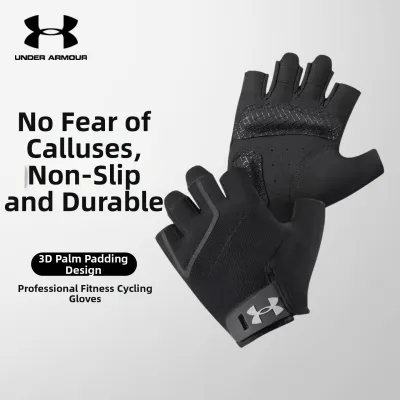
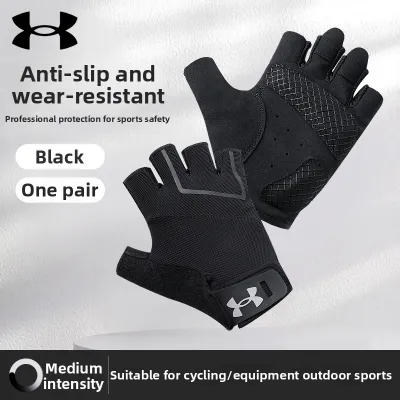
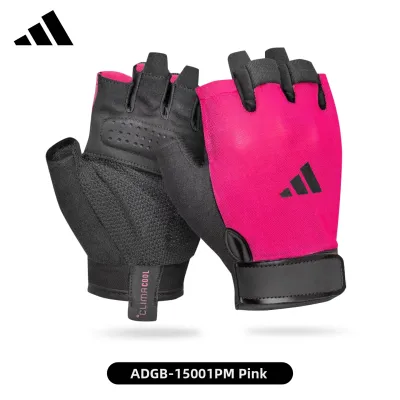
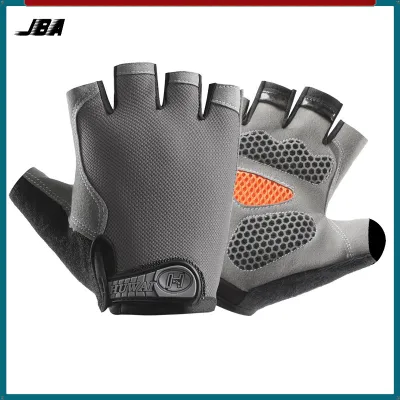
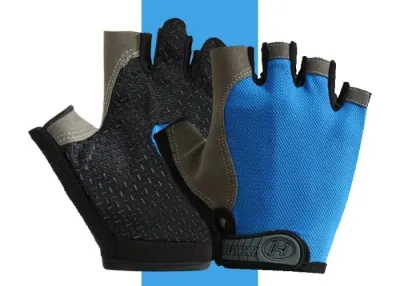
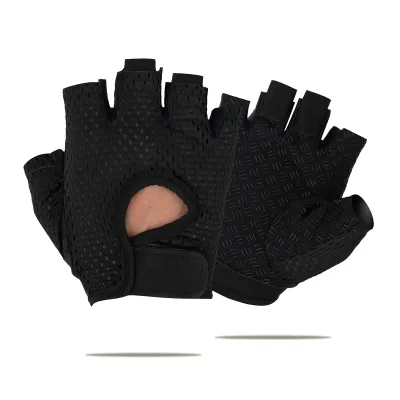
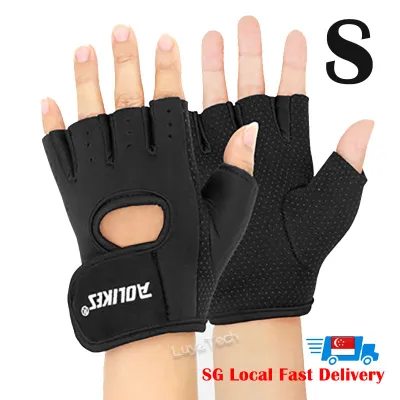
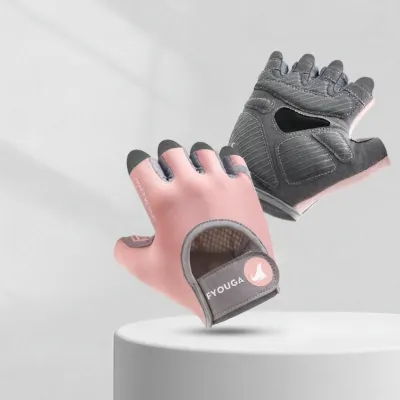
Prices are valid at publication and may change. Please refer to the product page for the latest price.
Heavy lifting, such as deadlifts, squats, and bench presses, subjects the hands to intense friction and high compressive loads. For these movements, your primary needs are skin protection against knurled steel and mechanical wrist stabilization to prevent hyperextension during pressing movements.
High-repetition functional fitness and circuit training demand high flexibility and rapid transition times. If your routine alternates quickly between kettlebell swings, pull-up bars, and floor exercises, you need lightweight gloves that protect against friction without restricting hand closure or finger mobility.
General gym and machine training focus primarily on basic comfort, hygiene, and mild callus prevention. If you primarily use selectorized machines, dumbbells, or cardio equipment, your priority is a versatile, easy-to-clean glove that provides moderate cushioning without excessive bulk.
Your training frequency and intensity establish the baseline durability requirements for your gear. While casual workouts twice a week place minimal stress on materials, daily high-intensity training requires heavy-duty construction. Keep in mind that protective gear is a supportive tool; it does not replace proper lifting technique or progressive grip strength development.
Core Dimensions for Comparing Fitness Glove Brands
To evaluate different protective gear brands objectively, you must look past marketing claims and analyze the technical specifications of their products. Focus on four core dimensions: palm materials, wrist support, breathability, and padding density.

Palm materials directly determine grip quality and durability. Natural leather offers exceptional durability and molds to the unique shape of your hand over time, but it requires specialized care and can stiffen if soaked in sweat. Synthetic leather and polyester blends are highly breathable, dry quickly in humid conditions, and are typically machine washable. Silicone prints applied over synthetic backings provide excellent surface grip on smooth metal bars, though they may wear down faster under heavy, repetitive friction.
Wrist support mechanisms range from simple elastic cuffs to integrated wrap-around straps. Integrated straps use wide, non-stretch materials to wrap tightly around the wrist joint, providing mechanical tension that limits joint movement during heavy lifts. Elastic cuffs offer quick slip-on convenience and mild compression, which is suitable for light-to-moderate training but insufficient for stabilizing heavy loads.
Breathability and back-of-hand construction are vital for thermal regulation, especially in tropical environments. Look for brands that incorporate open-back designs, mesh panels, or perforated synthetic fabrics. Proper ventilation prevents sweat from pooling inside the glove, which can cause your hand to slip internally and lead to painful friction blisters.
Padding thickness and density present a direct trade-off between hand protection and tactile feedback. Thick gel padding absorbs high pressure and cushions the palm during heavy pushing movements, but it reduces your “bar feel” and can make gripping thick barbells more difficult. Thin foam or unpadded reinforced layers maximize your tactile connection and control, making them the preferred choice for pulling movements and dynamic exercises.
Matching Brand Design Philosophies to Training Goals
Protective gear brands rarely design one-size-fits-all products; instead, they engineer their gloves around specific athletic profiles. Understanding a brand’s design philosophy allows you to match their engineering strengths to your primary movement patterns.
To identify a brand’s target athlete profile, look past promotional slogans and analyze the primary materials, stitching patterns, and structural reinforcements highlighted in their product descriptions. A brand emphasizing heavy-duty industrial stitching and thick leather is targeting static strength, while a brand highlighting lightweight, multi-directional stretch fabrics is focusing on dynamic agility.
Brands Focused on Heavy Lifting and Powerlifting
Brands catering to powerlifters and heavy strength athletes prioritize maximum joint stabilization and heavy-duty palm protection. Their designs focus on managing high vertical loads and preventing skin tearing under extreme friction.
Common design traits include wide, rigid wrist wraps made of heavy-duty cotton or nylon elastic, double-layered leather palms, and minimal or highly dense padding. Minimizing padding thickness in these gloves is intentional, as it keeps the barbell closer to the palm to maintain a secure grip and prevent the bar from rolling.
These heavy-duty designs come with clear trade-offs. The rigid materials significantly reduce hand and wrist flexibility, making them unsuitable for quick-change workouts or bodyweight exercises. Additionally, the thick leather and heavy elastic wraps retain heat and sweat, requiring diligent drying routines after every workout to prevent material degradation and odor.
Brands Focused on Functional Fitness and High-Rep Movements
Brands designing for functional fitness, cross-training, and high-intensity interval training focus on speed, flexibility, and grip endurance. Their products are engineered to withstand multi-directional friction against various surfaces.
These gloves typically feature minimalist palm padding to preserve natural hand closure, highly flexible synthetic backings, and reinforced finger pull-tabs or open-finger designs. The materials are selected for their ability to transition smoothly between gymnastics rings, pull-up bars, and barbells without bunching up.
Durability is a critical consideration for dynamic training, as high-friction movements put immense stress on seams. When evaluating these brands, look for double-stitched stress points, reinforced thumb crotches, and high-tensile synthetic threads that can withstand constant abrasion against knurled steel and wooden bars.
Brands Focused on General Gym and Machine Training
Brands targeting everyday gym-goers and moderate fitness enthusiasts focus on versatility, comfort, and ease of use. Their designs balance moderate protection with user-friendly features.
Typical features include moderate foam padding distributed evenly across pressure points, lightweight breathable mesh backings, and ergonomic pre-curved finger designs that reduce hand fatigue. These gloves are built to handle a wide variety of exercises without requiring specialized adjustments.
Convenience factors are highly prioritized in this category. Look for features like easy-off pull loops at the fingers, machine-washable fabrics that handle regular laundering, and simple hook-and-loop closures that do not require complex wrapping. These elements make the gloves practical for daily fitness routines.
Verifying Sizing, Fit, and Durability Before Purchase
To ensure your fitness gloves fit correctly and last through your training cycles, you must take active steps to verify sizing and construction quality before making a purchase.
Sizing is not universal across protective gear brands. To find your correct size, use a flexible measuring tape to measure the circumference of your dominant hand just below the knuckles, excluding the thumb. Map this measurement directly to each brand’s specific sizing chart, as a medium in one brand may correspond to a small or large in another.
A proper fitness glove must fit snugly without restricting blood flow or preventing you from making a tight fist. Excess material in the palm will bunch up during exercises, leading to severe blisters and reduced grip security. Conversely, a glove that is too tight will restrict movement and tear prematurely at the seams under tension.
When purchasing online, examine product images closely to inspect the seam construction. Look for double-stitching along high-stress areas, such as the base of the fingers and the thumb web, as well as reinforced overlays on the palm. Seamless or single-stitched areas in high-wear zones are common failure points.
Finally, verify the return and exchange policies of official brand stores or authorized retailers in Singapore. Because a proper fit is essential for safety and performance, ensure you can exchange the gloves if the fit is incorrect. Check if the manufacturer’s warranty covers premature seam splitting or material failure within the first few weeks of regular use.
Assessing Price and Value for Fitness Gloves
Evaluating whether a brand’s pricing aligns with the materials and features offered helps you avoid overpaying for aesthetic branding while ensuring you do not buy under-engineered gear.
Fitness gloves generally fall into three price tiers in the local market:
- Entry-Level (S$15 to S$30): Typically features basic synthetic materials, light foam padding, and simple elastic closures. These are suitable for casual gym-goers training once or twice a week.
- Mid-Range (S$30 to S$60): Offers reinforced synthetic or genuine leather palms, integrated wrist wraps, and specialized grip patterns. This tier represents the best balance of durability and performance for regular, moderate-to-heavy training.
- Premium (S$60 to S$100+): Utilizes high-grade genuine leather, advanced gel padding, and proprietary moisture-wicking fabrics designed for daily, high-intensity athletic use.
Be aware of diminishing returns when moving into the premium price tier. Paying a premium for complex strap systems or designer branding may not yield better protection or durability than a well-constructed mid-range glove with solid double-stitching and high-quality synthetic leather.
To determine true value, factor in your expected replacement frequency. A cheaper, entry-level glove that requires replacement every three months due to seam failure is more expensive over a year than a durable mid-range pair that lasts twelve months or more under heavy training. Choose the tier that matches your actual training intensity to optimize your cost per use.
Frequently Asked Questions (FAQ)
Do I need wrist wraps if my fitness gloves already have wrist support?
Integrated glove straps provide moderate stability suitable for general pressing movements and moderate weights. However, if you are performing maximal lifts, such as near-limit bench presses or overhead presses, the structural support of dedicated, heavy-duty wrist wraps is far superior. You should transition to separate, specialized wrist wraps when the load requires joint immobilization that a flexible fitness glove cannot provide.
How often should I replace my fitness gloves?
You should replace your fitness gloves when you observe physical indicators of failure, such as torn seams, peeling grip surfaces, or compressed padding that no longer cushions your palms. From a hygiene perspective, if the gloves retain a persistent odor despite regular washing, or if the synthetic materials begin to stiffen and crack from sweat salt accumulation, it is time to invest in a new pair to maintain grip safety and skin health.
Community discussion
Share your experience or ask a question. Comments are reviewed before publication.