
Selecting the right gauze repair tape for sports injury support in Singapore depends entirely on the specific injury type, the level of joint immobilization required, and how well the material handles the local tropical humidity. Because the term “gauze repair tape” can refer to cohesive wraps, adhesive gauze, or rigid athletic tapes, choosing the correct product requires matching the tape’s mechanical properties—such as stretch, tensile strength, and adhesive type—to your physical recovery needs.
Active individuals navigating sports like running, football, or badminton often face the challenge of choosing the right support gear. Using the wrong tape format can lead to skin irritation, inadequate joint stabilization, or restricted circulation. By understanding the physical characteristics of each tape type, you can make an informed decision that supports your recovery and keeps you safe during physical activity.
Quick Guide to Selecting Sports Injury Tape
In sports medicine and athletic training, the term “gauze repair tape” is often used colloquially to describe several distinct products. These include self-adhering cohesive wraps that stick only to themselves, adhesive-backed gauze used to secure wound dressings, and rigid zinc oxide tapes designed to lock joints in place. Understanding these distinctions prevents purchasing errors that could compromise joint stability or skin health.
Products mentioned in this guide
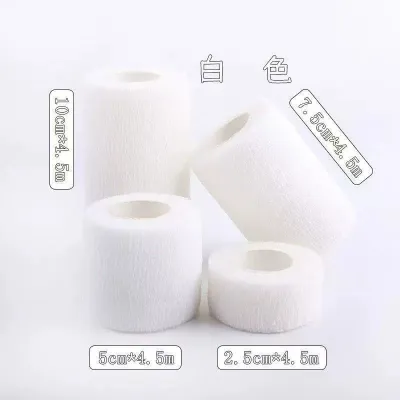
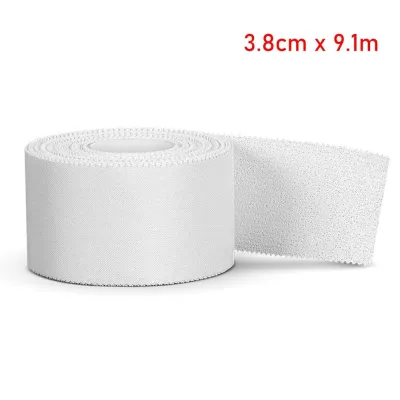
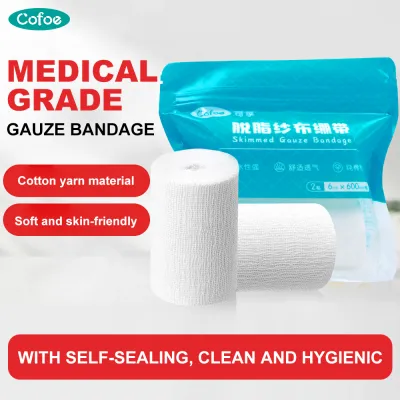
Prices are valid at publication and may change. Please refer to the product page for the latest price.
To choose the correct format, identify your primary therapeutic goal. If you need to immobilize a joint like an ankle or wrist to prevent ligament strain, look for rigid, non-stretch adhesive tapes. For swelling control and flexible muscle compression, a cohesive wrap is the appropriate choice. If you are securing a sterile pad over a road rash or blister, a highly breathable, adhesive-backed stretch gauze is required.
Before applying any tape, assess the severity of the injury. Minor strains, mild swelling, and superficial abrasions are suitable for self-taping and compression. However, if you experience severe pain, immediate and intense swelling, joint instability, or an inability to bear weight, you must seek professional medical evaluation rather than relying on tape. Equipment and taping techniques cannot replace professional medical diagnosis and treatment.
Understanding Tape Types for Sports Support
Cohesive wraps are made from woven fibers, often blended with elastic threads, and treated with a cohesive substance that allows the material to cling to itself without sticking to skin, hair, or clothing. This makes them exceptionally comfortable for hairy limbs and highly useful for light compression. They do not leave sticky residues, making them a popular choice for quick field wraps during active sports.

Adhesive gauze and zinc oxide tapes feature a strong woven backing coated with a high-tack adhesive. They are designed for maximum tensile strength and zero stretch, allowing them to mechanically restrict joint movement. This rigidity is essential for protecting compromised ligaments during high-impact activities, though the strong adhesive requires careful skin preparation to avoid irritation.
Often confused with rigid tapes, elastic adhesive bandages (EAB) combine high-strength cotton or synthetic backings with elastic fibers and a heavy-duty adhesive. They offer a middle ground, providing strong physical support while allowing a controlled degree of joint or muscle expansion. When browsing local retail shelves or online marketplaces, check the product description to verify whether the tape is classified as rigid (non-stretch) or elastic (stretchable) to ensure it matches your support strategy.
Key Features to Evaluate on Product Labels
When evaluating tape packaging, look closely at the adhesive specifications. Hypoallergenic and latex-free labels are critical, especially if you have sensitive skin or plan to wear the tape for extended periods. Acrylic-based adhesives are generally gentler on the skin than traditional rubber-based adhesives, reducing the risk of contact dermatitis and painful removal.
Singapore’s hot, humid climate and the heavy sweating associated with outdoor sports demand excellent moisture management. Look for tapes labeled as porous, micro-perforated, or highly breathable. These features allow sweat to evaporate from beneath the tape, preventing skin maceration—a condition where trapped moisture softens and weakens the skin, leading to tears and infections.
The physical performance of the tape is determined by its material composition and weave. High tensile strength ensures the tape will not snap under sudden physical loads, such as when landing from a jump. Check the manufacturer’s specifications for the stretch percentage; rigid tapes should have near-zero stretch, while dynamic support tapes may offer stretch capacities ranging from 30% to over 100% of their original length.
Matching Tape Properties to Specific Injuries
For acute joint sprains, the primary objective is to limit abnormal joint movement while allowing functional mobility. High-tensile, low-stretch rigid tapes are the standard choice here. By wrapping the ankle or wrist in a structured pattern, the tape acts as an external ligament, absorbing mechanical stress and preventing the joint from rolling or hyperextending during play.
When dealing with a pulled hamstring, calf strain, or localized swelling, rigid immobilization can actually hinder recovery by restricting blood flow. Instead, opt for cohesive wraps or elastic adhesive bandages. These materials provide dynamic compression, which helps contain swelling, supports the muscle fibers during contraction, and promotes lymphatic drainage without compromising deep circulation.
For superficial skin injuries, the priority shifts from structural support to barrier protection. Use a non-adherent sterile pad over the wound, and secure it with a gentle, highly conformable adhesive gauze tape. Avoid applying high-tension athletic tapes directly over blisters or broken skin, as the aggressive adhesive can tear the healing epidermal layer during removal, delaying recovery.
Safe Application and Usage Boundaries
Proper application begins with clean, dry, and oil-free skin. Wash the area with mild soap and water, and ensure it is completely dry before applying any adhesive tape. If you have thick body hair or highly sensitive skin, consider applying a thin layer of hypoallergenic foam underwrap first; this protects the skin from direct adhesive contact while maintaining a secure fit.
When applying cohesive wraps or elastic bandages, it is easy to apply too much tension, creating a tourniquet effect. Always apply the tape with the muscle or joint in a neutral, slightly flexed position. Unroll the tape first to release its factory tension, then lay it onto the skin with moderate, even pressure, ensuring there are no wrinkles or tight bands that could pinch the tissue.
Monitoring your body’s response to taping is crucial for preventing secondary injuries. If you experience numbness, a tingling “pins and needles” sensation, coldness in the extremities, or a bluish discoloration of the skin, the tape is too tight. Immediately cut or peel the tape off to restore circulation. If pain persists, worsens, or is accompanied by joint deformity, consult a qualified physiotherapist or medical doctor immediately.
Frequently Asked Questions (FAQ)
How long can I leave sports tape on my skin?
Most manufacturers recommend removing adhesive sports tapes within 24 to 48 hours to prevent skin irritation and adhesive buildup. For cohesive wraps, which do not adhere directly to the skin, wear time can be adjusted based on comfort, but they should still be removed daily to inspect the skin. If you experience itching, burning, or redness under the tape, remove it immediately. Additionally, always replace any tape that has become wet from heavy sweating, swimming, or showering, as trapped moisture can quickly lead to skin maceration and bacterial growth.
Can I reuse cohesive gauze bandages after washing them?
While some cohesive bandages are marketed as hand-washable, their self-adhering properties and elasticity generally degrade after exposure to water, sweat, and detergents. Washing can strip the cohesive coating, leaving the wrap unable to cling securely during high-intensity sports. For optimal support and hygiene, treat cohesive wraps as single-use or limited-use items. This is especially critical if the wrap has been used over open wounds, weeping skin, or high-friction areas, where sweat and bacteria can accumulate and pose an infection risk.
What is the difference between gauze tape and kinesiology tape?
Traditional gauze and rigid athletic tapes are designed to restrict movement, secure dressings, and provide mechanical joint stabilization through high tensile strength and low stretch. In contrast, kinesiology tape is highly elastic, typically made of cotton with an acrylic adhesive, and designed to mimic the elasticity of human skin. Kinesiology tape is applied with varying degrees of stretch to gently lift the skin, promoting local blood flow and lymphatic drainage, rather than physically locking a joint in place. Choose rigid gauze or cohesive wraps for structural support, and kinesiology tape for neuromuscular feedback and swelling management.
Community discussion
Share your experience or ask a question. Comments are reviewed before publication.