
Finding high-quality, value-driven gym gloves in Singapore requires looking beyond brand names to evaluate material durability, stitching, and design suitability for our humid climate. Instead of searching for a single “best” brand, local fitness enthusiasts should assess how specific glove features match their training style and withstand intense, sweat-heavy workouts. The right pair of gloves acts as a protective barrier, reducing friction and calluses while enhancing grip stability during demanding lifts.
To secure the best value, you must balance the initial purchase price against the expected lifespan of the materials. A cheap, poorly constructed glove may require replacement within weeks, whereas a well-engineered pair can endure months of heavy use. By understanding the key indicators of quality construction and matching them to your specific workout routine, you can make an informed investment that supports your fitness goals.
Core Criteria for Evaluating Gym Glove Quality and Value
Evaluating the material composition is the first step in determining a gym glove’s long-term value. Genuine leather is highly regarded for its exceptional durability and natural ability to conform to the shape of your hand over time. However, leather requires a break-in period and tends to retain moisture and odors, which can be a significant drawback in Singapore’s humid environment.
Products mentioned in this guide
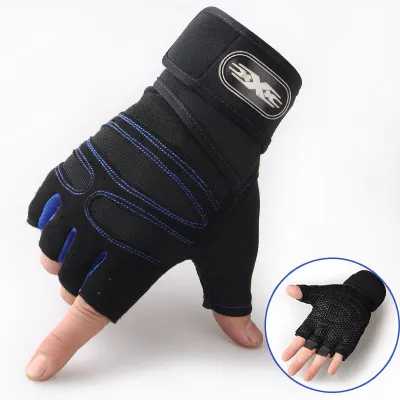
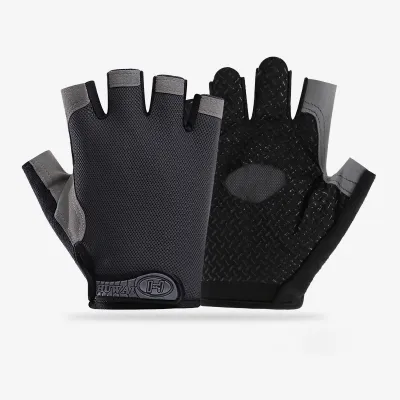
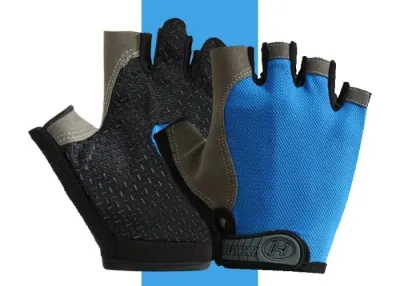
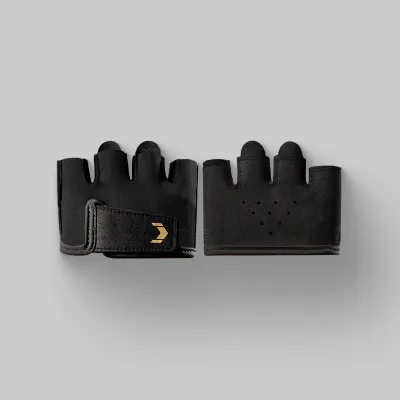
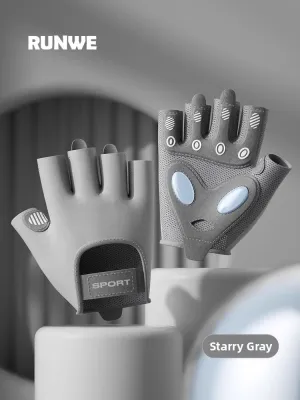
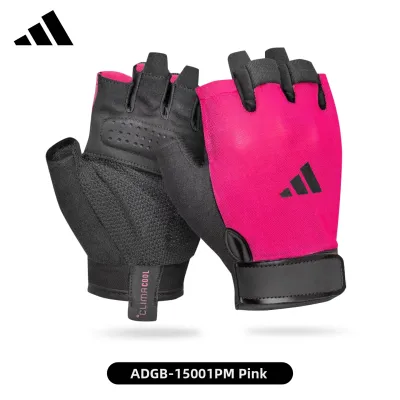
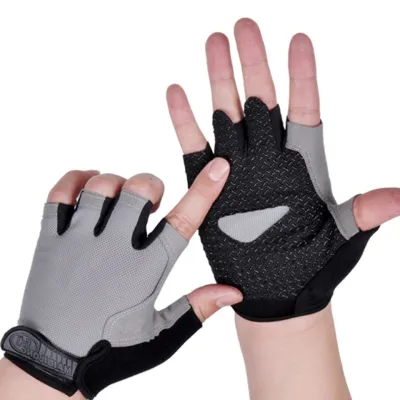
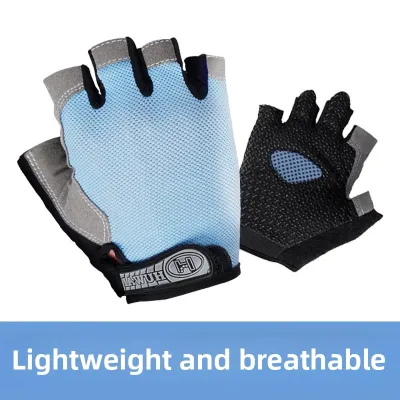
Prices are valid at publication and may change. Please refer to the product page for the latest price.
Synthetic blends, such as polyester, nylon, and neoprene, offer a compelling alternative for local gym-goers. These materials are generally lighter, more breathable, and dry much faster than genuine leather, making them highly suitable for high-intensity workouts where sweat accumulation is inevitable. While synthetics may not match the absolute lifespan of premium leather, high-grade synthetic microfibers can offer comparable abrasion resistance with superior moisture-wicking properties.
Padding thickness and density must be carefully balanced against your need for tactile feedback, often referred to as “bar feel.” Thick gel padding provides excellent cushioning and pressure distribution, which is ideal for protecting the palms during heavy pushing movements. However, excessively thick padding can compromise your grip security on pulling exercises by increasing the effective diameter of the barbell or dumbbell.
Strategic placement of the padding is far more critical than overall thickness. High-quality gloves feature targeted padding along the metacarpal heads—the high-friction areas at the base of the fingers—while leaving the crease of the hand relatively clear to allow for natural flexion. This targeted design ensures protection where it is needed most without restricting your hand’s natural gripping mechanics.
Stitching quality serves as the primary structural foundation of any gym glove. Look for double-stitched seams and the use of heavy-duty nylon threads, particularly in high-stress areas such as the finger gussets and the thumb crotch. Seamless or reinforced construction in these zones prevents the fabric from splitting under the tension of a heavy grip.
To calculate the true value of a pair of gloves, compare the initial retail price in Singapore dollars (S$) against the expected degradation rate of the materials. A budget-friendly pair costing S$15 might seem attractive initially, but if the seams unravel within two months of regular use, the recurring cost quickly adds up. Investing S$40 to S$60 in a pair with reinforced stitching and premium materials often yields a lower cost-per-use over a year or more.
Matching Glove Designs to Your Specific Training Style
Selecting the right glove design requires a clear understanding of your primary training modality, as different exercises place unique demands on your hands. For heavy lifting and powerlifting, the priority shifts toward maximizing bar contact and stabilizing the wrist joint. Heavy compound movements like deadlifts and overhead presses benefit from gloves that feature minimal palm padding combined with integrated, adjustable wrist wraps.

Minimal padding in powerlifting-focused gloves ensures that force transfer between your hands and the bar remains direct and efficient. The integrated wrist support, typically made of stiff elastic or heavy-duty canvas, helps maintain proper wrist alignment under load, reducing the risk of hyperextension. If your routine centers on these heavy, low-rep lifts, prioritize structural support over plush cushioning.
For high-rep machine work, bodybuilding, and general fitness classes, the primary goals are comfort, friction reduction, and sweat management. These training styles involve continuous contact with knurled handles and metal grips, which can quickly lead to painful calluses and blisters. Gloves designed for bodybuilding typically feature generous gel or high-density foam cushioning across the entire palm.
Sweat management is particularly crucial during long, high-rep sessions in local fitness centers. Look for gloves with mesh backings, open-back designs, or moisture-wicking linings that facilitate airflow and keep your hands dry. Keeping sweat away from the palms not only prevents slipping but also reduces the risk of skin irritation and bacterial growth inside the glove.
Functional fitness and dynamic movements, such as kettlebell training, rope climbs, and calisthenics, demand a highly versatile glove design. These activities require rapid transitions between gripping, hanging, and floor work, making stiff or overly padded gloves impractical. Fingerless designs with flexible, abrasion-resistant synthetic palms are highly effective for these dynamic workouts.
Look for gloves that incorporate silicone grip patterns or textured synthetic overlays on the palms to enhance traction without adding bulk. The material must be flexible enough to allow your hand to open and close rapidly without bunching up or pinching the skin. Additionally, reinforced pull tabs on the fingers are highly useful for quickly removing sweaty gloves between workout segments.
Inspecting Durability and Fit Before Purchase
Conducting a thorough physical inspection before purchasing, or carefully reviewing detailed product specifications online, can save you from premature product failure. Begin by examining the seam integrity and the quality of the edge finishing. High-quality gym gloves feature clean, bound edges or piping along the cuffs and finger openings to prevent the fabric from fraying over time.
Turn the glove inside out if possible, or zoom in on high-resolution product images to inspect the internal stitching. Loose threads, uneven stitch spacing, or raw fabric edges inside the glove are clear indicators of substandard manufacturing. These internal imperfections can also rub against your skin during workouts, causing uncomfortable chafing and blisters.
The closure mechanism is another critical component that dictates both fit and longevity. Hook-and-loop fasteners, commonly known as Velcro, should be wide and securely stitched to the glove body rather than glued. Test the fastener by opening and closing it several times; a high-quality hook-and-loop closure will feel secure and require distinct effort to pull apart, ensuring it won’t slip open mid-set.
Assess the flexibility of the padding and the overall ergonomics of the glove’s shape. Premium gloves are often constructed with a pre-curved finger design that mimics the natural resting position of the hand. This ergonomic shaping reduces the resistance you feel when closing your hand around a barbell, preventing hand fatigue and ensuring a more secure grip.
Finally, review the manufacturer’s care and maintenance instructions to understand the cleaning limits of the gloves. In Singapore’s warm climate, gym gear requires frequent washing to maintain hygiene and eliminate odors. Gloves that are machine-washable offer significant convenience, but you must verify if they can withstand regular laundering without shrinking, hardening, or losing their grip properties.
If the gloves require hand-washing, ensure you have a well-ventilated space to air-dry them away from direct sunlight, which can degrade synthetic fibers and dry out leather. Proper maintenance is essential for preserving the elasticity of the wrist straps and the integrity of the palm padding over dozens of workout cycles.
Navigating Retail Channels and Verifying Purchases in Singapore
Navigating the retail landscape in Singapore involves choosing between physical sports stores and online marketplaces, each offering distinct advantages. Visiting a specialized local sports retailer allows you to try on different sizes and styles in person. Because glove sizing charts vary significantly between brands, a hands-on fitting is the most reliable way to ensure a snug, comfortable fit that doesn’t restrict circulation.
Physical retail stores also allow you to feel the weight of the padding, test the flexibility of the materials, and inspect the stitching quality firsthand. This immediate evaluation eliminates the guesswork associated with online shopping and ensures you walk out with a product that matches your expectations. Additionally, staff at specialized fitness stores can often provide practical advice based on your training needs.
Conversely, purchasing through official brand storefronts on established ecommerce platforms offers convenience and often a wider selection of sizes and colors. When shopping online, it is crucial to verify that you are buying from an authorized distributor or the official brand store to avoid counterfeit products. Look for platform-verified badges and check the seller’s rating and history before finalizing your purchase.
Analyze user reviews carefully, focusing on feedback regarding sizing accuracy and long-term durability. Look for reviews from buyers who have used the gloves for several months, as these provide the most accurate picture of how the materials hold up under regular training stress. Pay close attention to comments about whether the gloves run small or large, which can help you select the correct size from the manufacturer’s chart.
Familiarize yourself with local consumer protection guidelines and the specific return policies of the retailer. Because gym gloves are considered personal protective gear, many retailers enforce strict hygiene policies that prohibit the return or exchange of used items. Ensure you understand the conditions for exchanging an incorrect size or returning a product with clear manufacturing defects before making your payment.
Frequently Asked Questions (FAQ)
How often should I replace my gym gloves?
You should replace your gym gloves when they no longer provide adequate protection, grip, or hygiene, which typically occurs after six to twelve months of regular use. Inspect the palms regularly for compressed, hardened, or flattened padding that fails to absorb friction, as worn-out padding can lead to painful calluses. Look for structural failures such as split seams, tearing around the thumb crotch, or a hook-and-loop fastener that no longer stays securely closed under tension. Finally, if the gloves retain a persistent, unpleasant odor despite thorough washing and drying, the material has likely degraded and should be replaced for hygiene reasons.
Do I need dedicated wrist wraps if my gym gloves have built-in wrist support?
Whether you need dedicated wrist wraps depends on the weight loads you are lifting and the level of joint stabilization your training requires. Integrated wrist straps on gym gloves are designed to offer mild stabilization, light compression, and sweat absorption, which is sufficient for general strength training and moderate dumbbell work. However, these built-in straps lack the stiffness and length required to support the wrist joint during maximal or near-maximal pressing and squatting loads. If you are performing heavy powerlifting movements, you should transition to dedicated, rigid wrist wraps that feature heavy-duty elastic, thumb loops, and a wider fastening surface to ensure absolute joint rigidity.
Community discussion
Share your experience or ask a question. Comments are reviewed before publication.