
Finding the right knee support for kicking sports in Singapore requires balancing joint stability with the explosive mobility needed for high kicks and rapid pivots. In our warm, humid climate, a brace must also manage heavy sweat to prevent slipping and skin chafing. The ideal choice depends on whether you are training in martial arts like Muay Thai and Taekwondo, or playing field sports like football.
Identifying Your Knee Support Needs for Kicking Sports
Kicking sports place unique, multi-planar stresses on the knee joint. In striking arts like Muay Thai, Taekwondo, or kickboxing, the knee of the supporting leg undergoes intense rotational torque as you pivot to generate power. Meanwhile, the kicking leg experiences rapid extension and sudden deceleration upon impact with a heavy bag, pads, or an opponent’s guard. These forces can strain the ligaments and tendons supporting the patella if the joint is not properly aligned.
In contrast, field sports like football subject the knee to rapid lateral cutting, sudden acceleration, and unpredictable surface grip on grass or artificial turf. These movements stress the anterior cruciate ligament (ACL) and collateral ligaments differently than the rotational pivots of martial arts. Understanding these distinct stress factors helps you target the specific areas where your knee requires reinforcement.
Products mentioned in this guide
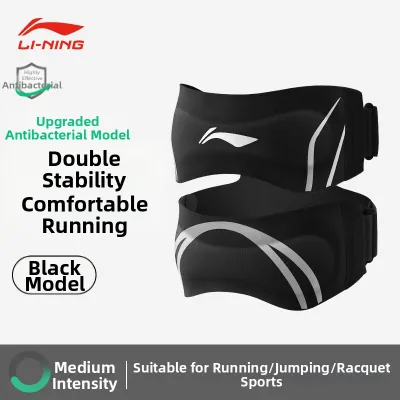
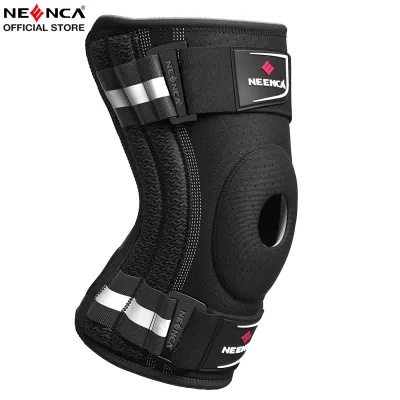
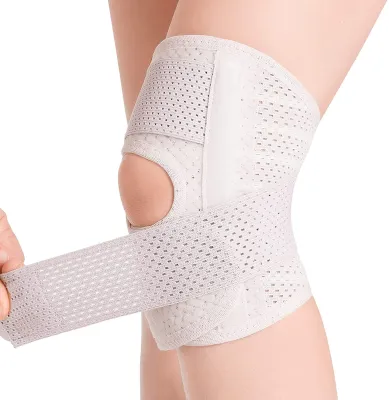
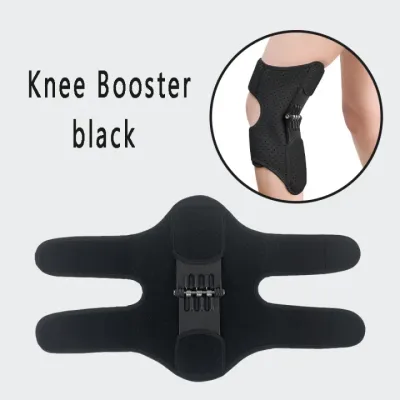
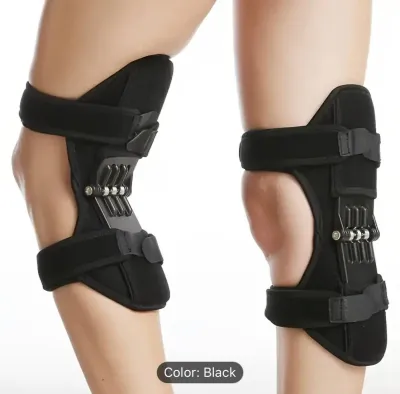
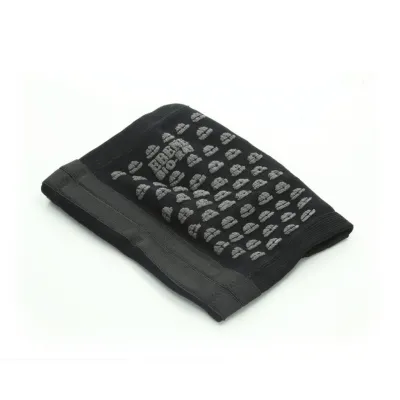
![[SG 🚚] 1PC Knee Booster Support Joint Support Knee Pad Non-slip Lift Pain Relief for Knee Power Spring Force](https://img.lazcdn.com/g/p/7774d0558c87114b36c6207a4b1f1787.jpg_400x400q80.jpg_.webp)
Prices are valid at publication and may change. Please refer to the product page for the latest price.
To choose the right support, you must first determine if your primary goal is joint stabilization or unrestricted range of motion. High kicks require a joint that can flex and extend fully without resistance. If a brace is too restrictive, it can alter your kicking mechanics, leading to hip or lower back strain. The goal is to find a support that offers a “second-skin” feel, providing compression without blocking your natural movement patterns.
Additionally, clarify whether you need a support for general injury prevention or post-injury management. Preventive supports focus on light compression and proprioception—the sensory feedback that helps your brain track joint position. Post-injury management, however, demands structural reinforcement to protect healing ligaments, which should always be guided by a healthcare professional.
Key Features to Evaluate for High-Impact Kicking
Evaluating the design of a knee support is critical to ensuring it performs under the dynamic demands of kicking. The three primary designs are sleeves, wraps, and hinged braces, each offering distinct trade-offs in mobility and protection.

Knee Sleeves Typically made of elastic knit or neoprene, sleeves slip over the foot and slide up the leg. They provide uniform compression, warmth, and excellent freedom of movement, making them the preferred choice for agile martial artists and football players who require maximum flexibility.
Knee Wraps Featuring adjustable straps, wraps allow you to customize the compression level across different areas of the joint. While they offer targeted support, the bulk of the straps can interfere with close-range clinching in Muay Thai or catch on clothing during rapid leg movements.
Hinged Braces These incorporate plastic or metal joints along the sides of the knee to prevent lateral movement. While they offer the highest level of structural support, their rigidity severely limits kicking speed and height, making them unsuitable for active striking training unless you are in a controlled rehabilitation phase.
In Singapore’s tropical climate, material selection is paramount. Heavy neoprene braces trap heat and sweat, which can lead to skin irritation, heat rash, and slipping during intense sessions. Look for lightweight, 3D-knit fabrics that offer high breathability and moisture-wicking properties to keep the skin dry and comfortable.
To prevent the brace from sliding down during explosive kicks, verify the presence of anti-slip mechanisms. High-quality supports feature wave-patterned silicone gel strips along the inner top cuff. These strips grip the skin securely without causing discomfort, even when you are sweating heavily in a non-air-conditioned gym.
For martial artists who engage in sparring or heavy bag work, look for integrated patella stabilization rings and impact padding. A circular gel pad surrounding the kneecap helps keep the patella tracking correctly during deep bends, while low-profile foam padding over the front of the knee can cushion the impact when checking kicks or landing knee strikes.
Matching Brace Styles to Your Training Scenarios
Selecting the right brace style depends heavily on your specific training scenario, skill level, and the intensity of your workout. Aligning the support level with your activity ensures you do not over-brace or under-protect your joints.
Lightweight Compression Sleeves Best suited for agility drills, warm-ups, and light technical sparring. These sleeves offer minimal bulk, allowing you to move naturally while enhancing blood flow and joint awareness. They are ideal for football players during training sessions or Taekwondo practitioners focusing on speed and form.
Padded or Reinforced Supports Recommended for heavy bag work, clinching, and active sparring where physical contact is expected. In Muay Thai, checking a kick involves shin-to-shin or shin-to-knee contact. A support with integrated EVA foam padding over the patella and surrounding tissues provides a crucial buffer, reducing the risk of deep bruising without sacrificing too much mobility.
Hinged or Rigid Braces These should be reserved strictly for rehabilitative phases under professional medical guidance. If you are recovering from a ligament tear or joint instability, a hinged brace prevents dangerous lateral twisting while allowing controlled forward and backward movement. However, because they restrict explosive power and agility, they are not designed for competitive sparring or high-impact kicking drills.
Sizing, Fit, and Pre-Purchase Checks
An ill-fitting knee support can cause more harm than good. A brace that is too tight can restrict blood circulation and limit your range of motion, while a loose brace will slip down constantly, failing to provide any meaningful compression or stability.
To find your correct size, follow these step-by-step measurement instructions using a flexible measuring tape while standing with your leg slightly bent at approximately a 30-degree angle:
- Knee Circumference: Measure directly across the center of your kneecap (patella).
- Thigh Circumference: Measure approximately 12 to 15 centimeters above the center of your kneecap.
- Calf Circumference: Measure approximately 12 to 15 centimeters below the center of your kneecap.
Always compare your measurements against the specific manufacturer’s sizing chart, as sizing standards vary significantly between brands. If your measurements fall between two sizes, consider your training goals and physical condition. Choose the smaller size for a tighter, high-compression fit during short, intense sessions, or the larger size if you experience frequent joint swelling or prefer long-term comfort during extended training.
Before completing your purchase, especially when shopping online or at local sports outlets in Singapore, verify the retailer’s return and exchange policies. Because a proper fit is highly subjective and depends on your unique leg shape, you may need to exchange the item for a different size. Ensure the product is eligible for return if tried on over clean undergarments, and check if there are local physical stores where you can physically assess the material thickness and elasticity before buying. When budgeting for a quality support, expect local retail prices to range from S$30 to over S$100 depending on the complexity of the design.
Maintenance, Care, and Safety Boundaries
Proper maintenance extends the lifespan of your knee support and ensures it continues to provide reliable compression and grip. Sweat, body oils, and dirt break down elastic fibers and silicone strips over time, leading to a loss of structural integrity.
To preserve your gear, wash the support regularly using a gentle routine:
- Hand Wash: Use cool or lukewarm water with a mild, bleach-free detergent. Avoid fabric softeners, as they leave a residue that clogs moisture-wicking fabrics and degrades silicone grips.
- Air Dry: Gently squeeze out excess water without wringing or twisting the fabric. Lay the brace flat or hang it to air dry in a shaded, well-ventilated indoor area. Never use a clothes dryer or expose the brace to direct tropical sunlight, as high heat melts silicone strips and destroys elastic fibers.
Perform regular visual checks on your support to identify wear and tear. Look for stretched-out seams, fraying threads, cracked silicone grips, or a noticeable loss of elasticity. If the brace no longer stays in place during a basic warm-up or feels loose around the joint, it has lost its compression capabilities and must be replaced.
It is vital to understand the safety boundaries of using sports supports. A knee brace is designed to assist healthy joints or aid in the rehabilitation of diagnosed injuries; it cannot replace proper physical conditioning, technique, or medical treatment.
If you experience persistent knee pain, swelling, clicking, or instability, do not rely on a tighter brace to push through the discomfort. Masking pain with compression can lead to severe, long-term joint damage. Stop training immediately and consult a qualified physiotherapist or sports physician to address the root cause of the issue.
Frequently Asked Questions (FAQ)
Can I wear a knee sleeve under my Muay Thai shorts or football socks?
Yes, you can wear a low-profile knee sleeve under your training apparel, but you must consider the thickness of the material. For football, choose a thin, highly elastic knit sleeve that fits comfortably beneath your long socks without bunching up behind the knee, which can cause painful chafing during continuous running. For Muay Thai, ensure the sleeve is thin enough to sit comfortably under the wide leg openings of your shorts. To prevent the sleeve from rolling down, make sure the silicone grip at the top cuff makes direct contact with your skin rather than sliding against fabric.
Do knee supports actually increase kicking power?
A knee support does not mechanically increase your kicking power or act as a physical accelerator. The concept of a knee kick power up is rooted in joint stability and confidence rather than mechanical force. When your knee joint feels secure and pain-free, your brain allows you to pivot faster and commit fully to the kinetic chain of a kick. The compression also improves proprioception, helping you maintain better balance and alignment. Therefore, while a brace does not add physical power, it indirectly enhances your performance by allowing you to execute proper technique with greater confidence and consistency.
How tight should a knee compression sleeve feel during training?
A properly fitting knee sleeve should feel snug and supportive, like a firm second skin, without restricting your natural range of motion. You should feel even compression around the entire joint. Warning signs that a sleeve is too tight include numbness, tingling, coldness in your foot, or visible swelling in your calf or ankle. If you notice deep red indentations or skin irritation after a short training session, the brace is too small. If you can easily pinch and pull the fabric away from your skin, or if it slides down when you bend your knee, it is too loose to provide effective support.
Community discussion
Share your experience or ask a question. Comments are reviewed before publication.