
Selecting the right swim goggles depends on matching the goggle’s design, lens tint, and seal profile to your specific swimming environment and goals. Whether you are swimming fitness laps in an indoor pool, training for a competitive race, or navigating open water, there is no single pair that excels in every scenario. Instead, the most suitable choice is one that fits your unique facial structure securely and provides the appropriate visibility for your venue.
Match Goggle Features to Your Swimming Activity
For fitness and lap swimming, your primary focus should be on long-wear comfort and durability. Lap swimmers often spend an hour or more in the pool, meaning that tight, high-pressure seals can quickly cause discomfort or deep red rings around the eyes. Look for goggles featuring wider gaskets made of soft, hypoallergenic silicone that distribute pressure evenly across the orbital bone. Since most fitness swimming occurs in indoor pools or under covered pavilions, lenses with clear, light blue, or moderate smoke tints are ideal. These tints help reduce the glare from overhead fluorescent lights without making the underwater environment too dark to navigate safely.
Competitive training and racing demand a completely different set of specifications. In a race environment, hydrodynamics and stability during explosive movements, such as dives and flip turns, are critical. Competitive goggles feature a low-profile design that sits snugly inside the eye socket rather than on the outer orbital bone. This minimized surface area reduces water resistance and prevents the goggles from shifting or filling with water when you hit the pool at high speeds. Visibility in a crowded lane is also paramount, so look for low-profile frames that offer clear or lightly tinted lenses, allowing you to monitor your competitors and judge your distance from the pool wall accurately.
Products mentioned in this guide
![[SWANS] Adult Racing Mirror Insert Technology Triathlon Swimming Goggle SW-SR-81MMIT PAF (ASCENDER) Made In Japan](https://img.lazcdn.com/g/p/2a03ab8bb40e1af160fcb2b70aea53b4.jpg_400x400q80.jpg_.webp)
![[SWANS] Adult Racing Polarized Triathlon Swimming Goggle SW-SR-81P PAF (ASCENDER) Made In Japan](https://img.lazcdn.com/g/p/mdc/53979e4592a66a30724059e5473478ab.jpg_400x400q80.jpg_.webp)
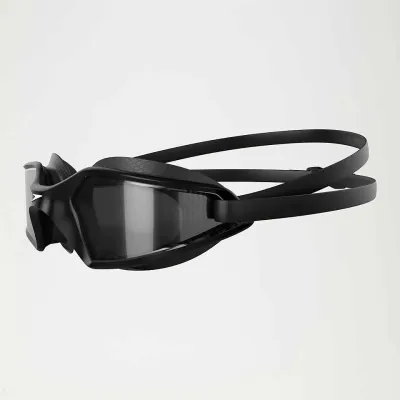
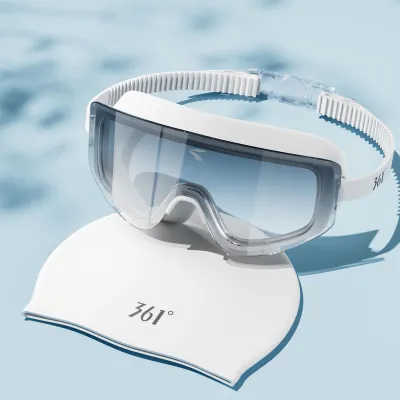
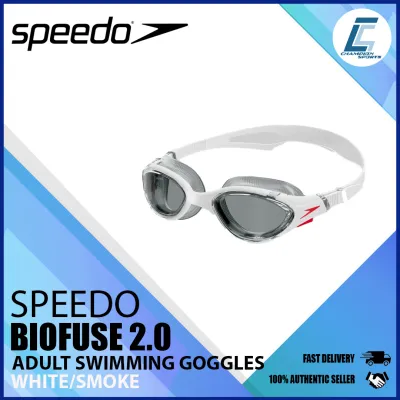
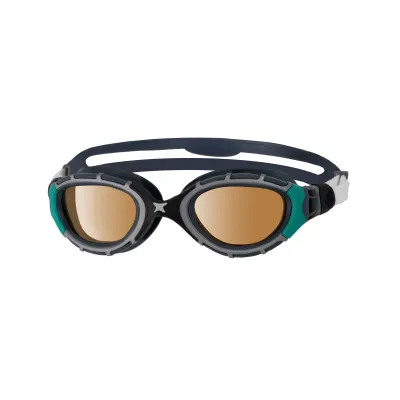
Prices are valid at publication and may change. Please refer to the product page for the latest price.
Open water swimming presents unique environmental challenges that indoor pool goggles are not equipped to handle. When swimming in lakes, rivers, or the open sea, you must navigate without the aid of painted lane lines on the pool floor. This requires goggles with wide, curved lenses that maximize your peripheral vision, allowing you to sight landmarks, buoys, and other swimmers without constantly turning your head. Furthermore, solar glare reflecting off the water’s surface can be blinding. To combat this, open water goggles often utilize polarized or heavily mirrored lenses that filter out harsh horizontal light waves. A highly secure, easily adjustable strap system is also essential to withstand the impact of choppy waves or accidental contact from fellow swimmers.
Evaluate Core Specifications Before Buying
Before purchasing any pair of swim goggles, it is essential to look past the marketing descriptions and evaluate the technical specifications listed on the manufacturer’s packaging or spec sheets. Understanding these details allows you to verify whether a product is truly suited to your swimming environment and physical needs.

Lens materials and protective coatings are the first line of defense for your eyes. Most modern swim goggles use polycarbonate lenses, which offer excellent impact resistance and optical clarity. However, you must verify that the lenses provide certified UV protection, especially if you plan to swim outdoors. Look for specifications indicating UV 400 or 99% UV block ratings to protect your eyes from harmful ultraviolet radiation. Additionally, pay close attention to the anti-fog treatment. While almost all goggles claim to be anti-fog, the durability of these factory-applied coatings varies significantly. High-quality options often feature chemically cured anti-fog layers integrated into the lens, whereas budget models may rely on a simple spray-on film that washes away after a few uses.
The materials used in the seal and frame directly impact both comfort and longevity. Silicone is the industry standard for goggle gaskets due to its flexibility, durability, and resistance to degradation from chlorine and salt water. However, not all silicone is created equal. Premium goggles often utilize liquid silicone polar technology or multi-density silicone, which provides a softer, more adaptive seal against the skin. If you have sensitive skin, verify that the manufacturer specifies the use of medical-grade, hypoallergenic silicone to prevent contact dermatitis. The frame itself should be constructed from a durable polymer, such as thermoplastic rubber (TPR) or polyurethane, which can flex slightly to match the contours of your face without warping over time.
Strap designs and nose bridge adjustments are critical for customizing the fit and ensuring stability. A split-strap design, which divides into two bands at the back of the head, is highly recommended for active swimming. This design allows you to position one strap higher on the crown and one lower, distributing the tension evenly and preventing the goggles from slipping down during vigorous movement. For the nose bridge, look for goggles that offer either an adjustable notched bridge or multiple interchangeable nose pieces of varying widths. A nose bridge that is too wide will cause the outer edges of the eye cups to leak, while one that is too narrow will pinch the nose and pull the eye cups inward, breaking the suction seal.
Compare Popular Swim Goggle Brands for Men
When shortlisting swim goggles, understanding the design philosophies and product structures of major brands can help you make an informed decision. Rather than searching for a single “best” brand, look at how different manufacturers cater to specific swimming styles and facial profiles.
Speedo and Arena are two of the most prominent names in competitive swimming, and both offer extensive product lines that span from elite racing gear to casual recreational models. Speedo is widely recognized for its focus on hydrodynamic engineering and custom-fit technologies. Their competitive lines often feature low-profile, socket-fitting designs with interchangeable nose bridges, tailored for high-speed performance. Conversely, their fitness and recreational lines prioritize soft, wide-gasket frames that emphasize comfort over absolute speed. Arena follows a similar dual-track approach, with a strong emphasis on wide-angle peripheral vision in their racing models and highly durable materials designed to withstand rigorous daily training sessions in chlorinated water.
TYR and Zoggs offer specialized alternatives that frequently appeal to open water swimmers, triathletes, and fitness enthusiasts. TYR is known for integrating advanced ergonomic features into their frames, often utilizing multi-density silicone gaskets that conform closely to the facial structure without requiring excessive strap tension. Their product range includes excellent options for both pool training and open water events. Zoggs, on the other hand, has built a strong reputation around visibility and environmental adaptability. They are particularly noted for their curved lens technology, which provides an exceptionally wide field of view, and their specialized polarized and photochromatic lenses that automatically adjust to changing light conditions in outdoor environments.
To ensure you select the right pair, always cross-reference brand marketing claims with specific model specification sheets and independent user feedback. Do not assume that a brand’s reputation for high-end racing goggles automatically translates to a comfortable fit for casual lap swimming. Look for detailed reviews regarding how well a specific model retains its suction over months of use and whether the strap adjustment mechanisms remain secure over time. Checking these details helps you avoid common pitfalls, such as purchasing a highly technical racing goggle that is too rigid and uncomfortable for your daily fitness routine.
Ensure Proper Fit and Long-Term Maintenance
Even the most advanced swim goggles will fail to perform if they do not fit your face correctly or if they are damaged by improper care. Learning how to test the fit before you swim and maintaining the materials afterward will extend the lifespan of your gear and ensure a leak-free experience.
The suction test is the most reliable way to verify if a pair of goggles is compatible with your facial structure before you ever adjust the head strap. To perform this test, press the goggle eye cups gently against your eye sockets without putting the strap over your head. Press down slightly to expel the air and create a vacuum. If the goggles stick to your face for a few seconds before releasing, the frame shape and gasket size are a good match for your orbital bones. If they fall off immediately or fail to create any suction, water will almost certainly leak into the eye cups during your swim, regardless of how tightly you pull the straps.
Adjusting the strap tension correctly is vital for maintaining both comfort and the structural integrity of the goggles. A common mistake is over-tightening the straps in an attempt to stop a leak. This excessive tension actually distorts the flexible silicone frame, causing the seal to warp and create new gaps for water to enter. It also puts unnecessary pressure on the delicate skin and blood vessels around your eyes, leading to headaches and deep bruising. The head strap should only be tight enough to keep the goggles securely in place against your face; the actual watertight seal should be maintained by the natural suction of the silicone gaskets, not the tension of the strap.
Proper cleaning and storage are essential to preserve the anti-fog coating and prevent the silicone from degrading. After every swim, rinse your goggles thoroughly in clean, cold tap water to remove chlorine, salt, and organic residue. Never use soap, dishwashing liquid, or abrasive cleaners, as these chemicals will instantly strip away the factory anti-fog coating. Allow the goggles to air dry completely in a shaded, well-ventilated area away from direct sunlight, which can dry out and crack the silicone. Once dry, store them in a hard protective case rather than throwing them loose into your swim bag. This prevents the lenses from getting scratched by keys or zippers and protects the frame from being crushed or warped.
Frequently Asked Questions (FAQ)
Is gender-specific sizing necessary for men's swim goggles?
No, gender-specific sizing is not a strict requirement when choosing swim goggles. While some brands market certain models specifically to men or women, the actual fit is determined entirely by your individual facial bone structure, eye socket depth, and the width of your nasal bridge. Many high-quality goggles are designed as unisex models that accommodate a wide range of facial profiles through adjustable features. Instead of relying on gendered packaging, focus on checking the manufacturer’s sizing charts, measuring your face if necessary, and selecting models that offer multiple interchangeable nose pieces to customize the bridge width to your face.
How long do factory anti-fog coatings last?
The lifespan of a factory-applied anti-fog coating varies widely, typically lasting anywhere from a few weeks to several months depending on how often you swim and how well you care for the goggles. Factors such as exposure to pool chemicals, salt water, high water temperatures, and physical contact with the inside of the lens will accelerate the degradation of the coating. To preserve the anti-fog effect for as long as possible, never touch or wipe the inside of the lenses with your fingers, towels, or cloths. Once the factory coating eventually wears off, you can restore clarity by applying a manufacturer-approved anti-fog spray or drops, following the specific application and rinsing instructions provided on the product label.

Community discussion
Share your experience or ask a question. Comments are reviewed before publication.