
Finding relief from the stabbing, first-step-in-the-morning pain of plantar fasciitis often leads to a search for specialized footwear. Plantar fasciitis socks are designed to address this discomfort by combining targeted compression with structural arch support. However, choosing the right pair is not a one-size-fits-all process. The ideal sock must match the unique mechanics of your foot, the severity of your symptoms, and the environments in which you walk, run, or stand. By understanding how different compression levels and arch support structures interact with your plantar fascia, you can select a tool that actively aids your recovery rather than causing further irritation.
Assess Your Foot Mechanics and Pain Triggers
To find the most effective compression gear, you must first analyze when your pain peaks and how your foot behaves under load. Plantar fasciitis symptoms manifest differently depending on your daily routine and biomechanics.
Identifying Pain Patterns: Note the timing and location of your discomfort. Sharp, localized heel pain during your very first steps in the morning suggests that your fascia is tightening and micro-tearing overnight. Conversely, a dull, throbbing ache that worsens after prolonged standing on hard surfaces—such as ceramic tiled floors common in Singapore homes—indicates structural fatigue. Post-activity tightness, especially after running along park connectors, points to dynamic strain that requires targeted recovery support.
Products mentioned in this guide
Prices are valid at publication and may change. Please refer to the product page for the latest price.
Determining Your Foot Type: Your arch height dictates how weight is distributed across your foot. You can determine your basic foot type using a simple wet footprint test. Wet the sole of your foot and step onto a flat piece of dark paper or cardboard. A wide, complete footprint with little to no inward curve indicates flat feet (overpronation), which places constant tension on the plantar fascia. A highly curved footprint showing only the heel and the ball of the foot indicates a high arch (supination), which lacks natural shock absorption. A moderate inward curve represents a neutral arch. Alternatively, examine the wear patterns on the soles of your everyday shoes; wear concentrated on the inner edges suggests overpronation, while outer-edge wear suggests supination.
Establishing Safety Boundaries: Before purchasing any compression garments, it is critical to assess your systemic health. Individuals diagnosed with diabetes, peripheral artery disease, peripheral neuropathy, or any severe circulatory compromises must consult a primary care physician or a podiatrist before using plantar fasciitis socks. Compression can unsafely restrict arterial blood flow or mask nerve pain in these conditions, leading to serious skin breakdown or tissue damage.
Match Compression Levels to Your Symptom Severity
Compression therapy works by applying graduated pressure to promote venous return, reduce localized swelling, and stabilize the soft tissues of the foot. Selecting the correct pressure level prevents circulatory constriction while ensuring adequate therapeutic benefit.

Mild to Moderate Compression
Lighter compression levels, typically ranging from 15 to 20 mmHg, are designed for baseline support and extended wear.
Therapeutic Mechanism: This gentle squeezing action helps manage minor fluid retention around the ankle and heel, keeping the localized tissues warm and elastic. By maintaining a baseline level of tension, mild compression prevents the plantar fascia from contracting excessively during periods of rest.
Ideal Scenarios: These socks are highly suited for all-day wear in office environments, during long commutes, or for preventative support during light activities. If your job requires moderate walking or sitting at a desk for several hours, mild compression keeps circulation active without feeling restrictive.
Selection Indicators: Look for products labeled “everyday support,” “mild compression,” or “Class 1 recovery.” When trying them on, the fabric should feel snug and supportive, resembling a firm hug around your arch and heel, but it should never pinch, leave deep indentations, or restrict the movement of your toes.
Firm or Targeted Compression
Firmer compression levels, generally spanning 20 to 30 mmHg or featuring zone-specific high pressure, are engineered for acute symptom management.
Therapeutic Mechanism: High-level compression actively limits the inflammatory response by accelerating lymphatic drainage and reducing micro-oscillations of the foot muscles during impact. It provides rigid stabilization to the heel and arch, mimicking the protective effects of athletic taping.
Ideal Scenarios: This intensity is best reserved for acute flare-ups, recovery immediately following intense sports sessions, or long shifts spent standing on unyielding concrete or tile floors. Because of the high pressure, these socks are typically worn for shorter, defined intervals rather than continuous 24-hour periods.
Safety and Stop Conditions: When selecting firm compression, closely inspect the manufacturer’s specifications to ensure the sizing aligns precisely with your physical dimensions. It is vital to monitor your body’s response. If your toes begin to tingle, lose sensation, turn pale, or feel unusually cold, the compression is too restrictive. You must remove the socks immediately to restore proper arterial circulation.
Select the Arch Support Design for Your Foot Shape
The arch support integrated into a compression sock acts as a structural bridge, distributing impact forces and reducing the physical pull of the fascia on the heel bone.
Built-In Arch Contours and Sleeves
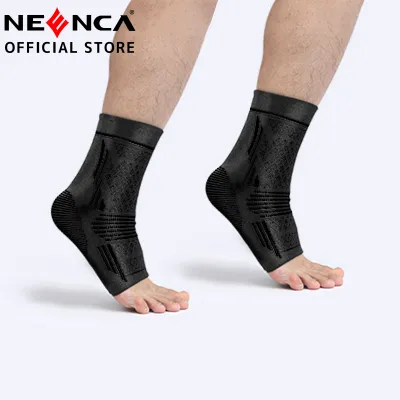
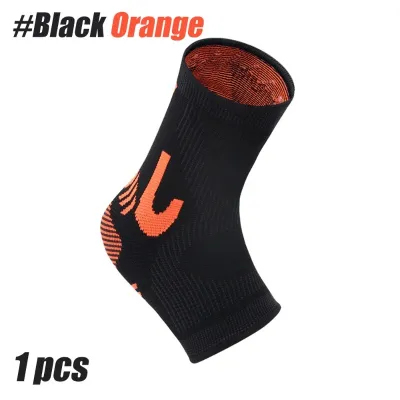
Many plantar fasciitis socks incorporate structural support directly into the knit pattern using high-tension elastic bands.
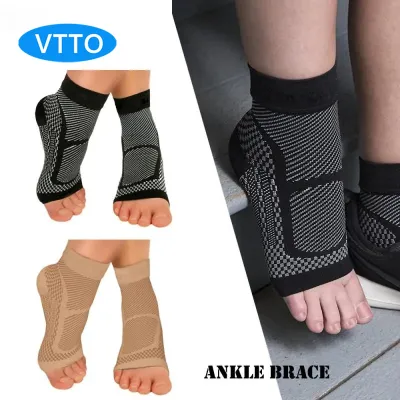
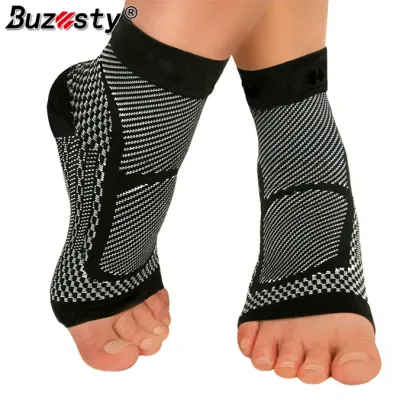
Design and Function: These socks utilize a seamless, circular knit with varying tension zones. A highly elastic, reinforced band wraps around the midfoot, providing a continuous upward lift to the plantar vault. This design prevents the sock from slipping or bunching inside your shoe while offering a mild stabilizing effect against daily muscle fatigue.
Best Fit Profiles: This lightweight, low-profile design is ideal for individuals with neutral arches who require general structural reinforcement rather than aggressive mechanical correction. It is also highly comfortable for those who find rigid orthotics too restrictive.
Footwear Compatibility: Because these designs rely entirely on the tension of the elastic knit, they lack rigid structural components. To achieve the best therapeutic outcome, they should be paired with supportive, well-structured athletic or orthopedic footwear rather than flat, unsupportive slip-ons.
Targeted Fascia Straps and Pads
For more pronounced structural issues, some advanced socks integrate physical straps, silicone inserts, or external tension bands.
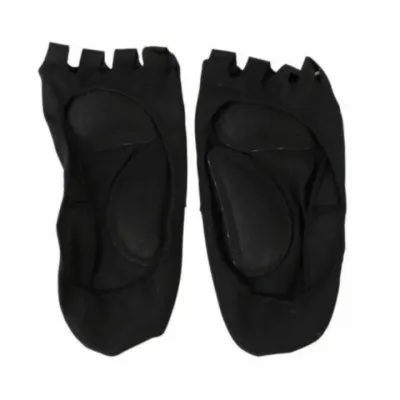
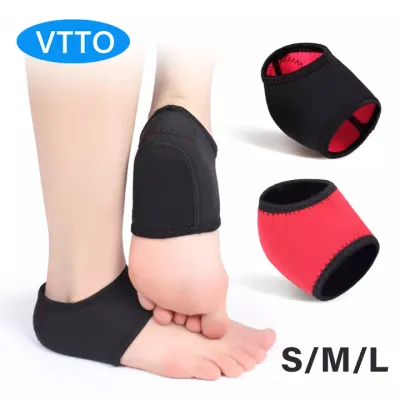
Design and Function: These models feature built-in silicone pads positioned directly under the medial arch or surrounding the heel insertion point. Some variations include adjustable hook-and-loop straps that wrap around the midfoot, allowing you to manually adjust the upward tension. This mechanical design physically lifts the arch and mimics the low-dye taping techniques used by physiotherapists to offload stress from the plantar fascia.
Best Fit Profiles: This approach is highly beneficial for individuals with severe flat feet who experience significant overpronation, as well as those with rigid, high arches that require localized cushioning to absorb vertical impact forces.
Footwear Compatibility: The added physical bulk of silicone pads or adjustable straps presents a practical challenge. These socks may not fit comfortably inside narrow dress shoes or fitted running trainers. They are best suited for use while walking barefoot indoors on hard floors, or paired with roomy, wide-toe-box athletic sneakers. Always verify the manufacturer’s care instructions, as integrated silicone or strap elements may require hand washing and air drying to preserve their structural integrity.
Adapt Your Choice to Singapore's Climate and Sizing
Selecting a technically sound sock is only effective if the garment is comfortable enough to wear consistently in your local environment and fits your foot anatomy perfectly.
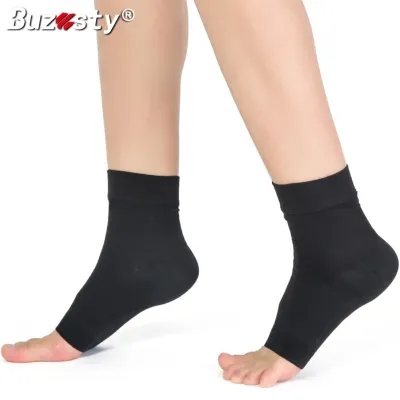
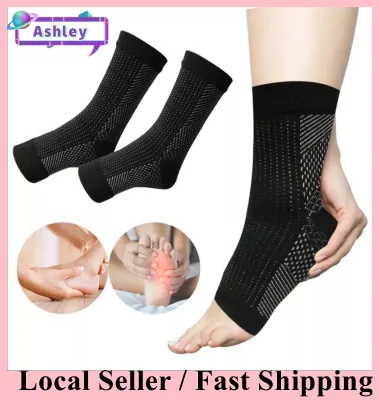
Climate Adaptation: Singapore’s tropical climate, characterized by high temperatures and high relative humidity, requires careful material selection. Standard cotton or thick wool blends trap heat and sweat against the skin, creating a warm, damp microclimate. This environment significantly increases the risk of skin maceration, friction blisters, and fungal infections such as tinea pedis (athlete’s foot). To maintain skin integrity, prioritize socks made from advanced synthetic blends like nylon-spandex or natural bamboo-derived fibers. These materials feature superior moisture-wicking properties, pulling sweat away from the skin to the outer surface of the fabric where it can evaporate quickly. Additionally, look for open-toe sleeve designs, which maximize ventilation and allow you to wear the compression sleeve comfortably alongside open-toed footwear at home.
Accurate Sizing: Sizing is the single most critical factor determining whether a compression sock is therapeutic or harmful. Sizing is not standardized across different brands; a “medium” in one brand may correspond to a “large” in another. To find your correct size, use a soft, flexible measuring tape to take three precise measurements:
- Ankle Circumference: Measure the narrowest part of your ankle, just above the ankle bone.
- Arch Girth: Wrap the tape around the widest part of your midfoot arch.
- Foot Length: Measure from the back of your heel to the tip of your longest toe, or refer to your standard shoe size.
Cross-reference these exact measurements with the manufacturer’s specific sizing chart before making a purchase. If your measurements fall between two sizes, opt for the larger size to prevent excessive, unsafe constriction, particularly in hot weather when feet naturally swell.
Test the Fit and Know When to Stop
Once you have selected and purchased your plantar fasciitis socks, you must systematically evaluate their fit and therapeutic performance to ensure they are helping your recovery.
The Fit Test: When you first put the socks on, perform a structural check. The sock should lay completely flat against your skin without any bunching, folding, or wrinkling, particularly around the toes and heel. The top band should sit comfortably without digging deep, painful red indentations into your calf or ankle. You should feel a firm, supportive squeeze around your arch and heel, but your toes must retain full mobility and normal sensation.
Performance Validation: Keep a daily log of your pain levels, focusing specifically on your morning symptoms. Over a period of one to two weeks of consistent daytime use, you should notice a gradual reduction in the sharp, stabbing sensation experienced during your first steps out of bed. If the aching after long walks or prolonged standing begins to diminish, the sock is successfully offloading tension from your fascia.
Stop Conditions and Next Steps: Discontinue use immediately if you experience adverse reactions. These include a sudden increase in localized pain, skin irritation, red rashes, persistent itching, numbness, or a pins-and-needles sensation. Always prioritize the care instructions provided by the manufacturer to maintain the elastic properties of the fabric. If your heel pain does not show signs of improvement after three to four weeks of consistent use, the underlying issue may require more advanced intervention. Transition to a professional consultation with a physiotherapist or podiatrist, who can evaluate you for custom orthotic insoles, targeted shockwave therapy, or a structured rehabilitation program.
Frequently Asked Questions (FAQ)
Should I wear plantar fasciitis socks while sleeping?
Standard daytime compression socks are generally not recommended for overnight wear unless specifically designed and labeled for sleep by the manufacturer. When you lie flat, your cardiovascular system does not have to work against gravity, meaning the high pressure of daytime compression can unnecessarily restrict blood flow to your extremities. If you suffer from severe morning stiffness, consult a medical professional about using a structured night splint. These devices hold the foot in a gentle, passive dorsiflexion stretch overnight without compressing the blood vessels.
Can these socks replace my custom orthotic insoles?
Plantar fasciitis socks cannot replace custom orthotic insoles, as they perform entirely different therapeutic functions. Compression socks are soft apparel items designed to manage soft tissue strain, reduce localized swelling, and improve blood flow. Custom orthotics, on the other hand, are rigid or semi-rigid medical devices designed to correct structural skeletal alignment, control overpronation, and alter joint angles during the gait cycle. For optimal management of severe biomechanical issues, use these tools complementarily: wear your custom orthotics inside your shoes during active hours, and use compression socks or sleeves for recovery, indoor wear, or light exercise.
Community discussion
Share your experience or ask a question. Comments are reviewed before publication.