
Selecting the right plastic cone for football training is more than just grabbing a pack of cheap markers. The ideal choice depends on your specific training environment, the age and skill level of your players, and the types of drills you plan to run. To get the most out of your training gear, you need to focus on four core specifications: height, material flexibility, color contrast, and base stability. Matching these features to your training goals ensures your sessions run smoothly while keeping players safe on the pitch.
Essential Specs: Size and Height for Different Drills
The physical dimensions of a plastic cone dictate its primary function on the training pitch. Choosing the wrong size can disrupt the flow of a drill or even pose a physical hazard to players moving at high speeds.
- Low-Profile Cones (approx. 2–5 cm / 1–2 inches): Often referred to as disc cones or saucer cones, these low-profile markers are indispensable for high-speed agility work and close-control dribbling. Because they sit close to the ground, they serve as excellent alternatives to agility ladders. Their minimal height ensures that if a player accidentally steps on one during a rapid change of direction, the risk of tripping or rolling an ankle is significantly reduced.
- Standard Cones (approx. 15–20 cm / 6–8 inches): These are the traditional dome-shaped or collapsible cones found in almost every coach's kit. They are highly versatile, making them the standard choice for marking out pitch boundaries, setting up passing gates, and creating basic weaving patterns. Their height makes them easily visible during tactical drills without obstructing low-passing lanes.
- Tall Cones (30+ cm / 12+ inches): Tall cones are specialized tools best suited for goalkeeper training, target practice, or marking distant boundaries on large fields. They can represent defenders in shooting drills or act as physical obstacles that players must actively navigate around rather than step over.
When building your coaching kit, tailor your selection to your primary training demographic. Youth agility training benefits most from low-profile disc cones that minimize tripping hazards. Conversely, adult tactical sessions require larger, more visible markers to define spatial boundaries on a full-sized pitch. For the most comprehensive setup, investing in a mixed-size set allows you to adapt to various training scenarios seamlessly.
Products mentioned in this guide
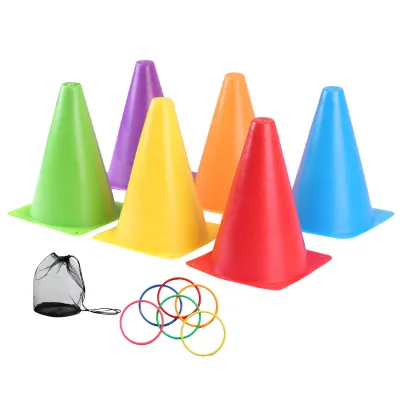
![[SG] Set Plastic Cone Sports Exercise Workout Football Soccer Drills Agility Speed General Purpose](https://img.lazcdn.com/g/p/0b7619dda357d1938ca39666095ef523.png_400x400q80.png_.webp)
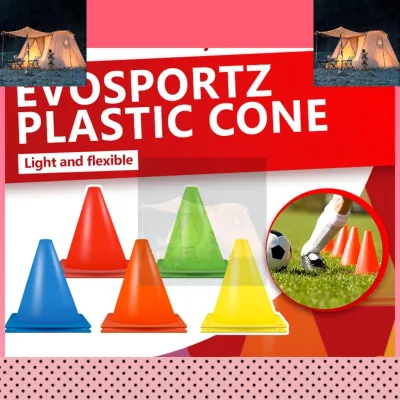
![🇸🇬 [READY STOCK] 18cm Plastic Traffic Cones Sport Training Agility Marker Cone for Soccer Skating Football Basketball Indoor and Outdoor Games](https://img.lazcdn.com/g/p/d703f8b22664f824a7b583306ca96ddf.jpg_400x400q80.jpg_.webp)
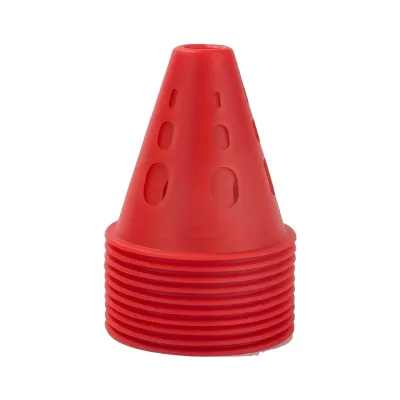
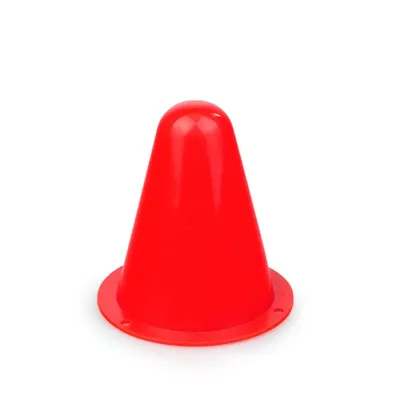
![[MINI SPORTS CONE][8 CM HEIGHT] MARKING CONES TRAINING MARKER PLASTIC MARKER](https://img.lazcdn.com/g/p/aec5aa1c308f17b52bc202e0898daa4b.png_400x400q80.png_.webp)
Prices are valid at publication and may change. Please refer to the product page for the latest price.
Material and Durability: Flexibility vs. Rigidity
The material composition of a plastic cone determines how well it survives the physical demands of football training and the harsh outdoor elements.

- Flexibility and Safety: Look for cones made from soft, pliable plastics such as Low-Density Polyethylene (LDPE). These "step-on resistant" materials are designed to bend, flatten, and immediately recover their original shape when stepped on or run over. This elasticity is crucial for high-intensity agility drills. It prevents the cone from shattering into sharp, hazardous pieces and protects players from rolled ankles or slips.
- Rigidity and Shape Retention: In contrast, harder plastics like Polyvinyl Chloride (PVC) or rigid Polypropylene (PP) maintain their shape under minor pressure and resist scuffing. However, they lack the impact absorption of softer alternatives. If stepped on during a fast-paced drill, rigid cones can crack, slide out from under a player's boot, or cause a sudden loss of traction. Save these rigid options for static boundary marking where direct player contact is rare.
- Weather and UV Resistance: In hot, humid, and sunny climates like Singapore's, outdoor gear faces rapid degradation. Constant exposure to intense sunlight and high humidity can cause standard plastics to warp, fade, or become brittle over time. When selecting cones, verify that the manufacturer specifies UV-resistant and waterproof properties. This ensures the plastic retains its flexibility and vibrant color even after months of exposure to tropical sun and sudden downpours.
Do not rely solely on generic marketing terms like “unbreakable.” Instead, check the product specifications for material listings like LDPE and look for user feedback regarding long-term flexibility in outdoor conditions. If you are unsure of the material safety or compatibility with your training surface, consult the manufacturer’s care guidelines.
Visibility and Color: Choosing the Right Contrast
Visual feedback is a critical component of football training. If players cannot spot a marker instantly in their peripheral vision, their decision-making and reaction times will suffer.
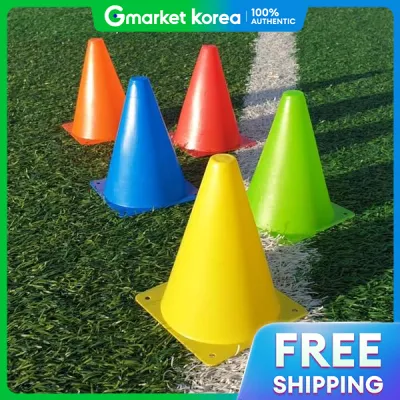
The key to selecting cone colors is ensuring high contrast against your specific playing surface. Avoid using green cones on natural grass pitches, as they blend too easily into the background. For standard green grass or blue-tinted artificial turf pitches, highly vibrant, contrasting colors like neon yellow, bright orange, and hot pink offer the best visibility.
Purchasing multi-colored packs is highly recommended for structured coaching. Using distinct colors allows you to set up complex, multi-stage drills without confusing your players. For example, you can use red cones to define defensive zones, yellow cones for transition paths, and blue cones to mark shooting gates. This color coding helps players process tactical instructions much faster during high-pressure training.
If your training sessions frequently take place during late afternoons or evenings under floodlights, visibility becomes even more challenging. Standard colors can look washed out under artificial lighting. To counter this, choose cones made from highly fluorescent materials or those featuring integrated reflective strips to ensure they stand out clearly in low-light environments.
Base Design and Stability: Preventing Slips and Trips
A cone’s stability on the pitch determines whether you spend your training sessions coaching players or constantly resetting knocked-over markers.
- Base Edges and Wind Resistance: Lightweight cones are easily displaced by strong winds or the draft created by sprinting players. To prevent this, look for designs with a widened base or a slightly weighted edge. A stable base ensures the cone remains anchored to the ground, whether on natural grass, artificial turf, or indoor court surfaces, even during sudden weather changes.
- Top Holes for Multi-Functionality: Many modern cones feature pre-drilled holes at the apex or along the sides. This design element allows you to insert agility poles or training sticks, transforming standard cones into adjustable hurdle barriers. This multi-functional capability is excellent for introducing plyometric jumps and varied footwork drills without needing to purchase separate, bulky hurdle equipment.
- Stacking and Deployment: From a practical standpoint, how you store and transport your cones matters. Look for cones designed with anti-stacking ridges or side slots. These features prevent the cones from suctioning or jamming together tightly when stacked, allowing you to deploy and pack up your training grid quickly and efficiently without frustrating delays.
Which Specs Matter Less: Simplifying Your Choice
When shopping for training equipment, it is easy to get distracted by premium branding and over-engineered features that add cost without improving performance.
- Brand Premiums: For basic plastic markers, the functional difference between high-end sports brands and generic athletic suppliers is minimal. A basic cone serves the same purpose regardless of the logo printed on it. Avoid paying high premiums simply for a brand name when generic options offer identical durability and safety profiles.
- Over-Engineered Accessories: Many cone sets are sold with complex carrying cases, digital tracking systems, or elaborate connecting straps. In reality, these accessories are often unnecessary gimmicks that clutter your gear bag. A simple, durable mesh drawstring bag is more than adequate for carrying, storing, and allowing wet cones to air-dry after a rainy training session.
- Extreme Load-Bearing Claims: Marketing demonstrations showing cones being run over by heavy vehicles are common, but they do not reflect real-world training needs. Football cones are meant for spatial marking, not structural load-bearing. Focus on standard step-on flexibility and shape recovery rather than paying extra for extreme crush-resistance ratings that have no practical application on the football pitch.
Community discussion
Share your experience or ask a question. Comments are reviewed before publication.