
Finding the right pull-up hand gloves requires balancing your physical hand dimensions with your specific grip style and the local training environment. In Singapore, where high humidity and heat accelerate sweating, a glove that fits poorly or lacks the right grip properties will quickly slip, bunch up, or cause painful blisters. The ideal pair should feel like a natural extension of your hand, providing targeted protection where your palm meets the bar without compromising your tactile connection or restricting your range of motion.
Selecting the appropriate gear is not just about choosing a size from a chart; it involves understanding how your hands interact with the bar during different exercises. Whether you are performing standard bodyweight pull-ups, weighted hangs, or dynamic calisthenics movements, your gloves must support your specific grip mechanics. By evaluating your hand measurements, grip preferences, and key design features, you can find a pair of gloves that enhances your training comfort and durability.
Why Hand Size and Grip Style Dictate Glove Performance
Your hand dimensions directly influence where a glove’s padding, seams, and reinforcement panels sit relative to your joints. If a glove is too large, the excess material bunches up in the crease of your palm when you wrap your hand around the bar. This bunching creates friction points that actually accelerate blister formation rather than preventing it, defeating the primary purpose of wearing protective gear.
Products mentioned in this guide
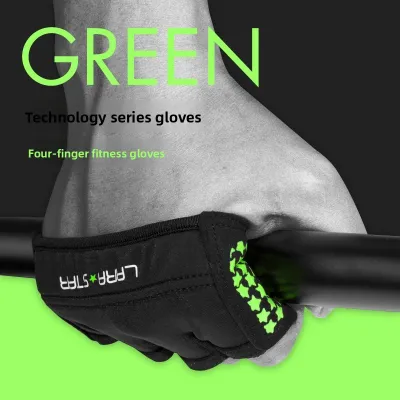
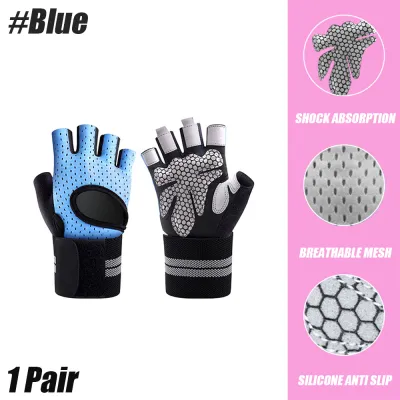
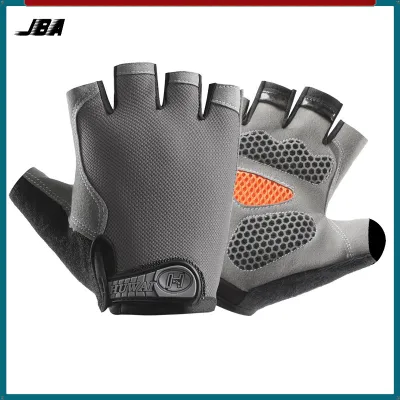
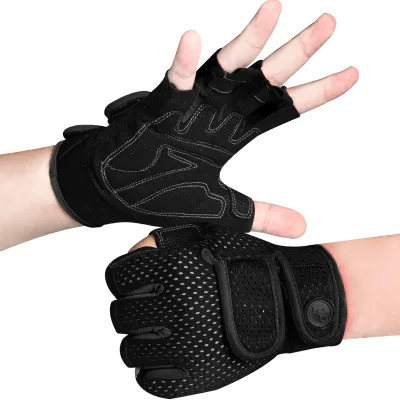
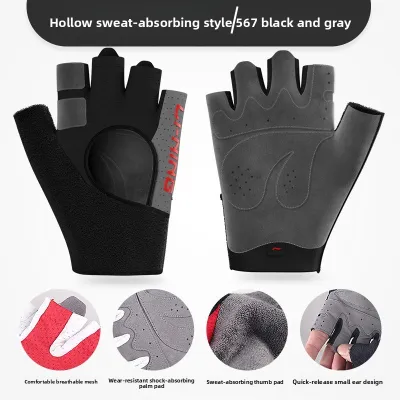
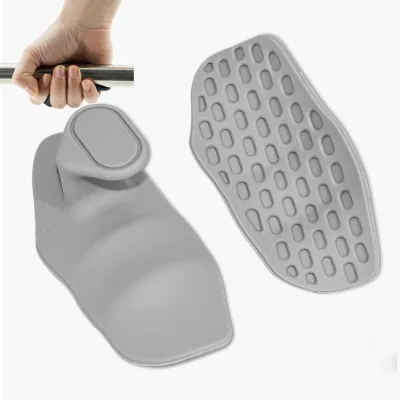
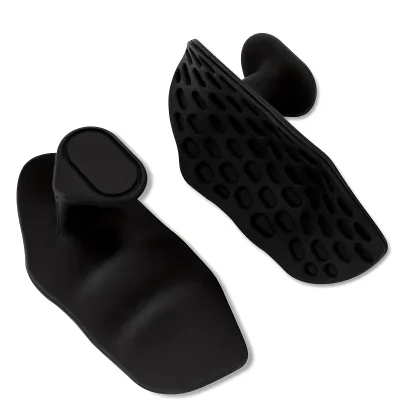
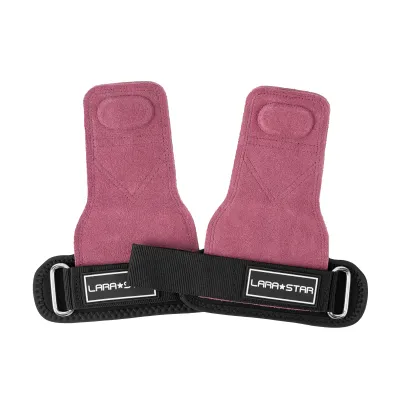
Prices are valid at publication and may change. Please refer to the product page for the latest price.
Conversely, a glove that is too small restricts finger extension, pinches the webbing between your fingers, and limits your ability to wrap your hand securely around the pull-up bar. This restriction can lead to hand fatigue and altered grip mechanics, as you are forced to grip the bar with a less secure hand position. Over time, this compensation can strain your wrists and forearms, reducing your overall performance and consistency.
Grip mechanics further complicate this relationship because different exercises shift pressure points across your hands. For instance, a standard overhand grip places the primary load across the base of your fingers and the upper palm. A neutral grip, often used on parallel bars, shifts some of that pressure to the outer edges of your palms. If your gloves do not align with these specific contact zones, you lose tactile feedback, which can cause you to overcompensate by gripping the bar too tightly.
Furthermore, ill-fitting gloves compromise your safety during dynamic movements. When performing high-volume repetitions or explosive exercises like muscle-ups, any internal movement within the glove reduces your stability. This lack of a secure connection can lead to sudden slips, especially when sweat accumulates. Understanding how your hand size interacts with your grip style is the first step toward selecting gear that supports your training rather than hindering it.
How to Measure Your Hand for the Perfect Fit
To find a pair of pull-up hand gloves that fit correctly, you must take accurate measurements of your hands rather than relying on your standard clothing size. You will need a flexible measuring tape or a piece of string and a ruler. It is best to measure your dominant hand, as it is typically slightly larger, ensuring that the gloves will not be too tight on either hand.

The first measurement to take is your hand circumference. Wrap the flexible measuring tape around the widest part of your palm, just below your knuckles, excluding your thumb. Keep your hand flat and your fingers relaxed during this process. Do not pull the tape too tight; it should rest snugly against your skin without compressing your hand. Note this measurement in centimeters or inches, as sizing charts vary by manufacturer.
The second measurement is your hand length. Place the end of the measuring tape at the main crease of your wrist, where your hand meets your forearm. Extend your hand fully and measure straight up to the very tip of your middle finger. This length measurement is particularly important for full-finger gloves and minimalist palm protectors, as it determines whether the finger loops or full fingers will align correctly with your joints.
Once you have these two measurements, compare them to the manufacturer’s specific sizing chart. Keep in mind that sizing is not standardized across brands; a medium in one brand may be a small or large in another. If your measurements fall on the borderline between two sizes, consider the material and your intended use. For synthetic materials that do not stretch much, sizing up is generally safer to prevent restricted movement. For leather or highly elastic fabrics that break in over time, sizing down can provide a snugger, more secure fit once the material conforms to your hand.
Matching Glove Designs to Your Grip Preference
Pull-up gloves come in several distinct designs, each tailored to specific training styles, grip preferences, and levels of hand protection. The three primary categories you will encounter are full-finger gloves, half-finger gloves, and minimalist palm protectors or gymnastics grips. Choosing between these designs depends on how much of the bar you want to feel and where you experience the most friction during your workouts.
Full-finger gloves offer the most comprehensive protection, covering the entire palm, fingers, and thumb. They are highly effective at keeping dirt and sweat off your hands, but they also offer the least tactile feedback and can run hot in warm environments. Half-finger gloves strike a balance by protecting the palm and the base of the fingers while leaving your fingertips exposed for better bar feel and temperature regulation. Minimalist palm protectors, often made of leather or synthetic suede, cover only the palm and attach via finger loops and a wrist strap, offering maximum rotational freedom and direct bar contact.
Padding thickness is another critical variable that must match your grip style. Thick gel or foam padding can cushion your hands during heavy static hangs, but it also increases the effective diameter of the pull-up bar. This larger diameter makes the bar harder to hold, which can fatigue your grip faster if you have smaller hands. Thinner, textured materials provide less cushioning but offer superior traction and a more secure hold, making them better suited for high-repetition calisthenics.
Options for Standard Overhand and Neutral Grips
For traditional fitness routines, standard overhand pull-ups, and neutral-grip variations, half-finger or full-coverage gloves with moderate, evenly distributed palm padding are highly effective. These exercises typically involve a static, crushing grip where the hand remains in a relatively fixed position on the bar. Moderate padding helps distribute your body weight evenly across the palm, reducing the pressure on individual friction points and preventing the skin from pinching.
When training in Singapore’s humid climate, heat and sweat management are critical considerations for standard grip gloves. Look for designs that feature highly breathable back-of-hand materials, such as open mesh, perforated synthetic fabrics, or moisture-wicking panels. These features allow heat to escape and sweat to evaporate, preventing the inside of the glove from becoming slick, which can cause your hand to slide around inside the glove and lead to blisters.
Additionally, integrated wrist straps can be highly beneficial for standard and neutral grip pull-ups, especially during high-volume or weighted sessions. A wide, adjustable wrist strap helps stabilize the glove on your hand, preventing it from shifting downward under the weight of your body. This stabilization ensures that the palm padding remains positioned over your primary contact points throughout your entire set, allowing you to focus on your form and back activation.
Options for Hook, False, and Gymnastics Grips
If your training involves advanced calisthenics, gymnastics ring work, or movements that require a hook or false grip, bulky padded gloves are generally unsuitable. These grips require a high degree of wrist flexibility and direct tactile feedback from the bar or rings. For these movements, minimalist palm protectors, often referred to as gymnastics grips or leather hand grips, are the preferred choice because they allow your hand to rotate smoothly around the bar.
Minimalist grips typically consist of a single piece of leather or textured synthetic material that covers the palm and attaches to the wrist with a secure strap. This design leaves the back of the hand completely open, maximizing breathability and allowing for natural hand movement. The thin material provides just enough protection to prevent tearing and blisters while allowing you to feel the bar, which is essential for timing transitions during dynamic movements like muscle-ups or kipping pull-ups.
Secure wrist anchoring is vital for these minimalist designs to prevent the grip from slipping or shifting during rotational movements. The wrist strap must be robust and adjustable, usually featuring a heavy-duty buckle or wide hook-and-loop closure. This secure anchor point ensures that the palm protector remains taut against your hand, preventing the material from folding over or bunching up, which could cause you to lose your grip mid-movement.
Key Features to Evaluate Before Purchasing
When shopping for pull-up hand gloves, evaluating specific construction details will help you select a durable, high-performing pair. First, examine the materials and breathability features. For workouts in Singapore, look for gloves that combine durable palm materials, like synthetic leather or reinforced suede, with highly breathable back-of-hand fabrics. Double-stitched seams in high-wear areas, such as the thumb web and the base of the fingers, are essential indicators of a glove’s ability to withstand repeated friction against knurled pull-up bars.
Next, consider the padding type and its placement. Gel padding offers excellent shock absorption and comfort for basic hanging exercises, but it can feel squishy and reduce your control during dynamic movements. High-density foam padding is thinner and firmer, providing a better balance of protection and bar feel. For those who prioritize grip traction over cushioning, unpadded leather or textured silicone palms offer the best slip resistance and tactile feedback.
The closure system is another important feature that affects both fit and convenience. Hook-and-loop (Velcro) closures are the most common, offering easy adjustability and a secure fit, though you should check that the strap is wide enough to distribute pressure comfortably across your wrist. Elastic slip-on designs offer a low-profile fit with no straps to catch on clothing, but they must fit perfectly from the start, as they cannot be adjusted and may stretch out over time.
Finally, review the care and maintenance instructions before making your purchase. Pull-up gloves absorb a significant amount of sweat, making regular cleaning necessary to prevent odor buildup and bacterial growth. Check whether the gloves are machine washable or if they require hand washing. Materials like genuine leather often require specialized care and air-drying to prevent them from becoming stiff and cracking, whereas synthetic blends are generally easier to clean and maintain.
Navigating Retail Options and Sizing Verification in Singapore
Finding the right pull-up hand gloves in Singapore involves choosing between physical retail stores and online marketplaces. Visiting a local sports specialty store or fitness retailer allows you to try on different sizes and styles in person. This hands-on approach is highly recommended, as it lets you feel the material thickness, check the seam placement against your knuckles, and verify how the glove behaves when you make a fist or mimic a gripping motion.
If you choose to purchase from an online marketplace or ecommerce platform, careful verification is necessary to avoid sizing issues. Because you cannot try the gloves on beforehand, look for listings that provide detailed sizing charts with both circumference and length measurements. It is also wise to check the seller’s return and exchange policies. Many fitness accessories are subject to strict return conditions for hygiene reasons, so ensure you can exchange the gloves if they do not fit when they arrive.
When browsing online options, pay close attention to user reviews from buyers in tropical climates. Look for feedback regarding how well the gloves handle heavy sweating and whether the materials retain their grip when wet. Reviews that mention the durability of the stitching and how much the gloves stretch after several weeks of use can provide valuable insights that help you make an informed decision.
Frequently Asked Questions (FAQ)
Do I need wrist support in my pull-up gloves?
Wrist support is generally optional for standard bodyweight pull-ups, as the movement primarily challenges your grip and upper body strength rather than loading your wrists. However, if you are performing heavy weighted pull-ups or dynamic gymnastics movements, integrated wrist wraps can provide helpful stability and reduce joint fatigue. If you experience persistent wrist discomfort during your workouts, check your grip alignment and consult a fitness professional or physiotherapist to address any underlying mobility or strength issues.
Can I use general weightlifting gloves for pull-ups?
While general weightlifting gloves can offer basic skin protection, they are often not optimized for the specific demands of pull-ups. Weightlifting gloves frequently feature thick palm padding designed to cushion heavy vertical loads, which can make it harder to wrap your fingers securely around a pull-up bar and increase forearm fatigue. For pull-ups, gloves with thinner, high-traction palms or minimalist gymnastics grips are generally more effective because they preserve your bar feel and allow for natural hand rotation.
How do I clean and maintain my pull-up gloves to prevent odor?
To keep your pull-up gloves fresh and extend their lifespan, always check the manufacturer’s care label for specific washing instructions. For most synthetic gloves, hand washing in cool water with a mild detergent is the safest method to remove sweat and bacteria without damaging the materials. After washing, gently squeeze out excess water without wringing the gloves, and hang them to air-dry in a well-ventilated indoor area away from direct sunlight, which can degrade synthetic fibers and cause leather to crack.
Community discussion
Share your experience or ask a question. Comments are reviewed before publication.