
Finding the right compression gloves as a woman in Singapore requires looking beyond generic, one-size-fits-all options. Because women generally have different hand proportions than men, standard unisex gloves often fail to provide the targeted pressure needed for joint support, sports recovery, or daily comfort. Selecting a reliable pair involves understanding how hand anatomy influences fit, evaluating brand manufacturing standards, and choosing materials suited to Singapore’s unique tropical climate.
To make an informed decision, you must focus on precise sizing, material breathability, and construction quality. Rather than relying on unverified brand rankings, a systematic evaluation of how a glove is designed, measured, and constructed will ensure you find a pair that offers genuine support without restricting your circulation or daily dexterity.
Why Hand Anatomy and Design Matter for Women
Hand anatomy varies significantly between genders, making gender-specific or highly adjustable sizing crucial for effective compression. On average, women have narrower palms, more slender fingers, and smaller wrists relative to men. When a woman wears a unisex or poorly scaled glove, the fabric often bunches up across the palm or slips at the wrist. This excess material prevents the glove from applying uniform pressure, rendering the compression ineffective.
Products mentioned in this guide
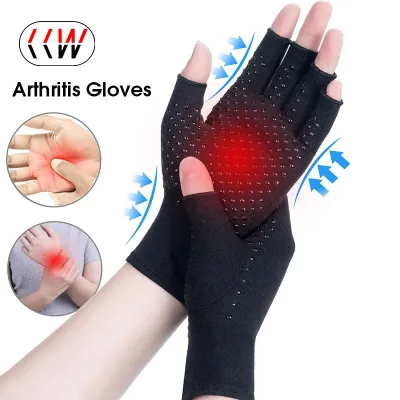
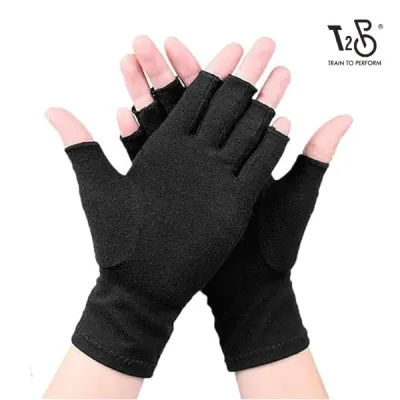
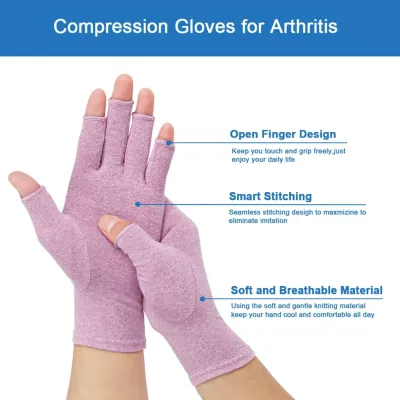
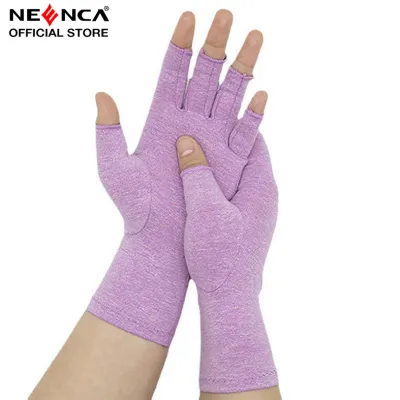
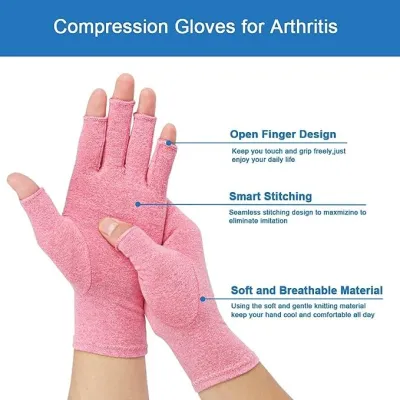
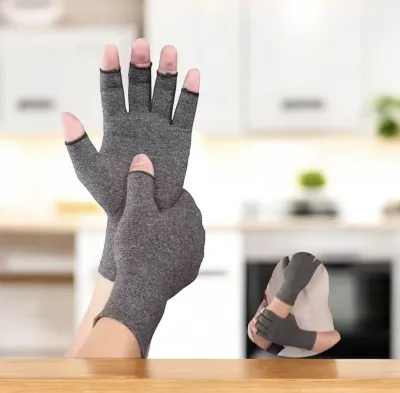
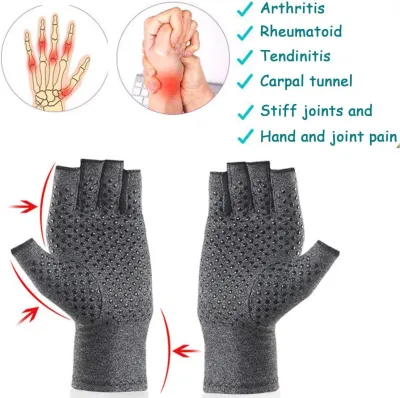
![[SG FREE ] 1Pair Magnetic Therapy Fingerless Gloves Arthritis Gloves Rheumatoid Compression Hand Pain Relief Heal](https://img.lazcdn.com/g/p/7d21d5c31a2402ee9da4096bf27fdc6d.jpg_400x400q80.jpg_.webp)
Prices are valid at publication and may change. Please refer to the product page for the latest price.
Effective compression relies on a graduated pressure gradient. This means the pressure should be firmest at the fingers and hand, gradually easing toward the wrist to encourage fluid movement and support natural circulation. If a glove fits poorly—such as being too tight at the wrist but loose around the fingers—it can create a tourniquet effect, restricting blood flow and causing discomfort rather than relief.
Dexterity is another critical factor influenced by hand anatomy. Women’s hands often require gloves that allow for fine motor tasks, such as typing, writing, or handling sports equipment. A glove designed specifically with a woman’s hand proportions in mind ensures that the seams align correctly with the joints, allowing the fingers to bend naturally without resistance. This balance of support and flexibility is essential for long-term wearability.
Core Criteria for Evaluating Compression Glove Brands
When evaluating compression glove brands, transparency in sizing is the first indicator of a reliable manufacturer. Reputable brands do not rely on simple “small, medium, large” labels without providing detailed, corresponding measurements. Look for brands that publish comprehensive sizing charts including palm width, palm circumference, and sometimes finger length. This level of detail shows the brand understands the necessity of a precise fit.

Material composition disclosure is equally important. High-quality brands clearly state the exact percentages of fibers used, such as nylon, spandex, cotton, or elastane. This transparency allows you to gauge the elasticity and durability of the glove. Avoid brands that use vague terms like “miracle fabric” or hide their material makeup, as these products often lose their elasticity after only a few washes.
Evaluate the brand’s warranty and return policies before purchasing. Because compression garments must fit perfectly to work safely, a reliable brand should offer a clear exchange policy for sizing issues. Brands that stand behind their products typically provide a reasonable window for returns or exchanges, provided the gloves are tried on cleanly and kept in original packaging.
Finally, analyze user feedback patterns rather than individual reviews. Look for consistent comments regarding seam durability, stitching quality, and how well the compression holds up over time. If multiple users report that the seams unravel quickly or that the gloves stretch out permanently after a week, it indicates poor manufacturing standards, regardless of how popular the brand name might be.
How to Measure Your Hands for a Reliable Fit
To achieve a reliable fit, you must measure your hands accurately before looking at any brand’s size chart. Do not guess your size based on standard fashion gloves, as compression sizing is much more precise. You will need a flexible measuring tape or a piece of non-stretch string and a standard ruler.
Begin by measuring your palm width. Hold your hand flat with your fingers together but relaxed. Place the measuring tape across the widest part of your palm, typically just below your knuckles, excluding your thumb. Note this measurement in both centimeters and inches, as different brands use different units.
Next, measure your palm circumference if the brand chart requires it. Wrap the tape measure entirely around your hand at the same knuckle line, keeping the tape snug but not tight. If you are considering full-finger compression gloves, you should also measure the length of your middle finger from the base of the finger to the tip to ensure the glove fingers will not be too long or too short.
Always measure both hands, as your dominant hand is often slightly larger than your non-dominant hand. Use the larger set of measurements when consulting size charts. If your measurements fall directly on the borderline between two sizes, consider your specific needs: choose the smaller size for firmer compression if you have highly elastic joints, or opt for the larger size if you prefer milder support or have sensitive skin.
Matching Materials and Features to Your Activity
Singapore’s warm and humid climate makes material selection a primary consideration for comfort. Cotton-spandex blends are highly breathable and soft against the skin, making them excellent for indoor wear, sleeping, or light daily tasks. However, they tend to absorb moisture and dry slowly, which may not be ideal for outdoor activities or intense workouts.
For active use or outdoor sports, nylon-spandex or polyester-elastane blends are superior choices. These synthetic materials are highly durable, offer excellent moisture-wicking properties, and dry quickly. They provide a slicker feel and often retain their compressive tension longer than cotton blends, making them suitable for gym sessions, cycling, or running.
| Material / Feature | Best Suited For | Key Benefit | Climate Suitability |
|---|---|---|---|
| Cotton-Spandex | Indoor wear, sleeping, light tasks | Soft, breathable, gentle on skin | Ideal for air-conditioned spaces |
| Nylon-Spandex | Sports, workouts, active daily use | Moisture-wicking, durable, firm support | Excellent for humid outdoor environments |
| Open-Finger Design | Typing, phone use, daily chores | Preserves tactile sensitivity | Highly breathable for daily wear |
| Silicone Grips | Driving, holding sports gear, writing | Prevents slipping, enhances hold | Useful for active or outdoor tasks |
Consider whether an open-finger or full-finger design suits your lifestyle. Open-finger designs leave the fingertips exposed, allowing you to use smartphones, type on keyboards, and maintain full tactile sensitivity. Full-finger designs provide complete coverage, which can be beneficial if you spend long hours in heavily air-conditioned offices where your hands tend to get cold.
Pay close attention to seam placement and grip features. External or flat-lock stitching is preferred because it minimizes friction against the skin, reducing the risk of irritation or pressure marks. If you plan to use the gloves while driving, cycling, or holding tools, look for models with textured silicone patterns on the palms to ensure a secure grip without requiring extra hand strength.
Where to Buy in Singapore and What to Verify
When shopping for compression gloves in Singapore, purchasing from authorized sources is essential to ensure product safety and authenticity. Local pharmacies, medical supply shops, and specialized sports retailers are excellent places to start. Buying in person allows you to inspect the material quality, check the stitching, and sometimes try on a sample to verify the sizing before committing to a purchase.
If you prefer online shopping, utilize reputable e-commerce platforms but exercise caution. Look for official brand stores or authorized distributors rather than third-party sellers with unverified credentials. Be skeptical of listings with extremely low prices, as counterfeit compression garments often use cheap, non-compressive fabrics that offer no support and may cause skin irritation.
Before finalizing your purchase, verify the seller’s return and exchange policy. In Singapore, many physical retailers do not accept returns on personal wearable items due to hygiene regulations. If buying online, check if the platform offers a buyer protection guarantee or if the seller allows exchanges for sizing issues. Budgeting between S$20 and S$50 is typical for a high-quality, durable pair of compression gloves that will maintain their shape and support over time.
Always inspect the product packaging upon delivery. Authentic products should feature clear labeling, detailed material specifications, care instructions, and batch numbers. If the packaging is generic, lacks clear instructions, or the gloves have a strong chemical odor, return them immediately and contact the manufacturer or platform customer service.
Frequently Asked Questions (FAQ)
How tight should compression gloves feel?
Compression gloves should feel snug and supportive, similar to a firm, reassuring hug around your hand and fingers. They should apply consistent, even pressure without causing pain, throbbing, or discomfort. You should still be able to move your fingers and perform daily tasks without feeling restricted.
If you experience tingling, numbness, cold fingertips, or skin discoloration while wearing the gloves, they are too tight and are restricting your circulation. Remove them immediately. These symptoms indicate that you need to size up to ensure safe and effective use.
Can I wear compression gloves all day or while sleeping?
Most manufacturers recommend wearing compression gloves for up to 8 hours at a time, but you should always start slowly. Begin by wearing them for 2 to 4 hours during the day to monitor how your skin and joints react to the pressure and the material.
If you plan to wear compression gloves while sleeping, ensure they are specifically rated for overnight use and do not feature tight wrist bands that could restrict blood flow while you are inactive. For any chronic joint conditions or persistent circulatory issues, always consult a healthcare professional before wearing compression garments for extended periods.
Community discussion
Share your experience or ask a question. Comments are reviewed before publication.