
Finding reliable compression hand gloves in Singapore requires matching the glove’s design to your specific activity, verifying the material composition for our humid climate, and carefully measuring your hand to ensure a proper fit. Because there are no universal “best” brands, the key is knowing how to evaluate product specifications, check sizing charts, and identify red flags in marketing claims. Whether you need support for long hours of typing in an air-conditioned office, recovery after an intense workout, or management of daily hand fatigue, selecting the right pair involves a systematic evaluation of materials, construction, and fit.
Identifying Your Specific Hand Support Needs
Before browsing online marketplaces or visiting physical sports stores in Singapore, you must define exactly why you need hand support. Compression gloves serve different purposes depending on their design, and a glove built for sports recovery may not be suitable for typing or daily household chores. Understanding your primary activity helps you narrow down the options to find a pair that offers the right balance of support and flexibility.
For general joint support and managing everyday hand fatigue, mild compression is often sufficient. This level of support is ideal for individuals who experience dull aches after repetitive tasks, such as writing, crafting, or using a computer. The gentle pressure helps promote blood flow and keeps the hands warm, which can be particularly comforting in air-conditioned office environments.
Products mentioned in this guide
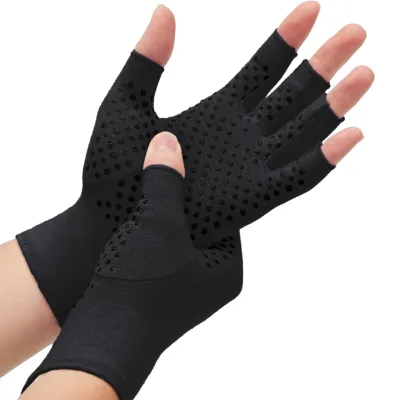
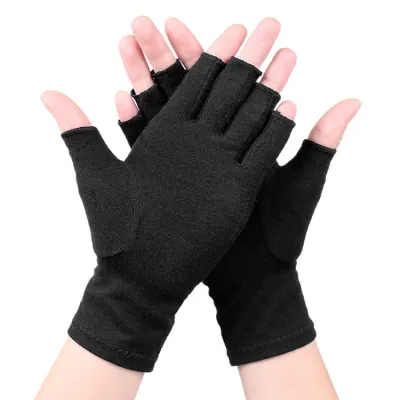
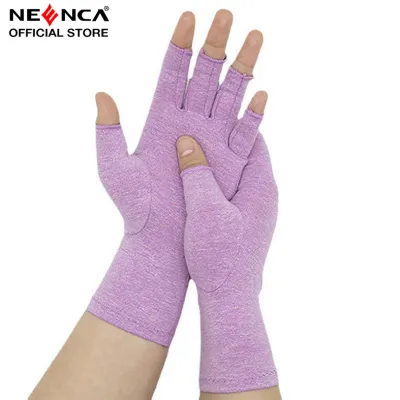
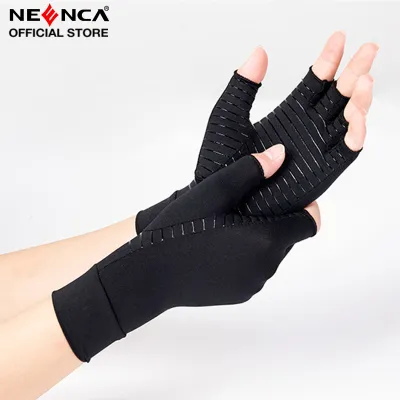
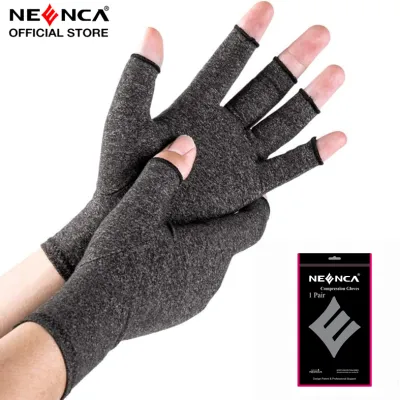
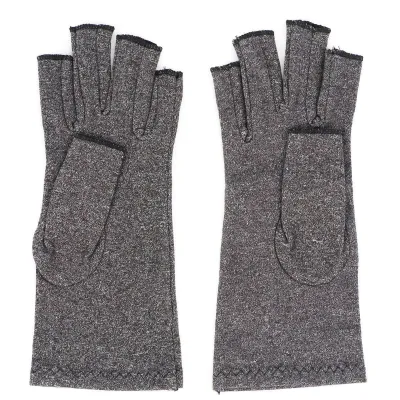
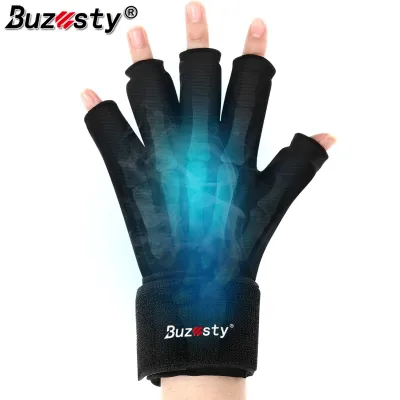
Prices are valid at publication and may change. Please refer to the product page for the latest price.
If you are looking for sports recovery or joint protection during physical activities, you will need gloves designed to withstand higher levels of stress. Athletes, weightlifters, and cyclists often use compression gear to support their wrists and fingers during training. These gloves typically feature reinforced palms, moisture-wicking fabrics, and sometimes integrated wrist wraps to provide extra stability under load.
It is crucial to recognize the limits of compression wear and understand when to seek professional medical advice. Compression gloves are designed to provide temporary support and comfort; they are not a cure for underlying medical conditions. If you experience persistent, sharp pain, sudden swelling, numbness, or tingling that does not improve, you should consult a qualified healthcare professional in Singapore rather than relying solely on self-treatment with compression gear.
Matching your specific activity level to the required glove flexibility, grip, and coverage is the final step in identifying your needs. For example, office workers who type for hours require open-finger gloves that leave the fingertips free to touch keys and screens. Conversely, outdoor cyclists or gym-goers might prefer full-finger gloves with heavy-duty silicone grips to maintain control over handlebars or barbells.
Essential Design and Material Features to Evaluate
Once you know your needs, you can evaluate the physical attributes and materials of different compression gloves. The material composition directly affects how the gloves feel against your skin, how long they last, and how well they perform in Singapore’s warm and humid climate. Paying close attention to these specifications prevents discomfort and ensures you get a durable product.

Fabric blends are the foundation of any compression garment. Most compression gloves are made from a blend of nylon and spandex, cotton and spandex, or polyester and spandex. Spandex provides the necessary elasticity and compression, while the companion fiber determines the texture and breathability. Cotton-spandex blends are soft and comfortable for sensitive skin, but they tend to retain moisture, making them less ideal for sweaty workouts or outdoor activities.
For Singapore’s climate, nylon-spandex or polyester-spandex blends are generally preferred due to their superior moisture-wicking and quick-drying properties. These synthetic fibers pull sweat away from the skin and allow it to evaporate quickly, keeping your hands dry and cool. When reviewing product specifications, look for a high spandex percentage (typically between 10% and 20%) to ensure the gloves maintain their shape and compression level over time.
Seam placement and stitching quality are critical factors that determine long-term comfort. Poorly placed or bulky seams can rub against the skin, causing irritation, chafing, or even blisters during prolonged wear. Look for gloves constructed with flatlock seams, which lie flat against the fabric and minimize friction. Additionally, inspect the edge binding around the finger openings and wrist cuffs; double-stitched or reinforced edges prevent fraying and ensure the gloves do not lose their structure.
Functional design choices should align with your daily tasks. Grip enhancements, such as silicone patterns printed on the palms and fingers, are highly beneficial for maintaining a secure hold on objects like phones, steering wheels, or sports equipment. Wrist support extensions, which feature longer cuffs or adjustable hook-and-loop straps, provide extra stability for the wrist joint. Finally, decide between open-finger configurations for tactile sensitivity and full-finger designs for comprehensive coverage and warmth.
Sizing and Fit: Ensuring Proper Compression Levels
Selecting the correct size is the most critical step in purchasing compression hand gloves. A glove that is too loose will not provide enough pressure to offer any support, while a glove that is too tight can restrict blood circulation and cause discomfort or injury. Because sizing standards vary significantly between brands, you must measure your hands accurately rather than relying on your usual glove size.
To find your correct size, follow a step-by-step measuring process using a flexible measuring tape. First, measure your hand circumference by wrapping the tape around your palm just below the knuckles, excluding the thumb. Second, measure your knuckle width flat across the widest part of your palm. If you are purchasing full-finger gloves, you should also measure the length of your middle finger from the base to the tip. Compare these measurements against the manufacturer’s specific sizing chart to find the closest match.
Understanding the differences between compression levels helps you choose the right intensity of support. Product labels and packaging often categorize compression into mild, moderate, or firm levels. Mild compression is suitable for daily wear, typing, and mild fatigue, offering gentle support without restricting movement. Moderate compression provides firmer support for sports recovery and joint stability, while firm compression is typically reserved for medical-grade applications and should only be worn under professional guidance.
You must remain vigilant for signs of an improper fit when wearing your gloves. If you experience numbness, tingling, cold fingertips, or a throbbing sensation, the gloves are likely too tight and are restricting your blood flow. Other indicators include visible, deep skin indentations that persist long after removing the gloves, or difficulty moving your fingers. If you notice any of these symptoms, stop using the product immediately and opt for a larger size.
Verifying Brand Reliability and Product Claims
With numerous brands available on online marketplaces and in local retail stores, verifying product claims is essential to avoid low-quality items. Many manufacturers use exaggerated marketing language, so you must equip yourself with practical methods to assess the credibility of a brand and its products before making a purchase.
Start by cross-referencing brand marketing claims with official product labels and material composition lists. For example, some brands claim their gloves are infused with copper to provide health benefits. While copper-infused fabrics can help reduce odor-causing bacteria, there is no strong evidence that copper provides therapeutic joint relief. Focus on the actual material percentages (such as the spandex content) and the manufacturer’s warranty rather than relying on sensationalized health claims.
Analyzing verified customer reviews on reputable online retailers and sports forums provides valuable insights into real-world performance. Look for consistent feedback regarding how well the gloves retain their compression after multiple washes and weeks of daily use. Pay attention to reviews from users with similar needs, such as those who use the gloves for typing or cycling, to see how the product performs under specific conditions. Be skeptical of products with exclusively perfect reviews, as genuine feedback usually includes minor criticisms about fit or wear.
Identifying red flags in product listings can save you from purchasing substandard gear. Avoid brands that make unsubstantiated medical cure claims, such as promising to permanently cure chronic joint conditions. A lack of a clear, detailed sizing guide is another major red flag, as it indicates the manufacturer does not prioritize proper fit. Finally, missing material specifications or vague descriptions (such as simply listing “elastic fabric” without percentages) suggest a lower-quality product that may lose its elasticity quickly.
Building Your Shortlist: Purchasing and Care Guidelines
Once you have evaluated your needs, materials, sizing, and brand credibility, you can finalize your selection and establish a shortlist of potential gloves. Navigating the purchasing process safely and caring for your gloves properly will ensure you get the maximum value and longevity from your investment.
In Singapore, you can compare purchasing channels to find the most reliable source. Buying directly from official brand websites or authorized physical sports stores in local shopping malls ensures you receive genuine products and have access to official customer support. Established online marketplaces also offer a wide selection, but you must verify that the seller is an authorized distributor or the official brand store to avoid counterfeit goods. Expect to spend anywhere from S$15 to S$50 for a reliable pair of compression gloves, depending on the materials and features.
Before finalizing your purchase, carefully review the seller’s return policies and exchange conditions. Because proper fit is essential for compression gloves, you may need to exchange your pair if the initial size does not provide the correct level of support. Check if the retailer allows returns or exchanges for opened packaging, and note any trial periods or return shipping fees that may apply, especially when ordering from international sellers.
Following the manufacturer’s care instructions is vital to preserve the elastic fibers and maintain compression integrity over time. To clean your gloves, hand wash them in cold water using a mild detergent, as harsh chemicals and fabric softeners can degrade the spandex fibers. Avoid using a washing machine or tumble dryer, which can stretch or melt the elastic materials. Instead, gently squeeze out excess water without wringing, and lay the gloves flat to air dry in a shaded, well-ventilated area away from direct sunlight.
Frequently Asked Questions (FAQ)
Can I wear compression gloves all day and night?
Whether you can wear compression gloves continuously depends on the product design and your personal comfort. Daytime gloves, which often feature open fingers and palm grips, are designed for active use and should generally be removed during periods of rest. Nighttime gloves are typically simpler and designed to be worn while sleeping to help manage morning stiffness, but they must have a milder compression level to prevent circulation issues while you are inactive.
You should monitor your hands for physical signs that indicate the gloves should be removed immediately. These signs include excessive sweating, skin irritation, itching, or any sensation of numbness and tingling. As a general rule, it is best to take regular breaks from wearing compression gear to allow your skin to breathe and your natural circulation to function without restriction. Always consult the specific product instruction manual or a qualified healthcare professional for personalized guidance on daily wear limits.
How do I know if the compression is too tight?
You can identify excessive compression by observing how your hands feel and look while wearing the gloves. The gloves should feel snug, supportive, and comfortable, like a gentle hug around your joints. If you experience pain, a throbbing sensation, or restricted movement that makes simple tasks difficult, the gloves are too tight.
Other clear warning signs include physical symptoms like numbness, tingling, cold fingertips, or a change in skin color (such as turning pale or bluish). Additionally, if you remove the gloves and notice deep, painful red indentations on your skin that take a long time to disappear, the fit is too restrictive. If any of these symptoms occur, remove the gloves immediately, allow your circulation to return to normal, and reassess your measurements against the sizing chart to select a larger size.
Community discussion
Share your experience or ask a question. Comments are reviewed before publication.