
Selecting the right men’s exercise gloves for weight training in Singapore requires balancing grip security, hand protection, and heat management. In a tropical climate where high humidity accelerates sweating, a poorly chosen pair of gloves can quickly become slippery, uncomfortable, and prone to unpleasant odors. Reliable brands distinguish themselves not through flashy marketing, but through material transparency, robust stitching, and accurate sizing systems. By understanding how different glove designs interact with your specific lifting routine—whether you are performing heavy compound lifts in a specialized strength facility or high-volume dumbbell work in a commercial gym—you can make an informed decision that protects your hands and enhances your training consistency.
Core Criteria for Evaluating Exercise Glove Brands
When searching for reputable manufacturers of men’s exercise gloves, the first indicator of quality is material transparency. Reliable brands clearly specify the composition of their gloves, detailing the exact areas that utilize genuine leather, synthetic leather, neoprene, or breathable mesh. Genuine leather offers exceptional durability and a classic feel but requires more care, whereas high-grade synthetics often provide better moisture-wicking properties and are easier to wash. A brand that openly shares these material breakdowns allows you to assess how the gloves will perform under heavy friction and sweat.
Another critical factor is the manufacturer’s customer support infrastructure, including warranty terms and return policies. Because weight training gear is subjected to repetitive stress, reputable brands often provide a clear window for returns or exchanges if manufacturing defects, such as premature seam splitting, occur. Before purchasing, check the brand’s official channels to verify their responsiveness and the clarity of their exchange policies, especially when ordering from international brands through local distributors.
Products mentioned in this guide
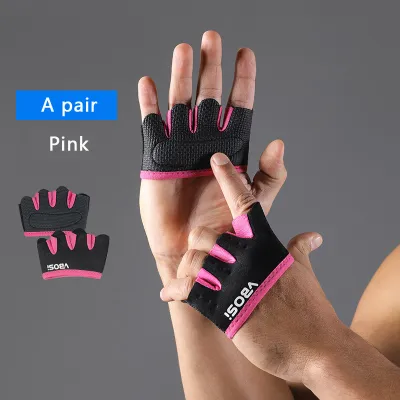
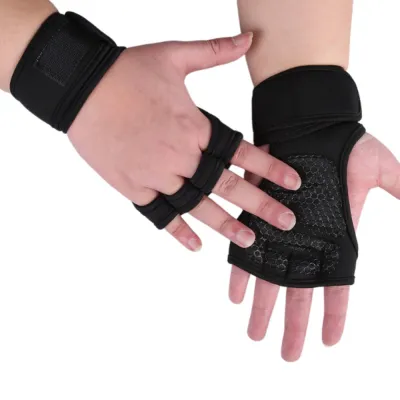
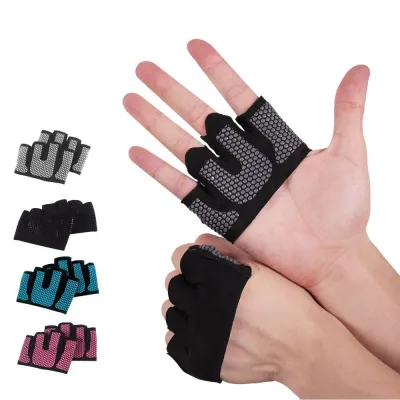
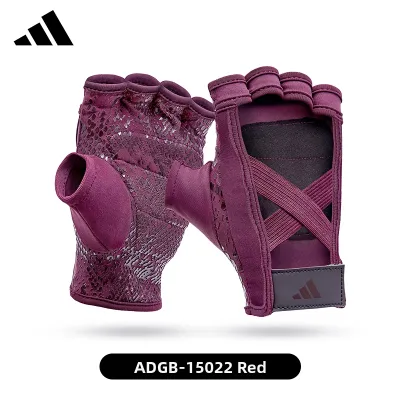
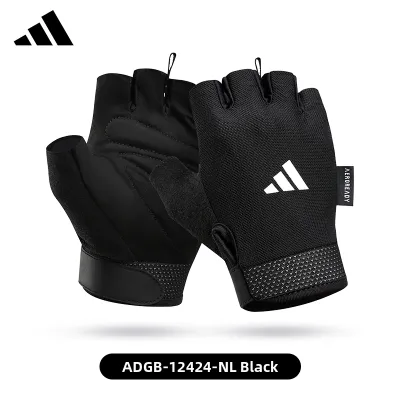
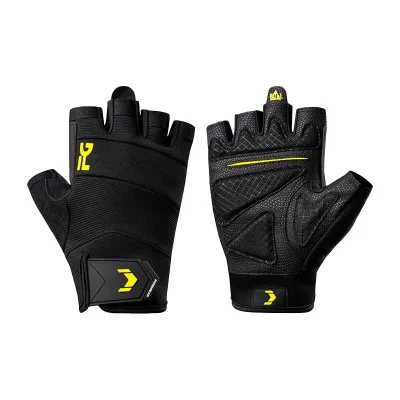
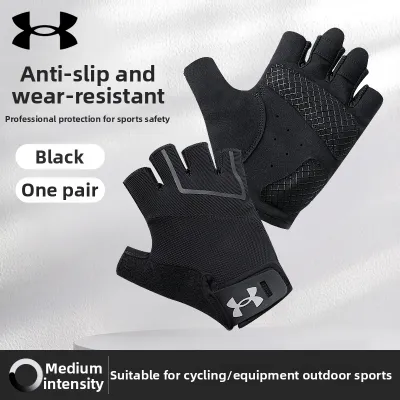
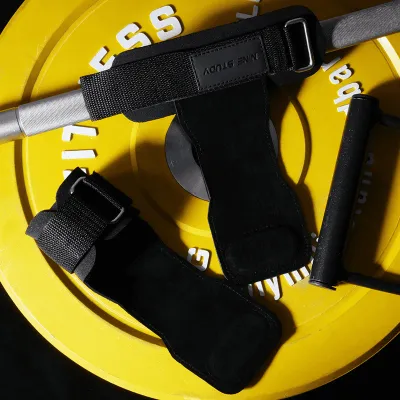
Prices are valid at publication and may change. Please refer to the product page for the latest price.
Finally, look closely at the consistency and detail of the brand’s sizing resources. A trustworthy brand does not rely on generic sizing labels without providing precise measurements. They should offer comprehensive sizing charts that guide you on how to measure your palm circumference and hand length. Some brands even provide specific fit recommendations based on whether you prefer a tight, compressed feel or a slightly looser fit for easier removal between sets.
Matching Glove Features to Your Weight Training Style
Your lifting style dictates the type of glove construction that will serve you best. Powerlifting and heavy compound training, such as deadlifts and rows, require maximum contact with the barbell to maintain a secure grip. For these movements, look for minimalist glove designs that feature thin, high-traction palm materials. Thick padding can alter your grip mechanics by effectively increasing the diameter of the bar, making it harder to hold heavy weights. Minimalist gloves focus on protecting the skin from painful tears and blisters while preserving your natural bar feel.

If your routine centers on bodybuilding and hypertrophy, where you perform high-volume sets using dumbbells, cable machines, and guided resistance equipment, a padded palm structure is highly beneficial. These gloves typically feature strategically placed gel or foam inserts along the pressure points of the palm and fingers. This padding helps distribute pressure evenly across your hand, reducing localized discomfort during high-rep press variations and heavy carries. Look for brands that segment the padding to allow your hand to flex naturally around handles and bars.
For functional fitness and cross-training, versatility and breathability are paramount. These workouts often transition rapidly between barbell lifts, pull-ups, and bodyweight movements. Gloves designed for this style should feature highly breathable mesh backings to facilitate airflow and rapid sweat evaporation. They also benefit from reinforced pull tabs or quick-removal loops, allowing you to transition between exercises without struggling to pull off damp gloves.
Verifying Product Quality and Brand Reliability Before You Buy
To ensure your chosen gloves survive months of intense training, you must know how to inspect their physical construction. Start by examining the palm padding distribution. High-quality gloves feature padding that is securely stitched into place, preventing the internal foam or gel from shifting or bunching up over time. The padding should align with the natural creases of your hand to ensure it does not restrict your grip. If you require extra wrist stability, evaluate the integrated wrist wraps; they should be wide, semi-rigid, and long enough to wrap securely around your wrist joint.
Next, pay close attention to the stitching and closure systems. Double-stitched seams, particularly around high-stress areas like the thumb crotch and the base of the fingers, are essential for preventing blowouts. Inspect the hook-and-loop fasteners. High-grade fasteners feature dense, low-profile hooks that grip firmly and resist lint accumulation, ensuring the strap remains secure even when subjected to sudden tension during a lift.
When shopping online through local ecommerce platforms or specialty fitness sites, look past the promotional images and analyze verified customer reviews. Filter the feedback to focus on long-term durability reports. Pay attention to recurring complaints regarding split seams, peeling palm grips, or color bleeding when wet. A brand with consistently positive feedback regarding long-term wear is far more reliable than one that relies solely on high initial ratings.
Sizing, Fit, and Break-In Expectations
Securing the correct fit is vital for both safety and comfort. To measure your hand accurately, use a flexible fabric measuring tape. Wrap the tape around your dominant hand at the widest point of your palm, excluding your thumb, and make a loose fist. Compare this measurement in centimeters against the brand’s specific sizing chart. If your measurement falls between two sizes, consider your hand structure and training style: choose the smaller size for a snug, high-dexterity fit, or the larger size if you have thicker fingers or prefer a bit of breathing room.
Keep in mind that different materials behave differently over time. Natural leather gloves will feel stiff initially but will gradually stretch and mold to the unique contours of your hands after a few workouts. This break-in period is normal, and you should expect a slightly tight fit out of the box. Conversely, synthetic materials like neoprene, nylon, and polyurethane blends stretch very little. Synthetic gloves should fit comfortably from day one, as they will not expand significantly with continued use.
An improper fit can compromise your safety during a workout. If a glove is too loose, the excess material can bunch up in your palm, creating painful pressure points and reducing your grip stability on the bar. If it is too tight, it can restrict blood circulation, leading to hand fatigue or numbness during your sets. Ensure you can fully close your fist without feeling excessive pinching or restriction across the back of your hand.
Care and Maintenance to Extend Glove Lifespan
Singapore’s warm, humid climate presents a unique challenge for fitness gear. Sweat-soaked gloves left in a dark, enclosed gym bag will quickly develop bacteria, leading to persistent, unpleasant odors and rapid material degradation. To prevent this, always remove your gloves from your bag immediately after your workout. Hang them in a well-ventilated indoor area away from direct sunlight to air-dry. Proper airflow is a highly effective way to keep your gloves hygienic and structurally sound.
When it comes to cleaning, always consult the manufacturer’s care label. Most synthetic and mesh gloves can be hand-washed in cool water using a mild, pH-neutral detergent. Gently squeeze out excess water without wringing or twisting the gloves, as this can damage the stitching and internal padding. For genuine leather gloves, avoid submerging them fully in water; instead, wipe the exterior with a damp cloth and occasionally apply a specialized leather conditioner to keep the material supple and prevent cracking.
Never use harsh chemicals, bleach, or fabric softeners, as these substances break down synthetic fibers and ruin the grip texture of the palms. Additionally, keep your gloves away from direct heat sources, such as clothes dryers or hair dryers. High heat can shrink leather, melt synthetic adhesives, and cause foam padding to lose its cushioning properties.
Frequently Asked Questions (FAQ)
Should I Use Lifting Straps Instead of Exercise Gloves for Heavy Pulls?
Lifting straps and exercise gloves serve entirely different purposes. Lifting straps are designed specifically to assist your grip during heavy pulling movements, such as deadlifts, shrugs, or heavy rows, by mechanically securing your wrists to the bar. This allows you to lift heavier weights without your grip strength being the limiting factor. Exercise gloves, on the other hand, are designed to protect the skin of your palms from friction, blisters, and tears across all exercises, including pushing movements. If your primary goal is hand protection and general grip stability, gloves are the appropriate choice; if you are trying to maximize your pulling weight, straps are more suitable.
How Do I Know When It Is Time to Replace My Weight Training Gloves?
You should replace your weight training gloves when they no longer provide adequate protection or structural support. Key indicators include compressed or flattened palm padding that fails to cushion your hands, or padding that has shifted and left high-pressure areas exposed. Additionally, inspect the seams and closures regularly. Frayed stitching, tearing material, or a hook-and-loop strap that no longer stays fastened during a lift are clear signs of structural failure. Continuing to use compromised gloves can lead to sudden grip slips or hand injuries.
Can Exercise Gloves Completely Prevent Calluses During Weight Training?
While exercise gloves significantly reduce the friction and direct pressure that cause calluses, they cannot completely prevent them. Heavy lifting naturally exerts high pressure on the skin of your palms, and some degree of skin thickening is a normal adaptive response. To complement your glove use, maintain a consistent hand care routine. This includes gently filing down excessively thick calluses with a pumice stone after showering and applying a moisturizing hand cream regularly to keep the skin elastic and prevent painful cracking.
Community discussion
Share your experience or ask a question. Comments are reviewed before publication.