
Quick Guide to Selecting a Trusted Sports Brace Brand
Selecting a reliable sports brace in Singapore requires matching the brace’s structural support to your sport’s specific movement patterns, verifying the manufacturer’s material specifications, and ensuring a precise fit. A trustworthy brand is defined by its transparency—providing detailed sizing charts, clear material compositions, and specific use-case recommendations rather than vague marketing promises.
In Singapore’s humid climate, a reliable brand must also demonstrate a commitment to material science, offering breathable, moisture-wicking fabrics that prevent skin irritation during intense workouts. Before purchasing, athletes should verify brand claims by examining product labels for medical-grade certifications and checking manufacturer specifications for structural reinforcements like dual-axis hinges or targeted compression zones.
Core Criteria for Evaluating Sports Brace Reliability
Evaluating the reliability of a sports brace brand involves looking past aesthetic designs and focusing on objective quality indicators. The first critical factor is material quality and breathability. High-quality brands utilize advanced synthetic blends, such as perforated neoprene, lightweight 3D circular knits, or moisture-wicking elastane. These materials facilitate airflow and accelerate sweat evaporation, which is essential for maintaining skin integrity and comfort during outdoor activities in Singapore.
Products mentioned in this guide
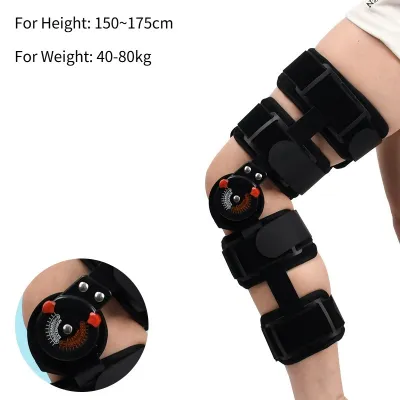
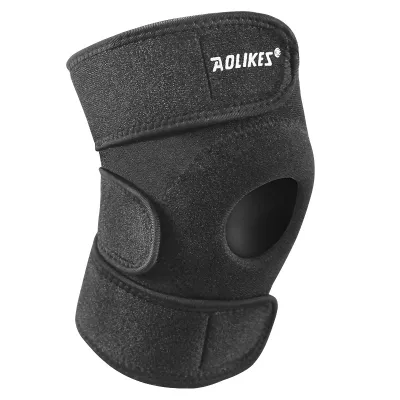
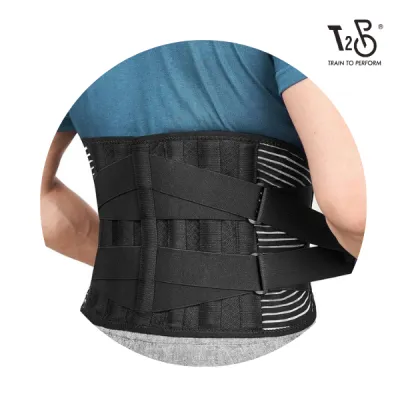
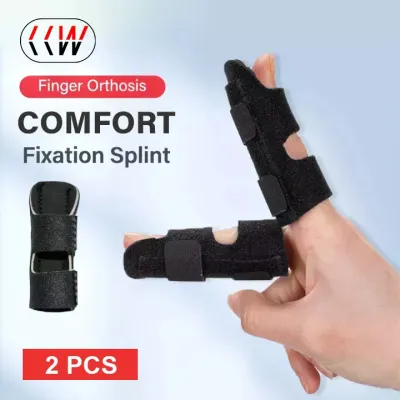
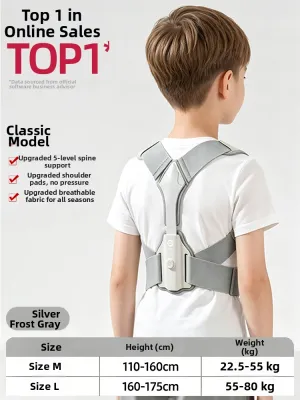
Prices are valid at publication and may change. Please refer to the product page for the latest price.

Structural design is another hallmark of a reputable brand. A reliable brace features anatomically contoured stabilizers, such as polycentric hinges that mimic the knee’s natural gliding motion, or semi-rigid stays that prevent lateral ankle inversion. The strapping systems should be robust, utilizing high-grade hook-and-loop fasteners that do not degrade or lose grip after repeated exposure to sweat and washing.
Certification and testing labels provide independent verification of a brand’s safety and performance claims. Look for indicators on the packaging such as CE marks, FDA registration, or compliance with ISO medical device standards. These certifications demonstrate that the manufacturer adheres to strict quality control processes and that the brace has been tested for consistent pressure distribution and structural durability.
Finally, evaluate the manufacturer’s warranty and return policies. Brands that stand behind their engineering typically offer clear warranties against manufacturing defects, such as split seams, cracked hinges, or failing fasteners. Access to local customer support through authorized distributors in Singapore is a strong indicator of a brand’s long-term reliability and commitment to consumer satisfaction.
Matching Brace Features to Specific Sport Types
No single brace design or brand philosophy can address every athletic demand. A brace engineered for maximum immobilization during post-injury rehabilitation will severely hinder a runner’s stride or a badminton player’s agility. Conversely, a lightweight compression sleeve designed for endurance running will fail to provide the mechanical support required during heavy squats or sudden lateral cuts on a court.
Understanding the biomechanical stresses of your sport is the first step in selecting the right product line. Sports can be broadly categorized by their primary movement patterns: linear repetitive impact, multi-directional agility, and high-load static resistance. By aligning the brace’s structural features with these movement patterns, you can optimize both joint protection and athletic performance.
Running and Endurance Sports
Running involves thousands of repetitive, low-amplitude impacts along a single plane of motion. The primary joint risks for runners include patellofemoral pain syndrome (runner’s knee), IT band friction, and mild ankle instability. Therefore, braces designed for running must prioritize a low profile, minimal weight, and exceptional breathability to prevent chafing over long distances.
When evaluating brands for running, look for product lines that feature patellar tendon straps, ultra-thin compression sleeves with integrated silicone gel pads, or lightweight ankle sleeves that fit easily inside running shoes without altering your gait. The materials should be highly breathable, such as open-weave circular knits, to handle the intense perspiration common in Singapore’s outdoor environments.
Always check the manufacturer’s care guidelines. Running braces require frequent washing to remove salt and sweat buildup, which can degrade elastic fibers over time. Brands that specify machine-washable materials or provide detailed hand-washing instructions are generally more suitable for high-mileage athletes.
Court and Agility Sports
Court sports like basketball, tennis, badminton, and netball demand rapid acceleration, sudden deceleration, jumping, and aggressive lateral cutting. These movements subject the ankles and knees to severe rotational and shear forces, making ligament sprains (such as ACL or lateral ankle sprains) a primary concern.
For these activities, look for brands that specialize in rigid or semi-rigid support systems. Ankle braces should feature lateral stabilizers—either in the form of removable plastic stays or reinforced canvas shells—combined with a non-stretch strapping system that mimics athletic taping (such as a figure-eight or heel-lock pattern). Knee braces for court sports often incorporate dual lateral stabilizers or spring steel stays to prevent the joint from buckling during lateral movements.
The challenge in agility sports is balancing joint restriction with necessary mobility. High-quality brands design their braces to restrict harmful extreme ranges of motion (like excessive ankle inversion) while allowing functional movement (like dorsiflexion and plantarflexion). Verify that the brand provides clear guidance on how to adjust the straps to achieve this balance.
Weightlifting and Strength Training
Weightlifting, powerlifting, and general strength training subject the joints to massive axial loads and extreme mechanical tension. The goal of a brace or support in this context is not to restrict movement, but to increase intra-articular pressure, improve proprioception, and provide mechanical warmth to the muscles and tendons.
When selecting brands for strength training, focus on heavy-duty materials. Knee sleeves should be made of dense, high-grade neoprene (typically 5mm to 7mm in thickness) with reinforced, double-stitched seams that can withstand extreme stretching under load. Wrist wraps should feature stiff, heavy-weave elastic with secure thumb loops and wide, industrial-grade hook-and-loop closures.
If you plan to compete, it is crucial to check the brand’s compliance with specific sport federations, such as the International Powerlifting Federation (IPF) or the International Weightlifting Federation (IWF). Many competitive bodies maintain approved lists of brands and specific product dimensions. Ensure the brand you choose explicitly states compliance with these standards to avoid disqualification at gear check.
Sizing, Fit, and Safety Checks Before Use
Even the most advanced, high-end sports brace will fail to protect your joints—and may even cause injury—if it does not fit correctly. An oversized brace will slip during movement, losing its supportive properties, while an undersized brace can restrict blood circulation, pinch the skin, and cause muscle cramping.
To ensure a proper fit, follow a systematic measurement process:
- Use a flexible measuring tape. Do not rely on clothing sizes or general height and weight estimates.
- Measure the specific anatomical landmarks indicated by the brand's sizing chart. For knee braces, this typically involves measuring the circumference of the mid-patella, as well as points 15cm above and 12cm below the kneecap. For ankle braces, measure around the heel and ankle joint.
- Take measurements while standing and with the muscle slightly contracted, as your limbs expand during physical activity.
Once you receive the brace, perform a comprehensive fit test before heading to your workout. Put the brace on according to the manufacturer’s instructions, ensuring all hinges or gel pads align perfectly with your joint anatomy. Walk around, perform a few light bodyweight squats, or mimic your sport’s movements.
Check for proper compression: the brace should feel snug and supportive but not painfully tight. Monitor your limbs for warning signs of an improper fit. If you experience numbness, tingling, coldness in your extremities, skin pinching, or deep red marks that persist long after removal, the brace is too tight or poorly aligned. If the brace slides down or bunches up during basic movements, it is too large. In either case, stop using the brace immediately and adjust the sizing.
Purchasing Channels and Authenticity Verification in Singapore
The popularity of sports braces has led to an influx of counterfeit products in the Singapore market, particularly on online marketplaces and unauthorized e-commerce platforms. Counterfeit braces often look identical to reputable brands but use inferior plastics, weak stitching, and non-medical-grade elastics that fail under load, posing a significant safety risk.
To guarantee authenticity, purchase your braces through verified channels. These include official brand flagship stores, authorized specialty sports retailers, and established local pharmacies or medical supply stores in Singapore. Authorized physical retailers often have trained staff who can assist with sizing and fitting, which is highly beneficial for complex, hinged braces.
When purchasing online, verify the seller’s credentials. Look for official distributor seals, holographic authenticity tags on the packaging, or unique serial numbers that can be registered on the manufacturer’s global website.
Evaluate the price-to-value ratio carefully. High-quality, medical-grade braces or specialized sports supports require significant research, development, and high-grade materials, which is reflected in their retail price. In Singapore, entry-level compression sleeves typically range from S$20 to S$50, while advanced, hinged knee braces or highly structured ankle stabilizers can range from S$80 to over S$200. If you encounter a premium brand product priced significantly below these standard market rates, treat it as a major red flag for a counterfeit item.
Frequently Asked Questions (FAQ)
Can I wear a sports brace all day for prevention?
No, wearing a highly supportive or rigid sports brace all day for general injury prevention is not recommended unless specifically prescribed by a medical professional. Braces are designed to provide external stability during high-stress athletic activities. Continuous, non-active wear can lead to muscle dependency, where the surrounding muscles and ligaments become underactive and weaken over time because the brace is doing the work for them. This muscle atrophy can actually increase your risk of injury when the brace is removed. For daily prevention, focus on targeted strength and mobility exercises, and reserve the brace for active training sessions. If you experience persistent pain or instability during daily tasks, consult a physiotherapist or sports physician for a personalized assessment.
How do I clean and maintain my sports brace?
Proper maintenance is essential to preserve the structural integrity and hygiene of your sports brace, especially in Singapore’s humid climate. Always refer to the manufacturer’s care label first. As a general rule, hand-wash your brace in cold water using a mild, pH-neutral detergent. Avoid harsh chemicals, bleach, or fabric softeners, which can break down elastic fibers and degrade neoprene. If the brace has removable metal hinges or plastic stays, take them out before washing. For machine-washable sleeves, use a mesh laundry bag on a delicate cycle. Never place a sports brace in a clothes dryer; the high heat will warp plastic components, melt adhesives, and destroy the elasticity. Instead, squeeze out excess water gently—do not wring—and lay the brace flat to air-dry in a well-ventilated, shaded indoor area away from direct sunlight. Inspect the brace regularly for signs of wear, such as fraying seams, cracked plastic, or weakened Velcro closures, and replace the unit when it can no longer provide secure support.
Community discussion
Share your experience or ask a question. Comments are reviewed before publication.