
Selecting reliable Taekwondo protective gear in Singapore requires a careful balance of safety compliance, personal mobility, and adaptation to a warm, humid training environment. While high-quality protective gear is indispensable for minimizing injuries, it is crucial to remember that equipment is a secondary line of defense. No helmet or guard can replace proper defensive technique, controlled sparring intensity, and the guidance of a qualified instructor. Before engaging in full-contact sparring, practitioners must ensure they have mastered basic blocking and footwork to avoid placing undue reliance on their padding.
In Singapore’s tropical climate, training sessions in local dojangs can be physically demanding, leading to rapid perspiration. This makes the breathability, moisture management, and hygiene of your gear just as important as its impact absorption. Whether you are a beginner preparing for your first grading or an experienced competitor gearing up for a national tournament, understanding how to evaluate and fit knee pads, ankle guards, and headgear will ensure you stay protected and agile on the mats.
Key Standards for Evaluating Taekwondo Gear Brands
When evaluating Taekwondo gear brands, the primary benchmark for safety and quality is World Taekwondo (WT) approval. Brands that carry the official WT-approved logo have undergone rigorous testing to ensure their products meet international standards for impact attenuation, coverage, and athlete safety. If you plan to compete in sanctioned tournaments in Singapore, using WT-approved gear is typically mandatory. For casual training, while non-approved gear from reputable brands may suffice, WT-certified equipment offers an assured baseline of manufacturing quality.
Products mentioned in this guide
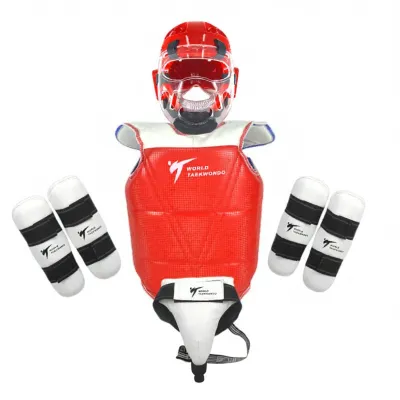
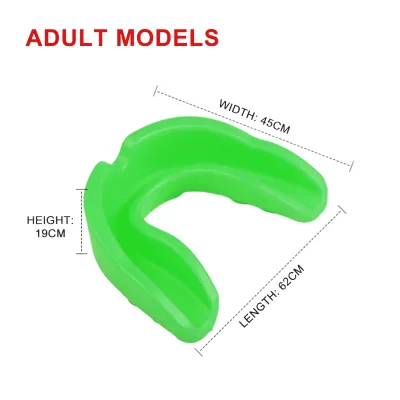
Prices are valid at publication and may change. Please refer to the product page for the latest price.
Material composition is another critical factor when assessing a brand’s reliability. High-density ethylene-vinyl acetate (EVA) foam is the industry standard for impact absorption, as it retains its shape and protective qualities under repetitive stress. The outer shell of headgear and pads should ideally be constructed from high-grade polyurethane (PU) leather or durable dipped foam, which resists tearing and is easy to wipe down after sweaty sessions. In Singapore’s humid climate, look for brands that incorporate antimicrobial treatments and moisture-wicking inner linings to prevent the buildup of bacteria and unpleasant odors.
It is generally advisable to prioritize brands that specialize exclusively in martial arts equipment rather than general sports brands. Specialized manufacturers design their gear with the specific biomechanics of martial arts in mind, ensuring that guards do not slip during high kicks or rapid pivoting. Brands like Daedo, Mooto, Tusah, and Adidas Martial Arts have spent decades refining their designs alongside professional athletes, making them highly reliable choices for practitioners of all levels.
Shortlisting Knee Pads: Fit, Mobility, and Impact Protection
Knee protection in Taekwondo is essential for preventing painful joint collisions during close-range sparring and accidental clashes during kicking drills. When shortlisting knee pads, you will primarily choose between elastic sleeve designs and strap-on designs. Elastic sleeves offer a low-profile, contoured fit that slides easily under your dobok (uniform) trousers without restricting your range of motion. However, they can lose their elasticity over time and may slip down during intense, sweaty training sessions.

Strap-on knee pads, on the other hand, feature adjustable hook-and-loop straps that allow you to customize the level of compression and secure the pad firmly in place. While they offer superior stability, the straps can sometimes feel bulky under trousers or catch on fabric during high-extension kicks. For Taekwondo, the ideal knee pad should feature a segmented padding design that wraps around the patella, offering lateral protection while allowing the joint to bend freely without bunching.
To ensure a secure fit, always refer to the manufacturer’s specific sizing chart rather than guessing based on your general clothing size. Measure the circumference of your knee joint at the center of the patella while standing with your leg straight. A properly fitted knee pad should feel snug and supportive without pinching your skin or cutting off circulation. If the pad slides down when you perform a basic front kick, or if you feel a throbbing sensation in your calf, the size is incorrect and must be adjusted before training.
Shortlisting Ankle Guards: Support Levels and Footwear Compatibility
The ankle joint and instep bear the brunt of both offensive kicks and defensive blocks, making ankle guards a vital component of your protective kit. Standard slip-on ankle wraps provide mild compression and warmth, which helps keep the joint stable and reduces the risk of minor strains during rapid footwork. These lightweight guards are excellent for general training and maintaining maximum agility on the mats.
For sparring sessions that involve heavy contact, you may want to look for reinforced ankle guards that feature integrated padding over the instep and the prominent bones of the ankle. If you use electronic scoring systems in your dojang, ensure that your ankle guards are fully compatible with your electronic foot protectors. Some brands design integrated foot-and-ankle guards that house the necessary sensors while still providing robust joint support.
When fitting ankle guards, pay close attention to the heel and Achilles tendon areas. The guard should feature a reinforced opening for the heel that does not pinch or chafe during repetitive pivoting. In Singapore’s humid environment, fabric ankle guards can absorb a significant amount of sweat, which can cause slipping on smooth puzzle mats. Look for models made from breathable, quick-drying polyester-spandex blends that maintain a firm grip on your skin even when wet.
Shortlisting Headgear: Visibility, Weight, and Coverage Area
Headgear is arguably the most critical piece of protective equipment, designed to reduce the risk of superficial head injuries, cuts, and bruises during sparring. Standard WT-approved headgear features an open-face design made from high-density dipped foam. This design is favored because it maximizes peripheral vision, allowing you to spot incoming high kicks from the side. While full-face headgear with plastic shields offers maximum facial protection, it significantly limits ventilation and can impair your vision, making it less suitable for standard WT-style sparring.
Weight distribution is a key safety factor when selecting headgear. Heavy or poorly balanced helmets can place unnecessary strain on your neck muscles during rapid head movements, increasing fatigue and reducing your reaction time. High-quality headgear should feel lightweight and distribute pressure evenly across your forehead, temples, and the back of your skull. The internal padding should contour to your head shape without creating localized pressure points.
Proper ventilation is essential for training in Singapore to prevent overheating and heat exhaustion. Look for headgear with generous ventilation holes across the top and sides to facilitate airflow. The chin strap should be easily adjustable, utilizing a secure hook-and-loop closure that keeps the helmet firmly in place during impact. If the headgear shifts or rotates when you shake your head, it is too loose and will not provide adequate protection during a match.
Purchasing and Verifying Authenticity in Singapore
To ensure you are purchasing genuine, high-quality protective gear, it is best to source your equipment from authorized martial arts distributors or official brand stores in Singapore. Many reputable brands partner with local physical showrooms where you can try on different sizes and styles before making a purchase. Buying from authorized physical stores also allows you to seek advice from staff who understand the specific requirements of local clubs and tournament organizers.
If you choose to purchase gear through online marketplaces, be vigilant against counterfeit products, which often use substandard foam that fails to absorb impacts safely. Always verify the presence of the holographic WT-approved sticker on the product, which is a key indicator of authenticity. Examine the stitching and overall build quality; genuine gear features neat, double-stitched seams and smooth edges, whereas counterfeits often exhibit loose threads, uneven padding, and a strong chemical odor.
Before finalizing your purchase, carefully review the retailer’s return and exchange policies. Because protective gear must fit precisely to offer maximum safety, you may need to exchange an item if the fit is not perfect upon trying it on at home. Ensure the retailer allows exchanges for sizing issues, and keep all original packaging and tags intact until you are completely satisfied with the fit and quality of your new gear.
Frequently Asked Questions (FAQ)
Do I need World Taekwondo (WT) approved gear for local sparring?
For casual training and internal club sparring, WT-approved gear is generally not strictly mandatory, though it is highly recommended for its verified safety standards. However, if you plan to participate in official tournaments sanctioned by the Singapore Taekwondo Federation (STF) or other national bodies, WT-approved gear is a strict requirement. It is always best to consult your club instructor to confirm the specific gear requirements for your current training level and upcoming events.
How often should taekwondo protective gear be replaced?
You should inspect your protective gear regularly for signs of wear and tear that could compromise your safety. Headgear should be replaced immediately if you notice any cracks in the dipped foam, deep creases, or if the chin strap hook-and-loop fastener no longer holds securely. For knee pads and ankle guards, replace them when the internal foam feels permanently compressed, or when the elastic fabric stretches out to the point where the guards slip during movement. On average, with regular training of two to three times a week, fabric-based guards should be replaced every 12 to 18 months to maintain optimal support and hygiene.
Community discussion
Share your experience or ask a question. Comments are reviewed before publication.