
Finding the right zinc oxide tape in Singapore is essential for athletes, coaches, and physiotherapists who require dependable joint support during high-impact activities. In Singapore’s hot and humid climate, standard adhesive tapes often fail due to heavy sweating and moisture buildup, leading to premature peeling and compromised joint stability. To secure the best performance, you must look beyond brand names and evaluate the tape’s material composition, adhesive quality, and skin compatibility. This guide provides a comprehensive framework to help you select, verify, and apply high-quality zinc oxide tape that stands up to intense physical demands.
By understanding the technical specifications of rigid athletic tapes, you can make informed purchasing decisions at local pharmacies, specialty sports shops, or online marketplaces. Whether you are managing a chronic ankle instability, protecting your fingers during rock climbing, or securing a wrist for weightlifting, choosing the correct tape ensures your joints remain protected without causing unnecessary skin damage.
Understanding the Role of Zinc Oxide Tape in Sports
Rigid zinc oxide tape serves a highly specific function in sports medicine and athletic training: it is designed to restrict joint movement and prevent unwanted or harmful ranges of motion. Unlike elastic kinesiology tapes, which stretch to accommodate movement and promote localized blood flow, zinc oxide tape is completely non-elastic. It acts as a temporary, external splint that stabilizes joints under high mechanical stress, making it the preferred choice for acute injury prevention and post-injury rehabilitation.
Products mentioned in this guide
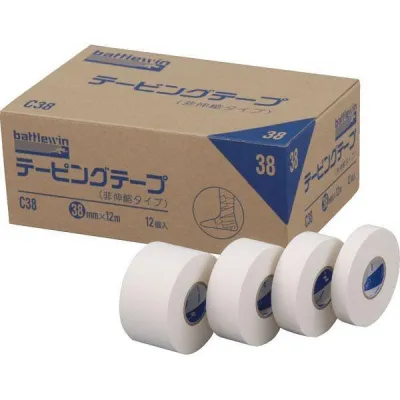
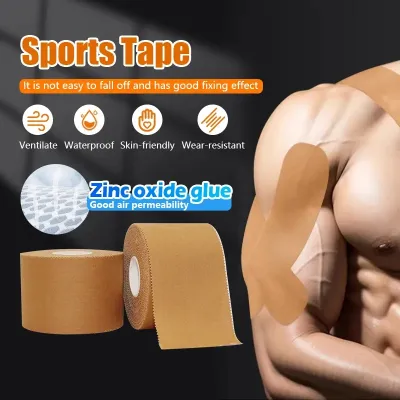
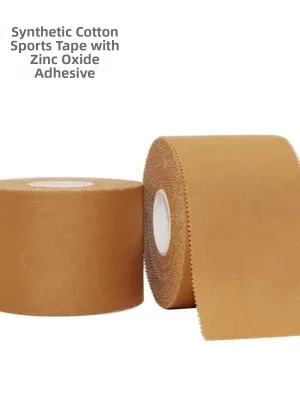
![[SG STOCK]Breathable Bundling Sports Tape Sports Cotton Tape Zinc Oxide elastic Training Care Muscle Injury Tape Muscle Patch](https://img.lazcdn.com/g/p/11177cfe2ddc42d7d94b7bd5179c90a3.jpg_400x400q80.jpg_.webp)
Prices are valid at publication and may change. Please refer to the product page for the latest price.
This rigid support is particularly crucial for joints that are prone to ligamentous sprains or structural instability, such as ankles, wrists, knees, and fingers. For example, a basketball player recovering from an inversion ankle sprain relies on the absolute rigidity of zinc oxide tape to prevent the foot from rolling inward during lateral cuts. Similarly, rugby players and martial artists use it to wrap fingers and wrists, ensuring the joints do not hyperextend under sudden impact. Because the tape does not yield to tension, it absorbs a significant portion of the mechanical load that would otherwise be transferred to vulnerable ligaments.
Matching the tape’s physical properties to your specific sport is essential for both safety and performance. In high-impact, high-friction environments like rock climbing or gymnastics, the tape must withstand constant abrasion against rough surfaces without tearing or rolling at the edges. In endurance sports like running or football, the primary challenge is maintaining structural integrity over hours of repetitive movement. Understanding that zinc oxide tape is meant for structural immobilization—rather than muscle facilitation or swelling reduction—helps you apply it only in scenarios where rigid stabilization is genuinely required.
Key Selection Criteria for Adhesion and Skin Comfort
When evaluating different zinc oxide tapes, the adhesive formulation is the most critical factor governing performance. Most high-quality tapes use either a natural rubber-based adhesive or a synthetic acrylic adhesive infused with zinc oxide. Rubber-based adhesives generally offer superior initial tack and a stronger mechanical bond, making them excellent for heavy-duty joint wrapping. However, acrylic-based adhesives are often preferred for individuals with sensitive skin or those who require long-duration wear, as they tend to be less irritating and offer excellent resistance to moisture and sweat.

To assess sweat tolerance and edge-lift resistance before purchasing, look closely at the product specifications. High-performance tapes often feature a porous adhesive coating, applied in a striped or wave pattern rather than a solid layer. This design allows sweat and skin moisture to escape through the gaps, preventing the adhesive from liquefying and lifting away from the skin. Additionally, check if the tape has serrated or pinked edges; these zig-zag borders make the tape easy to tear cleanly by hand while preventing the individual threads from fraying and peeling up during active movement.
Durability and tensile strength are determined by the backing material and the density of the fabric weave. Premium zinc oxide tapes typically utilize a high-thread-count cotton or a cotton-rayon blend. Rayon backings offer exceptionally high tensile strength and are highly resistant to water, making them ideal for water sports or heavy-sweat environments, though they are slightly stiffer than pure cotton. A dense, tight weave ensures that the tape will not stretch or deform under load, maintaining consistent joint support from the start of your workout to the end.
Skin comfort must not be overlooked, especially given Singapore’s tropical climate which naturally increases the risk of skin irritation. If you have sensitive skin or a known allergy, look for tapes explicitly labeled as hypoallergenic and latex-free. Natural rubber latex is a common allergen found in traditional adhesive tapes and can cause severe contact dermatitis when combined with friction and sweat. Choosing a breathable, porous backing material ensures that the skin underneath remains relatively dry, minimizing the risk of skin maceration—a condition where the skin softens and breaks down due to trapped moisture.
How to Verify Product Quality and Authenticity
With numerous sports accessories available on the market, verifying the quality and authenticity of your zinc oxide tape is crucial to avoid substandard products that fail mid-activity. Start by thoroughly inspecting the product packaging. Legitimate medical and sports tapes will clearly display a batch number, manufacturing date, and expiry date. Adhesive mass is a perishable chemical compound; over time, especially when exposed to fluctuating storage conditions, the adhesive can dry out, lose its tack, or become excessively gummy and difficult to unwind from the roll.
Always verify the credibility of the seller and the origin of the product. Authorized distributors, established local pharmacies, and reputable sports medical suppliers are the safest sources. If you are purchasing from online marketplaces, look for sellers with high ratings, positive feedback specifically mentioning the tape’s adhesive strength in humid conditions, and clear return policies. Be cautious of listings that use generic, low-resolution stock images or fail to provide a clear brand name and manufacturer details.
Recognizing red flags in product listings can save you from purchasing ineffective or unsafe tape. An unusually low price—such as rolls sold for a fraction of the standard retail price of established medical brands—often indicates counterfeit goods, expired stock, or low-grade industrial adhesives not cleared for skin contact. Other warning signs include a lack of material specifications (such as omitting whether the tape contains latex or is made of 100% cotton) and packaging that lacks English labeling or clear instructions for use. Investing in verified, high-quality tape ensures consistent support and protects your skin from harsh, non-medical-grade chemicals.
Safe Application, Removal, and Skin Care Guidelines
Proper application technique is vital to maximize the supportive benefits of zinc oxide tape while protecting your skin and circulatory health. Before applying the tape, prepare the skin surface thoroughly. The area must be clean, completely dry, and free of oils, lotions, or sweat. If the target area has thick hair, consider shaving or trimming it a day in advance; applying tape directly over dense hair reduces adhesive contact and makes removal highly painful. Never apply zinc oxide tape directly over open wounds, active skin infections, deep cuts, or areas with severe sunburn or eczema.
When wrapping a joint, ensure the limb is held in its functional, neutral position. Apply the tape smoothly, avoiding wrinkles or folds, which can create high-pressure spots and lead to friction blisters. It is critical to apply the tape with consistent, moderate tension rather than pulling it excessively tight. Wrapping a limb too tightly can constrict blood flow or compress peripheral nerves. Always monitor the extremities after taping; if you experience numbness, tingling, a cold sensation, or notice the skin turning pale or blue, remove the tape immediately and reapply it with less tension.
Safe removal is just as important as correct application to prevent skin tearing and adhesive residue buildup. Never rip the tape off rapidly in a single motion, as this can strip away the top layer of skin, leading to painful abrasions. Instead, peel the tape back slowly and gently, folding it back on itself close to the skin surface while using your other hand to press down and stabilize the skin. If the tape is firmly stuck, apply baby oil, olive oil, or a dedicated medical adhesive remover to the edges and let it sit for a few minutes to dissolve the adhesive bond before peeling.
After removing the tape, wash the area with mild soap and warm water to remove any lingering adhesive residue. Pat the skin dry gently with a clean towel—do not rub vigorously. Apply a soothing, alcohol-free moisturizer or an aloe vera gel to help restore the skin’s natural moisture barrier and calm any localized redness. If you plan to tape the same joint regularly, try to allow the skin to rest for at least 12 to 24 hours between applications to prevent cumulative skin fatigue and irritation.
Navigating Purchase Channels in Singapore
Sourcing reliable zinc oxide tape in Singapore involves choosing between physical retail stores and online platforms, each offering distinct advantages depending on your urgency and volume needs. For immediate purchases or when you need to inspect the product firsthand, local pharmacies (such as Guardian, Watsons, and Unity) are highly convenient. These outlets stock medical-grade tapes that comply with local health standards, ensuring safety and quality. Specialized medical supply shops and sports medicine clinics, often located near major hospitals or sports hubs, offer a wider selection of widths and specialized backings, along with professional advice on which tape suits your specific injury.
For bulk purchases or when looking for competitive pricing, online e-commerce platforms provide a vast selection. When shopping online, prioritize local sellers who ship directly from Singapore warehouses. Local shipping minimizes the time the tape spends in transit, reducing its exposure to extreme heat in cargo containers or delivery vans, which can degrade the adhesive quality. Always check the seller’s return policy and look for authenticity guarantees or official brand stores within the platform to ensure you are receiving genuine product.
Before finalizing your purchase, consider the storage and shipping conditions. If you are buying in bulk to supply a sports team or for personal long-term use, ensure you have a suitable storage space at home. In Singapore’s tropical climate, storing tape in non-air-conditioned rooms, hot storerooms, or gym bags left in car trunks will rapidly degrade the adhesive. Keep your stock in a cool, dry cupboard, or consider buying smaller quantities more frequently to ensure you are always using fresh, high-performance tape.
Frequently Asked Questions (FAQ)
Can zinc oxide tape be reused for multiple sports sessions?
No, zinc oxide tape is strictly a single-use product. Once the tape is applied and subsequently removed, the adhesive backing collects dead skin cells, sweat, body oils, and dirt, which permanently destroys its sticky properties. Furthermore, the cotton or rayon fibers of the backing stretch and deform under the mechanical stress of your movement, meaning the tape loses its structural tensile strength and can no longer provide the rigid joint stabilization required for safety. Reusing tape also poses significant hygiene risks, as trapped sweat and bacteria can lead to skin infections.
How should zinc oxide tape be stored to maintain its adhesion?
To preserve the adhesive integrity and longevity of zinc oxide tape, store it in a cool, dry place away from direct sunlight, ideally at a consistent temperature below 25°C. In Singapore’s hot and humid environment, leaving tape in gym bags, outdoor lockers, or vehicles can cause the adhesive mass to melt, bleed through the fabric backing, or dry out completely. Keep the rolls in their original packaging, a sealed plastic container, or a ziplock bag to shield them from ambient humidity and dust, ensuring the tape remains fully functional when you need it.
What is the difference between zinc oxide tape and standard athletic tape?
The primary difference lies in the rigidity of the backing material and the strength of the adhesive formulation. Zinc oxide tape is engineered with a highly rigid, non-stretch cotton or rayon fabric and a heavy-duty adhesive infused with zinc oxide, specifically designed for maximum joint immobilization and support under high stress. Standard athletic tapes, while also used for wrapping, often feature lighter cotton backings with mild elasticity or weaker adhesives, making them suitable for holding dressings or light compression but inadequate for restricting joint movement to prevent sprains.
Community discussion
Share your experience or ask a question. Comments are reviewed before publication.