
Selecting the right snorkeling fins can transform your underwater experience from a tiring struggle into an effortless glide. For beginners, the ideal fin must balance propulsion with physical comfort, ensuring you do not experience painful leg cramps, blisters, or premature fatigue. Choosing the right gear involves evaluating your swimming ability, where you plan to snorkel, and how the gear fits your feet.
While high-end professional gear might look appealing, beginners generally benefit most from flexible, forgiving designs that cooperate with less-developed kicking muscles. By understanding the core design elements of a snorkeling fin—such as foot pocket style, blade stiffness, and overall length—you can make an informed purchase that ensures safety and enjoyment during your tropical marine adventures.
Understand Your Snorkeling Environment and Skill Level
Before browsing different fin models, you must assess where you plan to swim and your current level of physical conditioning. The tropical waters around Singapore and neighboring Southeast Asian destinations offer a variety of marine environments, ranging from calm, shallow sandy lagoons to open-water coral reefs with moderate currents.
Products mentioned in this guide
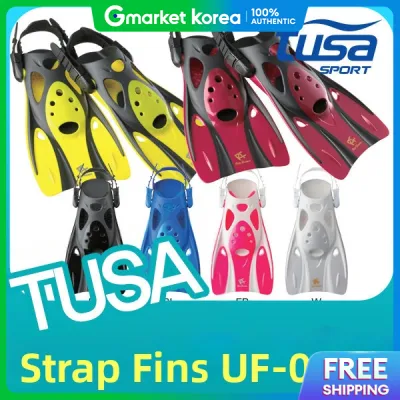
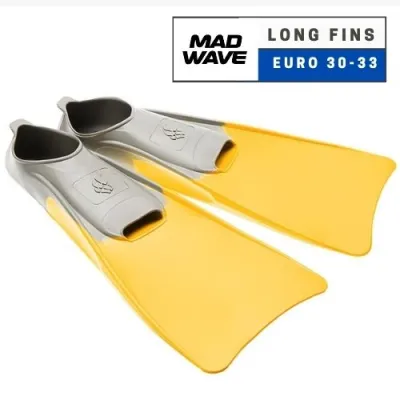
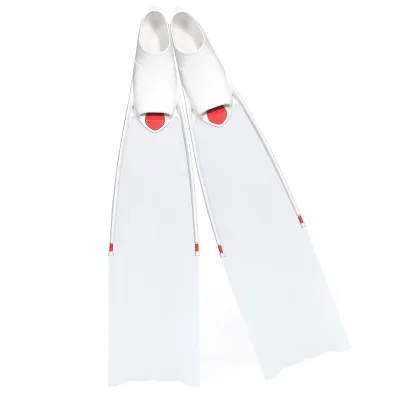
![[SG Stock] Swimming Flippers Fins Adult Kids Silicone Men Women Training Swim Gear](https://img.lazcdn.com/g/p/a28b4d0fdf189857268d08de042c7362.jpg_400x400q80.jpg_.webp)
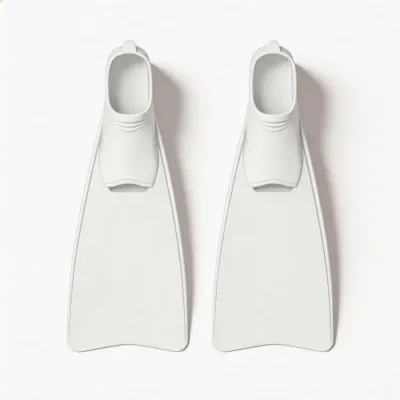
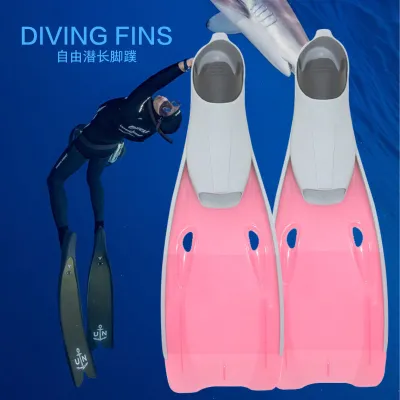
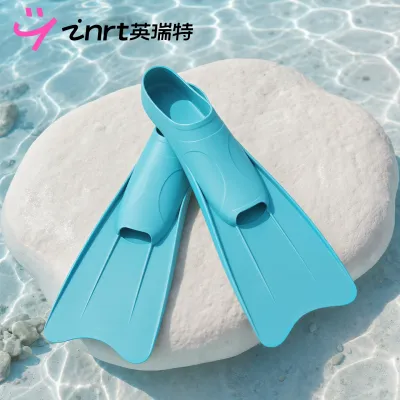
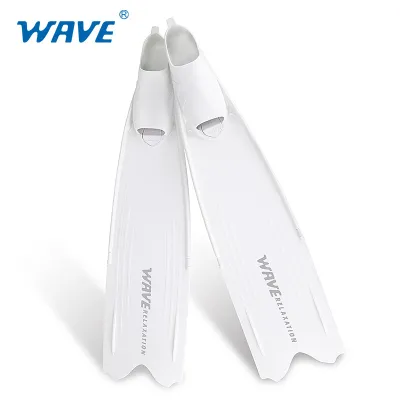
Prices are valid at publication and may change. Please refer to the product page for the latest price.
If you plan to snorkel primarily in calm, protected areas—such as the shallow lagoons of Sisters’ Islands Marine Park or resort beaches in Sentosa, Bintan, and Batam—a lightweight, flexible travel fin is highly suitable. These environments require minimal effort to navigate, and compact fins will provide sufficient propulsion without straining your muscles. Conversely, if you plan to venture into open-water sites with mild currents, such as the reef slopes around Pulau Hantu or Tioman Island, you will need a standard-length blade that offers more efficient power transfer to help you swim safely against moving water.
Be honest about your personal leg strength, swimming endurance, and comfort level in deep water. Snorkeling requires continuous, repetitive kicking, which utilizes muscles in your calves, thighs, and ankles that may not be accustomed to such exertion. If you are a novice swimmer or do not engage in regular lower-body cardiovascular training, starting with a highly rigid or overly long blade can lead to rapid exhaustion or severe muscle cramps.
Safety must always remain your top priority when participating in water sports. Snorkeling fins are excellent tools to assist your movement, but they cannot replace basic swimming competence, proper water safety training, or sound judgment. Before heading out, always check the local weather forecasts, tidal movements, and water conditions. If you encounter strong currents, sudden fatigue, or muscle cramps while in the water, signal for assistance immediately and head back to safety. Never swim alone, and always verify your physical limits before entering open water.
Full-Foot vs. Open-Heel Fins: Which Style Suits You?
Snorkeling fins are divided into two primary design categories: full-foot and open-heel. Each style is engineered for specific water entry methods, shore terrain, and water temperatures, making it essential to choose the one that aligns with your travel plans.

Full-Foot Fins
Full-foot fins feature a soft, flexible rubber foot pocket that completely encloses your heel. They are designed to be worn barefoot or with thin, flexible neoprene socks. Because they do not require separate heavy boots, full-foot models are significantly lighter, more streamlined, and easier to pack into standard travel luggage.
These fins are ideal for warm tropical waters (typically 28°C to 30°C in Southeast Asia) and are best suited for boat entries or sandy beach entries where you do not need to walk across sharp rocks or hot pavement. They are generally more affordable than open-heel setups, with entry-level models typically ranging from S$30 to S$90.
Open-Heel Fins
Open-heel fins feature a rigid sole plate and an adjustable strap (made of rubber, silicone, or bungee cord) that secures the back of your foot. These fins are designed to be worn with thick, hard-soled neoprene dive booties. This configuration is essential for shore entries that require walking over sharp coral rubble, rocky coastlines, concrete slipways, or hot sand.
While open-heel systems offer superior versatility, foot protection, and ankle support, they are bulkier and heavier to transport. They also require a larger financial investment, as you must purchase both the fins and a compatible pair of dive boots, which typically brings the total cost to between S$100 and S$250.
To help you decide which style fits your intended activities, use the following decision matrix:
| Feature / Scenario | Full-Foot Fins | Open-Heel Fins (with Booties) |
|---|---|---|
| Primary Entry Method | Boat deck, sandy beach, poolside | Rocky shorelines, concrete slipways, coral rubble |
| Foot Protection | Minimal (barefoot or thin sock) | High (thick rubber-soled neoprene bootie) |
| Water Temperature | Warm tropical waters (26°C and above) | Warm to cold waters (highly versatile) |
| Weight & Packability | Lightweight, compact, easy to pack | Heavier, bulkier, requires extra boot storage |
| Adjustability | Fixed size; must fit precisely | Highly adjustable strap; accommodates various boot thicknesses |
| Typical Cost (SGD) | S$30 – S$90 | S$100 – S$250+ (including booties) |
Blade Stiffness and Length: Matching Your Swimming Ability
The physical dimensions and flexibility of a fin blade directly dictate how much water you push with each kick, which determines both your speed and the amount of physical energy you expend.
Blade Stiffness
Beginners should almost always opt for soft to medium-stiffness blades. A flexible blade bends easily during the kick cycle, channeling water backward with a whipping action that requires relatively little muscle power. This design minimizes the strain on your ankle joints and calves, making it much easier to maintain a relaxed, steady pace without cramping. Rigid, stiff blades are designed for advanced scuba divers or freedivers who possess the leg strength and specialized kicking techniques required to handle high water resistance.
Blade Length
Blade length is another critical variable. Shorter blades (often referred to as travel fins, typically under 50 cm) are highly maneuverable, lightweight, and excellent for casual surface snorkeling. They allow for quick, rapid kicks and are easy to control in confined spaces, such as shallow reef flats. However, they provide less propulsion per kick. Standard-length blades (60 cm or longer) offer much greater efficiency and power in open water, allowing you to cover larger distances with fewer kicks, but they require a broader, more controlled kicking motion.
Split Fins vs. Paddle Fins
When choosing a blade design, you will also encounter the choice between paddle fins and split fins:
- Paddle Fins: This traditional, solid-blade design acts like an oar, pushing water directly behind you. Paddle fins offer excellent maneuverability, allowing you to turn quickly, pivot, or back up easily. However, they require more physical effort on the downward stroke.
- Split Fins: These blades feature a distinct slice down the middle. When you kick, the two halves split to create a pair of wings that channel water to generate lift and forward thrust, much like a boat propeller. Split fins require significantly less effort and are incredibly gentle on the joints, making them ideal for casual surface swimming. However, they offer less control in strong currents and are less effective for precise maneuvering.
How to Get the Right Fit and Avoid Blisters
No matter how advanced a fin’s technology is, it will quickly become unusable if it causes pain or slips off your foot in the water. Achieving a precise fit is the most critical step in the selection process.
Step-by-Step Fitting Guide
When trying on fins, follow these steps to verify the fit:
- Check the Toe Room: Slide your foot completely into the foot pocket. Your toes should reach the end of the pocket without being bent, curled, or painfully compressed. If your toes are forced to curl, the fin is too small.
- Assess Side Snugness: The sides of the foot pocket should feel snug but not tight. If you feel pinching along the widest part of your foot or across the top arch, the pocket is too narrow, which can restrict blood circulation and lead to painful foot cramps.
- Perform the Heel "Finger Test" (for Full-Foot Fins): Sit down, put the fin on, and lift your foot. Try to slide your index finger into the back of the heel pocket. A properly fitting full-foot fin should allow your finger to slide in with some resistance. If your finger slides in effortlessly with extra space, the fin is too large and will likely slip off during a kick. If you cannot fit even the tip of your finger, or if your heel feels painfully squeezed, the fin is too small.
- Adjust Open-Heel Straps Correctly: If trying on open-heel fins, put on your neoprene booties first. Slide your foot into the pocket and pull the strap over your heel. Tighten the strap until the foot feels secure and stable, but do not pull it excessively tight. Over-tightening compresses the neoprene bootie, pinches the Achilles tendon, and can restrict circulation, leading to cold, numb feet.
The Importance of Neoprene Socks
Even if you purchase a perfectly fitting full-foot fin, friction between your skin and the rubber pocket can cause painful blisters, especially when fine sand grains inevitably enter the pocket. To prevent this, consider wearing a thin pair of 1mm to 2mm neoprene socks. These socks eliminate friction points, add a layer of thermal protection, and can help bridge the gap if you fall between standard fin sizes.
Common Beginner Mistakes to Avoid
To save time, money, and physical discomfort, keep these common purchasing and usage pitfalls in mind before making your final selection:
- Buying Professional Freediving Fins: Beginners are often drawn to long, stiff carbon fiber or fiberglass freediving fins because they look impressive. However, these specialized fins require advanced kicking techniques and immense leg strength. Using them without proper training will quickly lead to extreme fatigue and severe leg cramps.
- Sizing Without Accounting for Socks or Booties: Never purchase full-foot fins based solely on your standard sneaker size without considering whether you will wear protective neoprene socks. Always try them on with the socks you plan to use in the water. Similarly, do not buy open-heel fins without purchasing the correct thickness of dive booties first, as the bootie drastically changes your required fin pocket size.
- Ignoring the Total Cost of Open-Heel Setups: Many beginners purchase open-heel fins online because of an attractive price, only to realize later that they cannot use them comfortably without buying a separate pair of S$40 to S$80 dive booties. Always calculate the combined cost of the fins and boots when budgeting.
- Prioritizing Aesthetics Over Functional Fit: Selecting a fin based purely on color, style, or brand reputation rather than how it actually conforms to your unique foot shape is a recipe for discomfort. A plain, well-fitting fin will always perform better and keep you safer in the water than a stylish, poorly fitting alternative.
Community discussion
Share your experience or ask a question. Comments are reviewed before publication.