
Working out in a modern Singapore home often requires a clever exercise in spatial planning, especially when selecting compact fitness equipment like pushup bars. With the average size of newer Housing & Development Board (HDB) flats becoming more streamlined, finding room for strength training gear can be a challenge. Heavy, bulky equipment like power racks or stationary benches can quickly turn a living room into an unnavigable obstacle course. Fortunately, building upper body strength does not require massive machinery.
Simple, targeted tools like pushup bars are highly effective for enhancing your chest, shoulder, and tricep workouts while taking up minimal physical space. They elevate your hands, allowing for a deeper range of motion that increases muscle activation during exercises. They also place your wrists in a neutral, straight position, which significantly reduces the joint strain often associated with flat-ground pushups. However, in a compact living environment, even small items can contribute to visual clutter if they cannot be easily stowed away.
Choosing the right pair involves evaluating how they fold, disassemble, or tuck into the unique nooks of your apartment. This guide will help you navigate the balance between space-saving design and structural safety, ensuring your home workouts remain both effective and clutter-free.
Products mentioned in this guide
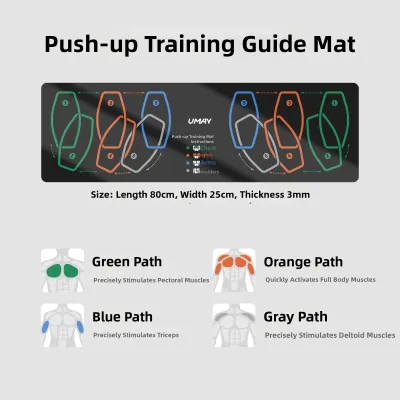
![[fedya]1 Pair Wooden Push Up Bar for Home Workout Parallettes BarsPush-Up Stand Exercise Equipment for Men and Women](https://img.lazcdn.com/g/p/df859d4d3a5c35dc4394c41bf5f62dba.jpg_400x400q80.jpg_.webp)
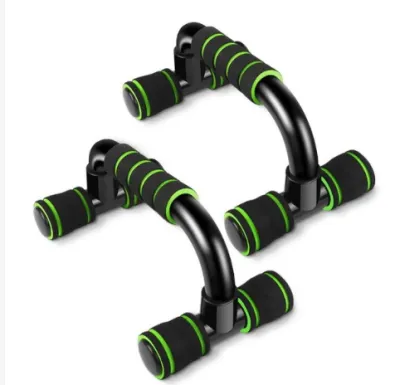
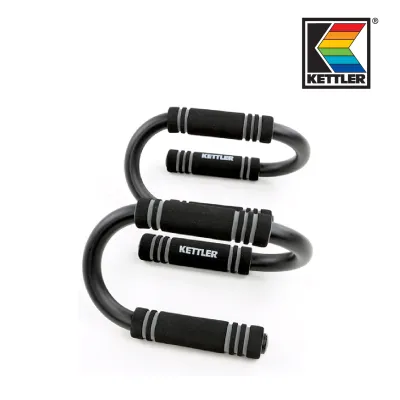
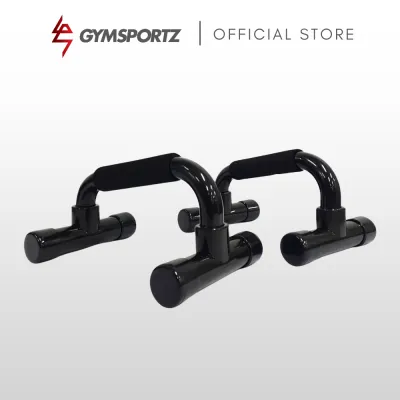
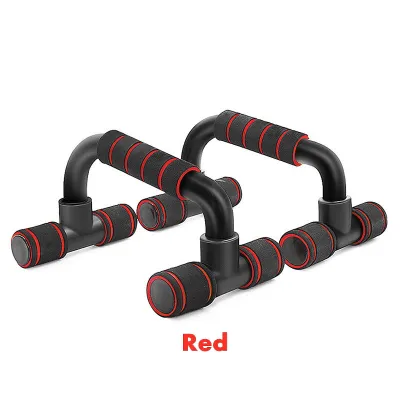
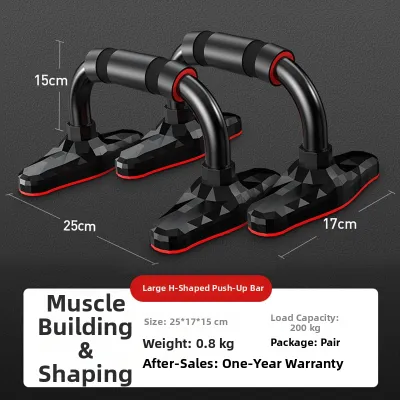
![🇸🇬 [READY STOCK] 2PCS Wooden Parallettes (30CM 50CM LENGTH)Handstand Pushups Stands Bars Gymnastic Russian Style Stretch Push-Ups Double Rod](https://img.lazcdn.com/g/p/b99799540fc942ab54f232614eacbbb2.jpg_400x400q80.jpg_.webp)
Prices are valid at publication and may change. Please refer to the product page for the latest price.
Quick Answer: Choosing Pushup Bars for Small Spaces
When selecting pushup bars for a small HDB flat, the goal is to balance a minimal storage footprint with absolute physical stability. The most practical options are foldable or detachable designs that can easily slide under a sofa, fit inside a shoe cabinet, or pack into a shallow utility drawer. While compactness is highly desirable, you must never compromise on safety.
A compact set must feature a robust weight capacity, a highly secure locking mechanism, and a non-slip base grip to prevent sliding during use. Before making a purchase, always verify the manufacturer’s specified weight limits and check the base material to ensure it is compatible with your home’s flooring.
Measuring Your HDB Space and Storage Constraints
Before browsing online marketplaces or visiting local sporting goods stores, you must assess the physical reality of your workout and storage areas. Do not rely on generic room dimensions or assume that a small piece of equipment will fit anywhere. Instead, take a measuring tape and map out your active workout zone.

A standard pushup requires a clear floor area that is at least equal to your body height plus an additional thirty to forty centimeters of clearance at both your head and feet. You also need enough lateral space to accommodate your full arm span. Measure this zone in your living room, bedroom, or household shelter to ensure you can move dynamically without your elbows or feet striking furniture, walls, or TV consoles.
Once you have identified your workout zone, turn your attention to storage. In a typical HDB flat, storage space is highly contested, meaning you must look for underutilized micro-spaces. For example, measure the vertical clearance beneath your sofa or bed frame. Many modern sofas have a ground clearance of only five to ten centimeters, which will require a pushup bar that can fold completely flat.
Alternatively, check the depth of your entryway shoe cabinet or the shelves inside your household shelter. If you plan to store the bars on a wall hook in your service yard, ensure they have built-in loops or a design that hangs securely. Knowing these exact dimensions beforehand prevents the frustration of buying equipment that ends up permanently sitting in a corner, creating a constant tripping hazard.
Space-Saving Pushup Bar Designs for Compact Flats
To cater to compact living, manufacturers have developed several innovative form factors that minimize the space these tools occupy when they are not in use. Rather than choosing a traditional, bulky, one-piece metal frame, you can opt for designs engineered specifically for easy storage. Understanding the structural differences, advantages, and safety considerations of each design will help you choose the best fit for your home.
Foldable and Collapsible Designs
Foldable pushup bars feature built-in hinges, pivot joints, or rotating legs that allow the entire structure to collapse into a flat profile. When folded, these bars often measure less than five centimeters in thickness, making them incredibly easy to slide under low-profile furniture or stack neatly on a closet shelf. The primary benefit of this design is convenience; there are no loose parts to lose, and you can transition from storage to a full workout in a matter of seconds.
However, the presence of moving parts means you must pay close attention to structural integrity. Every hinge is a potential point of mechanical failure. When evaluating foldable models, closely inspect the locking mechanism. High-quality designs utilize spring-loaded locking pins, heavy-duty detent balls, or physical slide locks that firmly secure the legs in the open position. Avoid models that rely solely on friction to stay open, as these can gradually loosen over time. Always check the manufacturer’s specified weight capacity and regularly inspect the joints for any signs of metal fatigue, hairline cracks, or loose rivets before starting your exercise routine.
Detachable and Travel-Friendly Models
Detachable pushup bars are designed to be completely broken down into individual components, typically separating the main handle from the two base feet. By disassembling the bars, you reduce their overall volume by up to seventy percent. The disassembled pieces can easily fit into a shallow drawer, a shoe box, or a gym bag, making them the ultimate space-saving solution for ultra-compact apartments.
The key to safety with detachable models lies in the security of their connection points. Common assembly methods include snap-in push buttons, threaded screw-on collars, or slide-in friction joints. Before every workout session, you must inspect these connection points to ensure they are fully engaged and free of play. Dust, pet hair, and floor grit can accumulate inside the female joints, preventing a clean lock and causing the handle to wobble.
Over time, repeated assembly and disassembly can wear down plastic tabs or strip metal threads. If you notice any wobbling, looseness, or structural wear, do not use the bars, as a sudden detachment mid-pushup can lead to severe wrist injuries or a fall.
Verifying Stability and Grip in Compact Models
When pushup bars are scaled down to save space, their physical stability can sometimes be compromised. A smaller base footprint means there is less surface area contacting the floor, which inherently increases the risk of the bars tipping or sliding if your body weight is not distributed perfectly downward. To ensure your safety, you must evaluate several critical design elements before making your final selection.
First, examine the non-slip material on the base of the bars. High-quality compact models feature thick, textured rubber or silicone pads that cover the entire contact surface of the feet. Avoid cheap, hard plastic feet, which offer virtually no traction on smooth indoor surfaces. The base pads must grip the floor firmly to prevent the bars from splaying outward as you push down. Furthermore, consider the ratio between the base width and the handle height. A taller handle allows for a deeper chest stretch, but if the base is too narrow, the bar becomes top-heavy and prone to tipping sideways during dynamic or wide-stance pushups. Look for a design that maintains a wide, low-profile base relative to its height.
Second, pay close attention to the handle grip material, especially given Singapore’s hot and humid tropical climate. High humidity levels mean you will sweat quickly during a home workout. Foam grips are common, but they vary wildly in quality. Low-density foam can absorb sweat like a sponge, becoming slippery, degrading rapidly, and harboring bacteria and unpleasant odors. Instead, look for high-density, closed-cell EVA foam or textured, non-porous rubber grips. These materials do not absorb moisture, are easy to wipe clean after use, and provide a secure, high-traction surface even when your hands are damp.
Finally, always test the pushup bars on your specific home flooring before committing to a full-intensity workout. HDB flats commonly feature glazed ceramic tiles, luxury vinyl tiles (LVT), or laminate flooring. Place the bars on your floor and apply gradual, angled pressure to verify that the base pads do not slide, creep, or leave permanent scuff marks. If your flooring is particularly slick, performing exercises on a dedicated fitness mat can provide an extra layer of safety and floor protection.
Common Sizing and Storage Mistakes to Avoid
In the pursuit of maximizing free space, it is easy to make compromises that ultimately ruin your workout experience or, worse, lead to injury. Recognizing these common pitfalls will help you make a smarter, safer purchase.
- Mistake 1: Choosing ultra-lightweight hollow plastic models. While lightweight bars are incredibly easy to lift and pack away, they often lack the physical mass required to stay grounded. When you perform a pushup, your body naturally exerts lateral (outward) force as well as downward force. Ultra-lightweight bars can easily slide or tip under these lateral forces, especially if your form slips. Opt for models with solid steel, heavy-duty aluminum, or dense wooden handles that provide enough heft to anchor themselves to the floor.
- Mistake 2: Ignoring the locking mechanism on foldable bars. Many users assume that because a product is sold commercially, its safety features are foolproof. However, failing to double-check that the locking pins are fully engaged before putting your full body weight on foldable bars is a recipe for disaster. A sudden collapse of a folding leg mid-rep can cause severe impact injuries to your face, teeth, or wrists. Always make it a habit to physically test the rigidity of the folded joints before every single set.
- Mistake 3: Overlooking the handle height. To make pushup bars as compact as possible, some manufacturers design them to sit extremely close to the floor. If the handle height is too low—such as under eight centimeters—it defeats the primary biomechanical purpose of using pushup bars. You will not be able to lower your chest past your hands, meaning you lose the extended range of motion that activates the pectoral muscles more deeply. Ensure your chosen model provides at least ten to fifteen centimeters of clearance from the floor to the top of the handle.
- Mistake 4: Failing to measure the actual storage gap. Never estimate storage clearance by eye. A sofa that "looks" high enough might actually have a low-hanging center support beam or dust cover that catches on your pushup bars. Similarly, a utility cabinet drawer might close fine empty, but jam when a set of non-detachable bars is placed inside. Always measure the exact height, width, and depth of your intended storage spot, and compare those numbers directly to the folded or disassembled dimensions provided by the manufacturer.
Frequently Asked Questions (FAQ)
Can I use pushup bars on HDB vinyl or laminate flooring without scratching it?
Yes, you can safely use pushup bars on HDB vinyl or laminate flooring, provided you verify the base material first. Look for bars equipped with soft, non-marking rubber or silicone base pads. Avoid hard plastic bases, which can easily scratch or gouge synthetic flooring under heavy pressure. Before your first workout, inspect the base pads for any trapped grit or sharp manufacturing seams. If you want to guarantee absolute protection for your floors, place a thin, non-slip yoga mat or a specialized gym floor tile underneath the bars to act as a protective barrier.
Are rotating pushup bars suitable for small spaces?
Rotating pushup bars are highly effective for reducing wrist strain because they allow your hands to rotate naturally during the movement. However, they are generally less suitable for tight spaces. Because they house internal ball-bearing mechanisms, their bases are typically circular, wide, and heavy. They rarely feature folding or detachable designs, meaning they will take up a permanent, non-collapsible chunk of storage space. If you have limited storage, only choose rotating models if you have a dedicated drawer or shelf that can comfortably accommodate their bulky dimensions.
Community discussion
Share your experience or ask a question. Comments are reviewed before publication.