
Finding the right swimming goggles for your child can make the difference between an enjoyable afternoon in the pool and a frustrating session spent clearing out water and adjusting straps. Speedo offers a wide array of children’s goggles designed to accommodate different age groups, facial shapes, and swimming activities. To make the most suitable choice, you must understand how to navigate these various models and verify the fit directly on your child’s face.
While age recommendations on packaging provide a helpful starting point, they are not absolute rules. Children grow at different rates, and their facial structures—such as the width of the nose bridge and the depth of the eye sockets—vary significantly. This guide breaks down the primary Speedo goggle categories, explains how to determine the correct size, and provides a step-by-step fitting test to ensure a leak-free seal. Keep in mind that swimming goggles are a comfort and visibility aid; they do not replace swimming competency, water safety training, or active adult supervision.
Navigating Speedo Goggle Models by Age and Purpose
Speedo categorizes its youth eyewear to serve different developmental stages and swimming environments. Understanding these categories helps narrow down the options before you begin looking at specific sizing details.
Products mentioned in this guide
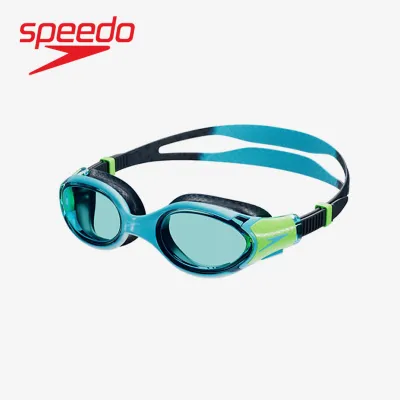
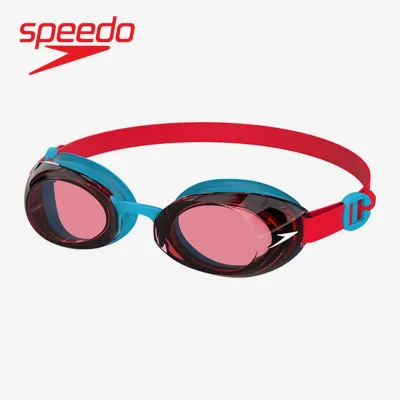
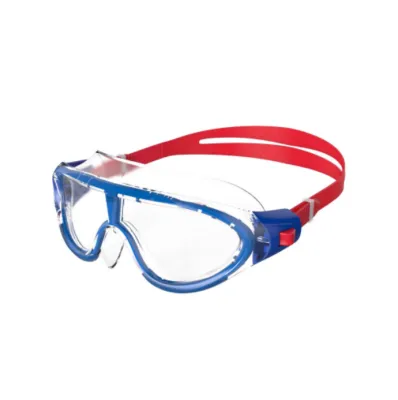
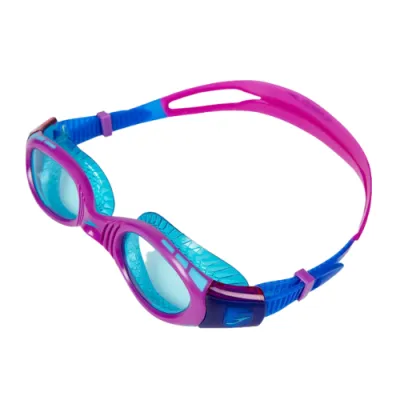
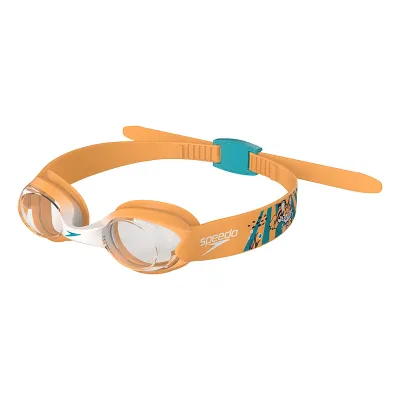
Prices are valid at publication and may change. Please refer to the product page for the latest price.
Infants and Toddlers (Ages 2 to 6) For the youngest swimmers, the primary goal is comfort and building confidence in the water. Goggles in this bracket often feature very soft, flexible frames made of hypoallergenic materials. The lenses are typically larger and wider to provide an expansive field of vision, which helps prevent toddlers from feeling restricted or anxious. Many toddler models also feature simplified strap adjustments, such as hook-and-loop fasteners or large, easy-to-grip buttons at the back of the head, allowing parents to adjust the fit quickly without pulling on fine hair.
Younger Kids and Juniors (Ages 6 to 12) This is the most common category for school-aged children who are learning to swim or participating in regular pool activities. Often labeled as “Junior” or “Youth,” these goggles are scaled-down versions of adult models but are specifically proportioned for narrower faces, smaller nose bridges, and shallower eye sockets. They offer a balance between a secure seal and long-wearing comfort, making them suitable for swim lessons, school sports, and recreational play.
Older Kids and Teens (Ages 12 and Up) As children approach their teenage years, their facial structures begin to match adult dimensions. Swimmers in this age group can often transition to standard adult goggles or specialized youth training models. These goggles feature firmer gaskets and more streamlined profiles designed to stay secure during fast turns, dives, and vigorous training sessions.
Recreational vs. Training Models Beyond age, the intended activity dictates the design of the goggle. Recreational and learn-to-swim models prioritize comfort, featuring thick silicone gaskets that distribute pressure evenly around the eyes. They are ideal for casual play and extended wear. In contrast, training and competition models feature a low-profile design that sits closer to the eye socket to minimize water resistance. These models often come with interchangeable nose bridges to allow for precise customization, which is essential for competitive youth swimmers who require a highly secure fit during races.
Key Features to Evaluate When comparing models, look for specific features that match your child’s swimming environment. UV protection is a critical consideration for outdoor pools, helping to shield young eyes from solar radiation. Anti-fog coatings are standard on most quality goggles, preventing condensation from clouding the lenses during active swimming. Additionally, consider the lens design; wide-angle lenses are excellent for beginners who need to maintain spatial awareness, while classic oval lenses are preferred for structured swim training.
How to Determine the Correct Size for Your Child
Selecting the right size requires looking beyond the age label on the box. Because facial geometry is highly individual, a one-size-fits-all approach does not work for swimming eyewear.

Why Age Labels Are Only Guidelines The age ranges printed on Speedo packaging are based on average developmental statistics. However, a seven-year-old child with a wider facial structure might find a toddler-sized goggle too narrow, causing the gaskets to pinch the outer corners of their eyes. Conversely, a petite ten-year-old might require a smaller junior model to prevent water from leaking through gaps around the temples. Always treat the manufacturer’s age brackets as a starting point, and be prepared to size up or down based on physical observations.
Assessing Facial Dimensions To find a model that matches your child’s face, pay close attention to three key anatomical areas:
- Eye Socket Depth: The goggle gaskets should rest comfortably on the orbital bone surrounding the eye. If the eye cups are too deep or too large, they may press against the cheekbones or brow, causing discomfort. If they are too shallow, the eyelashes may rub against the inside of the lens.
- Facial Width: The outer edges of the goggle frame should align naturally with the sides of your child's face. If the frame overhangs the temples, the straps will pull the eye cups outward, breaking the seal. If the frame is too narrow, it will compress the eye sockets and restrict peripheral vision.
- Nose Bridge Distance: The space between the two eye cups must match the width of your child's nose bridge. If the bridge is too wide, the goggles will sit too far apart, creating gaps at the inner corners of the eyes. If it is too narrow, the frame will pinch the nose and pull the eye cups inward, causing leaks.
Understanding Sizing Labels When browsing retail shelves or online marketplaces, you will encounter terms like “Junior,” “Youth,” and “Kids.” Generally, “Kids” or “Toddler” models are designed for children under 6 years old. “Junior” is the standard designation for children aged 6 to 12. “Youth” can sometimes indicate a slightly larger fit bridging the gap between junior and adult sizes. Because terminology can vary slightly between product lines, always check the specific product dimensions or fit guides provided by the manufacturer if available.
Step-by-Step Fitting Test for a Leak-Free Seal
The most reliable way to ensure a pair of goggles will perform well in the water is to conduct a physical fitting test before your child heads to the pool. This test verifies the seal without relying on strap tension.
The Strapless Suction Test To perform this test, follow these simple steps:
- Have your child stand or sit comfortably in a well-lit room.
- Take the goggles and hold them by the frame, keeping the head strap dangling forward and out of the way.
- Instruct your child to close their eyes gently.
- Press the goggle eye cups firmly but gently against your child's eye sockets, expelling the air from inside the cups.
- Ask your child to remove their hands from the goggles while keeping their head level.
- Observe the goggles. If they remain stuck to the face for a few seconds before falling off, the shape matches your child's facial contours, and the seal is correct. If they pop off immediately, air is entering the eye cups, indicating a mismatch in size or shape.
Identifying Pressure Points and Gaps While the goggles are pressed against the face, look closely at the contact points. Check the area around the nose bridge for any signs of pinching or skin stretching. Look at the outer corners of the eyes to ensure the silicone gasket lies flat against the skin without buckling or folding. After removing the goggles, inspect your child’s face. A proper fit may leave a very faint, temporary outline, but it should never cause deep red marks, bruising, or pain. If your child complains of pressure on their brow or cheekbones, the frame is likely too small or the gasket material is too firm for their preference.
Comfort and Vision Checks Once the suction test is successful, place the strap over your child’s head and ask them to perform a few basic movements. Have them blink several times; their eyelashes should not brush against the lenses. Ask them to open their eyes wide and look left, right, up, and down. They should be able to do this comfortably without the frame shifting or pinching. Ensure they have a clear, unobstructed view forward and to the sides, which is vital for safety and coordination in the water.
Adjusting Straps and Maintaining the Goggles
Even the best-fitting goggles will leak or cause discomfort if the straps are adjusted incorrectly or if the equipment is not properly maintained.
Proper Strap Placement and Tension A common mistake is tightening the head strap as much as possible to stop leaks. This actually distorts the silicone gaskets, causing them to buckle and let water in, while also causing headaches. The strap’s role is simply to hold the goggles in position, not to create the seal.
- Placement: Position the strap so it sits high on the back of the head, resting near the crown. If the model has a split strap, separate the two bands slightly to cradle the head.
- Angle: The strap should run in a straight, slightly upward diagonal line from the eyes to the back of the head. Never let the strap slide down to the neck, as this pulls the goggles downward and breaks the seal over the nose.
- Tension: Adjust the strap so it is snug but comfortable. You should be able to slip two fingers easily under the strap behind your child's ear.
Nose Bridge Adjustments If your chosen Speedo model features an adjustable nose bridge, take the time to set it correctly. Some models use a notched strap that slides through the frame, while others include interchangeable plastic nose pieces of varying widths. Adjust the nose bridge so that the eye cups sit squarely over the center of your child’s eyes. A correct adjustment ensures the gaskets seal flat against the skin without being pulled inward or pushed outward.
Essential Care and Maintenance To extend the life of your child’s goggles and keep the lenses clear, establish a simple post-swim routine:
- Rinse Immediately: After every swim, rinse the goggles thoroughly in cool, fresh tap water. This removes chlorine, salt, sand, and organic matter that can degrade the silicone seals over time.
- Air Dry Safely: Allow the goggles to air dry completely in a shaded, well-ventilated area. Never leave them in direct sunlight, as UV rays and high heat can warp the plastic frame and cause the silicone straps to become brittle.
- Protect the Anti-Fog Coating: The inside of the lenses is treated with a delicate anti-fog chemical layer. Never wipe, rub, or touch the inside of the lenses with fingers, towels, or cloths. Wiping will scratch or remove this coating, causing the goggles to fog up rapidly during future swims.
- Store Properly: Once dry, store the goggles in a soft protective pouch or case rather than tossing them loose into a swim bag where they can be scratched by keys, zippers, or toys.
Frequently Asked Questions (FAQ)
Should I buy mirrored or clear lenses for my child?
The choice of lens depends primarily on where your child swims. Clear lenses provide maximum visibility and are ideal for indoor pools, school pools with overhead roofs, or low-light evening swim sessions. If your child swims outdoors in bright sunlight, such as in open-air pools in Singapore, mirrored or tinted lenses are highly beneficial. Mirrored coatings reflect bright light and reduce glare off the water’s surface, helping to prevent eye strain and squinting.
How often should I replace my child's swimming goggles?
Generally, active swimmers may need to replace their goggles every six to twelve months. Look for clear signs of wear, such as persistent fogging that cannot be resolved, brittle or cracked silicone straps, or a loss of flexibility in the gaskets that leads to constant leaking. Additionally, keep an eye on your child’s physical growth; a sudden growth spurt can mean they have outgrown their current frame size, requiring an upgrade to a larger model even if the goggles themselves are still in good condition.
Can my child wear prescription goggles if they need them?
Yes, children who wear glasses can benefit greatly from prescription or optical swimming goggles. Speedo offers optical models with corrective lenses in various diopters. When choosing prescription goggles, it is important to consult an optometrist to determine the correct corrective strength for your child’s eyes. Ensure that the optical frame still passes the physical suction test on your child’s face, as a proper seal remains critical to keep water out and maintain clear vision.

Community discussion
Share your experience or ask a question. Comments are reviewed before publication.