
Selecting the right sports drinks and energy gels for hydration vest running depends on your target distance, your vest’s storage layout, and environmental conditions. For short to medium runs up to 90 minutes, front-carry soft flasks paired with isotonic gels offer a lightweight, highly accessible setup. For marathons and ultramarathons, a combination of a rear hydration bladder for high-volume fluids, separate electrolyte tablets, and a mix of standard gels, chews, and savory options is essential to prevent flavor fatigue and gastrointestinal distress.
Matching your nutrition to the physical pockets of your gear ensures you can access fuel without breaking your stride. By understanding how different fuel formats interact with your hydration vest running setup, you can optimize your performance and avoid common gear and digestive issues on the trail or road.
Assessing Hydration Vest Capacity and Climate Demands
A running hydration vest is a highly specialized piece of gear designed to distribute weight evenly across your torso. The storage anatomy typically features front harness pockets for soft flasks, zippered or mesh side pockets for quick-access items like energy gels, and a large rear compartment designed to hold a hydration bladder or extra apparel. When fully loaded, weight distribution directly impacts your running biomechanics. Carrying too much weight on the front can cause you to hunch forward, while an overloaded rear compartment can pull your shoulders back, leading to premature fatigue and altered stride efficiency.
Products mentioned in this guide
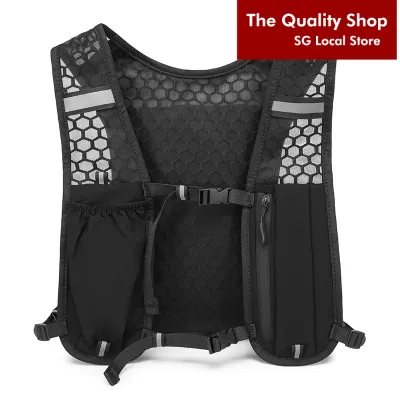
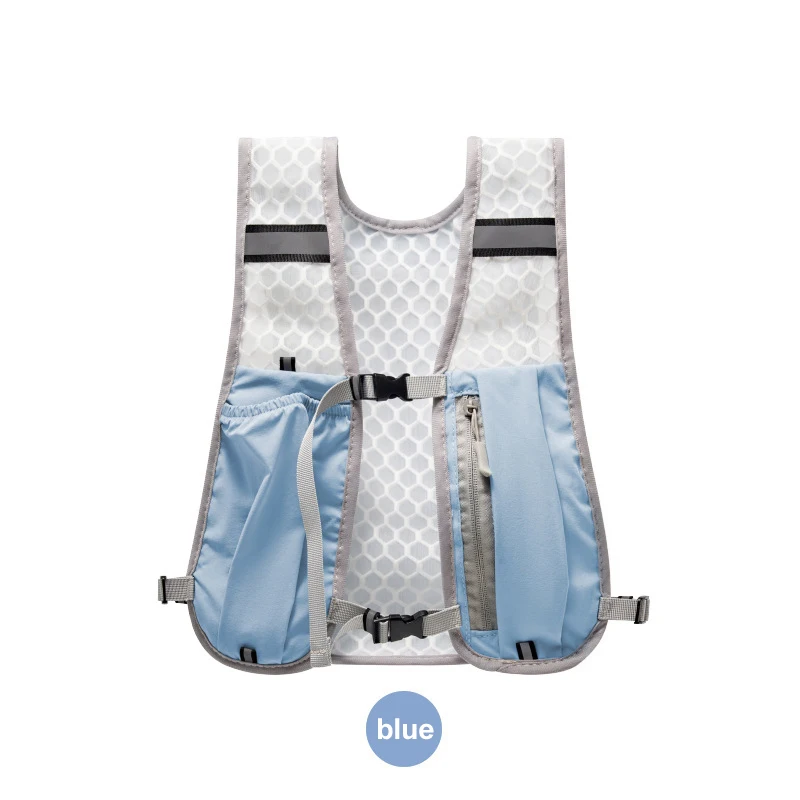
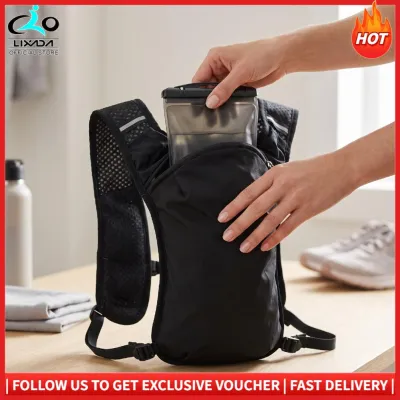
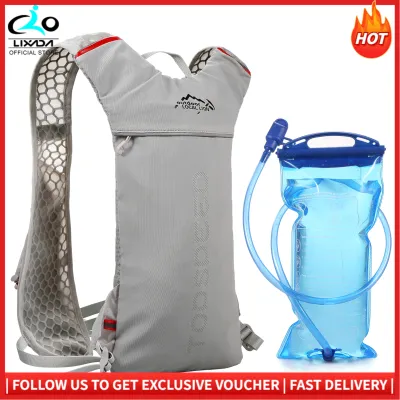
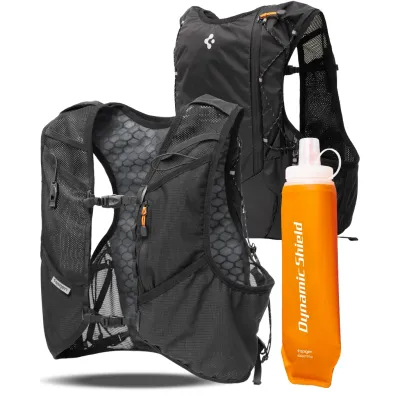
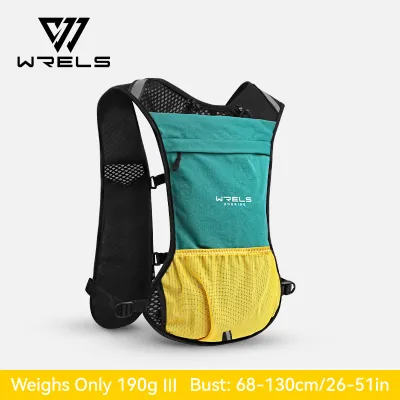
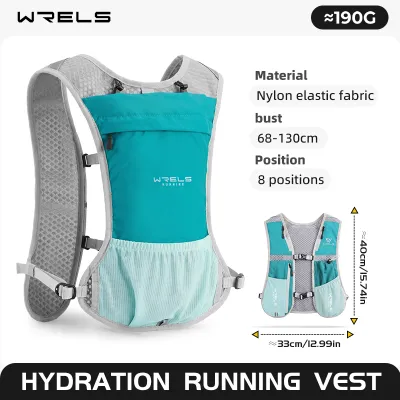
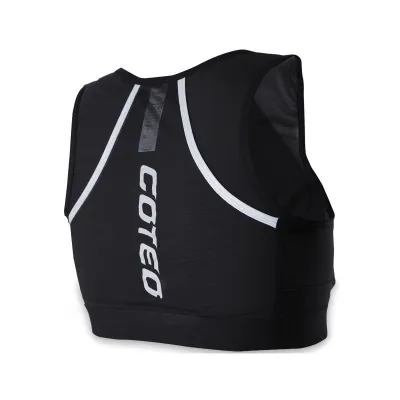
Prices are valid at publication and may change. Please refer to the product page for the latest price.
To optimize your setup, estimate your fluid and caloric needs based on run duration rather than a fixed distance. A slow, technical trail run of 15 kilometers might take twice as long as a flat road run of the same distance, requiring significantly more fuel and hydration.
Environmental factors play a massive role in these calculations. Running in hot and humid climates, such as Singapore, drastically accelerates sweat rates and electrolyte loss. High humidity prevents sweat from evaporating efficiently, which can cause your body temperature to rise rapidly and increase your fluid requirements. Instead of relying on generic, universal hydration formulas, perform a personal sweat test by weighing yourself before and after a one-hour run. This helps establish a baseline sweat rate. Additionally, pay attention to salt crusting on your skin or clothes post-run, which indicates a high sodium concentration in your sweat and highlights the need for targeted electrolyte replacement.
The core decision framework for any run involves matching the physical format of your fuel—whether liquid, gel, chew, or solid—to the specific storage zones of your vest. This ensures that high-frequency items remain within arm’s reach, while reserve supplies are stored securely in the back.
Short to Medium Runs (Up to Half Marathon): Speed and Accessibility
For runs lasting roughly 1 to 2.5 hours, your primary goals are maintaining speed, minimizing gear weight, and ensuring quick access to fuel. You do not need to carry massive volumes of fluid or a wide variety of solid foods, allowing you to utilize a streamlined vest configuration.

Hydration Strategy: Front-Carry Soft Flasks
For shorter distances, rely primarily on front-mounted soft flasks, which typically range from 250ml to 500ml each. Placing your fluids on the front harness allows for easy, hands-free sipping through bite valves without requiring you to slow down or fumble with zippers.
Deciding between plain water and diluted sports drinks in these flasks depends on your training duration and pre-run nutrition. For runs under 90 minutes, plain water is often sufficient, provided you have hydrated adequately in the hours leading up to your workout. If you choose to use a sports drink, diluting it slightly can make it easier to digest and prevents the sticky residue from clogging the flask’s bite valves.
Before heading out, always check your vest’s front pocket dimensions against your chosen flask size. A flask that is too tall or narrow for the pocket will bounce excessively, which can cause chafing against your collarbone or chest.
Energy Gel Selection: Isotonic vs. Standard Gels
When selecting energy gels to complement a lighter hydration setup, it is crucial to understand the difference between isotonic and standard hypertonic gels. Isotonic gels are formulated with a specific water-to-carbohydrate ratio that matches the osmolality of your body fluids. This design allows them to pass through the stomach quickly and digest with little to no extra water.
Standard hypertonic gels are highly concentrated and require you to drink a significant amount of water (usually 150ml to 200ml) alongside them. Without adequate water, standard gels can draw moisture out of your bloodstream and into your gut, leading to gastrointestinal distress, bloating, or cramping.
For short to medium runs where you want to avoid carrying heavy volumes of water, isotonic gels simplify your fueling strategy. Always check the carbohydrate concentration on the product label to ensure you are getting enough energy per serving. Carry two to four gels in your vest’s front or waist pockets, prioritizing packaging with easy-tear tabs that remain attached to the packet to prevent accidental littering on the trails.
Marathons and Ultramarathons: Sustained Energy and Electrolyte Management
When your runs exceed three hours, your fueling strategy must shift to accommodate high caloric demands, severe electrolyte depletion, and the psychological challenge of flavor fatigue. Your hydration vest running setup must expand to carry a diverse range of nutrition safely and comfortably.
High-Volume Hydration and Electrolyte Balancing
For prolonged efforts, utilize a rear hydration bladder (typically 1.5L to 2L) in addition to your front soft flasks. This dual-system approach maximizes your total fluid capacity while keeping the heaviest weight centered close to your spine, preserving your running posture.
When using electrolyte tablets or powders in your bladder, verify their solubility and check the manufacturer’s cleaning instructions. Some effervescent tablets can create gas pressure inside a sealed bladder, causing slow leaks at the bite valve. Furthermore, sugary sports drinks left in a bladder can quickly promote mold growth in the long, narrow delivery tube.
To avoid contaminating your primary water source, consider carrying separate salt capsules in an easily accessible, water-resistant waist pocket. This allows you to adjust your sodium intake independently of your fluid volume, which is highly beneficial in fluctuating weather conditions or high-humidity environments where your sweat rate may spike.
Caloric Density and Preventing Flavor Fatigue
Sustaining energy over several hours requires meeting specific hourly carbohydrate targets. Advanced runners typically aim for 60g to 90g of carbohydrates per hour, which requires a systematic mix of energy gels, chews, and solid energy bars.
Over a long race, “flavor fatigue” can become a serious obstacle. Your palate can reject sweet, sugary gels after several hours, making it difficult to consume necessary calories. To combat this, rotate between sweet gels, savory options (such as salted peanut or soy-flavored bars), and different textures like chewy blocks or easily dissolvable tablets.
Organize these fuels systematically within your vest’s rear or side mesh pockets. Group your nutrition by the hour or by aid-station intervals, placing the current hour’s fuel in front pockets and future hours’ supplies in the back. This structural organization helps you track your intake and ensures you do not fall behind on your caloric targets.
Matching Product Formats to Vest Storage and Cleaning Needs
Practical compatibility between your sports nutrition products and your hydration vest’s physical design is essential for a smooth running experience and long-lasting gear.
Soft Flasks vs. Bladders: Valve Types and Weight Distribution
The choice between soft flasks and bladders often comes down to their drinking mechanisms and how they affect your movement. Bladders typically feature long hoses with bite valves that allow hands-free drinking but require a strong biting and sucking action, which can be challenging during high-intensity breathing. Soft flasks often use push-pull caps or simple squeeze valves, requiring you to squeeze the flask body to dispense fluid quickly.
The physical shape of your soft flasks—whether cylindrical or flat—affects how they sit in your vest’s chest pockets. Flat flasks conform to your body shape, reducing bounce and keeping your arm swing completely unobstructed. Cylindrical flasks can roll or create uncomfortable pressure points if your vest lacks sufficient chest padding.
Additionally, always check the manufacturer’s specifications for maximum liquid temperature. Placing warm sports drinks in a bladder directly against your back can be highly unpalatable and can degrade the TPU materials of the bladder over time.
Gel Packaging, Cleanup, and Bladder Maintenance
Managing sticky, empty gel packaging is a common trail running challenge. Tucking sticky wrappers directly into your vest pockets can ruin the fabric and attract insects. To prevent this, dedicate a single zippered pocket as a trash zone, or carry a small, sealable silicone waste bag inside your vest to isolate empty packets.
Maintaining hygiene is a stable, low-risk task that requires a consistent post-run routine. After every run where you used sports drinks or gels, rinse your bladders and soft flasks immediately with warm water. If recommended by the manufacturer, use a specialized cleaning tablet or mild dish soap to break down residues.
To dry your gear, use a dedicated drying rack or insert a clean kitchen whisk inside the bladder to keep the inner walls apart, ensuring air circulates freely. The system must be 100% dry before storage to prevent mold and bacterial growth.
Never use harsh household chemicals, bleach, or boiling water to clean your hydration system unless explicitly approved by the product’s care label, as these can permanently damage the seals and plastics.
Packing Strategies and On-the-Go Fueling Execution
Translating your product selection into a successful race-day execution requires careful packing and disciplined habits on the move.
Maintain symmetrical weight distribution across your vest. If you are using two front soft flasks, drink from them evenly. Taking alternating sips from the left and right flasks prevents the vest from pulling to one side, which can cause shoulder strain, neck pain, and uneven chafing.
Practice a “front-loading” strategy for your fluids and calories. Consume the contents of your front flasks and pockets first, then refill them from your rear bladder or at aid stations. This keeps the heaviest weight—the rear bladder—positioned close to your body’s center of gravity for as long as possible, reducing the rotational torque on your torso as you run.
Do not rely on your body’s natural hunger or thirst signals to guide your fueling, as high-intensity exercise often suppresses appetite while dehydration sets in silently. Set a recurring alarm on your sports watch for regular intervals, such as every 20 to 30 minutes, to prompt you to sip fluid or consume a portion of a gel.
Finally, always test your exact combination of hydration vest, sports drink concentration, and energy gel brands during your long training runs. Every runner’s digestive system reacts differently under stress, and finding the right balance of carbohydrates and fluids during training is the only way to guarantee a successful, cramp-free performance on race day.
Frequently Asked Questions (FAQ)
Can I mix energy gels and sports drinks in the same hydration vest?
Consuming high-carbohydrate energy gels and concentrated sports drinks at the same time can create a highly concentrated, hypertonic environment in your stomach. This causes your body to draw water out of your bloodstream and into your digestive tract to dilute the mixture, which often leads to severe bloating, cramping, and delayed gastric emptying. To avoid this, check the total carbohydrate concentration of your combined intake. A highly effective strategy is to carry plain water in your hydration vest to wash down concentrated energy gels, or use a highly diluted sports drink if you are pairing it with lower-carbohydrate chews or solid foods.
How do I prevent my hydration bladder from tasting like plastic or old sports drink?
Preventing unpleasant tastes requires immediate rinsing and thorough air-drying after every run, especially when using flavored sports drinks. For stubborn plastic tastes, fill the bladder with warm water and a tablespoon of baking soda, let it sit for a few hours, and rinse thoroughly. Once the bladder is completely dry, you can store it in the freezer between runs to inhibit bacterial growth, provided the manufacturer’s care instructions do not prohibit freezing. Always use a dedicated bladder cleaning brush kit to scrub the inside of the long hose and the bite valve, as these are the areas where residue and mold are most likely to accumulate.
Community discussion
Share your experience or ask a question. Comments are reviewed before publication.