
For a beginner learning tennis, the right tennis ball is one that matches your current swing speed and physical control. Instead of rushing to buy standard high-velocity balls, new players benefit most from selecting balls that slow down the game, allowing more time to develop proper stroke mechanics and footwork. The ideal choice depends on whether you are practicing basic contact, rallying on hard outdoor courts, or running high-repetition drills.
Understanding Tennis Ball Types for Skill Development
Tennis balls are not all engineered the same way. For players just starting out, standard adult tennis balls can bounce too high and travel too fast, making it difficult to establish a clean contact point. This is where transition balls, also known as low-compression balls, play a vital role. These balls are designed to bounce lower and fly slower, giving you the necessary split seconds to prepare your racket face, execute a full swing path, and recover your court positioning.
Transition balls are categorized into three distinct stages, typically color-coded for easy identification. Stage 3 (Red) balls are the largest and slowest, designed for absolute beginners and played on smaller courts. Stage 2 (Orange) balls are standard-sized but have approximately half the compression of a normal ball, suitable for medium-sized courts. Stage 1 (Green Dot) balls are standard-sized with about 75 percent of the pressure of a regular ball, serving as the final stepping stone before full-court play.
Products mentioned in this guide
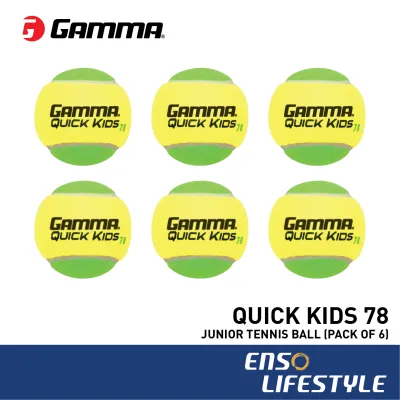
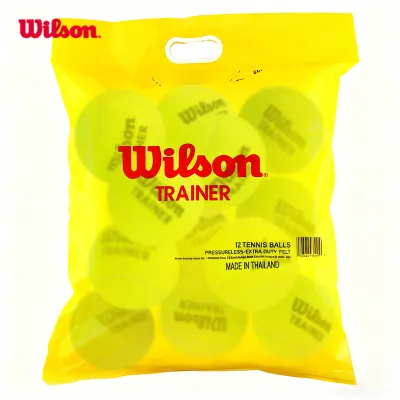
Prices are valid at publication and may change. Please refer to the product page for the latest price.
The physical differences between these transition balls and standard adult balls lie primarily in their internal air pressure and weight. Standard pressurized balls are highly active, jumping off the court surface quickly. In contrast, the lower internal pressure of transition balls dampens the rebound effect. This allows you to swing with confidence without worrying that every decent contact will fly far past the baseline.
Knowing when to transition to a standard pressurized ball depends on observable skill milestones rather than a set timeline. You are ready to move up when you can consistently hit the ball in the center of your strings, maintain a controlled rally of at least six to eight shots with a partner, and adjust your feet to ball depth without feeling rushed. If you find yourself consistently waiting for a low-compression ball to drop too low before hitting it, it is time to step up to the next stage.
Matching Ball Felt to Your Practice Court Surface
Once you transition to standard tennis balls, the outer felt cover becomes a critical factor in how the ball performs and how long it lasts. Tennis ball manufacturers produce balls with different felt configurations to handle specific playing environments. For most players practicing on hard outdoor courts, matching the felt to the surface is the key to getting the best value out of your purchase.

The two primary categories you will encounter are regular duty and extra duty balls. Regular duty balls feature a thinner, more tightly woven felt. They are designed primarily for soft clay courts or indoor carpet courts where abrasive friction is minimal. Extra duty balls, on the other hand, use a thicker, looser felt weave. This extra material is engineered to withstand the harsh, sandpaper-like texture of outdoor hard courts, which are highly common in community play spaces and residential estates.
Using the wrong felt type on your court surface leads to rapid wear and altered ball flight. If you play with regular duty balls on a rough hard court, the thin felt will wear away rapidly, leaving you with a bald, unpredictable ball within a single session. Conversely, if you use extra duty balls on a damp clay court, the thicker felt will absorb moisture and collect loose clay particles, making the ball heavy, sluggish, and hard on your elbow.
To maximize your practice sessions, perform regular visual and tactile checks on your balls. On hard courts, look for signs of ‘balding,’ where the yellow felt wears down to the black rubber core underneath. If the felt begins to split at the seams or starts to look excessively fuzzy and puffed up, the ball will experience increased aerodynamic drag, slowing down significantly in the air and dropping short of its intended target.
Evaluating Durability and Cost-Effectiveness for Frequent Practice
For a beginner committed to regular practice, the ongoing cost of tennis balls can accumulate quickly. Balancing your budget requires understanding the differences between pressurized and pressureless tennis balls, which affect bounce, longevity, and feel.
Pressurized balls are the industry standard for match play, sold in sealed cans to maintain internal gas pressure. They offer a lively bounce and a comfortable feel. However, once opened, they immediately begin losing pressure and go ‘dead’ within a few weeks, even if left unused. They are highly recommended for realistic rally practice but require frequent replacement.
Pressureless balls rely on a thick, resilient rubber core rather than internal gas for their bounce. Typically sold in bulk, they do not lose bounce over time; as the felt wears away, they can actually bounce higher. However, they feel noticeably heavier and stiffer on impact, which can tire a beginner’s wrist and shoulder during long sessions.
This makes pressureless balls highly cost-effective for solo wall practice, serving drills, or ball machines. For live rallies, pressurized balls are better for developing a true feel. To calculate your cost per session, divide the purchase price by the number of playable hours. While a S$10 can of pressurized balls might last only two sessions (costing S$5 per session), a bulk bucket of pressureless balls costs more upfront but lasts for months.
Building a Beginner's Tennis Ball Kit: Step-by-Step
Assembling a practical tennis ball kit does not require spending a fortune, but it does require a systematic approach to ensure you have the right tools for different training scenarios. By organizing your equipment, you can focus on skill acquisition rather than chasing single balls across the court.
First, assess your current playing environment and skill level. If you are practicing on local outdoor hard courts and still working on basic stroke consistency, your primary need is a ball that can handle abrasive surfaces without flying too fast. For absolute beginners, start by purchasing a small pack of green-dot transition balls to practice slow-paced rallies. If you are already rallying comfortably, opt for extra duty standard balls.
Second, allocate your budget across different ball formats. For solo practice, such as serving drills or hitting against a practice wall, purchase a bulk bag of 12 to 24 pressureless balls. These will withstand hundreds of impacts without losing their bounce. For coached sessions or friendly rallies with a partner, keep two to three fresh cans of pressurized extra duty balls in your bag to ensure you are practicing with realistic bounce heights and speeds.
Third, verify the packaging labels carefully before making a purchase. Look for terms like ‘Extra Duty’ or ‘Hard Court’ on the packaging to ensure the felt is suited for abrasive surfaces. If you are buying transition balls, double-check the color-coded indicators (such as a green dot on the ball itself) to confirm you are not accidentally buying standard high-velocity balls.
Finally, establish a structured rotation system to maximize the lifespan of your gear. Label your fresh cans of pressurized balls with a marker when you open them. Use these balls for your high-quality rally sessions first. Once they begin to lose their crisp bounce, downgrade them to your practice basket for serve practice or low-intensity feeding drills. Once the felt is bald or the core is completely flat, retire them from the court entirely.
Signs It Is Time to Replace Your Practice Balls
Playing with worn-out tennis balls can severely hinder your progress as a beginner. When a ball loses its structural integrity, it no longer behaves predictably, forcing you to adjust your strokes to compensate for a faulty bounce rather than developing clean, repeatable mechanics. Recognizing when a ball has reached the end of its useful life is essential for maintaining a productive practice environment.
To check if a ball is still usable, perform a simple squeeze and bounce test. Hold the ball in your hand and press your thumb into the center; if the rubber core collapses easily under moderate pressure, the ball has lost its internal air and is ‘dead.’ Next, drop the ball from shoulder height onto a hard surface alongside a fresh ball. If the used ball bounces significantly lower or produces a dull, hollow thud upon impact, it should be retired from rally play.
Additionally, inspect the outer felt for physical wear. A ball that has lost its nap—the fuzzy outer fibers—will fly through the air much faster and slide along the court surface rather than gripping it. If you notice the felt is balding down to the black rubber, or if the seams are beginning to split apart, the ball will no longer take spin or bounce consistently.
The ultimate stopping condition is when the balls begin to negatively affect your physical comfort or stroke feedback. If you find yourself swinging harder just to get a dead ball over the net, or if you feel a jarring sensation in your elbow upon impact, stop using those balls immediately. Replacing your practice balls regularly ensures that your hard work on the court translates into genuine skill development.
Frequently Asked Questions (FAQ)
Can beginners use standard yellow tennis balls right away?
While beginners can technically start with standard yellow tennis balls, doing so often slows down skill development. Standard balls bounce high and travel fast, which frequently forces new players to rush their swings and develop improper, shortened stroke mechanics. Starting with lower-compression transition balls is highly recommended to build proper rhythm first.
Do pressureless tennis balls last forever?
No, pressureless tennis balls do not last forever. Although their rubber cores retain their bounce over long periods, the outer felt cover will eventually wear down, bald, or split. Once the felt is gone, the ball loses its aerodynamic stability and court grip, making it unpredictable and ready for replacement.
How many tennis balls should a beginner bring to a practice session?
For live rally practice with a partner, bringing four to six pressurized balls is usually sufficient. However, if you are practicing serves solo or doing multi-ball feeding drills, you should bring a basket or bag containing at least 24 to 48 pressureless balls to maximize your hitting time and minimize ball-chasing.
Community discussion
Share your experience or ask a question. Comments are reviewed before publication.