
Selecting the right tennis grip tape is one of the simplest yet most impactful adjustments a beginner can make to improve racket control, prevent painful blisters, and boost overall confidence on the court. The grip tape serves as the direct interface between your hand and the racket, directly influencing how securely you can swing without the handle twisting during off-center hits. For most new players, starting with a thin overgrip wrapped on top of the factory-installed base grip is the most practical, cost-effective, and customizable way to achieve the perfect balance of comfort and sweat absorption.
Understanding Tennis Grip Tape Types for Beginners
To make an informed purchase, beginners must first understand the structural difference between the two main categories of grip tape: replacement grips and overgrips. Every tennis racket comes from the factory with a base layer wrapped directly around the bare handle bevels. This is known as a replacement grip. It is thick, cushioned, and features a strong adhesive backing to keep it permanently secured to the handle’s wooden or composite structure. Replacement grips are designed to provide the primary shock absorption and define the physical shape of the handle.
An overgrip, by contrast, is a much thinner tape designed to be wrapped directly on top of the replacement grip. Overgrips are highly customizable, relatively inexpensive, and intended to be replaced frequently as they wear out. They do not have a full adhesive backing; instead, they rely on tension, a small adhesive starting strip, and finishing tape to stay in place. Because they are thin, they allow players to quickly change the feel, texture, and moisture-wicking properties of their racket handle without altering the underlying structure.
Products mentioned in this guide
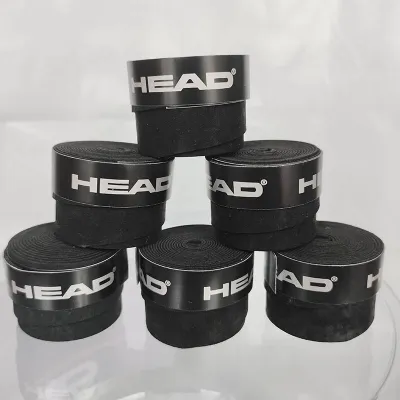
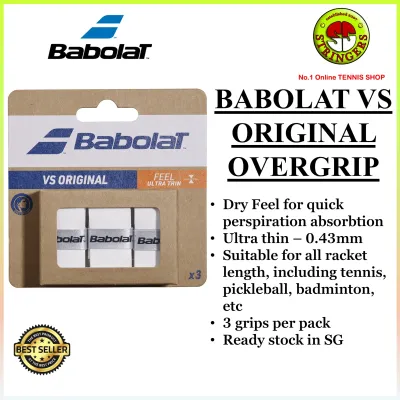
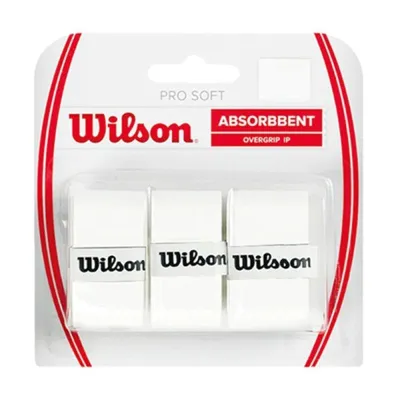
![Wilson Pro Overgrip Perforated [Suitable for tennis badminton pickleball padel]](https://img.lazcdn.com/g/p/948efaeebcfcd9666ff027b8536e59b9.jpg_400x400q80.jpg_.webp)
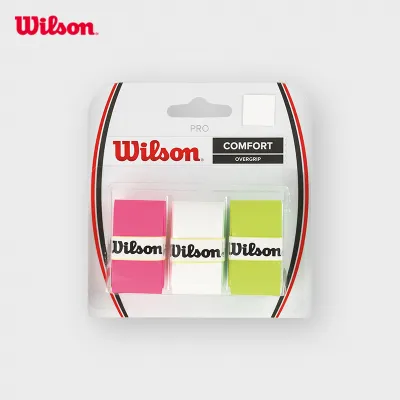
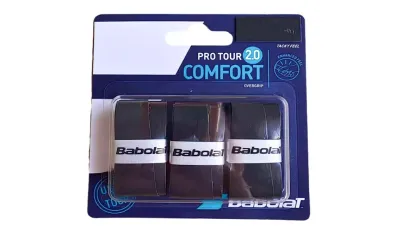
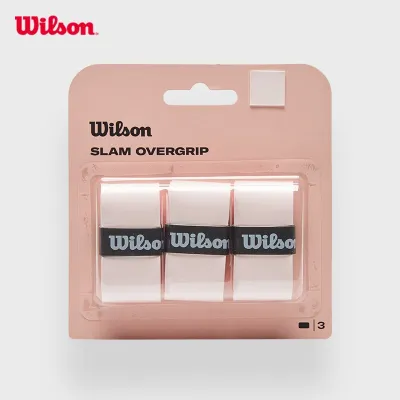
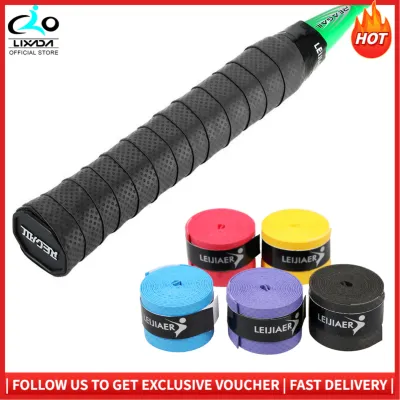
Prices are valid at publication and may change. Please refer to the product page for the latest price.
For beginners, starting with overgrips is highly recommended. It is a cost-effective way to experiment with different surface textures and maintain hygiene without the hassle of removing the factory grip. A basic three-pack of overgrips in Singapore typically costs around S$6 to S$12, making it an affordable accessory for regular maintenance. Wrapping a fresh overgrip takes only a couple of minutes and instantly restores the racket’s tactile performance.
However, there are times when an overgrip is not enough and a full replacement grip is required. If you are using an older racket that has been stored in a humid environment, the original base grip may begin to crumble, leave black residue on your hands, or lose its structural cushioning entirely. If you can feel the hard, sharp edges of the handle bevels digging painfully into your palm even with a fresh overgrip applied, the base layer has bottomed out. In this scenario, you must strip the handle down to the bare frame and apply a new replacement grip to restore the necessary cushioning.
Key Features to Evaluate for Comfort and Control
When evaluating different grip tapes, the surface texture is the most critical factor influencing your control over the racket. Grip tapes generally fall into two texture categories: tacky and dry. Tacky grips feature a sticky polyurethane coating that offers immediate adhesion to your hand. This stickiness allows you to maintain a secure hold on the racket with minimal hand pressure, which helps prevent forearm fatigue and tension during your swing. Tacky grips are highly popular among beginners because they provide an instant sense of security.

Dry grips, on the other hand, have a soft, felt-like texture similar to suede. Instead of feeling sticky, they are designed to absorb moisture rapidly. As your hands sweat, the dry grip absorbs the moisture and actually becomes more secure, preventing the racket from slipping. In hot, humid climates like Singapore, where outdoor courts can cause rapid sweating, a dry grip or a highly absorbent perforated tacky grip is often essential for maintaining control. If you naturally have dry hands, a tacky grip is usually the better choice; if your palms sweat heavily during play, a dry, moisture-wicking grip will serve you better.
Thickness and cushioning are equally important considerations for a player’s physical comfort. Grip tape thickness typically ranges from 0.4mm to 0.8mm. Thicker overgrips provide superior shock absorption, which is highly beneficial for beginners who are still developing clean contact with the ball. Off-center hits send harsh vibrations up the racket shaft, which can contribute to wrist strain or tennis elbow over time. A thicker, cushioned grip dampens these vibrations, protecting your joints.
The trade-off of a thicker grip is a reduced feel for the handle’s bevels. The octagonal shape of a tennis handle is designed to help players instinctively feel the angle of the racket face without looking at it. A grip tape that is too thick rounds out these bevels, making it more difficult to learn correct grip transitions, such as switching from a forehand to a backhand grip. Beginners should generally look for a balanced thickness of around 0.5mm to 0.6mm to enjoy adequate cushioning while preserving handle feedback.
Surface patterns and embossing also play a role in grip stability. Some grip tapes are completely smooth, while others feature physical perforations or raised foam ridges. Perforations increase ventilation and allow sweat to drain away from the surface, keeping the grip drier for longer. Embossed ridges or stitched lines provide physical contours that help guide finger placement, which can be highly reassuring for new players learning how to hold the racket consistently. However, some players find raised ridges distracting or prone to causing friction blisters if their grip pressure is too tight.
Assessing Durability and Value for New Players
Understanding when to change your grip tape is essential for maintaining consistent performance and preventing injury. The most obvious visual indicator of wear is discoloration, particularly on white or light-colored grips, which quickly absorb dirt, sweat, and sunscreen. However, tactile indicators are far more critical. When a tacky grip loses its stickiness and feels slick, or when a dry grip becomes stiff, crusty, and starts to peel or tear under your thumb, its functional lifespan has ended.
Playing with a worn-out grip tape forces you to squeeze the handle much harder to prevent the racket from twisting during contact. This excessive grip pressure leads to muscle tension in your forearm, which limits your swing speed and significantly increases the risk of developing tennis elbow. Replacing your grip tape as soon as it loses its friction is a simple way to ensure you are playing with relaxed, correct technique.
For beginners committing to a regular practice schedule, buying grip tapes in multi-packs offers the best long-term value. While single packs are convenient for a quick trial, three-packs or twelve-packs significantly reduce the cost per wrap. However, avoid purchasing massive bulk reels of thirty or more grips when you are first starting out. Your preferences for texture, thickness, and brand will likely evolve as your swing speed increases and your hands adapt to the sport. It is wiser to test a few different three-packs before committing to a bulk purchase.
Proper storage is also vital to prevent unused grip tapes from degrading before they ever reach your racket. Polyurethane is sensitive to environmental factors like heat, humidity, and ultraviolet light. In Singapore’s tropical climate, leaving your tennis bag in a hot car trunk or storing spare grips on a sunny balcony can cause the adhesive backing to melt or the polyurethane coating to become gooey and unusable. To maximize their shelf life, store your spare grip tapes in a cool, dry indoor drawer, ideally sealed inside an airtight plastic bag to protect them from ambient humidity.
How to Build Your Beginner Grip Tape Shortlist
To make your final purchase decision simple and structured, follow this step-by-step framework when shopping at local sports retail stores or online marketplaces.
Step 1: Inspect your current racket handle. Strip off any old, dirty overgrips to examine the base replacement grip underneath. If the base grip is clean, intact, and still offers decent cushioning, you only need to purchase an overgrip. If the base grip is crumbling, sticky, or worn down to the underlying handle material, add a replacement grip to your shopping list to establish a healthy foundation.
Step 2: Identify your primary playing environment. If you plan to play mostly on outdoor public courts under the sun, prioritize moisture-wicking properties by looking for dry-feel grips or perforated tacky options. If you will be playing primarily in covered, air-conditioned indoor facilities, sweat management is less critical, allowing you to focus purely on maximum tackiness and comfort.
Step 3: Filter your options by texture and thickness. If you are prone to joint discomfort or want a highly cushioned feel, filter for overgrips with a thickness of 0.6mm or higher. If you want to focus on learning correct grip forms and feeling the handle bevels clearly, look for thinner options around 0.5mm.
Step 4: Adopt a trial strategy. Instead of buying a large quantity of one specific grip, purchase two different three-packs—for example, one classic tacky pack and one dry, absorbent pack. Wrap one style on your racket, play with it for a few sessions, and then swap it out for the other. This direct, hands-on comparison is the most reliable way to discover which texture matches your hand sweat levels and personal comfort preferences.
Frequently Asked Questions (FAQ)
How often should a beginner change their tennis grip tape?
The frequency of changing your grip tape depends on how often you play, how much your hands sweat, and your grip pressure. On average, a beginner should expect to replace an overgrip every 6 to 10 hours of play. If you play once a week, this translates to changing your grip roughly once a month. However, you should always replace the tape immediately if you notice visual peeling, a slick texture, or if the racket begins to twist in your hand during normal hits.
Can I use an overgrip directly on the bare racket handle?
You should not wrap an overgrip directly onto a bare racket handle. Overgrips are extremely thin and do not provide enough cushioning to protect your hand from the hard wooden or composite bevels of the handle. Playing without a proper base replacement grip will likely cause painful blisters, hand fatigue, and joint strain. Additionally, the lack of a protective base layer can allow sweat to seep directly into the handle material, potentially damaging the racket’s structural core over time.
Does grip tape thickness affect my racket's grip size?
Yes, adding grip tape will increase the physical dimensions of your racket handle. Each standard overgrip layer increases the handle size by approximately half a grip size (about 1.5mm in diameter). If your racket handle already feels slightly too large, adding a thick overgrip can make it difficult to wrap your fingers around securely, leading to hand strain. If you plan to use overgrips regularly, it is best to choose a racket with a base grip size that accommodates the extra layer comfortably.

Community discussion
Share your experience or ask a question. Comments are reviewed before publication.