
Finding the right tennis grip tape is one of the simplest yet most impactful ways for a beginner in Singapore to improve their play and prevent the racket from slipping during a swing. The ideal choice depends on your personal sweat level, how the racket handle fits your hand, and how you respond to the local tropical climate. By understanding the differences between tacky, dry, and cushion overgrips, you can maintain a secure hold on your racket without over-gripping, which helps prevent wrist fatigue and blisters.
For most beginners, an overgrip—a thin, disposable tape wrapped over the racket’s original base grip—is the most practical solution. It allows you to customize the feel of your handle for a fraction of the cost of replacing the entire base grip. In Singapore’s warm and humid environment, grip tape wears out quickly, making it essential to know what features to look for when browsing local sports stores or online marketplaces.
Understanding the Main Types of Tennis Grip Tapes
Tennis overgrips generally fall into three primary categories, each designed to address specific player preferences and physical needs. Understanding these categories allows you to select a tape that complements your playing style and physical comfort from your very first session on the court.
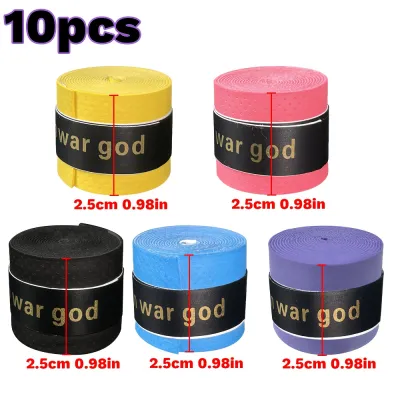
Products mentioned in this guide
![Wilson Pro Overgrip Perforated [Suitable for tennis badminton pickleball padel]](https://img.lazcdn.com/g/p/948efaeebcfcd9666ff027b8536e59b9.jpg_400x400q80.jpg_.webp)
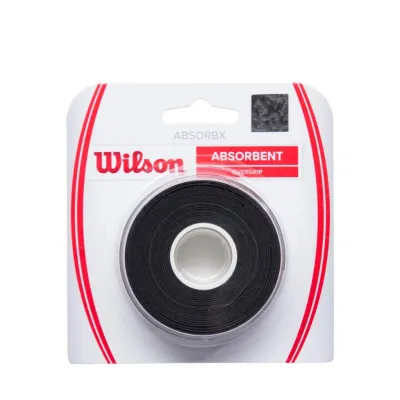
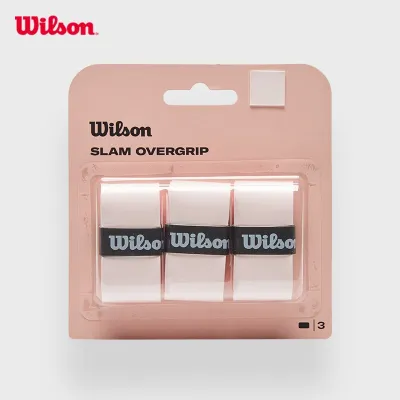
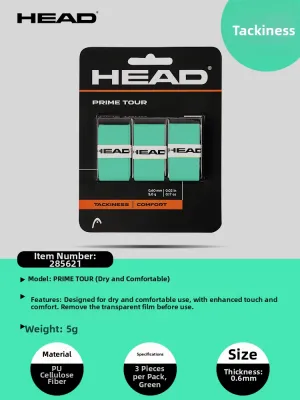
Prices are valid at publication and may change. Please refer to the product page for the latest price.
Tacky grips are designed to provide a sticky, adhesive-like feel that helps the racket cling to your palm. This surface friction is highly beneficial for beginners who are still learning the correct grip pressure, as it prevents the racket from twisting during off-center hits. Tacky options usually feature a smooth polyurethane surface that offers basic moisture absorption, making them excellent for players with light to moderate hand perspiration.
Dry grips, often referred to as absorbent or paper-like grips, focus entirely on moisture management. Instead of a sticky surface, they utilize a highly porous, fabric-like texture that wicks sweat away from your skin. As these grips absorb moisture, they actually become more secure, preventing the handle from turning slick. This makes them the preferred choice for players who experience heavy sweating or those playing in high-temperature environments.
Cushion grips are thicker than standard overgrips and often feature integrated foam strips or textured ridges. Their primary purpose is to absorb shock and vibration when the ball impacts the strings, which protects your joints and reduces hand fatigue. Additionally, because they add noticeable volume to the handle, cushion grips are an excellent tool for players who need to build up a slightly small racket handle to achieve a more comfortable fit.
Matching Grip Tape to Your Sweat Level and Local Climate
Selecting the right grip tape requires a realistic assessment of your physical response to exercise and the environment where you play. Because tennis is highly active, even a short practice session can cause significant hand perspiration, which directly impacts how well you can control your racket.

To determine your baseline needs, observe your hands during a typical practice session. If your palms remain relatively dry and you only notice light moisture after an hour of play, a tacky grip will likely provide the secure feel you need. However, if you find yourself constantly wiping your hands on your shorts or towel between points, your sweat volume requires the active wicking properties of a dry grip.
Singapore’s high humidity and year-round heat play a massive role in how grip materials perform. In humid conditions, moisture does not evaporate quickly from the skin or the grip surface. Tacky grips can quickly become saturated, turning a once-sticky handle into a slippery surface that compromises your control. For this reason, many local players opt for dry grips even if they do not consider themselves heavy sweaters, simply to combat the ambient moisture in the air.
Recognizing the physical signals of grip failure is crucial for preventing injury and maintaining consistency. If you feel the racket twisting in your hand when hitting a forehand, or if you find yourself squeezing the handle with excessive force just to keep it stable, your grip tape is no longer doing its job. Transitioning from a tacky grip to a dry alternative, or simply replacing your worn tape, will restore proper friction and allow you to maintain a relaxed, efficient grip.
What to Check Before Buying: Thickness, Durability, and Value
When shopping for tennis grips at local retail outlets or online marketplaces, looking closely at the product specifications on the packaging will help you make an informed decision. Key factors such as thickness, material composition, and packaging size dictate how the grip will perform and how much value it offers over time.
Thickness is typically measured in millimeters, usually ranging from 0.4mm to 0.8mm. Thinner tapes (around 0.4mm to 0.5mm) are ideal for players who want to maintain the distinct feel of the racket handle’s bevels, which is essential for learning how to shift between continental, eastern, and semi-western grips. Thicker tapes (0.6mm to 0.8mm) offer more comfort and dampening but will round out the handle’s edges, making the bevels harder to feel.
Evaluating durability involves looking at the material structure and understanding how your playing frequency affects its lifespan. High-quality polyurethane blends offer better resistance to friction and peeling than basic synthetic alternatives. For a beginner practicing once or twice a week, a standard overgrip should ideally last through several sessions before showing signs of structural breakdown, though high-intensity play or heavy sweating will shorten this window.
Comparing packaging options is a smart way to manage your tennis budget. In Singapore, a single quality overgrip typically costs between S$3 and S$6, while multi-packs containing three or more grips offer better value, often ranging from S$8 to S$15 depending on the pack size and material specifications. Once you have identified your preferred type, purchasing multi-packs—such as 3-packs, 12-packs, or even larger bulk rolls—offers a much lower cost per grip. Given how frequently grips must be changed in a tropical climate, buying in bulk is highly economical for regular players.
How to Apply and Know When to Replace Your Overgrip
Applying an overgrip is a fundamental skill that every tennis player should master. A properly wrapped grip ensures a uniform surface without lumps or gaps, which directly contributes to a consistent feel and better control during your strokes.
To apply the overgrip, start at the butt cap of the racket handle. Remove the protective plastic film from the grip tape—a crucial step that beginners often overlook—and locate the tapered end, which usually features a small adhesive tab. Anchor this adhesive end to the bottom of the handle, then begin wrapping upward, rotating the racket slowly while maintaining firm, consistent tension on the tape. Overlap each turn by approximately two to three millimeters to ensure complete coverage without creating thick ridges. Once you reach the top of the handle near the throat, cut any excess tape at an angle, and secure the end tightly using the included adhesive finishing tape.
Knowing when to replace your overgrip is largely a matter of paying attention to tactile and visual changes. Tactile signs of wear include a noticeable loss of friction, where a tacky grip feels slick or a dry grip feels smooth and cardboard-like. You might also notice the material hardening, which reduces its shock-absorbing qualities and makes the handle feel harsh against your palm.
Visual checks are equally reliable indicators that a change is overdue. Look for visible tearing along the edges where your fingers rest, severe thinning of the material, or dark discoloration from dirt, sweat, and oils transferred from your hands. Playing with a dirty, worn-out grip not only compromises your performance but also creates an unhygienic surface that can harbor bacteria. Replacing your overgrip regularly ensures your racket always feels secure, comfortable, and ready for play.
Frequently Asked Questions (FAQ)
Can I use a replacement grip instead of an overgrip?
A replacement grip is designed to be applied directly to the bare wood or carbon fiber of the racket handle, providing the primary layer of cushioning and establishing the base handle size. An overgrip is a much thinner tape designed to be wrapped on top of this replacement grip. While you can play on a replacement grip alone, using an overgrip is highly recommended because it is much cheaper and easier to replace regularly, preserving the expensive base grip underneath.
How often should a beginner change their tennis grip tape?
There is no single timeframe for changing your grip tape, as it depends on your play frequency, sweat volume, and the local weather. A good rule of thumb for beginners is to change the overgrip every six to ten hours of play, or as soon as you notice a loss of surface friction or visible wear. In humid conditions, you may need to change it more frequently to maintain a secure hold.
Do I need to remove the plastic wrapper before applying the overgrip?
Yes, you must completely remove the clear protective plastic film from the surface of the overgrip before wrapping it onto your racket. This film is only there to protect the grip’s texture and adhesive properties while in the packaging. Leaving it on will make the grip completely slick, preventing it from absorbing sweat or providing any usable friction.
Community discussion
Share your experience or ask a question. Comments are reviewed before publication.