
To find the best adjustable dumbbell set for a small HDB flat, you must prioritize physical footprint, adjustment mechanism, and floor protection over raw weight capacity. In a typical Singapore apartment where space is at a premium, a single pair of adjustable dumbbells replaces an entire rack of traditional weights, saving valuable square footage. However, choosing the right set requires careful measurement of your storage area, an understanding of how different adjustment mechanisms affect the dumbbell’s physical length, and a plan to protect your home’s flooring.
Living in a compact home means every piece of fitness equipment must justify its footprint. Traditional dumbbell sets with fixed weights require a dedicated rack that can easily dominate a bedroom or living room corner. Adjustable dumbbells solve this problem by consolidating multiple weight increments into a single pair. Yet, not all adjustable models are suited for the tight layouts and structural characteristics of HDB flats. By focusing on space-saving designs and practical storage solutions, you can build an effective home gym without cluttering your living space.
Assessing Your HDB Workout and Storage Space
Before browsing online listings or visiting local fitness showrooms, you must accurately define the physical boundaries of your workout environment. Most HDB residents perform their exercises in the living room or a spare bedroom. These spaces are often multi-functional, meaning your workout zone must be set up and packed away quickly. Start by clearing a dedicated workout area that measures at least 2 meters by 2 meters. This clearance ensures you can perform dynamic movements like lateral raises, chest flies, and lunges without colliding with television consoles, coffee tables, or walls.
Products mentioned in this guide
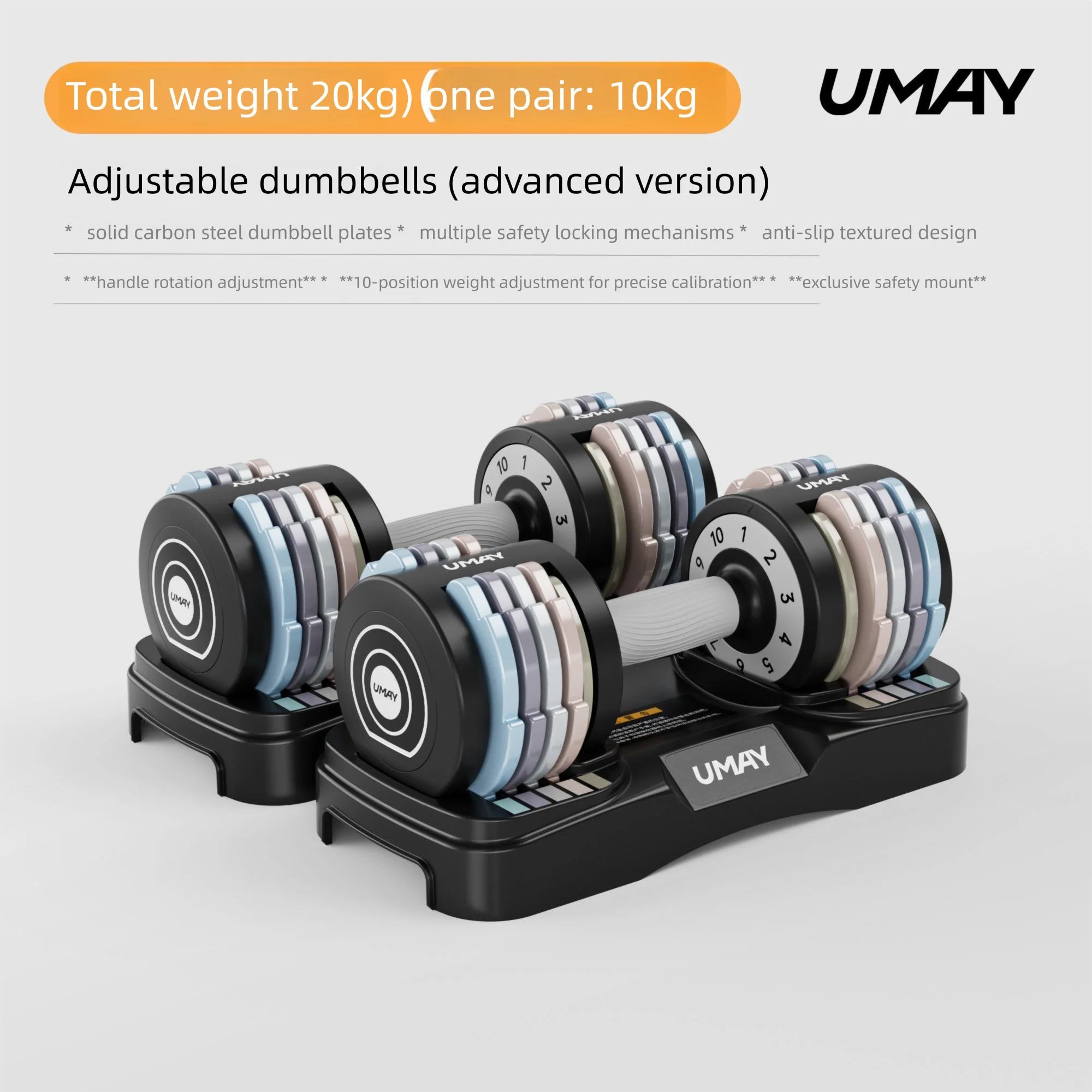
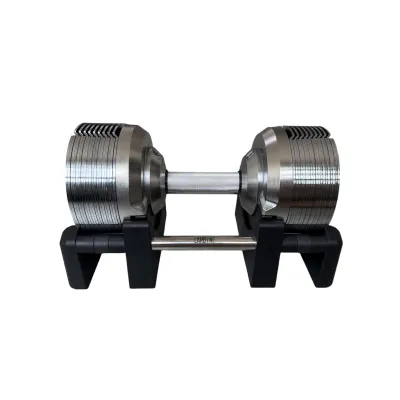
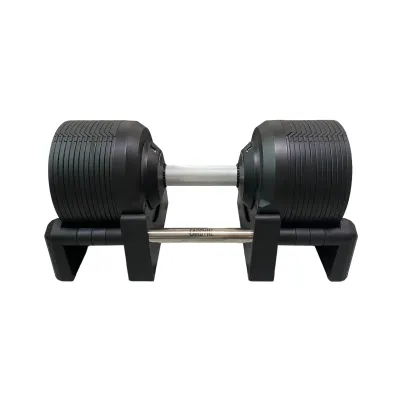
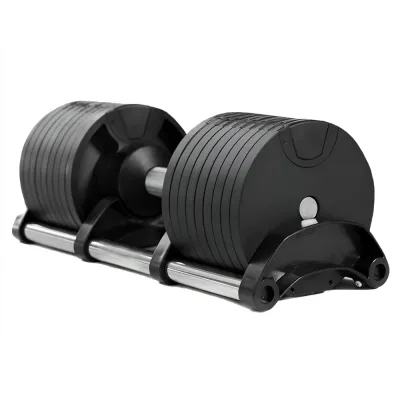
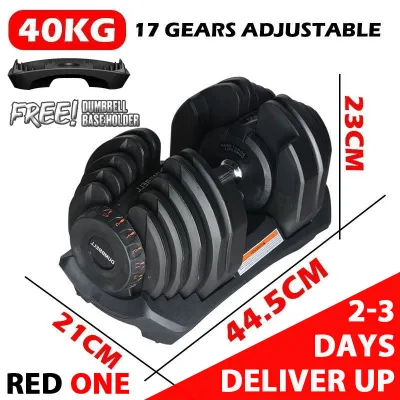

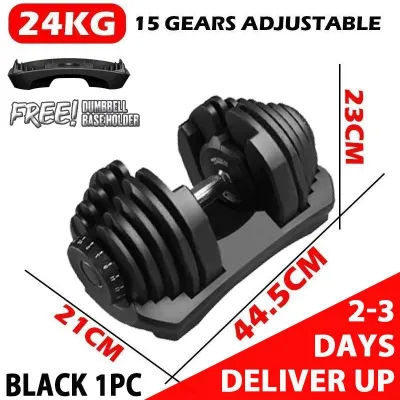
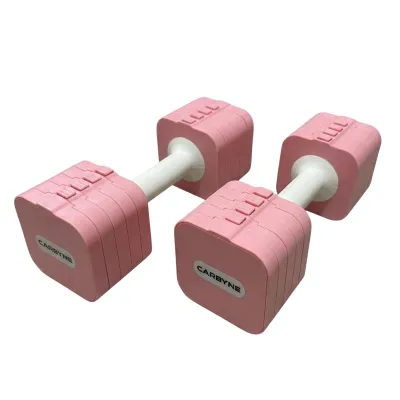
Prices are valid at publication and may change. Please refer to the product page for the latest price.
Vertical clearance is another critical factor that is easily overlooked. If your flat has low-hanging light fixtures, decorative false ceilings, or ceiling fans, you must verify that you can perform overhead presses safely. Stand in your designated workout spot and extend your arms fully upward to ensure you have ample clearance.
Once you have established your workout zone, identify where the dumbbells will live when they are not in use. Popular storage spots in HDB flats include the space under a bed frame, inside a wardrobe, or tucked into a utility closet. Measure the exact width, depth, and height of these storage areas. If you plan to store the weights under a bed, measure the vertical clearance from the floor to the bottom of the bed frame, which typically ranges from 15 to 25 centimeters. Finally, consider the pathway between your storage spot and your workout zone. Carrying heavy, bulky weights through narrow hallways or past delicate glass doors increases the risk of accidental bumps and injuries.
Key Dimensions to Check Before Buying
When evaluating different adjustable dumbbells, physical dimensions are just as important as the weight range. The first dimension to check is the base footprint, which refers to the length and width of the cradle or tray that holds the dumbbells when they are resting. This tray is essential for keeping the weight plates organized and aligned, so its dimensions will dictate the minimum shelf or floor space you need for storage.

The second critical dimension is the maximum length of the dumbbell itself when fully loaded. Some adjustable dumbbells feature a fixed-length design, meaning the handle shaft remains at its maximum length regardless of whether you are lifting 2 kilograms or 20 kilograms. In a tight workout space, long dumbbells can feel unwieldy and may collide with each other during exercises like chest presses or bicep curls. Conversely, telescoping or variable-length designs grow shorter as you select lighter weights, making them much easier to maneuver in confined spaces.
Lastly, pay close attention to handle clearance and grip design. The grip area must be wide enough to accommodate your hands comfortably without your knuckles rubbing against the adjacent weight plates. In Singapore’s warm and humid climate, a secure grip is vital for safety. Look for handles with textured knurling or high-traction rubber grips that prevent slipping when your hands sweat, ensuring you maintain complete control over the weights at all times.
Comparing Adjustment Mechanisms for Compact Living
The mechanism used to change weights significantly impacts both the speed of your workout and the space efficiency of the dumbbell set. Dial-based systems are highly popular because they allow you to change weights in seconds. By resting the dumbbell in its cradle and turning a dial on either end, you can select your desired weight instantly. While highly convenient, dial systems rely on complex internal gears and require a permanent, relatively large base tray to function. They also tend to have a fixed-length design, which may not be ideal if you prefer a more compact dumbbell for lighter exercises.
Pin-lock or slide systems offer an alternative that is often slightly more compact than dial systems. These models use a selector pin or a sliding tab to lock the desired number of plates onto the handle. While the base footprint is often smaller, you must ensure you have enough physical clearance on either side of the cradle to pull out and reinsert the pins. If you plan to store your dumbbells in a tight corner or a narrow shelf, accessing these pins can become frustrating.
Spin-lock or collar systems are the most traditional option and are highly space-efficient for storage because they do not require a bulky cradle. You simply slide individual weight plates onto a threaded handlebar and secure them with a spinning collar. While this system is highly durable and has a very small storage footprint, changing weights takes significantly longer. Furthermore, you will need to manage loose weight plates, which can easily roll around your flat and create a tripping hazard if not stored carefully in a dedicated box or bin.
Protecting Your Floors and Managing Noise
HDB flats are built with concrete floor slabs, typically finished with ceramic tiles, vinyl, or timber parquet. While these floors are structurally robust, they are highly susceptible to damage from dropped weights. Ceramic tiles can easily crack or chip under sudden impact, while parquet and vinyl can suffer deep dents and scratches. Because repairing flooring in a high-rise apartment can be costly and disruptive, protecting your floors must be a priority.
To safeguard your home, always perform your workouts on a high-density rubber gym mat. Avoid thin yoga mats, which do not provide enough cushioning to absorb the impact of heavy weights. A high-density mat also plays a crucial role in managing noise. Sound travels easily through concrete floors, and the thud of a dumbbell being set down too hard can easily disturb your downstairs neighbors. A proper rubber mat dampens these vibrations, keeping your workouts quiet and neighbor-friendly.
In addition to using protective mats, practicing safe lifting habits is essential. Always maintain a controlled tempo during the lowering phase of your exercises. Never drop adjustable dumbbells onto the floor. Beyond the risk of damaging your tiles, sudden impacts can misalign or shatter the delicate internal locking mechanisms of dial or pin-lock dumbbells, rendering the entire set unusable.
Building Your Space-Optimized Shortlist
To find the perfect set for your home, compile a comparison checklist of candidate models. Create a simple table listing the maximum weight, minimum weight, increment steps, physical length at maximum weight, base footprint dimensions, and price in S$ for each model. This structured approach allows you to filter out options that are too large for your storage space or too heavy for your current fitness level.
Next, carefully verify the manufacturer’s warranty terms. Adjustable dumbbells contain moving parts that are subject to wear and tear. Look for warranties that specifically cover mechanism failure rather than just structural defects in the iron plates. Because repairing a broken selector dial or a jammed pin-lock system in a small flat is highly impractical, a reliable warranty provides essential peace of mind.
Finally, check the retailer’s return and exchange policies. It is difficult to fully assess the ergonomics, grip comfort, and adjustment smoothness of a dumbbell from online product descriptions alone. Choosing a retailer that offers a flexible return policy allows you to test the physical size of the dumbbells in your actual workout space, ensuring they fit comfortably before you commit to the purchase.
Frequently Asked Questions (FAQ)
Can I store adjustable dumbbells without their original base?
Most dial-system and pin-lock adjustable dumbbells must be stored in their original cradles or bases. The base aligns the weight plates perfectly, allowing the internal selection mechanism to engage and disengage safely. Storing them loose can cause the plates to shift, making it difficult to reinsert the handle and potentially damaging the locking gears. If the original base is too wide for your shelf, consider dedicated dumbbell stands or custom shelving units designed to hold the cradles securely.
Are adjustable dumbbells safe to use on standard HDB tiles?
Yes, they are safe to use, but they should never be placed directly on bare HDB tiles. While tiles can support the static weight of the dumbbells, dynamic impacts from setting them down too hard or dropping them can cause immediate cracking or chipping. Always perform your workouts on a high-density rubber gym mat or interlocking foam tiles to distribute the weight evenly and protect your floor.
Community discussion
Share your experience or ask a question. Comments are reviewed before publication.