
Ankle weights are a versatile tool for adding resistance to lower-body exercises, core workouts, and cardiovascular training. For men in Singapore looking to enhance their fitness routines, selecting the right pair involves balancing weight capacity, material durability, and comfort under humid tropical conditions. Choosing an unsuitable pair can lead to joint discomfort, skin chafing, or premature wear.
By understanding the structural differences between various designs and knowing what features to verify, you can make an informed decision that aligns with your specific training goals. This guide outlines how to evaluate ankle weights, integrate them safely into your workouts, and maintain them for long-term use.
Identifying Your Fitness Goals and Weight Types
Before purchasing ankle weights, it is essential to define your primary training objective. Different fitness goals require distinct weight designs, and selecting the wrong type can hinder your progress or increase the risk of injury.
Products mentioned in this guide
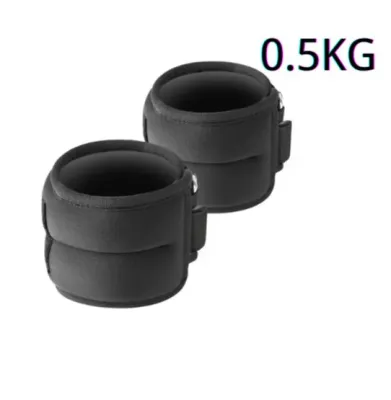

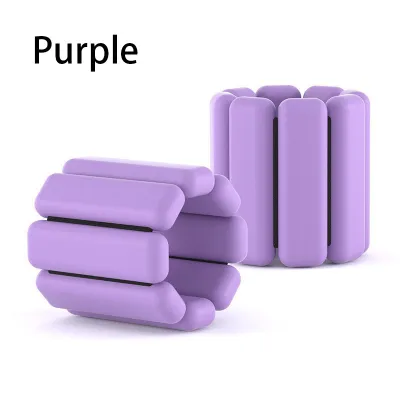
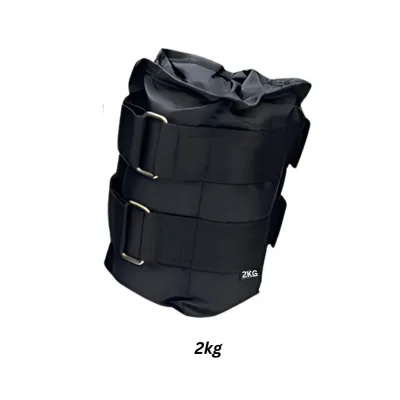
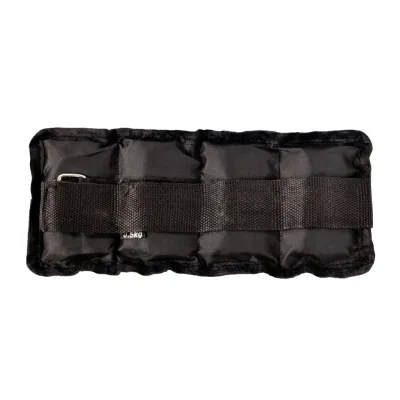
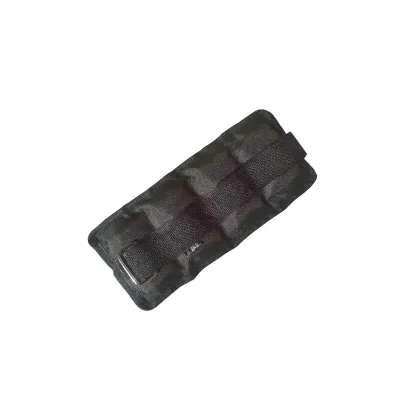
![[SG]Wrist Weight Adjustable Ankle Weight Silicone Sports Wristbands Leg Energy Wrist Strength Training Weights Silicone Wristband](https://img.lazcdn.com/g/p/0af90eae3c38a6f7d3dc581a62a4cdd0.jpg_400x400q80.jpg_.webp)
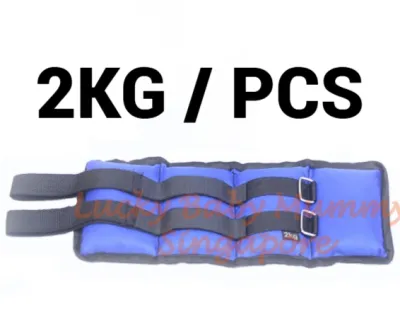
Prices are valid at publication and may change. Please refer to the product page for the latest price.
Rehabilitation and Physical Therapy If you are recovering from an injury or working on joint stabilization, your focus should be on light, highly secure resistance. For these purposes, fixed-weight models ranging from 0.5 kg to 1 kg are typically sufficient.
These weights provide gentle resistance to rebuild muscle strength and joint stability without overloading healing tissues. Look for soft, padded materials that do not press uncomfortably against sensitive areas or surgical scars.
Cardiovascular and Endurance Training For activities like walking or low-impact aerobics, the goal is to increase cardiovascular demand without altering your natural movement patterns. Heavy weights can strain your joints during repetitive cardio movements, so lighter options are preferred.
Slim-profile weights that hug the ankle closely are ideal here, as they minimize bulk and prevent the shifting that causes skin irritation during continuous motion.
Targeted Strength Training If your goal is to build muscle strength or tone your lower body and core, you will require heavier resistance and the ability to progress over time. This is where adjustable-weight designs are highly beneficial.
These models feature pockets where you can add or remove individual weight inserts, typically filled with iron sand or steel bars. This flexibility allows you to start light and gradually increase the load as your strength improves, mimicking the progressive overload principle used in traditional weightlifting.
Fixed-Weight vs. Adjustable-Weight Designs Fixed-weight models consist of a single, non-removable weight encased in fabric or silicone. They are straightforward to use, easy to clean, and generally more compact than adjustable models. However, they lack versatility; once you adapt to the weight, you must purchase a completely new set to increase the resistance.
Adjustable-weight models offer superior long-term value for strength progression but are inherently bulkier. The individual weight packets must be securely housed to prevent them from shifting or falling out during dynamic movements. When choosing adjustable weights, ensure the closure mechanism for the weight pockets is robust and easy to operate.
Slim-Profile vs. Padded Designs Slim-profile ankle weights, often made of sleek silicone or dense neoprene, are designed to be unobtrusive. They fit easily under trousers and are less likely to catch on clothing or equipment. They are excellent for dynamic movements but are usually limited to lower weight capacities.
Bulkier padded designs utilize thick foam or neoprene padding to cushion the ankle against heavier loads. While they offer greater comfort for high-weight exercises, their bulk can restrict range of motion and trap more heat, making them less suitable for fast-paced cardio workouts.
Essential Features to Check for Comfort and Durability
To ensure your ankle weights withstand regular use and remain comfortable, you must evaluate several key physical and material specifications before buying.

Weight Distribution and Ergonomic Shaping Poorly designed ankle weights allow the filling material to pool at the bottom, creating uneven pressure points against your ankle bones. Look for weights with segmented chambers or stitched pockets that keep the filling evenly distributed around the entire circumference of your ankle.
Ergonomically shaped models that contour to the natural curve of the lower leg provide a more secure fit and reduce the likelihood of the weights sliding down during exercise.
Strap Mechanisms and Fasteners The fastening system is the most common failure point on ankle weights. For men, who often have larger ankle circumferences and require higher weight capacities, a secure strap is critical.
Look for heavy-duty hook-and-loop fasteners paired with solid metal D-rings. The D-ring allows you to pull the strap tight and fold it back over itself, creating a double-layer hold that resists slipping even during vigorous movements.
Avoid plastic rings, which can crack under tension, and ensure the hook-and-loop strip is wide enough to distribute pressure evenly across your shin and Achilles tendon.
Material Breathability and Moisture Management Singapore’s hot and humid climate presents a unique challenge for fitness gear. Sweat-soaked fabrics can quickly become breeding grounds for bacteria and mold, leading to unpleasant odors and skin chafing.
Neoprene is a popular choice because it is soft, flexible, and relatively resistant to moisture. However, for maximum comfort in humid conditions, look for weights featuring breathable mesh linings that promote airflow.
Alternatively, high-grade silicone weights are completely waterproof, do not absorb sweat, and can be wiped dry instantly, making them highly hygienic for tropical climates.
Integrating Ankle Weights into Your Workout Routine
Using ankle weights effectively requires a clear understanding of how they alter movement mechanics and where they provide the greatest benefit.
Targeted Strength and Core Exercises Ankle weights are exceptionally effective for open-chain exercises where the foot moves freely. Movements such as hanging leg raises, lying glute kickbacks, donkey kicks, and side-lying hip abductions benefit significantly from the added leverage of resistance placed at the end of the limb.
Because these exercises are performed at a controlled, slow tempo, the risk of joint strain is minimized, allowing you to safely target specific muscle groups like the glutes, hamstrings, and lower abdominals.
Biomechanical Impact on Cardio and HIIT While it may be tempting to wear ankle weights during running, jogging, or high-intensity interval training (HIIT), doing so introduces significant biomechanical risks. Placing weight at the extremities increases the rotational force (torque) around your knees and hips.
This extra load can alter your natural gait, leading to compensatory movements that strain the joints and connective tissues. If you choose to use them for walking or low-impact cardio, keep the weight exceptionally light and focus on maintaining proper posture and stride mechanics.
Knowing When to Transition to Alternative Resistance Ankle weights have practical limits. Attempting to use excessively heavy ankle weights (such as those over 5 kg per leg) can place unsafe levels of stress on your joints during movement.
If you find that your current ankle weights no longer provide sufficient challenge for your strength exercises, it is time to transition to alternative resistance tools. Resistance bands, cable machines, and traditional free weights allow you to apply heavier loads in a more biomechanically stable manner, protecting your joints while continuing to stimulate muscle growth.
Evaluating Options from Local and Online Retailers
When shopping for ankle weights in Singapore, navigating the vast array of options on e-commerce platforms and in physical sporting goods stores requires a systematic approach.
Cross-Referencing Product Specifications Online listings can sometimes be misleading regarding weight specifications. Always check whether the advertised weight refers to a single ankle weight or the combined weight of the pair. For example, a listing titled “4kg Ankle Weights” may actually consist of two 2kg weights.
Additionally, verify the physical dimensions of the straps and the overall length of the product to ensure it will comfortably fit your ankle size.
Checking Return Policies and Warranties Because fit and comfort are highly subjective, it is wise to purchase from retailers that offer clear return or exchange policies. If you buy online, check the seller’s rating and read their policy on defective items.
A local warranty that covers stitching failures or broken D-rings provides peace of mind, especially if you plan to use the weights frequently for heavy strength training.
Analyzing User Reviews for Real-World Durability User reviews are invaluable for identifying potential long-term issues that are not apparent from product photos. Look specifically for feedback regarding strap durability, as cheap hook-and-loop fasteners often lose their stickiness after a few months of exposure to sweat.
Pay attention to comments about seam strength; low-quality stitching can split, causing the internal sand or metal shot to leak out during workouts. Reviews can also highlight whether the material tends to retain stubborn odors even after washing.
Safety Guidelines and Maintenance Practices
To prevent injury and ensure your equipment lasts for years, you must prioritize safety and establish a regular maintenance routine.
Recognizing Signs of Joint Stress Listen to your body during weighted movements. Sharp pain, clicking sensations, or localized discomfort in your ankles, knees, or hips are clear indicators that you should stop using the weights immediately.
Mild muscle soreness is normal, but joint pain or tendon irritation suggests that the weight is too heavy, the strap is too tight, or your form has broken down.
Consulting Professionals for Rehabilitation If you are using ankle weights as part of a recovery program for an injury, do not self-prescribe the weight or exercises. Always consult a qualified physiotherapist or medical professional.
They can provide a tailored progression plan, ensure your movement patterns are correct, and help you avoid re-injury.
Routine Inspection and Care Before every workout, take a moment to inspect your ankle weights. Check the seams for any signs of fraying or separation, particularly around the strap attachment points.
Ensure the hook-and-loop fasteners are free of lint, hair, or dust, which can severely compromise their holding power. If you notice any leaks from the weight compartments, discard or repair the weights immediately to prevent the filling from spilling during use.
Frequently Asked Questions (FAQ)
Can wearing ankle weights all day help build muscle?
No, wearing ankle weights all day is not an effective or safe way to build muscle. Muscle hypertrophy requires progressive overload under high mechanical tension, which light ankle weights cannot provide over extended periods. Instead, continuous wear primarily builds muscular endurance while significantly increasing the risk of joint strain, tendonitis, and altered gait mechanics. The constant downward pull can stress your knees and hips, potentially leading to chronic joint issues and postural imbalances.
How do I clean sweat-soaked ankle weights?
To clean sweat-soaked ankle weights, always start by checking the manufacturer’s care label for specific instructions. For most fabric-based weights, hand washing is the safest method; submerge them in cool water mixed with a small amount of mild detergent, gently scrub the surface, and rinse thoroughly. Avoid machine washing, as the heavy weights can damage your washing machine drum and degrade the internal stitching. After washing, squeeze out excess water gently without wringing, and hang them to air-dry completely in a well-ventilated area away from direct sunlight to prevent mold and mildew.
Community discussion
Share your experience or ask a question. Comments are reviewed before publication.