
Selecting a beginner-friendly flying kite in Singapore requires looking beyond eye-catching designs or famous brand names. The key to a successful first flight lies in matching a kite’s engineering, frame flexibility, and sail material to the specific wind profiles and environmental conditions of local flying spots. Because Singapore experiences distinct seasonal wind variations alongside high humidity and intense sunlight, a kite that performs well in other regions might struggle to stay aloft or degrade quickly here. By understanding what makes a kite stable and durable, you can confidently select a brand that offers the right balance of ease of use, structural resilience, and value.
Understanding Singapore's Flying Conditions for Beginners
Flying a kite in Singapore presents a unique set of meteorological and environmental factors that directly influence how different kite brands and designs perform. The island experiences two primary monsoon seasons—the Northeast Monsoon from December to March and the Southwest Monsoon from June to September—separated by inter-monsoon periods. During the monsoons, coastal areas often receive steady, moderate breezes ranging from 10 to 22 km/h, which are ideal for a wide variety of kites. Conversely, the inter-monsoon months typically bring light, variable winds punctuated by sudden, turbulent gusts before afternoon thunderstorms.
The choice of flying location also dictates the wind quality you will encounter. Popular coastal spots, such as East Coast Park and West Coast Park, benefit from relatively clean, unobstructed sea breezes. Inland locations, including open fields in housing estates or elevated green spaces like Marina Barrage, often experience more turbulent air currents caused by nearby high-rise buildings and urban infrastructure. This turbulence can cause unstable flight patterns, requiring a kite with excellent self-stabilizing properties.
Products mentioned in this guide
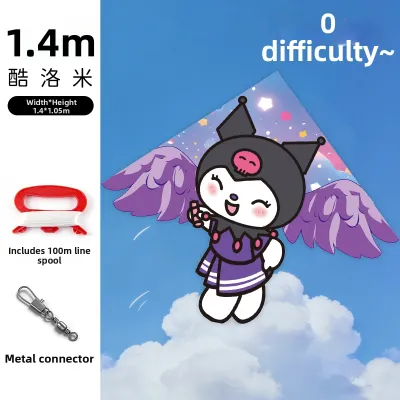
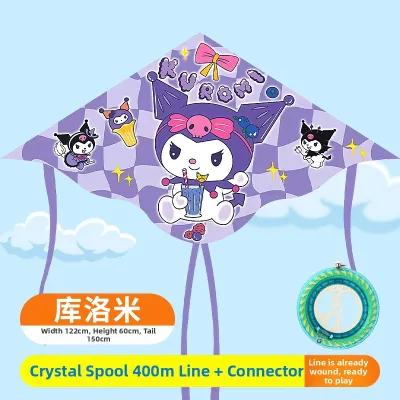
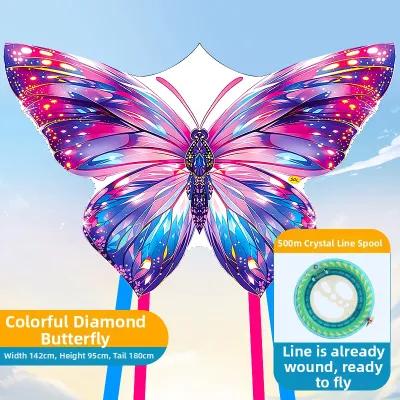
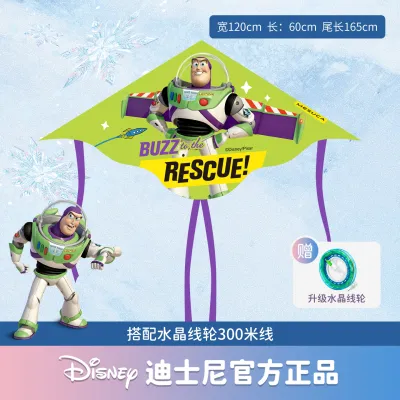
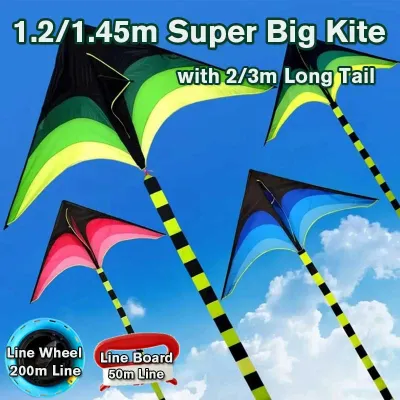
![[SG SELLER] Outdoor Children Kites Flying Game Windspeed with Tail String Line Colorful Large Kite Toy Different Designs](https://img.lazcdn.com/g/p/0bf57f2a5db4baf70319140ec51ab722.jpg_400x400q80.jpg_.webp)

Prices are valid at publication and may change. Please refer to the product page for the latest price.
Furthermore, Singapore’s tropical climate is characterized by high relative humidity and intense ultraviolet (UV) exposure. These conditions can rapidly weaken low-quality fabrics and adhesives, causing colors to fade and seams to split. When evaluating kite brands, prioritizing materials that resist UV degradation and moisture absorption is essential for ensuring your equipment lasts beyond a few weekend outings.
Key Features to Look for in Beginner-Friendly Kite Brands
When searching for a reliable flying kite brand, focusing on specific construction details and material specifications will help you identify a high-quality product. The frame, or spar system, is the backbone of any rigid kite. For beginners, fiberglass spars are highly recommended because they offer excellent flexibility and impact resistance, allowing the kite to survive the inevitable hard crashes that occur during the learning process. Carbon fiber spars are lighter and stiffer, which can improve performance in extremely light winds, but they are more expensive and can shatter under high-impact collisions.

The sail material is equally critical for durability and flight efficiency. Reputable brands typically construct their sails from ripstop nylon or ripstop polyester. Ripstop fabrics are woven with a reinforcing grid pattern that prevents small punctures or tears from spreading across the sail. Polyester is particularly well-suited for Singapore’s humid climate because it resists stretching when wet and maintains its shape better than nylon under UV exposure.
The bridle system—the network of strings attached to the kite’s frame that connects to the flying line—should be simple and pre-adjusted by the manufacturer. Single-line kites are the most practical choice for absolute beginners, as they require no complex steering and naturally find their balance in the wind. Dual-line or stunt kites offer maneuverability but require active, two-handed control and generally demand stronger, more consistent wind conditions to fly successfully.
Finally, consider the completeness of the package offered by the brand. A beginner-friendly option should include a high-quality, pre-wound flying line on an ergonomic spool or hoop handle. The included line should have a breaking strength appropriate for the kite’s size, and the assembly instructions must be clear, illustrated, and easy to follow without requiring specialized tools.
Recommended Kite Types for First-Time Flyers
Reputable kite brands design various shapes to cater to different wind conditions and skill levels. For those new to the hobby, selecting a forgiving shape is crucial for minimizing frustration and maximizing flight time. The shape of the kite determines how it channels air, generates lift, and responds to sudden changes in wind speed.
Delta and Diamond Kites
Delta (triangular) and classic diamond kites are the traditional standards for beginners due to their high lift-to-drag ratios and exceptional stability in light winds. A well-engineered delta kite features a wide wind range, allowing it to take flight in gentle breezes of around 6 to 8 km/h while remaining stable when the wind picks up.
When inspecting a delta or diamond kite from a specific brand, check the reinforcement at the nose and spar pockets. These areas experience the highest stress during flight and landings. Additionally, look for models that include or support attachable tails. Tails are not merely decorative; they add essential aerodynamic drag at the rear of the kite, which helps keep the nose pointed upward and prevents the kite from spinning out of control during sudden gusts.
Parafoil and Soft Kites
Parafoil and soft kites are completely frameless designs that rely on the wind to inflate internal cells, creating an aerodynamic wing shape. Because they contain no rigid spars, these kites are virtually indestructible and cannot break when crashing into the ground, making them an excellent option for young children or highly active beginners.
While highly durable and incredibly easy to pack down into a small pouch, parafoils generally require slightly stronger and steadier winds (typically 10 km/h or more) to remain fully inflated and airborne. They are also highly sensitive to turbulent air, which can cause the cells to collapse temporarily. When choosing a parafoil brand, look for models with well-designed air inlets and high-quality bridles to minimize the risk of line tangling during launch and storage.
Building Your Shortlist: What to Check Before Buying
Before purchasing a kite from an online marketplace or a local specialty hobby shop, it is important to verify the manufacturer’s specifications rather than relying solely on generic “easy to fly” marketing labels. Start by checking the recommended wind range of the specific model. A kite designed for high-wind regions may perform poorly in Singapore’s typical light-to-moderate breezes, while a light-wind specialty kite might become unstable in coastal gusts.
Next, examine user reviews and product descriptions for details regarding the quality of the included line and bridle. Low-quality lines can twist, knot easily, or snap under tension, which can lead to a lost kite. Look for brands that supply braided polyester lines, which offer a good balance of strength, low stretch, and ease of handling.
Another key factor is the availability of replacement parts. Even the most durable kites can occasionally lose a connector or damage a spar during an exceptionally hard crash. Brands that offer individual replacement spars, connectors, and lines ensure that a minor mishap does not render your entire purchase unusable.
Lastly, assess the clarity of the manufacturer’s setup instructions. Many reputable brands provide online video tutorials or detailed, step-by-step PDF manuals that demonstrate proper assembly, line attachment, and launching techniques. Clear guidance is invaluable for ensuring your kite is configured correctly for its maiden flight.
Essential Gear and Safety Checks for Your First Flight
To ensure a safe and enjoyable experience, beginners should perform several equipment and environmental checks before launching their kite. Having the right supplementary gear and understanding local regulations will protect both the flyer and members of the public.
First, verify that your flying line’s breaking strength is appropriate for the kite’s size and the prevailing wind conditions. For small to medium-sized beginner kites, a line with a breaking strength of 30 to 50 pounds (approximately 13 to 22 kg) is usually sufficient. If you are flying a larger kite or operating in stronger coastal winds, wearing lightweight, high-grip protective gloves is highly recommended to prevent painful friction burns if the line slips quickly through your hands.
Singapore has strict aviation safety regulations managed by the Civil Aviation Authority of Singapore (CAAS). Kite flying is strictly prohibited within designated no-fly zones, which include areas near military airbases and Changi Airport. Always consult official CAAS maps or local park notices to ensure your chosen location is safe and legal for kite flying. Additionally, the standard legal height limit for kite flying in non-restricted areas is 60 meters (approximately 200 feet) above ground level; exceeding this limit without a permit is an offense.
Weather awareness is paramount for safety. Singapore experiences frequent and sudden lightning activity. Never fly a kite when rain is approaching, during a thunderstorm, or when lightning warning systems are active at local parks. A wet kite line can conduct electricity, posing a severe hazard. If you hear thunder or see dark clouds gathering, pack up your equipment immediately and seek shelter in a sturdy building.
Frequently Asked Questions (FAQ)
What is the ideal wind speed for flying a beginner kite in Singapore?
For most beginner-friendly delta and diamond kites, the ideal wind speed ranges from 8 to 18 km/h (roughly a gentle to moderate breeze). You can estimate this visually: leaves and small twigs will be in constant motion, and light flags will extend fully. If the wind is below 6 km/h, keeping a standard kite aloft will be difficult without constant running, which can quickly exhaust a beginner. If wind speeds exceed 24 km/h, a beginner kite may become difficult to control, pull too hard, or suffer structural damage.
Where are the best open spaces for beginners to fly kites?
The most suitable locations for beginners are wide, open coastal parks and designated grassy fields that are free from overhead obstructions. Marina Barrage is a highly popular elevated spot with consistent breezes, though it can become crowded on weekends. East Coast Park (specifically Areas C and D) and West Coast Park offer spacious lawns and steady sea breezes. Always avoid flying near busy roads, water bodies, overhead power lines, trees, and crowded pathways to prevent accidents and damage to your equipment.
Community discussion
Share your experience or ask a question. Comments are reviewed before publication.