
The ideal bicycle for navigating Singapore’s Park Connector Network (PCN) is one that balances comfort, maneuverability, and practical storage. For most riders, a hybrid bicycle or a folding bicycle represents the best choice. Hybrid bikes offer an upright riding position and stable handling on paved paths, while folding bikes provide unmatched convenience for apartment storage and multi-modal commuting on public transport. Selecting the right frame, tire width, and accessories ensures a safe and enjoyable ride across the island’s scenic shared pathways.
Understanding the Park Connector Network Riding Environment
The Park Connector Network is a vast, interconnected system of green corridors linking parks and residential estates across the island. These paths are primarily paved with asphalt or concrete, making them generally smooth and flat. However, riders must still navigate minor surface imperfections, such as expansion joints on bridges, occasional gravel patches near construction zones, and slippery wet leaves after a sudden downpour. Understanding these physical variations helps you choose a bike that handles minor bumps without losing traction.
Shared path dynamics are a critical consideration when selecting your bicycle. The network is a shared recreational space where cyclists ride alongside joggers, families with strollers, and pedestrians. This high-density environment demands a bicycle that allows for quick, controlled stops and agile steering at lower speeds. A bike that forces you into an aggressive, forward-leaning posture can limit your field of vision and slow your reaction times in crowded areas.
Products mentioned in this guide
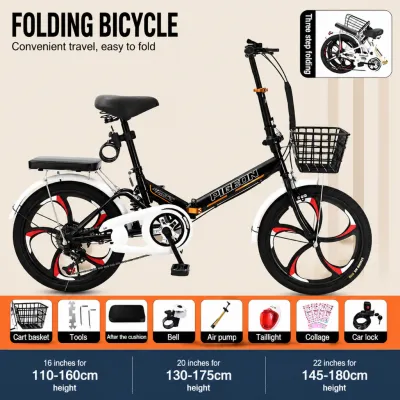
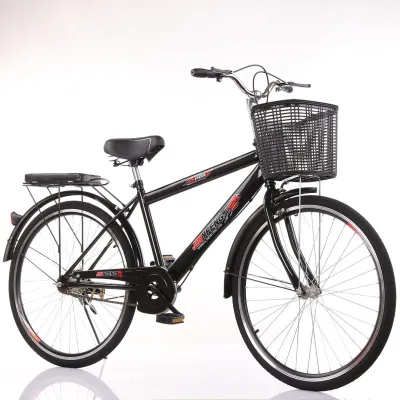
Prices are valid at publication and may change. Please refer to the product page for the latest price.
The local tropical climate introduces unique challenges that affect both rider comfort and bicycle durability. High humidity accelerates rust on steel components, while sudden afternoon thunderstorms can instantly turn dry paths into slick surfaces. A suitable bicycle must feature reliable braking systems that perform well in wet conditions and components made of corrosion-resistant materials like aluminum or stainless steel. Choosing a bike with these climate-resilient features reduces long-term maintenance.
Comparing Frame Types for Paved and Flat Routes
Hybrid and city bikes are highly practical options for recreational and fitness riding on the network. These frames position the rider in an upright stance, which improves peripheral vision and reduces strain on the neck and lower back. This visibility is crucial for spotting pedestrians or oncoming traffic at path intersections. Additionally, the step-through or low-step frame designs found on many city bikes make mounting and dismounting effortless during frequent stops.

Folding bicycles have become incredibly popular due to local housing and transit realities. Living in high-density housing like Housing & Development Board flats means indoor storage space is often limited. A folding bike can easily fit into a closet, a small balcony, or under a desk, keeping common corridors clear of obstruction. Furthermore, these compact bikes can be brought onto MRT trains and buses during permitted hours, allowing cyclists to access distant parts of the network without riding the entire way.
In contrast, specialized road and mountain bikes are often impractical for casual riding on these shared paths. Road bikes, with their aggressive drop handlebars and narrow, high-pressure tires, are designed for speed on open roads; on a crowded path, the bent-over riding position limits visibility and reduces steering leverage. Conversely, mountain bikes feature heavy frames and deep-travel suspension systems designed for rugged off-road trails. On flat, paved paths, this heavy suspension absorbs rider energy rather than trail bumps, making the ride unnecessarily tiring.
Choosing Tires and Gearing for Comfort and Control
Tire selection directly impacts ride quality and safety on paved paths. A tire width between 32mm and 40mm is generally ideal for the network. This range provides a generous air volume that acts as natural suspension, absorbing vibrations from tactile paving and concrete joints. Running these tires at moderate pressure ensures a smooth ride without sacrificing rolling efficiency on flat asphalt. Narrower tires can feel harsh and slip into pavement cracks, while excessively wide tires add unnecessary weight.
Tread pattern is another critical factor for maintaining control on wet and dry pavement. Many riders mistakenly believe that deep, knobby mountain bike tires offer better grip on wet paved paths. In reality, knobby tires reduce the contact patch on flat pavement, leading to less traction and increased rolling resistance. Slick or semi-slick tires with shallow water-dispersion grooves are far superior, providing maximum rubber-to-road contact and reliable grip on both dry and wet concrete.
Gearing requirements on the network are relatively modest due to the flat terrain, but some versatility is still beneficial. A single-speed bicycle offers ultimate simplicity and low maintenance, making it a great choice for flat, short-distance loops. However, a multi-gear system—such as a 7-speed or 8-speed external derailleur, or an internal gear hub—is highly advantageous for managing head winds along coastal routes or climbing the occasional steep bridge incline.
Essential Accessories for Shared Path Safety
Equipping your bicycle with the right accessories is essential for safety and compliance on shared paths. Reliable front and rear lights are mandatory when riding during low-light hours or through heavily shaded canopy sections of the network. A bright white front light helps illuminate unexpected obstacles, while a red rear light ensures you remain visible to faster cyclists approaching from behind. Opt for lights with USB-rechargeable batteries to avoid the waste of single-use cells.
An audible warning device, such as a classic mechanical bell, is indispensable for polite trail sharing. When approaching pedestrians from behind, a gentle ring from a reasonable distance gives walkers ample time to step aside without causing alarm. Avoid overly loud electronic horns, which can startle pedestrians and lead to unpredictable movements.
Given the frequent tropical rain, mudguards are highly practical additions to any commuter or recreational bike. Full-coverage mudguards prevent dirty water and road grime from spraying onto your back and legs, keeping you clean during sudden downpours. Additionally, installing a rear cargo rack or a front basket allows you to carry water bottles, rain gear, or groceries securely without the discomfort of a sweaty backpack in the tropical heat.
Building Your Bicycle Shortlist
Before making a purchase, conduct a thorough storage assessment. Measure the designated storage area in your home or corridor to ensure the bicycle will fit without obstructing walkways or violating local estate guidelines. If you plan to store the bike indoors, consider its weight; carrying a heavy bicycle up stairs or lifting it into an elevator can quickly become a chore. Lightweight aluminum or folding frames are generally easier to maneuver in tight residential spaces.
Align your choice with your expected usage frequency and maintenance commitment. If you plan to ride daily for fitness or commuting, investing in a bicycle with mid-range components—such as sealed bearings and rust-resistant chains—will save you time and money on repairs. For occasional weekend riders, a simpler, entry-level model may suffice, provided it is stored away from direct rain and sun. Regular basic maintenance will extend the lifespan of any bicycle, regardless of its price point.
Always perform a physical check or test ride before finalizing your decision. Verify that the standover height allows you to comfortably plant both feet on the ground when stopped. Ensure the handlebar reach does not force you to stretch uncomfortably, and check that your fingers can easily reach and operate the brake levers. Proper bike fit is the single most important factor in preventing discomfort and maintaining control on the paths.
Frequently Asked Questions (FAQ)
Are electric bicycles allowed on the Park Connector Network?
Under local regulations, power-assisted bicycles (PABs), commonly known as electric bicycles, are strictly prohibited on the Park Connector Network footpaths. They are only permitted on roads and shared paths (which include PCN routes designated as shared paths), provided they meet specific Land Transport Authority (LTA) requirements. These requirements include mandatory registration, an orange LTA approval seal, and a maximum motor-assistance speed limit of 25 km/h. Riders must also pass a mandatory theory test before operating a PAB on public paths.
How often should I clean my bike in a humid climate?
In a highly humid environment, a basic cleaning routine should be performed at least once every two weeks, or immediately after riding in the rain. Regularly inspect the chain for signs of orange rust, check the frame bolts for corrosion, and examine the brake pads for embedded grit or wear. For apartment dwellers, a simple wipe-down using a damp microfiber cloth and a biodegradable degreaser on the drivetrain is sufficient. Always dry the chain thoroughly and apply a high-quality wet or dry lubricant to keep the moving parts running smoothly and prevent rust.
Community discussion
Share your experience or ask a question. Comments are reviewed before publication.