
Staying hydrated during a workout in Singapore’s year-round tropical heat requires more than just carrying any water container. To maintain peak physical performance and protect your health, you need a sports water bottle that combines reliable temperature control with certified chemical safety. Choosing the right bottle involves evaluating material compositions, understanding insulation mechanics, and matching physical features to your specific athletic activities.
In a climate where outdoor temperatures frequently exceed 30°C and humidity levels remain high, cold water is not just a preference; it is a tool for core temperature regulation. A high-quality insulated bottle prevents your ice water from turning lukewarm within minutes of stepping onto a running track, football pitch, or outdoor fitness corner. At the same time, ensuring your bottle is entirely free from Bisphenol A (BPA) and other harmful chemical plasticizers protects your body from potential endocrine disruptors during heavy exertion.
This guide outlines the essential criteria for selecting a high-performance, BPA-free insulated sports water bottle tailored to the Singapore lifestyle. We will examine the differences between advanced plastics and food-grade metals, explore how to match bottle designs to specific sports, and provide a checklist for verifying safety certifications. Additionally, you will learn how to navigate local retail channels to ensure authenticity and how to maintain your gear for long-term hygiene and performance.
Products mentioned in this guide
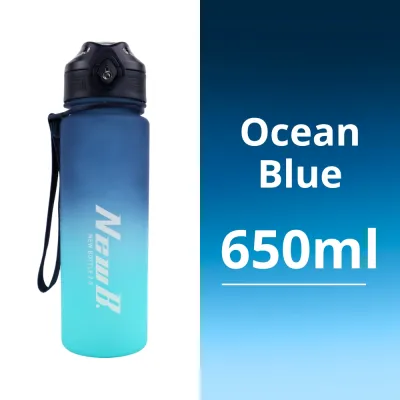
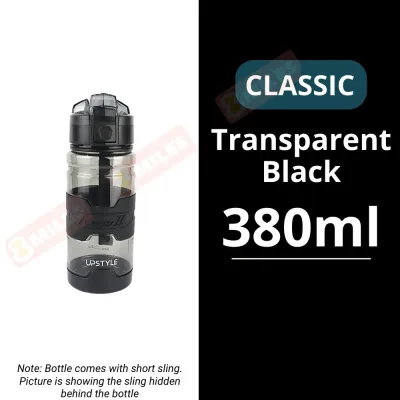
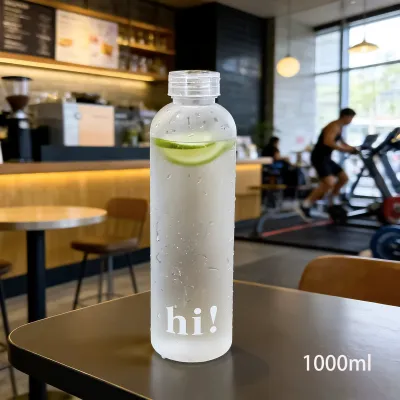
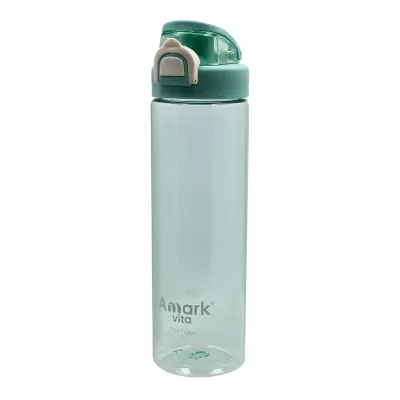
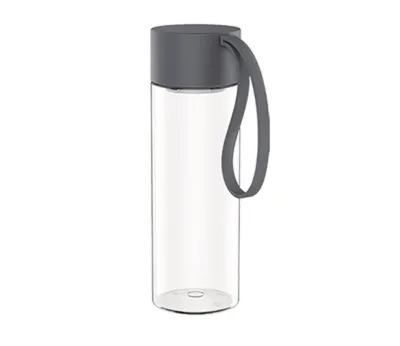
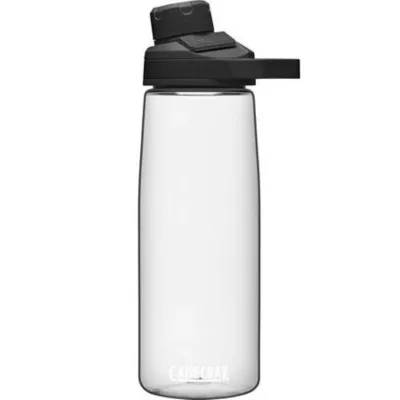
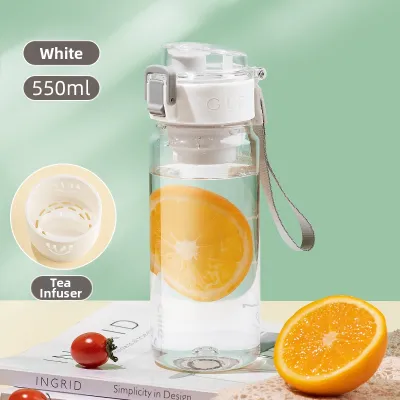
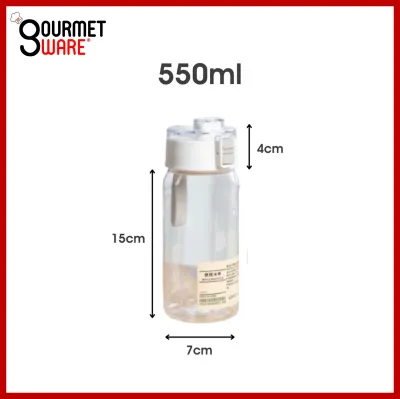
Prices are valid at publication and may change. Please refer to the product page for the latest price.
Core Criteria for Selecting BPA-Free Insulated Bottles
When searching for a safe and effective sports bottle, the first decision involves choosing the primary construction material. The market generally divides into advanced BPA-free plastics and double-walled food-grade stainless steel. Each material offers distinct advantages and trade-offs regarding weight, durability, and thermal performance.
BPA-free plastics, such as Eastman Tritan copolyester, are highly valued for their lightweight properties and impact resistance. These bottles are excellent for activities where every gram matters, such as long-distance running or trail hiking. Tritan does not retain odors or stains, and it remains clear and glass-like even after repeated washes. However, single-wall plastic bottles offer virtually no thermal insulation, meaning your cold drinks will quickly warm up in Singapore’s heat.
For true temperature retention, food-grade stainless steel—specifically 18/8 or 304-grade stainless steel—is the industry standard. This material is naturally BPA-free, highly durable, and resistant to corrosion from sweat and sports drinks. Stainless steel bottles utilize double-wall vacuum insulation technology to keep beverages cold for extended periods. This technology works by creating a near-complete vacuum between two layers of steel, which eliminates heat transfer via conduction or convection.
While vacuum-insulated stainless steel bottles excel at keeping drinks ice-cold, they are significantly heavier than their plastic counterparts. An empty insulated steel bottle can weigh more than a fully filled single-wall plastic bottle of the same capacity. Additionally, the insulation layer adds physical bulk, making the bottle wider and potentially harder to fit into standard bicycle cages or backpack side pockets.
When evaluating insulation performance, look closely at the manufacturer’s specific temperature ratings rather than vague marketing slogans. Reputable brands provide clear estimates of how many hours a bottle can keep liquids cold or hot under controlled conditions. For sports in tropical climates, prioritize bottles rated to keep liquids cold for at least 12 to 24 hours, ensuring your water remains refreshing even during extended outdoor training sessions.
Matching Bottle Features to Specific Sports Activities
A water bottle that works perfectly on a gym floor might prove highly impractical on a road bike or a running trail. To get the most out of your investment, you must match the bottle’s physical design, lid mechanism, and carrying features to your primary physical activities.

For high-intensity and endurance sports like running, cycling, or outdoor boot camps, quick and easy access to water is critical. Look for bottles designed for one-handed operation, such as those featuring push-button flip lids or integrated bite valves with straws. These designs allow you to take a quick sip without losing your stride or taking your eyes off the path. If you are a cyclist, verify that the bottle’s exterior diameter matches standard bicycle bottle cages, and opt for models with textured grips or silicone sleeves to prevent slipping when your hands are sweaty.
Gym workouts, weightlifting, and fitness studio classes demand a different set of features. Here, a wide-mouth bottle is highly advantageous, as it allows you to easily drop in ice cubes from standard dispensers or mix in pre-workout and protein powders without spilling. A stable, non-slip silicone base is also beneficial in a gym environment, preventing the bottle from tipping over on hard rubber flooring or metal treadmill consoles.
For outdoor adventures, trail running, and hiking in nature reserves like Bukit Timah or MacRitchie, rugged durability and secure carrying options are paramount. Choose bottles with heavy-duty, leak-proof locking lids that will not accidentally open inside a backpack. Integrated carrying loops, carabiner clips, or paracord handles are incredibly useful for securing your bottle to the exterior of a pack, keeping your hands free to navigate uneven terrain or climbing ropes.
Consider also the capacity of the bottle relative to your activity duration. A compact 500ml bottle is highly portable and sufficient for a quick one-hour gym session where water refills are readily available. However, for long outdoor hikes or multi-hour cycling routes where clean drinking water sources are scarce, upgrading to a 950ml (32oz) or 1.2-liter (40oz) insulated bottle is necessary to maintain proper hydration throughout the activity.
Essential Specs and Safety Labels to Verify
With numerous sports bottles available on the market, verifying physical specifications and safety certifications is crucial to ensure you are purchasing a genuinely safe and durable product. Do not rely solely on bold text on the front of the packaging; instead, perform a systematic check of the product’s labels and documentation.
First, confirm that the bottle is explicitly certified as BPA-free and BPS-free (Bisphenol S). BPS is sometimes used as a replacement for BPA, but research suggests it may carry similar health concerns. Look for food-safe certifications from recognized international bodies, such as the US Food and Drug Administration (FDA) or the European Food Safety Authority (EFSA). These certifications are often stamped directly onto the bottom of the bottle or detailed in the accompanying user manual.
Next, evaluate the physical dimensions of the bottle against your existing gear. Measure the diameter of your backpack’s side pockets, your car’s cup holders, or your bicycle’s bottle cage before making a purchase. An insulated bottle with a capacity of 950ml may have an outer diameter that is too wide for standard holders, requiring you to carry it by hand or purchase a dedicated bottle sleeve with a shoulder strap.
Lid compatibility and the availability of spare parts are often overlooked but highly important factors for long-term usability. High-quality sports bottles often feature interchangeable lid systems, allowing you to swap a straw lid for a chug lid or a hot-beverage cap depending on your daily needs. Furthermore, check if the manufacturer sells replacement silicone gaskets, straws, and lids separately. Over time, silicone seals can wear out or develop mold, and being able to buy a cheap replacement part is far more sustainable than replacing the entire bottle.
Finally, pay close attention to the manufacturer’s cleaning instructions. While some BPA-free plastic bottles and stainless steel bodies are labeled as dishwasher safe, many insulated bottles must be washed by hand. Placing a vacuum-insulated bottle in a high-temperature dishwasher can damage the vacuum seal, rendering the insulation ineffective, and may also peel or discolor the exterior powder coating, voiding the manufacturer’s warranty.
Navigating Retailers and Authenticity in Singapore
The popularity of premium insulated sports bottles has led to an influx of counterfeit and low-quality imitation products in the local market. To protect your health and ensure you receive genuine vacuum insulation performance, it is vital to source your gear from authorized and reputable retail channels.
In Singapore, purchasing directly from official brand boutiques, established department stores, or specialty sports and outdoor retailers is the safest way to guarantee authenticity. Many premium international bottle brands operate physical flagship stores or official digital storefronts on major local ecommerce platforms. While buying from these authorized channels means paying standard retail prices—typically ranging from S$30 to S$80 depending on size and technology—it ensures you receive a genuine product made from certified food-grade materials.
Be highly cautious when browsing third-party sellers on online marketplaces or social commerce platforms. Red flags that indicate a potentially counterfeit bottle include prices that are significantly lower than the official retail price, poorly translated product descriptions, missing safety certification logos, and generic or low-quality packaging. Counterfeit stainless steel bottles may use cheap, industrial-grade metals that can rust quickly or leach heavy metals into your drinking water.
Additionally, purchasing through authorized local distributors usually grants you access to official warranty coverage. Many premium insulated bottle brands offer limited lifetime warranties against manufacturing defects, such as a premature loss of vacuum insulation or leaking lids. Keep your physical or digital receipt safe, as local distributors will require proof of purchase from an authorized retailer to process any warranty claims or replacements.
Daily Care and Maintenance for Insulated Gear
Proper daily maintenance is essential to keep your BPA-free insulated sports bottle hygienic, odor-free, and performing at its best. Because sports bottles frequently hold sugary electrolyte drinks, protein mixes, or simply warm water in humid conditions, they can quickly become breeding grounds for bacteria and mold if not cleaned correctly.
Establish a routine of washing your bottle after every single use. Use warm, soapy water and a soft-bristled bottle brush designed to reach the very bottom of the container without scratching the interior surface. Pay special attention to the lid, mouthpiece, and any silicone gaskets, as these are the areas where moisture and organic residue tend to accumulate. Use a smaller detail brush or a straw cleaner to thoroughly scrub the inside of straws and narrow lid crevices.
Avoid using harsh chemical cleaners, chlorine bleach, or highly abrasive scrubbing pads on your bottle. Bleach can react chemically with stainless steel, causing pitting and compromising the material’s rust resistance. Abrasive scrubbers can scratch the smooth interior lining of both plastic and steel bottles, creating microscopic grooves where bacteria and mold can easily take root and resist standard cleaning.
For deep cleaning and odor removal, especially after storing sports drinks or protein shakes, use a mixture of warm water and baking soda or a specialized bottle-cleaning tablet. Fill the bottle, add the cleaning agent, and let it sit for a few hours before rinsing thoroughly. Once washed, always store your bottle with the lid completely off in a well-ventilated area. Allowing all components to air-dry fully prevents the growth of musty odors and mold, ensuring your bottle is fresh and ready for your next workout.
Frequently Asked Questions (FAQ)
Can I put hot liquids in a BPA-free plastic sports bottle?
While a plastic bottle may be certified as BPA-free, it is not automatically designed to withstand high temperatures. Many sports-focused plastic bottles, including those made from Tritan, can warp, crack, or degrade when exposed to boiling water. Always check the manufacturer’s maximum temperature rating printed on the packaging or the base of the bottle. If you frequently carry hot beverages like tea or coffee, it is highly recommended to use a double-walled, vacuum-insulated stainless steel bottle specifically rated for both hot and cold liquids.
How do I test if my bottle's vacuum insulation is still working?
You can easily test your bottle’s vacuum insulation at home using a simple temperature check. Fill the bottle with ice-cold water or boiling hot water, close the lid, and wait about five minutes. Feel the exterior surface of the bottle with your hands; a properly functioning vacuum-insulated bottle should remain completely neutral and cool to the touch on the outside, regardless of the liquid’s temperature inside. If you feel noticeable heat radiating from the exterior when filled with hot water, or if condensation forms on the outside when filled with ice water, the vacuum seal has likely failed.
Community discussion
Share your experience or ask a question. Comments are reviewed before publication.