
Finding the right electric air pump for your bicycle tires in Singapore can transform your riding experience, whether you are commuting daily along the park connector network or tackling weekend trail rides. Traditional manual hand pumps require significant physical effort and often lack precise pressure gauges, making it difficult to achieve the exact inflation levels required for optimal performance. Portable electric air pumps offer a convenient, automated solution, but selecting the right brand requires understanding how different models handle pressure accuracy, battery safety, and valve compatibility.
In Singapore’s warm and humid climate, battery reliability and heat dissipation are critical factors to consider when choosing an electric pump. A high-quality pump must not only deliver sufficient pressure to inflate your tires quickly but also feature a reliable digital sensor to prevent over-inflation. By evaluating key performance metrics, physical designs, and battery management systems, you can identify the ideal electric air pump brand that matches your specific cycling needs and ensures you are never left stranded with a flat tire.
Quick Framework for Evaluating Air Pump Brands
Before diving into specific product listings, establishing a clear evaluation framework helps narrow down your choices based on your primary cycling discipline. Road cyclists, mountain bikers, and urban commuters have vastly different equipment requirements, meaning a pump that works perfectly for one rider may be highly impractical for another. By identifying your specific use case first, you can avoid overpaying for unnecessary features or purchasing a pump that lacks the power to inflate your tires.
Products mentioned in this guide
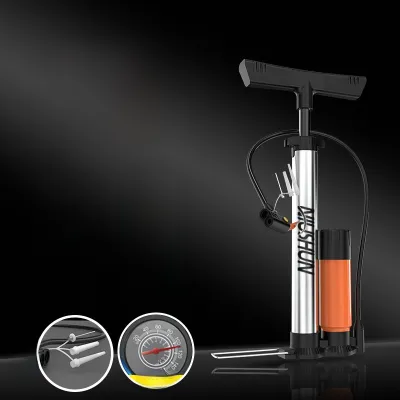
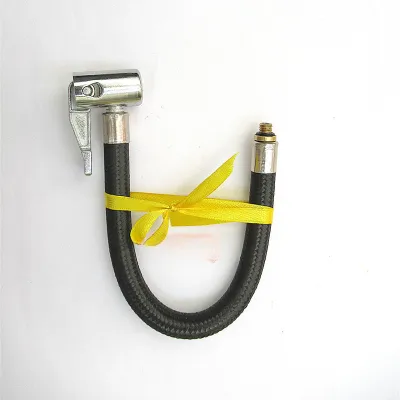
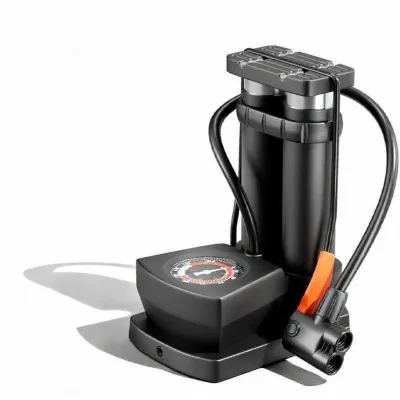
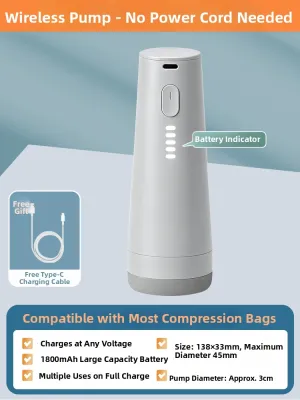
Prices are valid at publication and may change. Please refer to the product page for the latest price.
The first step in this framework is defining your tire’s volume and pressure requirements. Road bike tires feature low air volume but require high pressure, often ranging from 80 to 120 PSI, to minimize rolling resistance on paved roads. In contrast, mountain bike tires require high air volume at much lower pressures, typically between 20 and 40 PSI, to maximize traction on off-road trails. Urban folding bikes and hybrid commuters generally fall in the middle, requiring moderate pressure and volume.
Next, verify native valve compatibility to ensure seamless operation without air leaks. Most high-quality electric air pump brands design their hoses to support both Presta valves (common on road and performance bikes) and Schrader valves (standard on mountain and utility bikes). Choosing a brand that offers a secure, screw-on connection rather than a loose press-fit adapter minimizes pressure loss during inflation and ensures more accurate sensor readings.
Finally, prioritize brand reputation regarding battery safety standards and sensor calibration. Because electric pumps rely on high-capacity lithium-ion batteries, they must be manufactured to strict safety standards to withstand storage in warm environments, such as a sunny balcony or a hot car trunk. Look for brands that openly document their compliance with international safety certifications and have a proven track record of maintaining sensor accuracy over hundreds of inflation cycles.
Key Performance Metrics to Compare Across Brands
When comparing different electric air pump brands, decoding technical specifications is essential to understanding how a pump will perform in real-world conditions. Manufacturers often highlight maximum pressure limits, but practical usability depends on pressure accuracy, inflation speed, heat dissipation, and noise levels. Evaluating these metrics side-by-side allows you to make an informed decision based on verifiable performance characteristics.

Pressure accuracy is arguably the most critical metric for any bicycle tire inflator. High-quality brands equip their pumps with digital pressure sensors that offer real-time readings on an integrated screen. These sensors must feature an auto-shutoff mechanism that stops inflation immediately once the target pressure is reached. This feature is vital for preventing over-inflation, which can damage delicate inner tubes or blow tubeless tires off their rims. When comparing brands, look for specified sensor tolerance levels, with higher-end models offering tighter accuracy margins.
Inflation speed must be balanced against heat generation and operational noise. Compressing air naturally generates heat, and small electric motors can become hot to the touch during extended use. Reputable brands utilize heat-resistant materials, internal cooling fans, and ventilated housings to manage thermal buildup. If a pump runs too hot, it can trigger thermal shutdown mechanisms or degrade the internal battery. Additionally, consider the noise level of the pump, especially if you plan to inflate your tires early in the morning in a quiet residential estate where loud motor noise might disturb neighbors.
It is also important to distinguish between a pump’s maximum pressure capability and its volumetric flow rate. A pump rated for a high maximum pressure (such as 150 PSI) is mechanically optimized to push air against high resistance, making it ideal for road bike tires. However, this does not automatically mean it will inflate a large mountain bike tire quickly. For high-volume tires, look for brands that specify a higher liters-per-minute (LPM) flow rate, which indicates how quickly the pump can fill a large cavity.
Matching Pump Designs to Your Cycling Style
The physical form factor and power configuration of an electric air pump should align with how you plan to carry and use it. Some cyclists require an ultra-lightweight emergency tool that fits into a jersey pocket, while others prefer a robust, multi-purpose device that can reside in a commuter backpack or a home workshop. Understanding these design categories helps you choose a pump that fits seamlessly into your cycling routine.
Ultra-compact, handheld electric pumps are designed specifically for minimalist road cyclists and long-distance tourers who prioritize portability. These models are often no larger than a smartphone and can easily slide into a jersey pocket, a frame bag, or a standard saddlebag kit. While they offer unmatched convenience for roadside puncture repairs, their smaller physical size means they house smaller batteries and smaller compression cylinders. Consequently, they may take longer to inflate a tire and may require recharging after only one or two full uses.
For mountain bikers and gravel riders who frequently adjust tire pressures on the trail, slightly larger, high-capacity models are more suitable. These pumps feature larger battery packs and more robust motors capable of delivering multiple high-volume inflations on a single charge. The added weight and bulk are easily managed when carried in a hydration pack or a trail backpack. These models are also highly useful for seating tubeless tires, where a rapid burst of air volume is required to pop the tire bead into the rim channel.
Multi-purpose electric pumps offer secondary utility features that appeal to daily commuters and adventure cyclists. Many of these devices feature integrated USB output ports, allowing them to function as emergency power banks to charge your phone, GPS bike computer, or safety lights. Additionally, built-in LED work lights are incredibly useful for navigating roadside repairs in low-light conditions or during night rides along unlit paths. If you value versatility, look for brands that integrate these smart secondary features without compromising the pump’s primary inflation performance.
Battery Management and Smart Interface Features
The usability of an electric air pump relies heavily on its power system and digital interface. A pump with a complicated menu system or an unreliable battery indicator can lead to frustration, especially when you are trying to perform a quick pressure check before a ride. Evaluating how a brand manages battery health and user interaction ensures a smooth, hassle-free experience.
Battery capacity indicators should be clear, intuitive, and highly visible. High-quality brands utilize multi-segment LED bars or digital percentage readouts to show exactly how much charge remains. This prevents the unpleasant surprise of a dead battery when you need it most. Because Singapore’s tropical climate can accelerate battery self-discharge over time, it is wise to choose a brand known for low standby power consumption, ensuring the pump retains its charge even after sitting unused in your gear bag for several weeks.
Charging standards and speeds are another practical consideration. Modern electric pumps should feature USB-C charging ports, which align with standard cycling accessories and modern smartphone chargers. This compatibility eliminates the need to carry proprietary charging bricks or outdated micro-USB cables. Verify the supported input charging speed; a pump that supports fast charging can be topped up quickly at a cafe stop or during a short break, ensuring you are always prepared for the road ahead.
The digital display interface must be highly readable under direct, harsh sunlight, which is common during daytime rides in Singapore. High-contrast LCD or LED screens with large, clear digits make it easy to monitor pressure levels without squinting. Furthermore, look for brands that offer preset memory functions. These allow you to save your preferred pressure settings for different wheel setups—such as 100 PSI for your road bike and 35 PSI for your commuter bike—so you can start the inflation process with a single button press.
Pre-Purchase Checklist and Buying Considerations
Before finalizing your purchase of an electric air pump, running through a final verification checklist ensures you receive a genuine product that is fully compatible with your gear and backed by reliable support. Taking the time to verify these details prevents compatibility issues and ensures long-term satisfaction with your investment.
First, verify the inclusion of essential valve adapters and accessories. While most pumps natively support Presta and Schrader valves, check if the package includes a Dunlop valve adapter, a ball needle for sports equipment, and a storage pouch to keep the hose and adapters organized. A secure, threaded connection on the hose is highly preferred over press-on chucks, as it prevents air leakage and ensures the pump’s pressure sensor can read the tire’s internal pressure accurately.
Second, carefully review the warranty terms and the availability of local after-sales support in Singapore. Purchasing from a brand with an established local distributor or service center ensures that you can easily resolve any issues regarding battery degradation, sensor calibration, or manufacturing defects. Check if the manufacturer offers a clear warranty period, typically ranging from six months to a year, and understand their policy on battery replacements.
Finally, navigate online marketplaces and official brand stores with caution to avoid counterfeit units. Substandard replica pumps often look identical to reputable brands but use low-quality lithium-ion batteries and inaccurate pressure sensors, posing safety risks and poor performance. To ensure product authenticity and valid warranty registration, always purchase directly from official brand flagship stores or authorized local cycling retailers.
Frequently Asked Questions (FAQ)
Can I use a car electric air pump for my bicycle tires?
While it is technically possible to use a car electric air pump on bicycle tires using a valve adapter, it is generally not recommended. Car pumps are engineered to deliver extremely high volumes of air at lower pressures, and they often lack the precise, high-resolution pressure sensors required for delicate bicycle tubes. Because a bicycle tire has a much smaller volume than a car tire, a high-volume automotive pump can over-inflate and burst a bicycle tube in a matter of seconds before the auto-shutoff mechanism can react. If you must use a car pump, ensure it has a highly sensitive digital gauge, monitor the inflation process manually, and stop the pump well before reaching your target pressure to avoid catastrophic damage.
How often should I cross-check the pressure sensor accuracy?
To maintain optimal tire performance and safety, it is highly recommended to cross-check your electric air pump’s digital pressure sensor against a trusted manual analog floor pump or a dedicated standalone digital pressure gauge at least once every few months. Over time, physical vibrations from transport, temperature fluctuations, and regular wear can cause the internal digital sensor to drift out of calibration. If you notice a significant discrepancy between the electric pump’s reading and your manual gauge, or if your tires feel noticeably softer or harder than the displayed pressure, it may be time to recalibrate the unit according to the manufacturer’s instructions or contact local after-sales support for assistance.
Community discussion
Share your experience or ask a question. Comments are reviewed before publication.