
The best foot wrap for your activity depends on the specific movement patterns, impact levels, and support requirements of your sport. High-impact endurance sports require lightweight, shock-absorbing compression, while heavy lifting demands rigid, adjustable midfoot stability. Selecting the right wrap involves matching the wrap’s design—whether it is a flexible compression sleeve, an adjustable strap wrap, or traditional athletic tape—to your physical demands and footwear.
In warm and humid climates, such as Singapore’s, selecting the right gear requires careful consideration of material properties. Sweat accumulation inside athletic footwear can lead to slipping, chafing, and a rapid loss of structural support. Understanding how different wraps perform under these conditions ensures you maintain stability without compromising skin health or comfort during intense workouts.
Understanding Foot Wrap Types and Support Levels
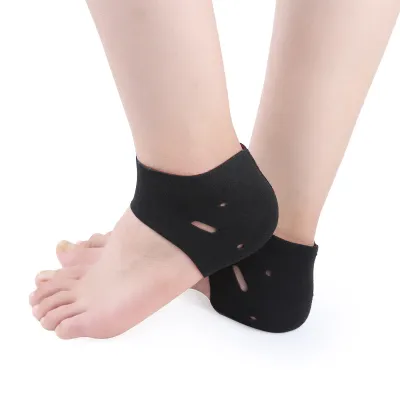
To make an informed choice, you must first understand the three primary categories of foot wraps available on the market. Compression sleeves are slip-on elastic garments that provide mild, continuous pressure across the entire foot and ankle. These are highly flexible and low-profile, making them ideal for general soreness, mild swelling, or activities requiring maximum joint mobility.
Products mentioned in this guide
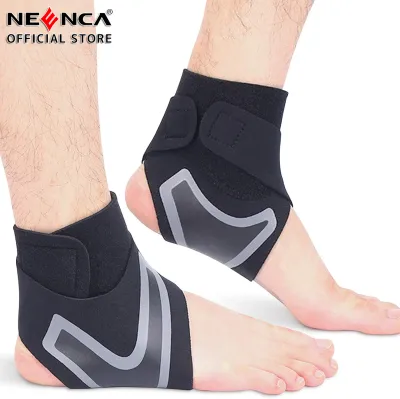
Prices are valid at publication and may change. Please refer to the product page for the latest price.
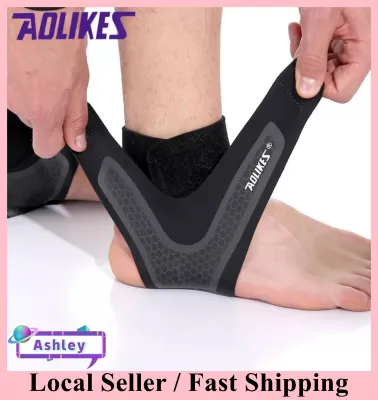
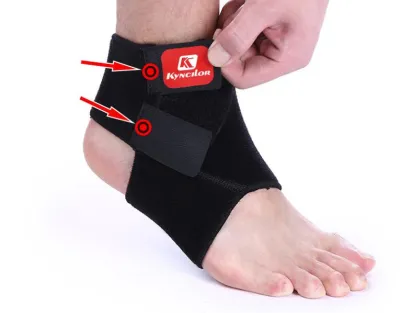
Adjustable strap wraps feature elastic or neoprene bands equipped with hook-and-loop fasteners. These wraps allow you to customize the tension and target specific areas, such as the arch or the lateral side of the ankle. They offer moderate to maximum support, making them suitable for dynamic sports that place high stress on the joints.
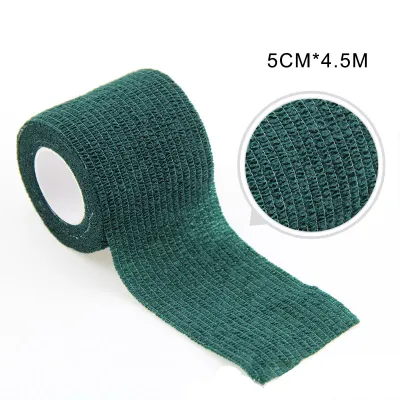
Traditional athletic tape represents the most rigid option. When applied correctly, tape offers highly customized, maximum stabilization for specific ligaments. However, athletic taping requires proper technique to avoid restricting circulation, and the tape must be discarded after a single use, making it less convenient for daily training routines.
When shopping, always check the manufacturer’s specifications for designated support levels, which are typically categorized as mild, moderate, or maximum. Mild support wraps focus on compression and heat retention to promote blood flow. Moderate and maximum support wraps incorporate structural elements like reinforced straps, stays, or dual-tension bands to physically limit excessive joint movement.
Material composition is equally critical for performance and comfort. Look for breathable, moisture-wicking fabrics such as nylon-spandex blends or perforated neoprene. These materials allow sweat to evaporate quickly, preventing the wrap from bunching or sliding inside your shoe during high-intensity exercise.
Matching Foot Wraps to High-Impact and Endurance Activities
Dynamic sports like running, basketball, tennis, and jumping activities subject your feet to repetitive, high-impact forces and rapid lateral changes of direction. For these activities, your foot wrap must provide reliable stabilization without adding unnecessary bulk or restricting your natural stride.

When selecting a wrap for running or agility sports, prioritize a lightweight design with targeted arch support and heel lockdown features. The wrap should lift and support the plantar fascia while securing the heel to prevent slippage inside the shoe. A bulky wrap can alter your gait, potentially leading to secondary strain in your knees or hips.
Before purchasing, evaluate the product labels and specifications for structural claims. Look for wraps that highlight targeted compression zones or integrated silicone gel inserts designed to assist with shock absorption. These features help distribute the impact forces experienced when your foot strikes hard surfaces like asphalt or concrete courts.
While a high-quality foot wrap can provide excellent temporary support, it is not a substitute for proper conditioning or medical treatment. If you experience persistent, sharp, or worsening pain during or after high-impact activities, you should stop using the wrap immediately. Persistent pain is a signal to consult a healthcare professional or sports physiotherapist to address the root cause of the discomfort.
Selecting Foot Wraps for Heavy Lifting and Gym Workouts
Static, heavy-load exercises such as squats, deadlifts, and Olympic weightlifting place entirely different demands on your feet. Instead of shock absorption and flexibility, lifting requires a rigid, stable foundation where your feet can remain flat and securely connected to the floor.
Midfoot stability is paramount during heavy lifts to prevent the arches from collapsing under load. Adjustable strap wraps are highly beneficial for gym workouts because they allow you to customize the tension. You can tighten the straps securely before a heavy set to maximize stability, and then loosen them between sets to restore full circulation.
When evaluating wraps for weightlifting, pay close attention to the strap width and the closure mechanisms specified by the manufacturer. Wider straps distribute the heavy load more evenly across the midfoot and ankle, reducing localized pressure points. Ensure the hook-and-loop fasteners are heavy-duty and rated for high-tension use so they do not slip or pop open mid-lift.
It is also essential to ensure that the wrap does not excessively restrict the ankle mobility required for specific exercises. For example, deep squats and clean-and-jerk movements require sufficient ankle dorsiflexion. If a wrap is too rigid or applied too high up the ankle, it may prevent your knees from tracking correctly, compromising your lifting form and safety.
Cross-Training and Multi-Sport Compatibility
If your fitness routine involves a mix of activities—such as functional fitness classes, circuit training, or multi-sport events—you must decide between purchasing multiple specialized wraps or a single versatile option. Each approach has distinct trade-offs regarding support and convenience.
Specialized wraps offer optimal performance for their designated activities but can be inconvenient if you need to transition quickly between different exercises. Conversely, a general-purpose compression sleeve offers excellent versatility and fits easily into various types of footwear, but it may fail to provide the rigid lateral stability needed for heavy lifting or sudden cutting movements.
To assess a wrap’s adaptability, check how well it accommodates different footwear designs. A versatile wrap should fit comfortably inside flat-soled lifting shoes, cushioned running shoes, and minimalist trainers without causing tight spots or altering the fit of the shoe. Adjustable wraps with removable or repositionable straps offer the highest level of adaptability for mixed routines.
Pay close attention to how your body responds during transition workouts. Signs that a multi-use wrap is failing to provide adequate support include a feeling of instability in your arch during lifts, shifting or bunching of the material during lateral movements, or localized fatigue in the foot muscles after exercise. If these signs occur, transition to a more specialized support option for that specific activity.
Proper Application, Care, and Safety Checks
The effectiveness and safety of any foot wrap depend heavily on proper application and regular maintenance. Incorrectly applied wraps can restrict blood flow, cause skin irritation, or fail to provide the intended level of joint stabilization.
Always follow the manufacturer’s detailed instructions for wrapping tension and direction. As a general rule, start wrapping from the forefoot and move upward toward the ankle. This direction supports natural venous return and helps prevent fluid accumulation in the toes. Avoid pulling the wrap too tight at the starting point, as the foot naturally expands when bearing weight.
Monitor your foot closely during exercise for any signs of restricted circulation. If you experience coldness in your toes, numbness, a tingling sensation, or skin discoloration, remove the wrap immediately. Reapply the wrap with less tension, or choose a larger size if you are using a non-adjustable compression sleeve.
Proper hygiene and care are essential to maintain the elasticity and structural integrity of your wraps. Sweat, body oils, and dirt break down elastic fibers over time. Wash your wraps regularly according to the care label, typically using a gentle hand wash in cool water with mild detergent. Air dry the wraps flat and away from direct heat sources; never use a tumble dryer, as high heat degrades the elastic materials and weakens hook-and-loop fasteners.
Regularly inspect your wraps for signs of wear and tear. Frayed edges, stretched-out fabric that no longer snaps back into shape, or hook-and-loop fasteners that fail to hold securely are clear indicators that the wrap needs replacement. If you continue to experience persistent foot pain despite using a well-maintained and properly applied wrap, seek professional medical advice rather than relying on increased tension.
Frequently Asked Questions (FAQ)
Can I wear a foot wrap inside my regular athletic shoes?
Yes, but compatibility depends on the wrap’s thickness and your shoe’s volume. To prevent painful pressure points, choose low-profile compression sleeves or thin adjustable wraps for snug-fitting shoes. You may need to loosen your shoelaces or temporarily remove the shoe’s insole to accommodate a thicker wrap comfortably.
How tight should a foot wrap be during exercise?
A foot wrap should feel snug and supportive, providing firm pressure without causing discomfort. Refer to the manufacturer’s fit guide to select the correct size. If you experience throbbing, numbness, tingling, or coldness in your toes, the wrap is too tight and must be loosened immediately to maintain healthy circulation.
Community discussion
Share your experience or ask a question. Comments are reviewed before publication.