
Choosing the ideal gravel bike bag in Singapore requires a systematic look at your riding habits, your bike’s physical dimensions, and the unique demands of the local environment. Rather than relying on a single universal solution, the key is to build a modular system that balances storage capacity, weight distribution, and accessibility. By matching your bag selection to your specific riding style—whether that involves fast, minimalist day loops along the Rail Corridor or multi-day bikepacking adventures across borders—you can ensure your gear remains secure, dry, and easy to access without compromising your bike’s handling or performance.
To find the right setup, you must evaluate how different bag configurations interact with your bike’s geometry. A poorly matched bag can rub against your tires, interfere with your cables, or throw off your balance on loose gravel. By understanding the strengths and limitations of frame bags, handlebar rolls, and seat packs, you can make an informed decision that enhances your riding experience and keeps your essentials protected from the elements.
Define Your Gravel Riding Style and Storage Needs
Your choice of gravel bike bags should directly reflect the duration, terrain, and intensity of your typical rides. Fast gravel day rides prioritize speed, aerodynamics, and a lightweight setup. For these shorter excursions, you only need to carry essential items such as a multi-tool, a tubeless repair kit, spare inner tubes, a mini pump, nutrition, and your phone. A minimalist setup, utilizing a small top tube bag or a compact saddle bag, keeps your bike agile and aerodynamic, allowing you to maintain speed on paved connectors and smooth gravel paths.
Products mentioned in this guide
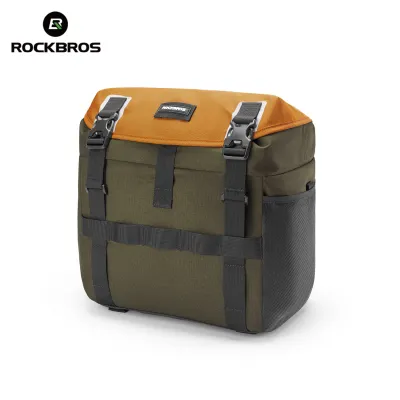
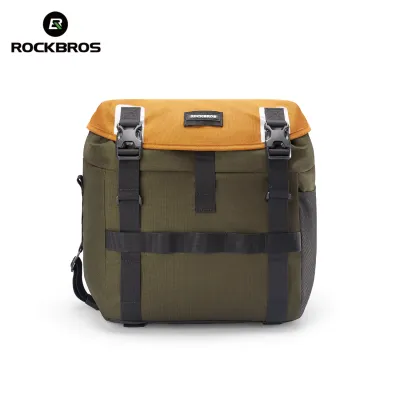
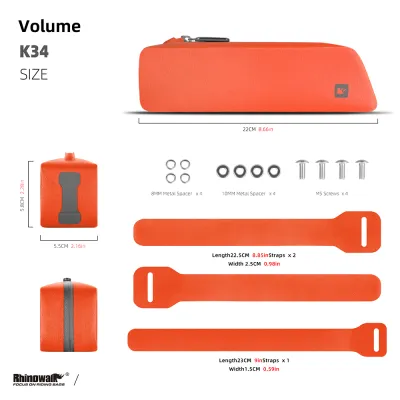
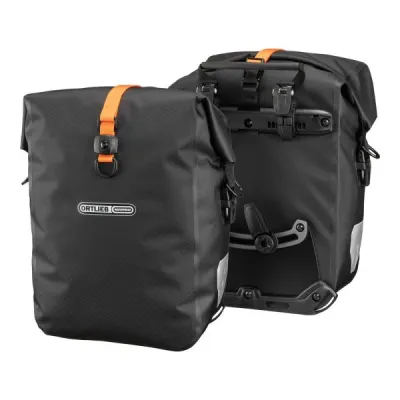
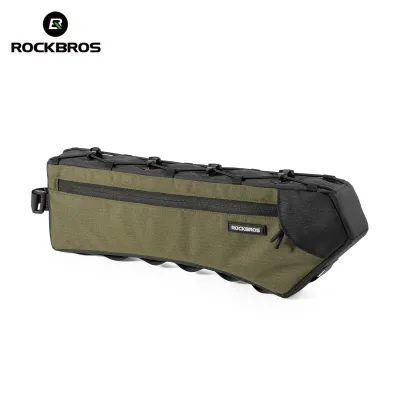
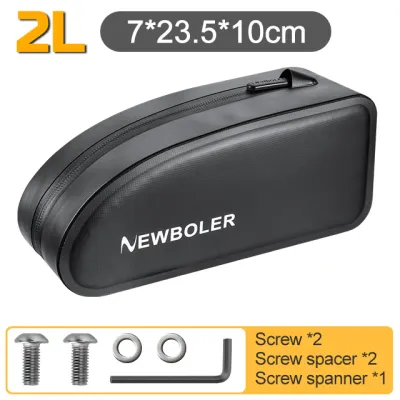
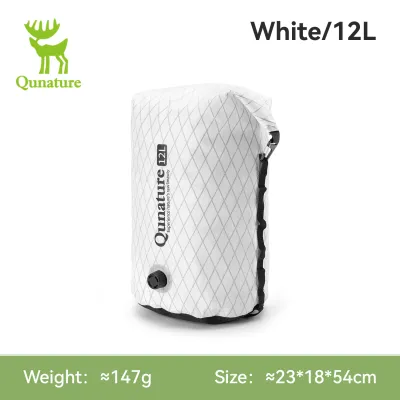
Prices are valid at publication and may change. Please refer to the product page for the latest price.
In contrast, multi-day bikepacking adventures demand a high-capacity, distributed storage system. When you are planning to spend multiple days on the saddle, you must carry extra clothing, personal hygiene items, electronic chargers, and potentially lightweight shelter or sleeping gear. This requires a combination of larger bags distributed across your frame, handlebars, and seatpost. Distributing the weight evenly across the bike is crucial to prevent any single area from becoming overloaded, which can severely degrade handling and make climbing difficult.
Singapore’s tropical climate introduces specific gear requirements that influence your storage choices. The high humidity and sudden, heavy downpours mean you must always carry weather protection, such as a packable rain jacket or windbreaker. Furthermore, staying hydrated in hot weather is a primary concern. You must ensure your bag configuration does not block access to your water bottle cages or prevent you from carrying adequate hydration, whether through standard bottles or a frame-bag-compatible hydration bladder.
Accessibility is another key factor when planning your storage layout. It is highly efficient to separate your gear into items you need to access while riding and items you only need when stopped. On-the-go items, such as energy gels, sunscreen, salt tablets, and your phone, should be placed in highly accessible locations like a top tube bag or stem bag. Stationary items, including heavy tools, spare parts, and dry clothing, can be packed away securely in your frame bag or seat pack, where they do not need to be reached quickly.
Match Bag Types to Your Bike Geometry and Mounting Positions
Every bag you add to your gravel bike alters its physical characteristics and handling dynamics. Placing heavy items too high or too far forward slows down your steering response and makes the front end feel sluggish. Conversely, placing too much weight far behind the saddle can cause the rear of the bike to sway, especially when you stand up to pedal. To maintain a stable center of gravity, you should aim to pack your heaviest items as low and as central as possible within the main frame triangle.

Before purchasing any bag, you must perform critical clearance checks to ensure compatibility with your bike’s components. Tire clearance is paramount; a bag that sags or moves under load can rub against your tires, causing rapid wear to the bag and potentially locking up your wheel. You must also check how bag straps interact with your brake hoses, gear cables, and front suspension forks. Pinched cables can degrade shifting and braking performance, while straps rubbing against moving suspension parts can cause mechanical wear.
Frame Bags: Central Weight and Tool Storage
Frame bags fit directly inside your bike’s main triangle, making them the most stable storage option available. They are divided into full-frame bags, which occupy the entire inner triangle, and half-frame bags, which run along the underside of the top tube. Full-frame bags maximize your carrying capacity but completely block your water bottle cages, requiring you to use a hydration bladder inside the bag. Half-frame bags preserve access to your bottle cages, making them highly practical for hot rides where quick access to water is essential.
Because frame bags sit directly between your knees, they are the ideal location for storing heavy, dense items. Packing tools, spare tubes, chain lube, portable power banks, and heavy locks in a frame bag keeps the bike’s center of gravity low and central. This placement ensures that the bike’s handling remains predictable and stable, even when navigating technical gravel descents or loose, sandy corners.
When fitting a frame bag, you must carefully check for potential interference with your bike’s mechanical components. Ensure the bag’s straps do not pinch external front derailleur cables or block internal routing ports on your frame. If your gravel bike features a rear suspension linkage that extends into the front triangle, you must select a specialized bag that clears the moving suspension parts to prevent damage during compression.
Handlebar Rolls: Volume and Front-End Clearance
Handlebar rolls mount directly to your handlebars and are designed to carry bulky, lightweight items. They are highly suited for storing compressible gear such as a lightweight sleeping bag, a bivvy, or spare clothing. Because these items take up a lot of volume but carry relatively little weight, placing them on the handlebars minimizes the impact on your steering dynamics, provided you pack them tightly to prevent shifting.
However, handlebar bags require careful installation to avoid safety and performance issues. A heavy or poorly secured handlebar bag increases steering inertia, making the bike feel slow to turn and difficult to control on tight trails. You must also ensure the bag does not compress your brake hoses or gear cables. Tight cable bends can lead to poor shifting or, in extreme cases, restrict the flow of hydraulic brake fluid, so you must route your cables cleanly around the bag’s mounting brackets.
Your handlebar type also dictates the style of bag you can use. Drop bars, especially narrow road-biased gravel bars, limit the horizontal space available for wide handlebar rolls, requiring you to measure the distance between your brake hoods carefully. Flared gravel bars provide extra lateral clearance at the drops, allowing for wider bags, while flat bars offer the most space but still require you to verify vertical clearance between the bottom of the bag and the front tire.
Seat Packs: Aerodynamics and Rear Clearance
Seat packs mount to your seatpost and saddle rails, extending backward behind the rider. This inline position makes them highly aerodynamic, as they sit directly in your body’s slipstream. Because they do not widen your bike’s profile, they are excellent for riding through narrow trails or congested paths. They are best used for storing lightweight, soft items that you do not need to access until you reach your destination, such as dry clothes or camp gear.
To ensure a stable ride, you must pay close attention to load distribution and strap tension. Because seat packs are suspended high behind your saddle, they are highly susceptible to side-to-side swaying, commonly known as “tail wag.” To minimize this effect, you must pack the bag tightly, placing the heaviest items closest to the seatpost and using the compression straps to pull the bag as tight and close to the saddle rails as possible.
Clearance is a critical constraint for seat packs, particularly on modern gravel bikes. You must ensure there is sufficient vertical clearance between the bottom of the packed bag and your rear tire, especially when riding over rough terrain. If your gravel bike is equipped with a dropper seatpost, you must use a specialized dropper-compatible adapter. This adapter prevents the bag’s mounting straps from scratching the moving stanchion and limits the travel to ensure the bag does not strike the rear tire when the post is dropped.
Evaluate Key Features for Gravel-Specific Conditions
When selecting a gravel bike bag, you must verify that the materials and construction are suited to mixed-surface riding and wet weather. Look for manufacturer specifications detailing weather resistance and waterproofing standards. Bags featuring welded seams, TPU-coated fabrics, and roll-top closures offer superior protection against heavy tropical downpours compared to stitched bags with standard zippers, which can allow water to seep through during prolonged exposure.
Material durability is another crucial consideration. Gravel riding exposes your bags to flying debris, mud, grit, and low-hanging branches. Check product labels for high-denier fabrics, such as Cordura or X-Pac, which offer excellent resistance to abrasion and tearing. These materials are not only tough but also easy to clean; a durable, wipe-clean exterior allows you to wash off dried mud and road grit easily after a wet ride.
| Feature | Bolt-On Mounting | Strap-On Mounting |
|---|---|---|
| Stability | Maximum; zero movement or swaying | Moderate; can shift slightly under heavy loads |
| Frame Protection | Excellent; no straps to rub paint | Requires protective tape to prevent abrasion |
| Versatility | Low; requires specific frame eyelets | High; fits almost any bike frame geometry |
| Installation Speed | Slower; requires tools to install/remove | Fast; uses hook-and-loop or rubber straps |
As shown in the comparison above, the attachment system you choose impacts both stability and convenience. Bolt-on bags mount directly to your frame’s integrated eyelets, providing a clean look and eliminating paint wear. Strap-on bags are highly versatile and can be swapped between different bikes, but they require you to apply protective frame tape to your contact points to prevent road grit from scratching your paint. Look for high-quality, rubberized straps that grip the frame securely to minimize movement.
Finally, evaluate the bag’s accessibility features to ensure they match your riding needs. One-handed zippers, magnetic buckles, and external elastic bungee cords make it much easier to grab a snack, adjust your layers, or store a rain jacket without needing to come to a complete stop. These small design details can significantly improve your riding efficiency and comfort, especially during long, hot days on the saddle.
Build Your Shortlist and Verify Frame Compatibility
To finalize your selection, you should create a shortlist of bags and systematically verify their physical compatibility with your bike. Start by taking precise measurements of your bike’s frame and cockpit. For frame bags, measure the inner length of your top tube, the height of your seat tube, and the angle of your down tube. For handlebar rolls, measure the distance between your brake hoods and the vertical drop to your front tire. For seat packs, measure the exposed seatpost length and the distance from your saddle rails to the rear tire.
Next, consult the manufacturer’s specifications for weight limits, mounting hardware requirements, and warranty conditions. Overloading a bag can strain the seams, damage your bike’s mounting eyelets, or cause the bag to sag into your moving wheels. Ensure you follow the recommended torque values when installing bolt-on bags to avoid stripping the threaded inserts in your frame, and check that the bag’s weight distribution does not exceed your bike’s structural limits.
Before making a purchase, it is highly beneficial to seek local, real-world feedback. Visiting a specialty cycling retailer allows you to physically test the bags on your bike frame to check clearances and strap placements. Additionally, engaging with the local gravel cycling community can provide valuable insights into how specific bag models perform in hot, humid, and wet conditions, helping you choose a setup that is proven to withstand the local environment.
Frequently Asked Questions (FAQ)
Can I use a mountain bike bag on a gravel bike?
Yes, you can often use mountain bike bags on a gravel bike, but you must carefully check the fitment and geometry. Mountain bike frames typically have more sloping top tubes and smaller front triangles, meaning an MTB-specific frame bag may not utilize your gravel bike’s larger triangle efficiently, leaving unused space. Additionally, MTB handlebar bags are designed for wide, flat handlebars and may interfere with your hand positions on narrow gravel drop bars or pinch your brake hoses. Always verify that the mounting straps do not restrict your steering or block your controls before riding.
How do I prevent my seat pack from swaying?
Preventing seat pack sway requires a combination of correct packing techniques and proper strap tension. Always pack your heaviest, densest items, such as spare tubes and tools, at the very bottom of the bag, pushed as close to the seatpost as possible. This minimizes the leverage the bag has on your saddle. Once packed, tighten the saddle rail straps as firmly as possible before securing the seatpost strap. If your bag continues to sway, consider installing a dedicated metal anti-sway bracket that mounts to your saddle rails and holds the sides of the pack rigid.
Community discussion
Share your experience or ask a question. Comments are reviewed before publication.