
Post-run recovery is just as critical as the miles you log on the pavement or trail. While many runners immediately reach for foam rollers or massage guns, integrating a high-quality sports band into your cool-down routine offers a dynamic way to restore joint mobility, stretch tight muscles, and promote blood circulation. Unlike static stretching alone, a sports band provides progressive tension that supports your limbs, allowing you to target deep lower-body muscle groups without putting unnecessary strain on fatigued joints.
Selecting the right sports band in Singapore requires looking beyond basic colors and low price tags. Because recovery work demands precise, gentle tension and high material reliability, the brand and build quality of your equipment directly impact both your safety and your physical progress. By understanding how to evaluate materials, tension levels, and brand authenticity, you can build a highly effective recovery toolkit that withstands the local climate and supports your long-term running goals.
Identifying Your Post-Run Recovery Requirements
To choose the ideal sports band, you must first define the specific recovery goals of your post-run routine. Runners typically face localized tightness in the calves, hamstrings, hip flexors, and glutes. Your recovery exercises will generally fall into three distinct categories: mobility work, light muscle activation, and deep tissue stretching. Each of these activities requires a different style of band to ensure proper form and targeted relief.
Products mentioned in this guide
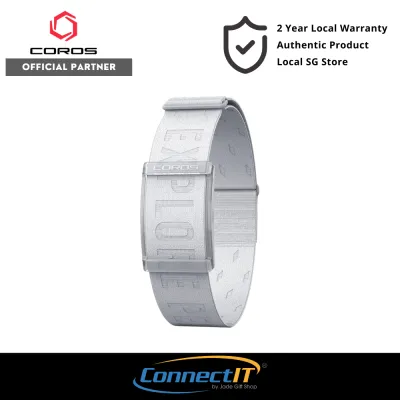
![[SG👏Most Popular] Anti-slip Unisex Sports Headband Exercise Head Band Polyester Sweatband Hairband for Basketball Running Gym Training Soccer Basketball Fitness Exercise Tennis Yoga Sport | Athletic Elastic Head Sweat Hair Band for Men](https://img.lazcdn.com/g/p/24d4f6d76b23a3898c9a352b97612735.png_400x400q80.png_.webp)
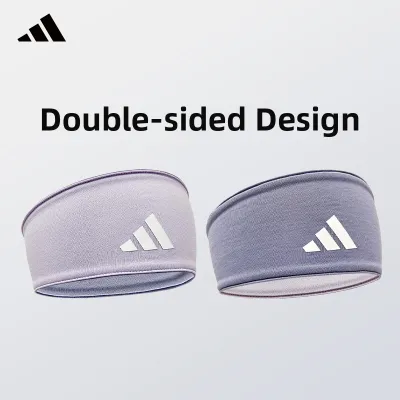
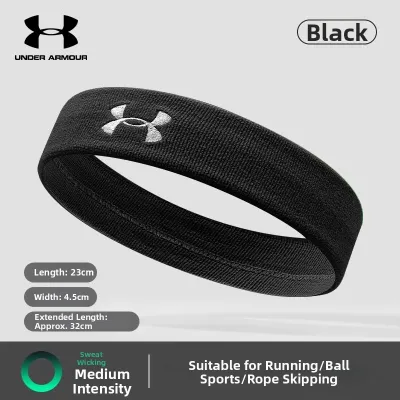
![[SG | Trending Design] Unisex Premium Soft Sports Headband for Women and Men Anti-slip Unisex Sports Headband Exercise Head Band Polyester Sweatband Hairband Dress Up Singapore](https://img.lazcdn.com/g/p/9f3aed178e2f5f993e7f3a94081c19da.jpg_400x400q80.jpg_.webp)
Prices are valid at publication and may change. Please refer to the product page for the latest price.
Mobility work focuses on restoring the natural range of motion in your joints, particularly the ankles and hips, which endure repetitive impact during a run. For joint distraction and mobility drills, a long, continuous loop band is highly effective. These bands can be anchored to a heavy piece of furniture or a door frame, allowing you to apply a gentle, distracting force to the joint while you move through a controlled range of motion.
Light muscle activation is often necessary after long runs to gently wake up stabilizing muscles, such as the gluteus medius, which can become inactive or fatigued. For this purpose, short loop bands—often called mini-bands—are the standard choice. Placing a mini-band just above your knees or ankles during lateral walks helps restore neuromuscular pathways and re-aligns the pelvis without overloading your cardiovascular system.
Deep tissue stretching requires a band that can comfortably support the weight of your limbs while you lie on the floor. Flat, wide therapy bands are ideal for this application. Because they lack loops or handles, you can wrap them securely around the arch of your foot or the back of your thigh, distributing the pressure evenly across a wide surface area to prevent pinching or slipping during long, static hamstring and calf stretches.
Your personal flexibility level should also dictate your choice of band shape and style. If you have highly tight hamstrings, using a short or overly stiff band can force your body into compromised positions, leading to lower back strain. A longer, highly elastic flat band allows you to maintain a neutral spine while gradually coaxing your muscles into a deeper stretch, ensuring your cool-down remains therapeutic rather than stressful.
Material and Build Quality Standards for Recovery Bands
The physical properties of a sports band determine how safely and smoothly it performs during your recovery sessions. The most common materials used in manufacturing these bands are natural latex, synthetic elastomers like thermoplastic elastomers (TPE), and fabric-latex blends. Each material behaves differently under tension and reacts uniquely to environmental factors.

Natural latex is widely regarded as the gold standard for linear resistance. It stretches smoothly and predictably, providing a consistent increase in tension as it is pulled. This predictable resistance is crucial for recovery, where sudden jerks or uneven tension can cause a fatigued muscle to spasm. However, natural latex can trigger allergic reactions in sensitive individuals and carries a distinct rubber scent that some users find unpleasant.
Synthetic elastomers, such as TPE, offer a hypoallergenic and odorless alternative to natural latex. These bands are smooth to the touch and generally budget-friendly. The trade-off is that TPE tends to lose its elasticity and recoil properties faster than natural latex, especially when subjected to repeated stretching. Over time, a TPE band may become permanently elongated, reducing its effective resistance and requiring more frequent replacement.
Fabric-latex blends combine woven elastic fibers with interior latex strips. These bands are exceptionally durable, highly resistant to tearing, and comfortable when used directly against bare skin, as they do not pinch or roll up. However, their thick construction limits their maximum stretch capacity, making them excellent for short-range hip activation but less suitable for long-range hamstring or calf stretches that require significant band elongation.
When evaluating any sports band, safety must be your primary concern. Look for bands that feature reinforced seams or multi-layer anti-snap technology, which uses concentric layers of material to prevent a small tear from causing a sudden, catastrophic snap. Before every recovery session, run your fingers along the edges of the band to check for micro-tears, discoloration, or dry rot, which are early indicators that the material is losing its structural integrity.
Selecting the Appropriate Resistance Levels for Muscle Relief
A common mistake among runners is selecting a sports band with too much resistance for their recovery routines. While heavy resistance is excellent for building muscular strength and hypertrophy, post-run recovery requires a gentle touch. The goal of recovery stretching and mobility work is to encourage blood flow, flush out metabolic waste, and relax tight muscle fibers, not to fatigue them further.
Using a band that is too stiff triggers a physiological response known as muscle guarding. When your nervous system senses an overwhelming external force during a stretch, it automatically contracts the target muscle to protect the joint from injury. This contraction defeats the purpose of your recovery session, leading to increased tightness and potential micro-tears in the muscle fibers. Lighter resistance allows your muscles to relax into the stretch, facilitating safe elongation.
Most reputable brands use a color-coding system to differentiate between tension levels, typically ranging from extra-light to extra-heavy. However, because there is no universal industry standard for these colors, a “medium” band from one manufacturer might feel like a “heavy” band from another. Always consult the brand’s specific tension chart, which should list the resistance weight in kilograms or pounds at specific stretch percentages.
Purchasing a multi-band set is highly recommended for a comprehensive recovery routine. Different muscle groups require vastly different levels of tension; your delicate ankle stabilizers and shoulders will require an extra-light band, while your larger hip and glute complexes can safely handle a medium band. A complete set allows you to adjust the resistance based on your daily fatigue levels, ensuring you always have the appropriate tool for your body’s immediate needs.
How to Evaluate Brand Reliability and Product Claims
With countless fitness accessories available on the market, identifying reliable sports band brands requires a systematic evaluation process. High-quality brands distinguish themselves through transparency, clear manufacturing standards, and robust customer support. When building your recovery kit, look for manufacturers that openly share their material sourcing and production methods.
Reliable brands often obtain recognized quality control certifications, such as ISO 9001 for manufacturing consistency or REACH compliance, which ensures the materials are free from harmful chemical plasticizers and heavy metals. This is particularly important for sports bands, as they remain in direct contact with your skin during sweaty, high-friction recovery sessions.
Evaluate the brand’s warranty and return policies as an indicator of their confidence in product durability. While sports bands are wear-and-tear items, reputable manufacturers typically offer a limited warranty against manufacturing defects, such as premature snapping or splitting. Avoid brands that offer no clear channel for customer support or fail to provide detailed instructions on safe usage and maintenance.
Cross-referencing user feedback on independent forums and specialized running communities can reveal how a brand’s products perform over time. Look specifically for comments regarding how well the bands retain their elasticity after months of use, whether they emit a strong chemical odor, and if users have experienced sudden snaps. A brand with a consistent history of positive, long-term user experiences is far more reliable than one relying on flashy marketing claims.
Purchasing and Authenticity Checks in Singapore
Acquiring genuine sports bands in Singapore requires careful selection of your purchasing channels. The local market is flooded with cheap, unbranded counterfeits that mimic the appearance of premium brands but lack the necessary material quality and safety testing. To protect yourself from sudden band failures, prioritize official brand websites, authorized local sporting goods stores, and verified flagship stores on major ecommerce platforms.
When your sports bands are delivered, perform a thorough physical inspection before using them. Genuine products from reputable brands typically arrive in high-quality packaging with clear branding, user safety manuals, and sometimes holographic authenticity seals or registration cards. Inspect the printing on the band itself; blurry logos, uneven coloring, or a strong, petroleum-like chemical smell are common red flags of counterfeit goods.
Singapore’s hot and highly humid climate presents a unique challenge for storing and preserving elastic materials. High humidity can accelerate the degradation of natural latex, causing it to become sticky or brittle if stored poorly. When buying locally, purchasing from established retailers ensures that the stock has been kept in temperature-controlled environments rather than unventilated warehouses, preserving the lifespan of the material.
Familiarize yourself with local consumer protection frameworks, such as the Consumer Protection (Fair Trading) Act, commonly known as the Lemon Law. This law protects consumers against defective goods that do not meet reasonable standards of quality or performance at the time of delivery. Purchasing from registered local businesses gives you a clear legal recourse and a structured return window if your sports band exhibits defects shortly after purchase.
Frequently Asked Questions (FAQ)
How should I clean and store my sports bands to prevent degradation?
To maximize the lifespan of your sports bands, wipe them down with a damp cloth and a mild, diluted soap after every recovery session to remove sweat, body oils, and dirt. Avoid using harsh chemical cleaners, alcohol-based wipes, or abrasive sponges, as these will rapidly break down the elastic compounds. Allow the bands to air-dry completely in a shaded, well-ventilated indoor area before storing them.
Store your bands in a cool, dry place away from direct sunlight, extreme heat, and moisture, which are highly prevalent in Singapore’s climate. UV rays and heat cause natural latex and synthetic elastomers to become brittle, leading to micro-tears and sudden snapping. Keep them in a dedicated breathable pouch or drawer, ensuring they are kept away from sharp objects, zippers, or heavy weights that could pinch or puncture the material. Applying a very light dusting of unscented talcum powder or cornstarch to latex bands can prevent them from sticking together during storage.
Can I use the same sports band for strength training and post-run recovery?
While it is physically possible to use the same band, it is generally not recommended due to the vastly different tension requirements of strength training and post-run recovery. Strength training exercises, such as bicep curls or squats, require high-resistance bands to create enough mechanical tension to stimulate muscle growth. Using these heavy bands for post-run recovery can overwork your already fatigued muscles, leading to strain or joint irritation.
Post-run recovery routines demand very light, highly elastic bands that allow for smooth, controlled, and full-range movements. A dedicated light recovery band helps you gently mobilize joints and stretch tight muscles without triggering protective muscle contractions. To ensure both safety and effectiveness, it is best to maintain a clear separation in your equipment, reserving heavier bands for dedicated strength days and lighter, highly flexible bands for your post-run cool-downs.
Community discussion
Share your experience or ask a question. Comments are reviewed before publication.