
Choosing the right home workout equipment for a Housing & Development Board (HDB) flat in Singapore requires balancing fitness goals with space constraints, floor protection, and noise control. Wrist weights offer a highly efficient, compact, and virtually silent solution for adding progressive resistance to your daily exercises. By securing directly to your arms, these tools eliminate the clutter of traditional dumbbells while providing a hands-free way to intensify bodyweight movements, walking, or aerobic routines.
Why Wrist Weights Are Ideal for HDB Home Workouts
Living in an HDB flat means maximizing every square meter of floor space. Traditional strength-training equipment, such as a full set of dumbbells or heavy kettlebells, typically requires a dedicated storage rack or a substantial amount of floor space. In a compact three-room or four-room flat, finding room for these bulky items can quickly lead to a cluttered living area. Wrist weights solve this spatial dilemma by offering a streamlined profile that can easily be tucked away in a small drawer, a closet organizer, or a utility basket, keeping your living space tidy and functional.
Acoustic privacy is another significant consideration in high-density HDB blocks. Sound travels easily through concrete floor slabs, and the sudden drop of a heavy dumbbell can create disruptive vibrations and loud thuds for neighbors living directly below you. Wrist weights are designed to remain securely attached to your body throughout your entire workout, significantly reducing the risk of accidental drops. Because they are typically covered in soft materials like neoprene or silicone, even if they do come into contact with a surface, they do not produce the sharp, metallic clanking noises associated with traditional iron weights.
Products mentioned in this guide
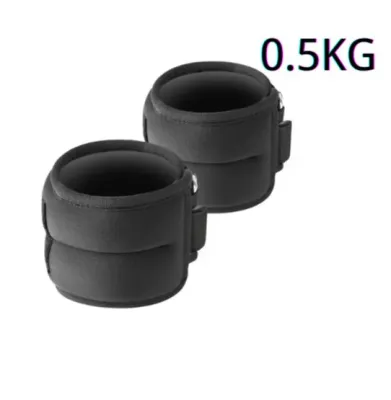
![🇸🇬 [In Stock]Ankle Wrist Weights[1Pair/2LB]Silicone Adjustable Weight Sports Wristbands Exercise Gravity Belt Wrist Band](https://img.lazcdn.com/g/p/3e2fdd93670e08f6e0db68b84995b622.jpg_400x400q80.jpg_.webp)
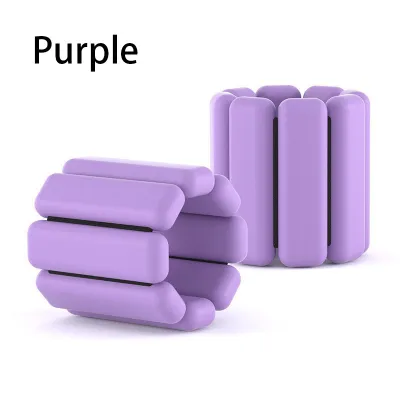
![[SG In Stock] Silicone Adjustable Wrist Ankle Weight Bands | Leg Arm Weights Straps for Yoga Running Fitness Exercise](https://img.lazcdn.com/g/p/f1f8d2519c85b58cd0c8b058f7f47a2b.jpg_400x400q80.jpg_.webp)
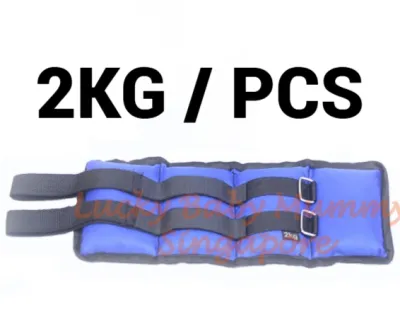
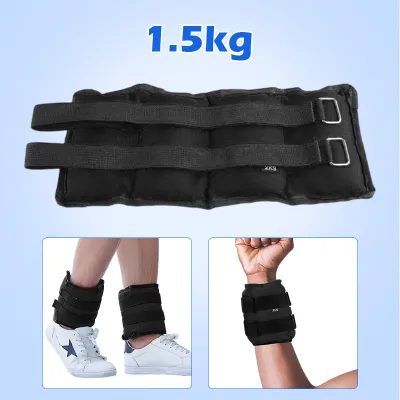
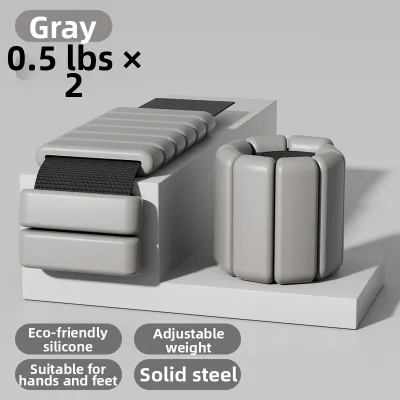
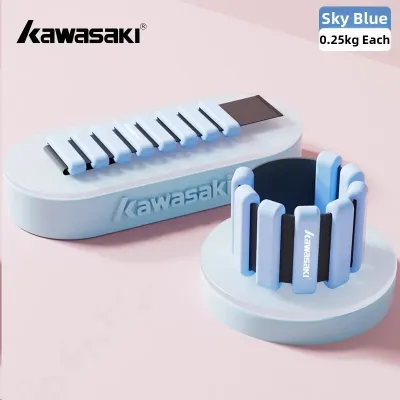
Prices are valid at publication and may change. Please refer to the product page for the latest price.
Furthermore, the hands-free nature of wrist weights allows for a more natural range of motion during multi-joint movements. Instead of gripping a rigid handle, which can fatigue your hands and forearms prematurely, you can focus entirely on the target muscle groups. This makes them exceptionally well-suited for dynamic cardio sessions, shadowboxing, or yoga practices conducted right in your living room, where space to swing arms may be limited but the need for targeted resistance remains high.
Key Features to Look for in HDB-Friendly Wrist Weights
Selecting the right wrist weights requires evaluating how the equipment interacts with your body, your home’s flooring, and Singapore’s unique tropical environment.

Weight Range and Adjustability
For home workouts, starting with a lighter resistance is essential to protect the delicate wrist and elbow joints from unnecessary strain. Beginners should look for options starting between 0.5 kg and 1 kg per wrist. This range provides a noticeable challenge for high-repetition endurance movements without overloading your connective tissues.
When choosing between fixed-weight and adjustable-weight models, consider your fitness progression. Fixed-weight options, such as sleek silicone bands, are highly durable and simple to use, but they require purchasing a new set once you outgrow the resistance. Adjustable pocket designs utilize removable sandbags or steel inserts, allowing you to gradually increase the load as your strength improves. Before purchasing, always check the manufacturer’s specifications and product labels to confirm the maximum load capacity, the weight of individual inserts, and whether the design matches your specific fitness level.
Noise Reduction and Floor Safety
The flooring in HDB flats—whether it is laminate, vinyl, engineered timber, or ceramic tiles—can be highly sensitive to impact and scratching. Hard metal plates, exposed cast iron, or poorly constructed weights with rigid edges pose a constant threat to these surfaces.
To safeguard your home, prioritize wrist weights constructed with soft, impact-absorbing materials. Sand-filled chambers, iron-sand blends, or fully encapsulated silicone designs are excellent choices because they conform to surfaces and do not clank or rattle when moved. If a weight is accidentally dropped or placed down quickly on a laminate floor, these soft materials absorb the impact, preventing costly scratches, dents, or cracks while keeping your workout completely silent.
Comfort, Breathability, and Fit
Singapore’s humid, tropical climate presents a unique challenge for wearable fitness gear. High humidity levels lead to rapid sweat accumulation, which can cause skin irritation, chafing, and unpleasant odors if your equipment lacks proper ventilation.
Look for wrist weights made from moisture-wicking, breathable fabrics such as high-grade neoprene or specialized mesh linings. These materials help draw sweat away from your skin, promoting faster evaporation. Additionally, pay close attention to the fastening mechanism. High-quality, wide hook-and-loop (velcro) straps or adjustable watch-style buckles are crucial for securing the weight comfortably around your wrist. A secure, snug fit prevents the weight from sliding up and down your forearm during dynamic movements, which is a primary cause of friction burns and skin chafing. Padded interiors or soft-brushed fabric backings further enhance comfort during longer workout sessions.
Compact Storage Solutions
In an HDB household, storage efficiency is just as important as workout performance. Bulky, rigid fitness accessories can quickly become eyesores if they cannot be easily hidden away when guests visit.
Opt for highly flexible, rollable, or foldable wrist weights that can be compressed into a compact shape. These designs can be effortlessly stored in standard desk drawers, shallow storage boxes under the bed, or hung neatly on utility hooks inside a bomb shelter or closet. Some models feature integrated hanging loops, allowing you to air them out on a wall hook behind a door, keeping them off the floor and maximizing your vertical storage space. Avoid rigid, non-flexible designs that take up fixed, awkward shapes in your storage compartments.
Types of Wrist Weights Suitable for Small Apartments
Understanding the different structural designs of wrist weights will help you select the style that best aligns with your preferred workout modalities and storage limitations.
Adjustable Strap-On Weights
Adjustable strap-on weights are the traditional workhorses of home fitness. These typically consist of a long, padded fabric band divided into several individual pockets, each holding a small, removable weight packet filled with sand, iron sand, or metal cylinders.
The primary benefit of this design is its versatility. You can easily customize the resistance by adding or removing weight packets to suit different exercises—using a lighter setting for lateral shoulder raises and a heavier setting for lower-body movements where the hands are resting on the hips. However, adjusting these inserts can be time-consuming if you need to change weights frequently mid-workout. Additionally, because the weight is concentrated in individual pockets, these straps can sometimes feel bulky on smaller wrists. They are highly recommended for low-impact, controlled routines such as pilates, slow-paced yoga, or targeted physical therapy exercises.
Weighted Compression Sleeves
Weighted compression sleeves represent a modern, highly ergonomic alternative to traditional strap-on models. Instead of relying on a single fastening strap, these weights are integrated into a slip-on elastic sleeve that covers the wrist and lower forearm.
The key advantage of a compression sleeve is its exceptionally even weight distribution. Because the resistance material (usually micro-iron beads or flexible gel) is spread uniformly across the entire surface of the sleeve, there are no bulky pressure points or shifting masses. This low-profile design minimizes sliding and shifting, making it the superior choice for high-velocity, dynamic exercises such as shadowboxing, high-intensity interval training (HIIT), or dance cardio. The main trade-offs are that compression sleeves generally have a lower maximum weight capacity and lack adjustability; you must purchase a specific size and weight, and the synthetic compression fabric can feel warm during intense workouts in humid conditions.
Modular or Stackable Designs
Modular or stackable designs are highly favored by minimalists and design-conscious home fitness enthusiasts. These products often feature a series of sleek, silicone-coated steel segments threaded onto an elastic band or a secure hook-and-loop strap, resembling a thick, modern bracelet.
These weights excel at consolidating multiple resistance levels into a single, highly compact footprint. You can easily slide individual weight segments off the band to lighten the load, or add them back on to increase resistance, eliminating the need to own multiple pairs of weights. The smooth, non-porous silicone exterior is completely waterproof, sweat-resistant, and incredibly easy to clean. When using modular designs, it is critical to verify that the locking, sliding, or fastening mechanism is fully secure before beginning your workout. If the segments are not properly locked in place, they can slide or detach during rapid arm movements, posing a risk to surrounding objects or windows in a compact HDB living room.
Safe Usage and Workout Tips for Limited Spaces
Exercising in a confined HDB apartment requires a proactive approach to safety to prevent personal injury and avoid damaging household items.
Before starting any exercise session, establish a clear workout zone. Stand in the center of your designated space and extend your arms fully in all directions, including overhead. Ensure that your hands—and the added momentum of the wrist weights—will not come into contact with ceiling fans, low-hanging light fixtures, wall-mounted TVs, shelving, or nearby furniture. If your HDB flat has a lower ceiling height, be particularly cautious during overhead movements like shoulder presses or jumping jacks when the ceiling fan is switched on.
Controlling your movement momentum is vital when training with wearable weights. Avoid rapid, ballistic swinging motions, as the centrifugal force generated by the weights can place excessive torque on your wrist, elbow, and shoulder joints, potentially leading to ligament strains or joint hyperextension. Focus on slow, deliberate, and controlled concentric and eccentric phases of each exercise. If you begin to feel fatigued, reduce your range of motion or temporarily remove the weights to maintain proper form.
Maintaining correct alignment is essential for joint longevity. Keep your wrists straight and neutral throughout your exercises; do not allow the weight to pull your hands backward or bend your wrists awkwardly.
Implement a quick pre-workout checklist before every session:
- Inspect Strap Integrity: Check the straps, buckles, or velcro fasteners to ensure they hold securely.
- Check Seams: Examine all stitching for signs of fraying or wear.
- Verify Filling Security: Inspect sand-filled weights for any micro-tears or leaking filling materials that could create a mess on your floor.
- Prepare Skin: Ensure your skin is clean and dry before strapping on the weights to reduce the risk of friction-induced chafing.
Maintenance and Care for Longevity
Singapore’s high relative humidity creates a prime environment for mold, mildew, and bacteria to thrive on damp workout gear. Proper maintenance is crucial to preserve the hygiene, appearance, and structural integrity of your wrist weights.
After every workout, immediately wipe down your wrist weights to remove sweat and body oils. For silicone or plastic-coated weights, a simple wipe with a damp cloth and mild, diluted soap is sufficient. For fabric-based weights, such as neoprene or nylon, gently spot-clean the surface with a damp cloth. Never submerge sand-filled or non-waterproof weights completely in water, as moisture can trap inside the filling chambers, leading to internal mold growth, unpleasant odors, and the eventual degradation of the filling material.
Once cleaned, allow the weights to air-dry completely in a well-ventilated, shaded indoor area. Do not place them in an airtight drawer or storage container while they are still damp. Avoid exposing the weights to direct, harsh sunlight for extended periods, as UV rays can dry out and crack silicone, degrade the elasticity of compression fabrics, and weaken the adhesive backing of hook-and-loop straps.
Periodically inspect your weights for structural wear. Over time, velcro straps can accumulate lint and lose their gripping strength, which can be cleaned out using a small brush. If you notice structural seam tears, loose stitching, or leaking sand, discontinue use immediately to prevent messy cleanups or sudden weight detachment during an exercise.
Frequently Asked Questions (FAQ)
Can I wear wrist weights all day around the house?
It is not recommended to wear wrist weights continuously throughout the day for passive household activities. While it may seem like an easy way to burn extra calories, prolonged wear alters your natural biomechanics and places continuous, unnatural stress on your wrist, elbow, and shoulder joints. This constant tension can lead to repetitive strain injuries, joint fatigue, and tendonitis. For optimal safety and physical benefit, limit the use of wrist weights to dedicated, structured exercise sessions where you can actively focus on maintaining proper posture and controlled movements.
Do wrist weights damage HDB laminate flooring?
Soft-covered wrist weights, such as those made from neoprene, fabric, or silicone, are highly unlikely to damage HDB laminate, vinyl, or tiled flooring during normal use. However, weights with exposed metal buckles, rigid plastic parts, or heavy modular steel segments can scratch or dent laminate surfaces if dropped from a height. To protect your flooring and provide extra cushioning for your joints, always perform your workouts on a high-quality yoga mat or interlocking foam gym tiles.
How heavy should wrist weights be for beginners?
Beginners should start with the lightest weight option available, typically ranging from 0.5 kg to 1 kg per wrist. Starting light allows your muscles, tendons, and joints to adapt to the new resistance without compromising your exercise form. Prioritize comfort, joint alignment, and fluid movement over lifting heavier loads. Always refer to the manufacturer’s product labels for specific usage guidelines, and consult a certified fitness professional to design a personalized progression plan tailored to your fitness level.
Community discussion
Share your experience or ask a question. Comments are reviewed before publication.