
An 8kg kettlebell is one of the most versatile entry-to-intermediate weights for home and gym training in Singapore. Finding the best one for your routine depends on matching the bell’s physical design—such as handle clearance, coating material, and casting style—to your specific training goals and local environment. Because Singapore’s humid climate accelerates rust and affects grip traction, selecting the right finish and build quality is essential for a safe, long-lasting investment. This guide provides a comprehensive framework to evaluate 8kg kettlebells, helping you choose the ideal weight, material, and shape for your home workouts.
Is an 8kg Kettlebell the Right Weight for Your Current Routine?
Before purchasing an 8kg kettlebell, you must determine if this specific load aligns with your current physical capabilities and planned exercises. In ballistic training, weight selection is highly movement-dependent. An 8kg load is often an excellent starting point for lower-body hinge movements, such as the two-handed kettlebell swing, for individuals transitioning from bodyweight training to loaded resistance. It provides enough resistance to teach the hip hinge mechanism without overwhelming the posterior chain. Conversely, for upper-body isolation movements like strict overhead presses, lateral raises, or Turkish get-ups, an 8kg weight can feel surprisingly heavy for beginners and may compromise form.
To test your readiness for an 8kg load at home, you can use common household items or standard gym equipment as a proxy. For example, a standard five-litre water bottle filled to the brim weighs approximately 5kg, while two stacked four-litre bottles approximate an 8kg load. If you can comfortably press a 5kg load overhead for eight to ten controlled repetitions with perfect posture, you are likely ready to progress to an 8kg kettlebell for upper-body movements. If you struggle to maintain a neutral spine or find your shoulder shrugging excessively during the test, starting with a lighter 4kg or 6kg alternative is a safer path to prevent joint strain.
Products mentioned in this guide
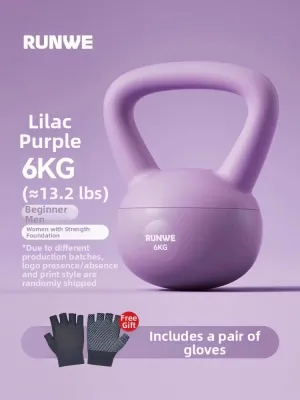
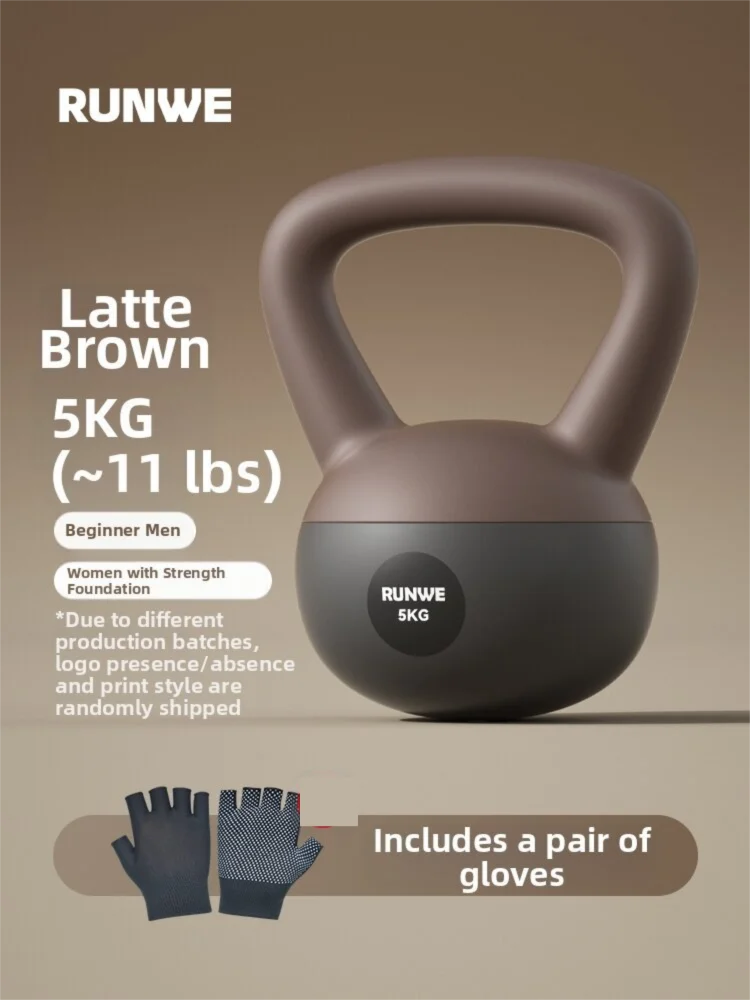
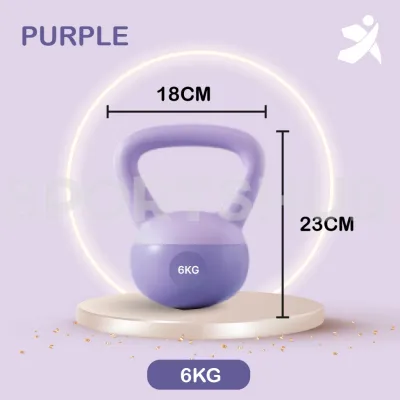
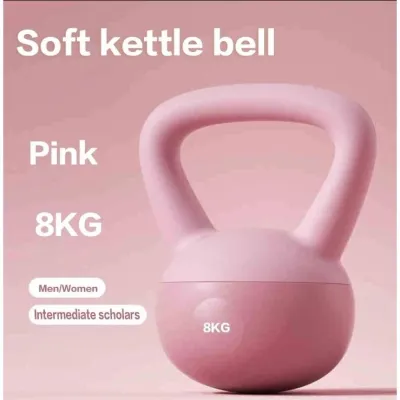
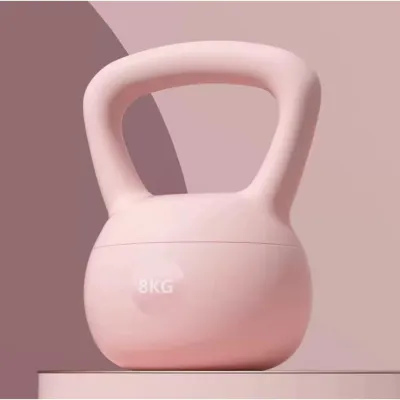
Prices are valid at publication and may change. Please refer to the product page for the latest price.
Conversely, there are clear indicators that an 8kg kettlebell might be too light for your goals. If you can perform twenty consecutive two-handed swings without feeling any muscular fatigue in your glutes and hamstrings, or if you can easily perform single-arm rows for fifteen repetitions without losing control of your shoulder blade position, you should consider stepping up to a 12kg or 16kg bell for your lower-body exercises. Using a weight that is too light can lead to “muscling” the movement with your arms rather than driving power from your hips, which defeats the purpose of ballistic kettlebell training.
Evaluate Handle Geometry and Clearance for Your Grip
The physical dimensions of a kettlebell handle directly dictate how safely and comfortably you can execute ballistic movements. Unlike dumbbells, a kettlebell’s center of mass lies outside the handle, meaning the weight rotates around your hand during transitions. The first critical dimension to evaluate is handle clearance, which is the vertical distance between the underside of the handle and the top of the bell’s body. For two-handed exercises like swings, you need sufficient clearance to insert both hands comfortably without your knuckles rubbing against the sphere. A clearance that is too shallow forces your wrists into flexion, increasing joint stress, while excessive clearance can make the bell feel unstable during overhead movements.

Handle diameter and shape are equally vital and must be matched to your hand size. Most 8kg kettlebells feature a handle diameter ranging from 28mm to 32mm. A thinner handle (around 28mm to 30mm) is generally preferred for smaller hands or high-repetition endurance sets, as it reduces forearm fatigue during snatches and cleans. A thicker handle (32mm or more) challenges your grip strength more intensely but can distribute pressure more evenly across the palm during heavy presses. The shape should be a smooth, continuous curve; handles with sharp corners or flat top sections can pinch the skin and cause painful friction points during dynamic transitions.
Finally, pay close attention to the horn width and window size. The horns are the sloping sides of the handle that connect to the bell. A wide window—the open space enclosed by the handle—allows for smooth hand-to-hand transfers during complex flows, such as figure-eights or hand-to-hand swings. If the window is too narrow, your fingers will be cramped, increasing the risk of dropping the weight mid-set. When shopping, look for specifications that detail the inner width of the handle window to ensure it accommodates the width of your four fingers placed side-by-side.
Choose the Right Material and Coating for Your Environment
Singapore’s tropical climate, characterized by high humidity and ambient salt air, presents a unique challenge for fitness equipment maintenance. The coating of your kettlebell is your primary defense against rust and the key factor in grip security when your hands begin to sweat. Powder-coated finishes are widely considered the gold standard for home training. This electrostatic application process creates a textured, matte surface that offers excellent grip traction even without gym chalk. The texture holds chalk exceptionally well if you choose to use it, and the coating provides robust protection against moisture, making it highly resilient in humid local apartments. Enamel finishes, by contrast, are smooth and glossy; while they look sleek, they can become incredibly slippery when wet with sweat, requiring a tighter grip that accelerates hand fatigue.
Bare cast iron and steel options represent a more traditional approach but require diligent upkeep. Uncoated iron is highly susceptible to oxidation. If left in a non-air-conditioned room or balcony in Singapore, a bare iron handle will begin to develop surface rust within weeks. While some lifters prefer the raw feel of bare metal, you must be prepared to regularly clean the surface with wire brushes and apply protective oils to prevent deep corrosion.
Vinyl or neoprene-coated kettlebells are popular entry-level options, featuring a colorful protective sleeve around the bell’s body while leaving the handle bare or lightly coated. These coatings are excellent for protecting tiled or vinyl flooring in HDB flats from accidental scuffs and reducing noise when setting the weight down. However, the durability of these synthetic sleeves can be a concern; low-quality vinyl can crack or peel over time, trapping moisture underneath and accelerating hidden rust. Additionally, if the vinyl extends too far up the horns, it can interfere with your grip during clean-and-press movements, as the sticky texture of the plastic can drag against your forearms.
Decide Between Cast Iron and Competition Styles
When selecting an 8kg kettlebell, you will primarily choose between two distinct manufacturing styles: cast iron (often called classic or fitness kettlebells) and competition (or sport) kettlebells. Cast iron kettlebells are cast from a single piece of molten metal. As a result, their physical size scales with their weight; an 8kg cast iron bell is noticeably smaller and more compact than a 16kg or 24kg version. This smaller footprint makes the 8kg cast iron bell highly maneuverable and easy to store in tight spaces. The handles are typically wider and flare outwards, making them ideal for two-handed exercises where both hands need to fit side-by-side on the horizontal portion of the handle.
Competition kettlebells, on the other hand, are designed to international lifting standards. Regardless of whether the bell weighs 8kg or 32kg, its external dimensions—including the sphere diameter, handle thickness (usually 33mm), and window size—remain identical. The weight difference is managed by adjusting the internal hollow core of the steel body. This uniformity is highly beneficial for technical progression. When you transition from an 8kg competition bell to a 12kg or 16kg version, your lifting mechanics, forearm placement, and insertion angles remain exactly the same. However, because competition handles are designed strictly for single-handed use, they are narrower and straight, making two-handed swings difficult or impossible for individuals with wider hands.
For specific home setups, adjustable or soft-shell kettlebells offer alternative solutions. Soft-shell kettlebells, filled with sand or steel shot inside a heavy-duty fabric or rubber exterior, are highly forgiving if dropped on home flooring and minimize the risk of bruising your forearms during cleans. However, they lack the structural rigidity required for precise technical lifts and can feel awkward during ballistic movements due to the shifting internal mass. Adjustable kettlebells allow you to change the weight plates inside a single shell, saving space, but they often feature complex locking mechanisms that require careful inspection to ensure safety during high-velocity swings.
Inspect Build Quality and Value Before Purchasing
Because you cannot always test a kettlebell in person before purchasing online, you must know how to evaluate build quality through product specifications, user reviews, and initial physical inspections. The most critical safety check involves inspecting the handle for casting seams, rough ridges, or metal burrs. During the manufacturing of cheap cast iron bells, molten metal can seep between the mold halves, leaving a sharp seam along the underside of the handle. If left unpolished, this seam acts like a blade against your palms during swings, quickly tearing calluses and causing painful blisters. Look for products that explicitly state they are “gravity cast” or “single-cast” with hand-finished handles to ensure a smooth gripping surface.
Another vital quality indicator is the base flatness. A stable, perfectly flat bottom is essential for safety, especially if you plan to perform floor-based exercises like renegade rows, push-ups on the bells, or floor presses. A rounded or uneven base can cause the kettlebell to tip over unexpectedly under your body weight, risking severe wrist sprains or facial impact. You can verify this by placing the bell on a flat surface and checking for any wobble when applying lateral pressure to the handle.
Finally, consider the total cost of ownership, which in Singapore is heavily influenced by local shipping fees. Because kettlebells are dense, heavy items, delivery charges can sometimes equal or exceed the cost of the bell itself. Compare retailers that offer local warehouse pickup options or free domestic shipping thresholds. Additionally, review the seller’s return policy; a reputable fitness brand should offer a clear warranty against structural defects, such as handle separation or casting cracks, giving you recourse if the item arrives damaged or fails during normal use.
Maintain Your Kettlebell for Long-Term Use
Proper maintenance ensures your 8kg kettlebell remains safe, hygienic, and free from structural degradation over years of training. After every workout, wipe down the entire kettlebell with a dry microfiber cloth to remove sweat, skin oils, and moisture. For powder-coated or painted finishes, a mild solution of water and a drop of dish soap can be used periodically to clean deep dirt; avoid harsh chemical solvents or abrasive scrubbing pads that can strip the protective coating. If you use gym chalk, use a soft-bristled nylon brush to clear the chalk buildup from the handle crevices, as packed chalk traps moisture against the metal and promotes rust.
Storage conditions are equally important for preserving the lifespan of your equipment. Avoid storing your kettlebell on damp concrete floors, balconies, or in areas exposed to direct sunlight and rain. Instead, place it on a rubber mat or a dedicated storage rack inside an air-conditioned or well-ventilated room. This protects both the bell’s finish and your home flooring from impact damage.
Lastly, establish a routine inspection habit. Before every training session, visually inspect the handle and body for any signs of structural compromise. Stop using the kettlebell immediately if you detect hairline cracks where the handle meets the bell, severe peeling of the protective coating that exposes raw iron to rapid rusting, or any loose internal parts in adjustable models. Training with a structurally compromised kettlebell poses a severe safety risk, as the high forces generated during ballistic swings can cause the bell to detach from the handle mid-motion.
Frequently Asked Questions (FAQ)
Is an 8kg kettlebell suitable for all exercises?
An 8kg kettlebell is highly versatile but is not universally suitable for every exercise. For lower-body compound movements like squats, deadlifts, and swings, an 8kg load is relatively light and serves primarily as an introductory weight for beginners to master form. For upper-body isolation movements, such as strict overhead presses, windmilling, or Turkish get-ups, 8kg represents a moderate to challenging resistance level that requires significant shoulder stability and core strength. If you find that your form breaks down, your wrists bend backward, or you cannot control the descent of the weight, the load is too heavy for that specific movement, and you should scale down to protect your joints.
Do I need to use chalk with my kettlebell?
Whether you need gym chalk depends on your kettlebell’s handle finish and the volume of your workouts. Powder-coated and matte-finished kettlebells offer natural texture that provides sufficient grip security for low-to-moderate repetition sets without any chalk. However, if you are performing high-repetition ballistic flows or training in a non-air-conditioned space in Singapore where sweat is unavoidable, liquid or powder chalk can help absorb moisture and prevent the bell from slipping. If you prefer not to use chalk at home due to the mess, wearing specialized fitness gloves or choosing a kettlebell with a high-traction neoprene or textured powder coat can provide a reliable alternative.
Community discussion
Share your experience or ask a question. Comments are reviewed before publication.