
Selecting the right Acti Tape variant depends on matching the tape’s physical width, elasticity, and adhesive strength to your specific sport, target body part, and skin sensitivity. Because different physical activities place unique mechanical demands on your body, a single tape configuration cannot serve every purpose.
By verifying the specifications on the product packaging and aligning them with your movement patterns, you can secure the appropriate level of structural support without compromising your skin health or range of motion.
Understanding Acti Tape Specifications and Product Labels
When selecting a kinesiology tape, the product packaging and official manufacturer specifications serve as your primary guide. Kinesiology tapes are not uniform; they vary by width, material composition, stretch capacity, and adhesive strength. Before purchasing, you should inspect the product label to identify these key variables and ensure they align with your intended use.
Products mentioned in this guide
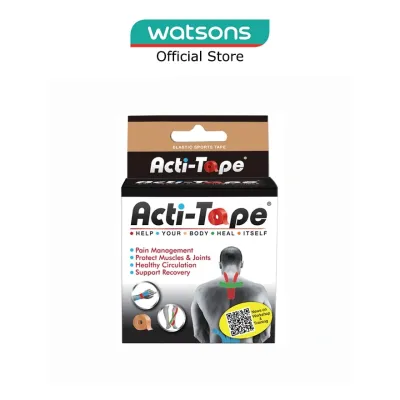
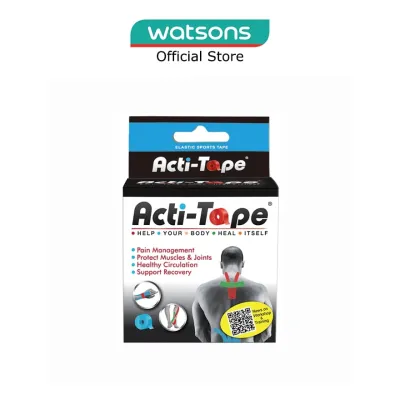
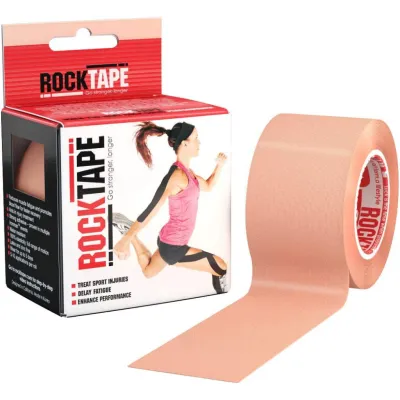
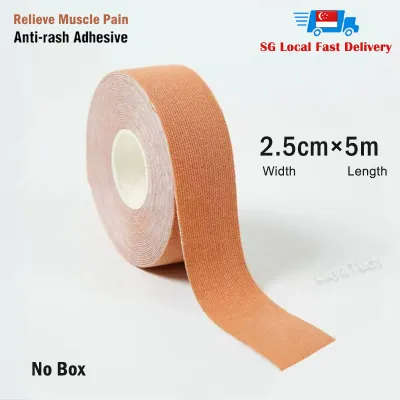
![[SG Stock] Acti-Tape / Acti Tape Elastic Sport Tape 5cmx5m Black/Beige/Red/Blue](https://img.lazcdn.com/g/ff/kf/S0959b3fae034492c9ffa9ee4240bdaabr.jpg_400x400q80.jpg_.webp)
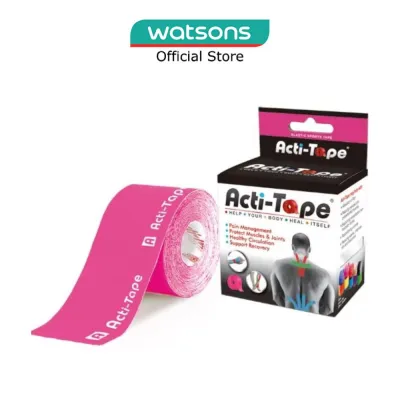
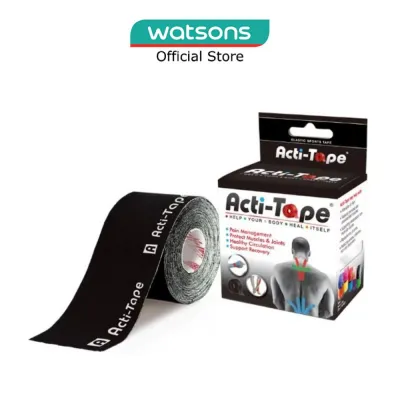
Prices are valid at publication and may change. Please refer to the product page for the latest price.
The tape width is typically measured in centimeters or inches, with standard rolls usually measuring around 5 centimeters (approximately 2 inches) wide. This standard width is designed to cover medium-sized muscle groups, but specialized narrower or wider options exist for other applications. Checking the dimensions on the label prevents the frustration of buying a roll that is too wide for small joints or too narrow for large muscle groups.
Elasticity, or stretch level, is another critical specification indicated on the packaging. Kinesiology tapes are designed to mimic the natural elasticity of human skin, typically stretching along their longitudinal axis. You should look for the manufacturer’s specified stretch percentage, which indicates how far the tape can expand without losing its supportive tension or causing excessive skin traction.
Adhesive formulation is equally important, especially if you have sensitive skin or plan to use the tape in wet environments. Look closely at the packaging for specific certifications or material declarations, such as latex-free or hypoallergenic labels. If you have a history of contact dermatitis or adhesive allergies, verifying these details on the official product label is a necessary step to avoid adverse skin reactions.
Matching Tape Width and Stretch to Your Sport and Body Part
The physical dimensions and mechanical properties of your tape must match the anatomy of the target area and the movement patterns of your sport. Applying a tape that is too wide for a complex joint can cause folding and premature peeling, while using tape with insufficient stretch can restrict necessary athletic movements.

For broad, relatively flat areas of the body, such as the lower back, thighs, or calves, wider tape variants provide a larger surface area of adhesion. This helps distribute the supportive tension evenly across the muscle group.
Conversely, smaller muscles and complex joints, such as the fingers, wrists, or ankles, require narrower rolls or pre-cut strips. These narrower options allow for precise contouring around bony landmarks and tight curves without restricting joint mobility.
The required stretch level depends heavily on the dynamic range of motion of your sport. For activities requiring extreme joint flexion, such as gymnastics, weightlifting, or hurdling, you need a tape variant that offers high elasticity to move dynamically with your body. You should verify the stretch specifications on the product packaging to ensure the tape can accommodate these extreme ranges without pulling too hard on the skin at the anchor points.
Friction is another environmental factor to consider based on your specific sport. In sports like cycling, martial arts, or court sports, the tape may frequently rub against clothing, protective gear, or opponent contact. For these high-friction activities, look for variants with a durable synthetic or tightly woven cotton blend that resists fraying and pilling when subjected to repetitive external rubbing.
Choosing the Right Adhesive for Sweat, Water, and Skin Sensitivity
Adhesive performance is highly dependent on your training environment, sweat levels, and individual skin chemistry. Selecting the wrong adhesive can lead to either premature peeling during a workout or skin irritation upon removal.
If you participate in aquatic sports like swimming or triathlons, or if you train in high-humidity environments, standard adhesives may lose their grip quickly. You should check the manufacturer’s guidelines for water-resistance ratings and maximum recommended wear times under wet conditions. Some variants are specifically formulated with stronger, water-repellent acrylic adhesives designed to withstand prolonged immersion and heavy perspiration.
In tropical climates like Singapore where heat and humidity are consistently high, sweat can accumulate under the tape, potentially weakening the bond or irritating the skin. To mitigate this, look for tape variants that feature a highly breathable wave-pattern adhesive design. This pattern allows moisture to escape more easily, helping to maintain adhesion and protect the skin barrier even during intense, sweaty training sessions.
Before applying any tape variant for the first time, performing a localized patch test is highly recommended. Apply a small piece of the tape to an insensitive area, such as the inside of your forearm, and leave it on for several hours to monitor for any signs of redness, itching, or irritation. If you have highly sensitive skin, prioritize variants labeled specifically for sensitive skin, which typically feature a milder adhesive formulation that is easier to remove.
Safe Application, Removal, and When to Seek Professional Help
Proper application and removal techniques are just as important as choosing the right tape variant. Misapplying the tape can render it ineffective, while improper removal can cause painful skin tears or irritation.
Before applying the tape, ensure your skin is completely clean, dry, and free of any oils, lotions, or sweat. If the area has dense hair, trimming it close to the skin can significantly improve adhesion and make removal much less painful. When applying, avoid stretching the very ends of the tape—known as the anchors—as stretching these sections can pull on the skin and cause blisters or premature peeling.
To remove the tape safely, never rip it off quickly like a traditional bandage, as this can damage the epidermis. Instead, gently peel the tape back in the direction of hair growth, keeping the tape close to the skin surface rather than pulling it upward. If the adhesive is holding firmly, apply a small amount of baby oil, olive oil, or warm soapy water to the tape and let it sit for a few minutes to break down the adhesive before peeling.
You must monitor your skin closely while wearing the tape and remove it immediately if you experience any stop conditions. These include severe itching, burning sensations, blistering, redness, or an increase in localized pain. These symptoms indicate either an allergic reaction to the adhesive or excessive tension on the skin, and continuing to wear the tape can lead to skin damage.
Finally, it is crucial to recognize the boundaries of athletic taping. Kinesiology tape is a supportive accessory designed to assist with minor discomfort and joint awareness; it is not a cure for structural injuries. If you are experiencing severe pain, swelling, joint instability, or a suspected ligament tear, do not rely on tape. Seek a professional medical diagnosis from a doctor or a qualified physiotherapist who can design a structured rehabilitation plan.
Frequently Asked Questions (FAQ)
Can I use the same Acti Tape variant for both swimming and weightlifting?
While some multi-purpose variants exist, swimming and weightlifting place very different demands on athletic tape. Swimming requires high water resistance to prevent the adhesive from dissolving, while weightlifting involves intense mechanical friction against barbells and gym equipment. You should check the manufacturer’s product specifications to verify if a specific variant is rated for both water immersion and high-friction durability, or consider using specialized variants for each activity.
How long can I safely leave the tape on my skin?
You should always refer to the specific wear-time limits printed on your product’s packaging, as formulations vary. Actual wear time depends on your skin type, sweat levels, and environmental conditions. Even if a product is rated for multiple days, you should remove the tape immediately if you experience any skin irritation, itching, or discomfort.
Does the color of the tape affect its stretch or adhesive properties?
No, the color of the tape is purely aesthetic and does not alter its physical performance. The dyes used in different color variants do not change the elasticity of the cotton-nylon blend or the strength of the acrylic adhesive. When choosing a tape, you should prioritize the physical specifications—such as width, stretch level, and adhesive type—over the color.
Community discussion
Share your experience or ask a question. Comments are reviewed before publication.