
Selecting the perfect football is not just about choosing your favorite colorway. To ensure consistent performance and longevity, you must evaluate the specific pitch conditions where you play most frequently. Choosing the right adidas ball requires analyzing how its construction, cover material, and bladder design interact with different playing surfaces.
In Singapore, where players transition rapidly between natural grass pitches, abrasive artificial turf fields, and hard concrete neighborhood courts, a single ball rarely excels across all environments. Furthermore, the local climate—characterized by high relative humidity and sudden, heavy tropical downpours—adds another layer of complexity. Moisture can quickly ruin poorly constructed balls, while intense heat can alter internal air pressure. By understanding how different adidas models are engineered for specific surfaces, you can make an informed purchase that maximizes durability, control, and value.
Why Your Playing Surface Dictates Your Football Choice
The interaction between a football and the ground determines its bounce, speed, flight path, and overall lifespan. When a ball strikes a surface, the impact force and friction vary dramatically depending on whether the pitch is soft natural grass, synthetic turf, or hard concrete. To withstand these forces, manufacturers engineer balls using distinct materials and construction methods.
Products mentioned in this guide
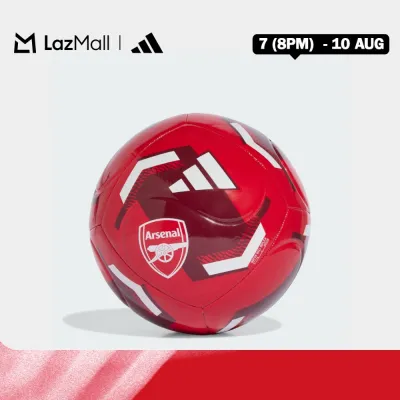
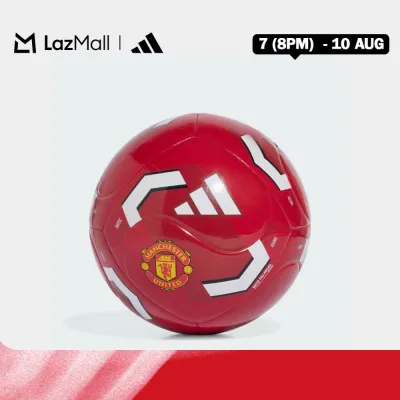

Prices are valid at publication and may change. Please refer to the product page for the latest price.
Panel construction is the first major variable. High-performance match balls typically feature thermal-bonded panels, where the synthetic leather panels are heat-fused together without stitching. This seamless design prevents water absorption, ensuring the ball maintains a consistent weight and flight path even during wet weather. Conversely, machine-stitched balls use durable nylon threads to connect panels. While highly resilient and cost-effective, the tiny gaps between stitched panels can allow water to seep in under wet conditions. Hybrid construction combines both methods, stitching the panels before sealing them with adhesive for a balanced performance.
The outer cover material also dictates surface compatibility. Polyurethane (PU) is the premium standard for match balls, offering a soft, responsive touch and excellent elasticity. However, PU is highly susceptible to scuffing and tearing on rough surfaces. Thermoplastic Polyurethane (TPU) is a tougher, more scratch-resistant polymer commonly used in training balls, making it highly suitable for high-friction environments. For concrete and street play, heavy-duty rubber or textured canvas covers provide the maximum abrasion resistance required to survive contact with unforgiving ground.
Finally, the inner bladder affects air retention and bounce characteristics. Latex bladders are highly responsive and offer a soft, lively bounce, but they are highly permeable, meaning they lose air pressure quickly and require inflation before every session. Butyl bladders, made from synthetic rubber, retain air exceptionally well for weeks, making them the standard choice for training and recreational balls where convenience and consistent pressure are prioritized.
In Singapore’s tropical climate, these structural choices are critical. High humidity can degrade low-quality adhesives over time, while sudden downpours can quickly waterlog stitched balls, making them heavy and difficult to control. Matching the ball’s structural design to the hardness and friction of your primary playing surface is the most effective way to ensure long-term performance and durability.
Natural Grass: Match and Premium Training Balls
Well-maintained natural grass pitches represent the traditional standard of football. These surfaces are naturally forgiving, absorbing a significant portion of the ball’s impact and generating minimal friction. Because the ground does not actively wear down the outer cover, natural grass allows you to use high-performance adidas match and premium training balls designed for elite touch and aerodynamic precision.

When shopping for a ball to use on natural grass, look for official quality certifications printed on the casing. The ‘FIFA Quality Pro’ and ‘FIFA Quality’ labels indicate that the ball has undergone rigorous independent testing. These tests evaluate weight, sphericity, rebound consistency, water absorption, pressure loss, and shape retention under extreme conditions. Balls carrying the ‘FIFA Quality Pro’ mark are certified for professional match play, offering the highest level of performance and consistency.
For natural grass, seamless, thermal-bonded panels are highly recommended. During Singapore’s monsoon seasons or sudden afternoon showers, natural grass pitches can quickly become wet and muddy. A thermal-bonded adidas ball prevents water from penetrating the seams, ensuring the ball does not absorb water and become heavy. This maintains a true, predictable flight path and prevents the internal bladder from becoming waterlogged, which can ruin the ball’s balance and bounce.
However, players must exercise caution. Premium match balls with soft PU covers are highly specialized instruments. You must avoid using these high-end balls on rough artificial turf, concrete, or gravel. The high friction and heat generated by synthetic surfaces will rapidly scuff the delicate PU outer skin, peel the seamless thermal bonds, and cause premature panel separation. To protect your investment, reserve your premium match balls exclusively for well-maintained natural grass fields.
Artificial Turf: Durable Training and Turf-Specific Balls
Artificial turf has become the most common playing surface in Singapore, found in community sports complexes, school fields, and private commercial pitches. While modern synthetic turf mimics the look of natural grass, it behaves very differently. Synthetic pitches consist of plastic grass blades supported by an infill layer of sand and recycled black rubber crumbs. This combination creates a highly abrasive surface that generates significant friction and heat, especially under the midday sun.
Standard match balls designed for natural grass will degrade rapidly on artificial turf. The abrasive plastic blades and rubber crumbs act like sandpaper, scratching the soft outer cover and wearing down the seams. To combat this, you should select an adidas training ball specifically engineered for high-friction environments. These durable options typically feature thicker TPU covers that resist scratching and tearing, ensuring the ball maintains its structural integrity over months of intense play.
For turf play, reinforced machine-stitched or hybrid-constructed balls are excellent choices. The physical stitches are recessed slightly below the panel surface, protecting them from direct friction with the synthetic turf. Additionally, look for models featuring a high-quality butyl bladder. The constant, hard impacts against the dense turf sub-base, combined with the elevated surface temperatures of synthetic pitches, can cause standard bladders to lose air pressure quickly. A butyl bladder provides superior air retention, maintaining a consistent internal pressure so you do not have to inflate the ball mid-session.
Before purchasing, always check the manufacturer’s product label or specifications. Adidas clearly labels many of its balls for specific surface types. Opting for a model designated for ‘training’ or ‘artificial grass’ ensures that the materials used are optimized to withstand the unique wear and tear of synthetic turf pitches.
Indoor Courts and Hard Surfaces: Futsal and Street Balls
Playing football on indoor hardwood courts, synthetic indoor surfaces, or outdoor concrete public courts requires a completely different class of equipment. These hard surfaces provide zero shock absorption and generate extreme friction, making standard outdoor footballs highly unsuitable and potentially dangerous to play with.
It is vital to differentiate between indoor futsal balls and street balls. Futsal is played on hard indoor courts, where a standard outdoor ball will bounce erratically and travel too quickly, making close-control passing and technical play nearly impossible. To address this, official futsal balls (typically Size 4) feature a specialized low-bounce bladder. This bladder is filled with synthetic fibers or foam to dampen the rebound, ensuring the ball stays close to the floor. Futsal balls are also slightly heavier than standard outdoor balls of the same size, promoting quick, ground-based passing sequences.
For outdoor concrete, asphalt, or neighborhood hardcourts, you must use a dedicated street ball. These balls are engineered with highly abrasion-resistant covers, often made from vulcanized rubber or heavily textured canvas. The rugged outer layer is designed to withstand scraping against rough concrete without peeling or tearing. The seams are heavily reinforced, and the ball is built to absorb constant high-impact collisions with metal goals and concrete walls.
Using a standard outdoor grass or turf ball on concrete will destroy the outer casing within a single session. The friction will tear open the stitched seams, expose the inner bladder, and render the ball unusable. For hardcourt environments, always verify that the ball is specifically rated for ‘street’ or ‘futsal’ use to guarantee safety and longevity.
Cross-Surface Compatibility: Can One Adidas Ball Do It All?
For players who participate in different leagues or casual games across various venues, buying a separate ball for every surface can be impractical and expensive. In these situations, finding a versatile ‘jack of all trades’ adidas ball is highly desirable, but you must understand the realistic limits of cross-surface compatibility.
A high-quality, durable adidas training ball can successfully bridge the gap between natural grass and modern artificial turf. If you choose a model with a robust TPU cover and hybrid construction, it will offer enough durability to survive the abrasive synthetic turf while still providing a soft enough touch and true flight path for natural grass play. This makes it an excellent single-ball solution for the majority of outdoor recreational players in Singapore.
However, there are hard physical boundaries that no single ball can cross. Indoor futsal and outdoor concrete street play strictly require dedicated, specialized balls. You cannot use an outdoor turf ball for indoor futsal because its high bounce will disrupt the game and violate standard court regulations. Conversely, using a low-bounce futsal ball on an outdoor grass field will result in a sluggish game with almost no aerial play. Furthermore, any attempt to use an outdoor grass or turf ball on concrete will permanently damage the cover, regardless of how durable the manufacturer claims it to be.
To help you decide, consider this straightforward decision matrix based on your weekly playing habits:
- Grass and Artificial Turf (50/50 Split): Invest in a single, high-quality adidas hybrid or TPU training ball. This provides the ideal balance of durability and touch across both outdoor surfaces.
- Indoor Futsal and Outdoor Turf (50/50 Split): You must purchase two distinct balls. Buy one official low-bounce Size 4 futsal ball for your indoor sessions, and one durable Size 5 TPU training ball for the synthetic turf.
- Street Concrete and Artificial Turf (50/50 Split): Purchase two separate balls. Use a dedicated rubberized street ball for concrete courts to protect your turf-optimized ball from immediate destruction.
Care and Maintenance for Longevity
Regardless of which adidas ball you select, implementing a consistent care and maintenance routine will significantly extend its lifespan, preserve its structural integrity, and maintain its playing characteristics. Taking a few minutes after each session to care for your equipment prevents premature wear and ensures optimal performance.
Proper inflation is the most critical factor in maintaining a ball’s shape and performance. Always check the manufacturer’s recommended inflation pressure, which is typically printed directly around the valve panel (usually ranging between 8.0 and 11.0 PSI for outdoor balls). Use a reliable pressure gauge to avoid over-inflation, which can stretch the seams and warp the bladder. When inflating, always lubricate the pump needle with a drop of glycerine, valve oil, or soapy water before inserting it into the valve. Inserting a dry needle can damage or displace the rubber valve housing, leading to slow, irreversible air leaks.
Cleaning your ball after play is equally important, especially in Singapore’s humid and rainy environment. After a muddy session on grass or a dusty game on artificial turf, wipe the ball down thoroughly with a soft, damp cloth to remove dirt, mud, and abrasive rubber crumbs. Avoid using harsh chemical detergents, solvents, or abrasive scrubbing pads, as these can strip the protective coating off the cover and degrade the adhesives holding the panels together. Never submerge the ball entirely in water or place it in a washing machine, as water can seep through stitched seams and rot the internal lining.
Finally, store your ball in a cool, dry, and well-ventilated indoor space. Avoid leaving your football in direct sunlight, on outdoor balconies, or locked inside a hot car boot. Extreme heat and UV radiation will cause the synthetic leather cover to dry out and crack, weaken the thermal-bonded adhesives, and cause the internal air to expand rapidly, potentially warping the bladder.
Frequently Asked Questions (FAQ)
What is the correct football size for different formats and age groups?
Selecting the correct ball size is essential for proper player development, joint safety, and compliance with official game rules. Footballs are manufactured in three primary sizes, each tailored to specific age brackets and playing formats:
- Size 5: This is the standard size for players aged 12 and older, including all adult professional and recreational outdoor matches. It typically measures 68 to 70 centimeters in circumference.
- Size 4: Designed for youth players aged 8 to 12, this size helps younger players develop proper passing and shooting techniques without straining their muscles. Size 4 is also the official standard size for futsal matches across all age groups, featuring a reduced bounce.
- Size 3: This is the smallest standard match ball, engineered for young children under the age of 8. Its lightweight design and smaller circumference make it easy for toddlers and young kids to control and kick safely.
Before purchasing, always check the specific regulations of your local league, school, or sports facility. Some casual adult indoor or 5-a-side leagues in Singapore mandate the use of a Size 4 ball for all participants to suit the smaller pitch dimensions.
How can I tell if my football's bladder is failing?
If your football is consistently losing air pressure overnight, it is important to diagnose whether the issue is a simple valve problem or a structural bladder failure before discarding it. You can perform a simple submersion test to locate the source of the leak:
- Inflate the ball fully to its recommended pressure.
- Submerge the ball completely in a bucket of clean water.
- Observe the ball closely for escaping air bubbles.
If you see a steady stream of tiny bubbles escaping directly from the center of the inflation valve, the valve is dirty, dry, or damaged. If the bubbles are emerging from the panel seams or a visible puncture on the cover, the inner bladder has failed.
For seam leaks or large punctures, the ball cannot be reliably repaired and must be replaced. However, if the leak is minor and originates from a dry valve, cleaning the valve by inserting a lubricated needle several times can sometimes clear debris and restore the seal. Alternatively, you can consult the manufacturer’s guidelines regarding the use of specialized ball sealants to fix minor valve leaks.
Community discussion
Share your experience or ask a question. Comments are reviewed before publication.