
Selecting the right adjustable knee support requires matching the brace’s structure, material, and restriction level to the specific physical demands of your movement. A runner navigating humid outdoor paths needs lightweight breathability and dynamic flexibility, whereas a weightlifter lifting heavy loads in a gym requires rigid, high-compression stabilization to manage vertical forces. For those recovering from an injury, the priority shifts entirely to structural immobilization and joint tracking. Understanding these distinct functional requirements ensures you select a support that aids your physical goals without restricting necessary circulation or movement.
Identifying Your Primary Activity and Support Goals
Before browsing online marketplaces or local sporting goods stores in Singapore, you must define the primary purpose of your knee support. Supports generally fall into three functional categories: preventive compression, active performance stabilization, and post-injury rehabilitation. Preventive supports offer mild warmth and compression to promote blood flow during light activities, while active performance supports use adjustable straps to reinforce the joint during high-impact movements. Rehabilitation braces are highly structured, often featuring rigid components to limit harmful joint deviation.
Your current knee condition and pain levels dictate the level of restriction required. Mild, diffuse soreness from occasional activity often responds well to flexible, wrap-around sleeves that allow a full range of motion. Conversely, localized pain, joint instability, or a feeling of the knee “giving way” demands a more structured support with mechanical reinforcement.
Products mentioned in this guide
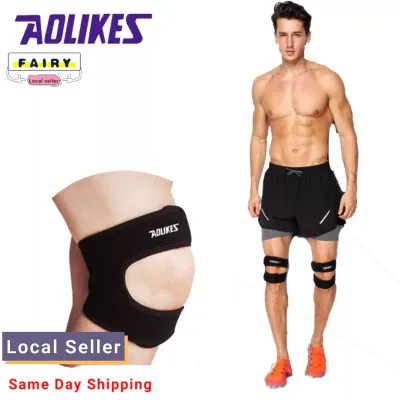
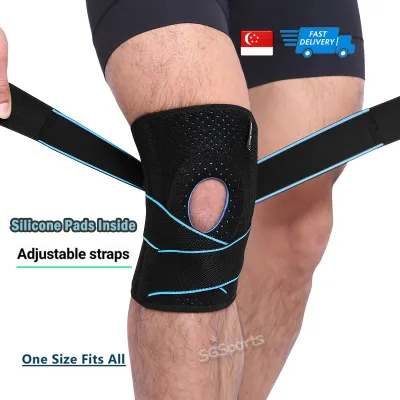
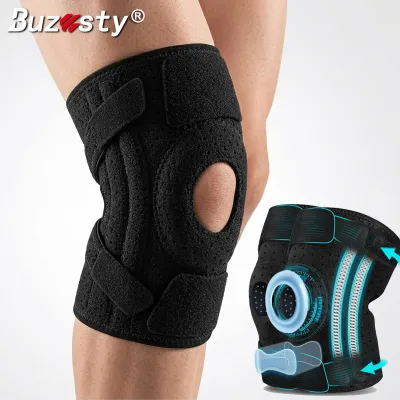
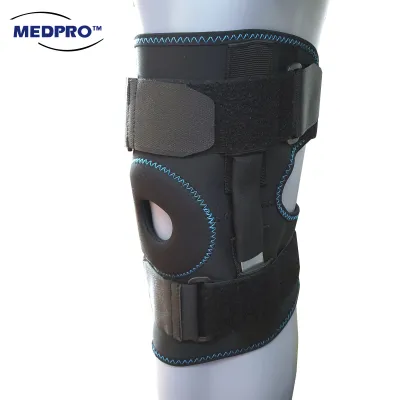
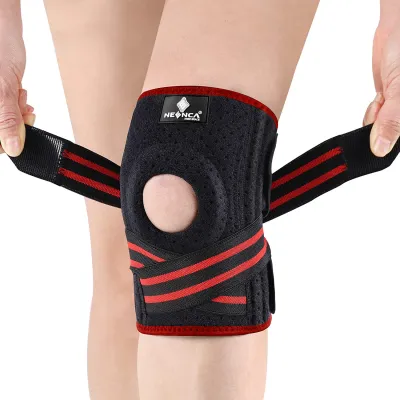
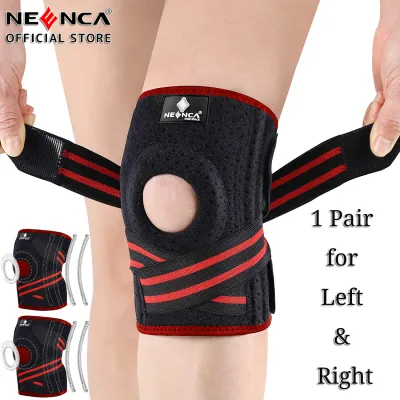
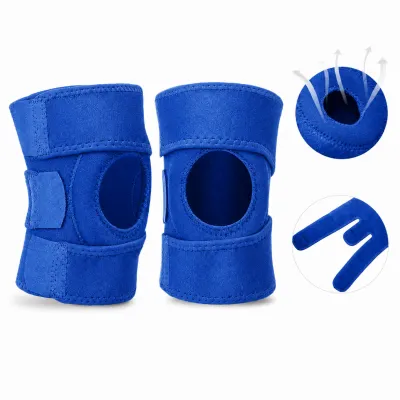
Prices are valid at publication and may change. Please refer to the product page for the latest price.
It is critical to recognize the limits of self-treatment and retail equipment. While an adjustable support can manage minor discomfort, it cannot repair structural damage or replace professional medical care. If you experience severe pain, sudden swelling, joint locking, or an inability to bear weight, stop your activity immediately and consult a physiotherapist or orthopedic doctor for a comprehensive diagnosis.
Choosing an Adjustable Knee Support for Running
Running places repetitive, high-frequency impact on your knee joints, requiring a support that balances moderate compression with exceptional freedom of movement. Because your knee flexes and extends thousands of times during a typical run along the East Coast Park or MacRitchie Reservoir, any excess bulk can cause friction and alter your natural gait. Look for low-profile, open-patella designs that minimize material bunching behind the knee while keeping the kneecap aligned.

Material selection is paramount for comfort in warm, humid climates. Heavy neoprene can trap sweat, leading to skin irritation, heat rashes, and chafing over long distances. Instead, prioritize lightweight, moisture-wicking fabrics or perforated neoprene blends that allow heat to escape.
To prevent the support from sliding down during your stride, check for integrated non-slip silicone strips along the inner linings. The strap system should feature thin, highly adjustable hook-and-loop fasteners that let you customize the tension across different zones of the knee. Ensure these straps secure firmly without cutting off circulation or pinching the sensitive skin in the popliteal fossa behind the joint.
A low-profile design also ensures the support fits comfortably under standard running shorts or compression tights. Avoid bulky plastic hinges or thick padded inserts for running, as these add unnecessary weight and restrict the rapid, fluid leg turnover required for an efficient stride.
Selecting an Adjustable Knee Support for Weightlifting
Weightlifting introduces massive vertical loads and deep knee flexion, demanding a support focused on maximum joint tracking and rigid compression. When performing heavy squats, clean and jerks, or deadlifts, your knees require external stabilization to prevent lateral deviation under load. Unlike running supports, weightlifting wraps or sleeves prioritize structural density over lightweight breathability.
Look for thick, high-density materials such as heavy-duty neoprene or stiff elasticized fabrics that offer substantial resistance when bent. Strong, wide hook-and-loop straps are essential to maintain high tension throughout your lifting session. These straps must be robust enough to withstand the outward pressure exerted by your muscles as they contract during deep lifts.
Ensure the support’s design allows you to achieve full depth in a squat without pinching or restricting blood flow. The material should compress evenly around the joint, providing a spring-like effect at the bottom of the movement without bunching up behind the knee, which can cause painful pressure points.
Understand the structural differences between flexible wrap-around supports and rigid hinged braces. Wrap-around supports and heavy-duty sleeves are ideal for standard strength training as they allow natural joint tracking while providing high compression. Rigid hinged braces, however, are generally unsuitable for heavy lifting unless specifically prescribed for a stabilizing rehabilitation program, as the mechanical hinges can interfere with natural lifting mechanics.
Finding the Right Adjustable Support for Injury Recovery
Rehabilitating a knee injury requires a highly restrictive, medically oriented support designed to protect healing tissues and prevent improper joint movement. During recovery from ligament sprains, meniscus tears, or patellar subluxation, the primary goal is to limit harmful lateral or rotational forces while allowing controlled flexion.
Look for advanced structural features such as dual lateral stabilizers, built-in hinges, and padded patella cutouts. Lateral hinges—whether flexible spring steel or rigid plastic—mimic the natural movement of the knee joint while blocking side-to-side instability. A reinforced patella stabilizer helps keep the kneecap tracking correctly within its groove, reducing wear on healing cartilage.
When selecting a recovery support, check the product packaging and manufacturer specifications for specific rehabilitation indications or medical device classifications. Many high-quality recovery braces are registered as medical devices with local regulatory bodies, indicating they meet specific standards for structural support and material safety.
Always follow the precise guidance of your physiotherapist or orthopedic specialist when using a support for post-surgery or severe ligament injuries. A professional can advise you on when to wear the brace, how tightly to adjust the straps, and when to transition to a less restrictive support to avoid muscle atrophy and joint dependency.
Essential Fit and Adjustability Checks Before Purchase
To ensure your adjustable knee support functions safely and effectively, you must perform several practical checks before finalizing your purchase. A poorly fitting brace can worsen joint pain, restrict circulation, or slide down constantly, rendering it useless during activity.
First, measure your knee circumference accurately using a flexible measuring tape. Do not rely on generic sizing labels like “Medium” or “Large,” as sizing standards vary significantly between brands. Measure around the center of your kneecap while standing, and take additional measurements slightly above and below the joint if specified by the manufacturer’s sizing chart.
Once you receive the support, test the strap tension in a controlled environment before engaging in full physical activity. The brace should feel snug and secure, providing even compression across the entire joint. If you experience numbness, tingling, coldness in your toes, or deep skin indentations, the straps are too tight and must be loosened immediately to prevent circulatory issues.
Verify the retailer’s return and exchange policy before buying. Because individual leg shapes and muscle distributions vary, a support that looks correct on paper may shift, roll down, or cause skin irritation during actual movement. A flexible return policy allows you to exchange the item for a different size or style if the initial fit is uncomfortable.
Frequently Asked Questions (FAQ)
Can I use the same adjustable knee support for both running and weightlifting?
Using a single knee support for both running and weightlifting involves significant trade-offs, as these activities have opposing mechanical demands. Running requires a lightweight, highly flexible, and breathable support that allows rapid, repetitive movement without chafing. Weightlifting, on the other hand, demands thick, rigid compression to stabilize the joint under heavy, slow-moving loads. While a versatile, mid-level adjustable sleeve can suffice for casual, low-intensity workouts or hybrid circuit training, serious athletes should invest in specialized gear tailored to each activity to ensure optimal performance and safety.
How tight should an adjustable knee support feel?
An adjustable knee support should feel like a firm, supportive hug around your joint, providing even pressure without causing pain or restriction. You should be able to slide one finger comfortably under the edges of the support. Warning signs that the brace is too tight include sharp pinching, localized throbbing, tingling, coldness in your foot, or a bluish tint to your skin. If you observe any of these signs, loosen the straps immediately to restore proper blood flow and prevent nerve compression.
Community discussion
Share your experience or ask a question. Comments are reviewed before publication.