
Choosing the right badminton grip tape depends on balancing your hand sweat level, playing environment, and preferred handle thickness. The right grip ensures your racket does not slip during high-speed smashes while providing the tactile feedback needed for delicate net shots. By matching your physical needs with the correct material—whether tacky polyurethane (PU), highly absorbent towel, or textured ribbed grips—you can maintain optimal control and prevent hand fatigue during long sessions.
Diagnose Your Sweat Level and Playing Environment
Before selecting a grip tape, observe how your hands react during intense rallies. Players generally fall into three categories: light sweaters who maintain dry hands, moderate sweaters who experience clammy palms, and heavy sweaters whose hands drip moisture after a few games. Your sweat level is the single most important factor in determining which grip material will keep your racket secure.
Your playing environment also plays a major role in grip performance. In Singapore, playing in a non-air-conditioned community center hall presents a different challenge than playing in a climate-controlled commercial court. High humidity and stagnant air accelerate sweat production, causing standard grips to lose traction quickly. Conversely, air-conditioned courts help keep moisture levels manageable, allowing tacky grips to perform consistently for longer periods.
Products mentioned in this guide
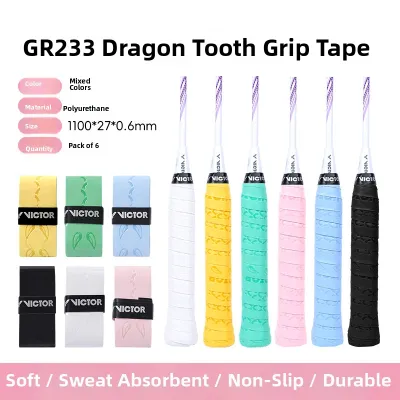
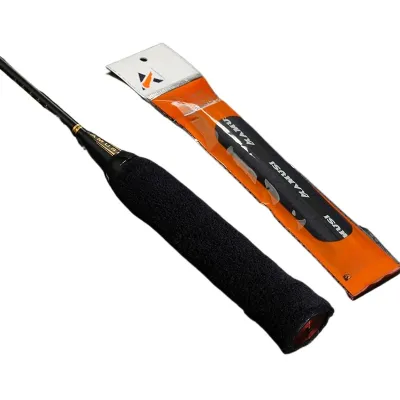
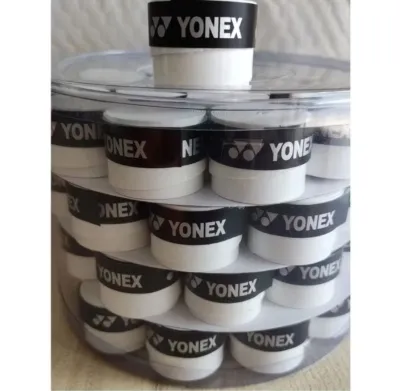
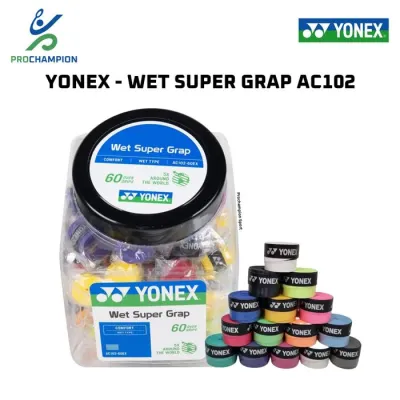
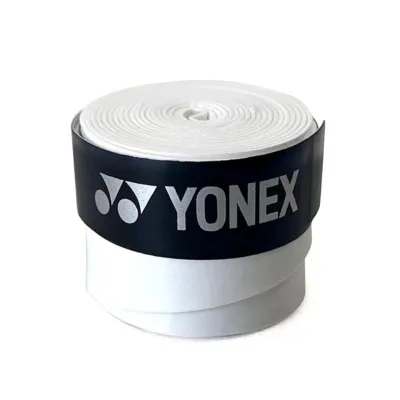
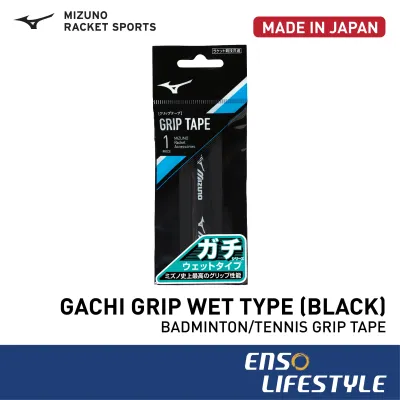
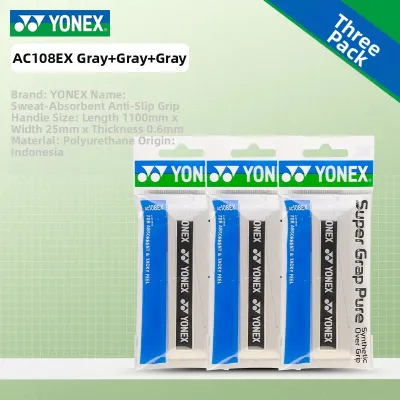
Prices are valid at publication and may change. Please refer to the product page for the latest price.
Pay attention to physical signals that indicate your current grip is failing. If you find the racket twisting in your hand during off-center hits, or if you must constantly wipe your hands on your clothing between points, your grip is no longer providing adequate friction. Slipping during overhead smashes is a clear warning sign that your grip tape needs an immediate upgrade to prevent loss of control.
Match Grip Tape Materials to Your Needs
Polyurethane (PU) grips are the most common choice for players with light to moderate sweat levels. These grips are known for their smooth, rubbery texture and excellent tackiness, which helps you hold the racket securely with minimal hand pressure. While they offer great durability and a wide variety of colors, standard PU grips can become slick and slippery when saturated with heavy moisture.

For heavy sweaters or those playing in humid, non-air-conditioned halls, towel grips made of cotton are highly effective. They absorb moisture like a standard towel, ensuring your hands stay dry and slip-free during intense matches. However, towel grips have distinct trade-offs: they increase the overall thickness of the handle, wear out much faster than PU, and can harbor bacteria and unpleasant odors if they are not dried properly after play.
Ribbed or contoured grips feature a raised foam strip running along the underside of the tape. This design creates prominent ridges when wrapped around the handle, offering enhanced finger placement feedback. Advanced players often use these ridges to quickly reference their grip position during fast transitions, though some players find the textured surface distracting for delicate net play.
Determine Your Preferred Thickness and Feel
Your choice of grip thickness directly affects your control and comfort. Thin overgrips, typically measuring between 0.4mm and 0.6mm, are designed to be wrapped over a base grip. They allow you to feel the distinct bevels of the wooden handle, which is essential for precise finger adjustments, quick grip changes, and deceptive net play.
Thick or cushioned grips, which can range from 1.5mm to 2.0mm, are better suited for players with larger hands or those who require extra shock absorption. These grips help dampen the vibrations transmitted to your wrist and elbow during heavy smashes, reducing the risk of joint fatigue. They also provide a softer, more comfortable hold for players who prefer a relaxed grip style.
You can easily customize the final thickness of your handle during the wrapping process. Overlapping the tape closely as you wrap upward creates a thicker, more cushioned feel with noticeable ridges. If you prefer a thinner, more uniform handle, wrap the tape with minimal overlap to keep the profile sleek and consistent.
Evaluate Durability and Replacement Frequency
To maintain optimal performance, you must recognize when your grip tape has reached the end of its lifespan. Look for physical signs of wear such as a peeling outer layer, a smooth or dry texture that has lost its tackiness, or dark discoloration from dirt and sweat. A hardened grip or an unpleasant, musty odor indicates that the material has degraded and needs immediate replacement.
Rather than relying on a fixed calendar schedule, estimate your replacement frequency based on your weekly playing hours and grip material. A standard PU overgrip typically maintains its optimal tackiness for about 6 to 10 hours of active play. Towel grips, due to their high absorbency, may need to be replaced every 4 to 6 hours of play in humid conditions to maintain hygiene and grip security.
For regular players, purchasing strategies can make a significant difference in cost-effectiveness. While single rolls are convenient for testing different textures, buying multi-packs is highly economical. In Singapore, a single quality overgrip might cost around S$2 to S$4, whereas purchasing bulk packs of 12 or 30 rolls significantly reduces the cost per grip, making frequent replacements much more affordable.
Step-by-Step Application and Maintenance Tips
Proper preparation is key to a clean grip application. Decide whether to wrap over the original factory grip or remove it entirely. Removing the factory grip and applying a thin layer of cushion wrap directly onto the wood keeps the handle thin and responsive. Before wrapping, ensure the handle surface is completely clean, dry, and free of any old adhesive residue.
When applying the grip tape, start from the bottom butt cap of the handle and rotate the racket slowly. Maintain consistent, firm tension on the tape to prevent wrinkles, but avoid pulling so hard that you stretch and thin out the material. Overlap each turn by about 2mm to 3mm, cut the top of the tape at an angle for a clean finish, and secure it tightly with the provided adhesive tape.
After your game, proper maintenance will extend the life of your grip. Avoid leaving your racket inside a zipped, airtight bag immediately after a sweaty session, as this traps moisture and accelerates material decay. Instead, air out your racket in a well-ventilated room to allow the grip to dry completely, keeping the material fresh and ready for your next match.
Frequently Asked Questions (FAQ)
Can I use a towel grip over an existing PU grip?
While it is physically possible, wrapping a towel grip over an existing PU grip is generally not recommended. Towel grips are naturally thick, and layering them over another grip makes the handle excessively bulky, which can strain your hand muscles. Furthermore, the added weight at the handle shifts the racket’s balance point downward, making the head feel lighter and potentially reducing the power of your smashes.
How do I know if my grip tape is too thick for my hand?
To check if your grip is too thick, hold the racket with your normal forehand grip. There should be a small gap, roughly the width of your index finger, between your fingertips and the palm of your hand. If your fingers cannot reach around comfortably, or if your fingertips press deeply into your palm, the grip is too thick, which can limit your finger flexibility and cause forearm fatigue.
Community discussion
Share your experience or ask a question. Comments are reviewed before publication.