
Quick Answer: Sizing a Kids Badminton Racket
Selecting the right badminton racket for your child depends primarily on their height and physical development rather than their age alone. A racket that matches your child’s physical proportions allows them to swing naturally, develop correct technique, and enjoy the game without unnecessary physical strain.
As a general guideline, children under 100 cm (typically ages 3 to 4) benefit from short rackets around 48 cm to 53 cm. Children between 100 cm and 120 cm (ages 5 to 7) usually require rackets measuring around 54 cm to 58 cm. For older children between 120 cm and 140 cm (ages 8 to 11), a racket length of 60 cm to 66 cm is standard, while those taller than 140 cm can transition to a standard adult racket of 66.5 cm to 67.5 cm.
Using a lightweight frame with a smaller grip size is essential for young players. Heavy frames and thick handles can lead to wrist fatigue, poor grip habits, and restricted movement. Ensuring the racket is light enough allows your child to focus on hand-eye coordination and proper swing mechanics.
Products mentioned in this guide
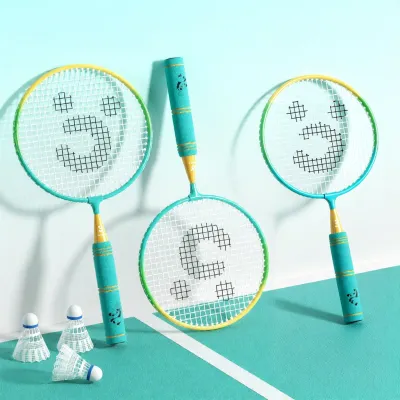
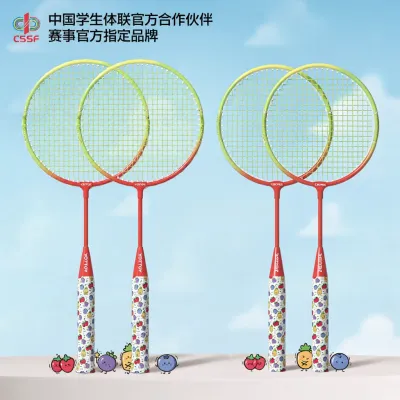
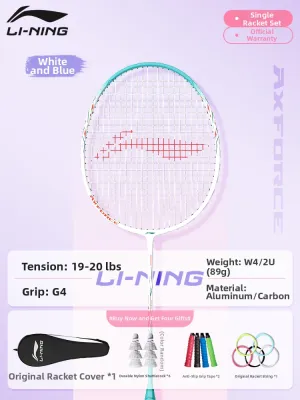
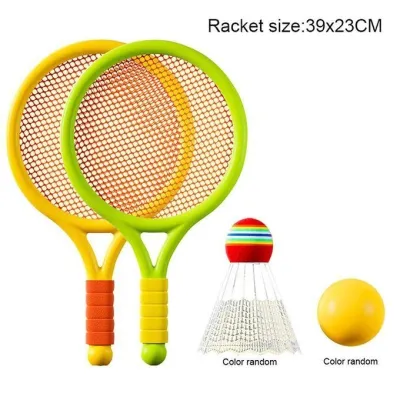
![[SG Stock] 2 Pcs Kids Badminton Racket Sets Baby Tennis Racket Toy Outdoor Parent-Child Badminton Game](https://img.lazcdn.com/g/p/80c1355975917e3e845d13358434b0e3.jpg_400x400q80.jpg_.webp)
![SG] Kids Badminton Tennis Racket Ball Set for Beach Outdoor Indoor Sports / Mini Badminton Racket Light Weight](https://img.lazcdn.com/g/p/e1b99f8cca1b820448b67ddbe7521f44.jpg_400x400q80.jpg_.webp)
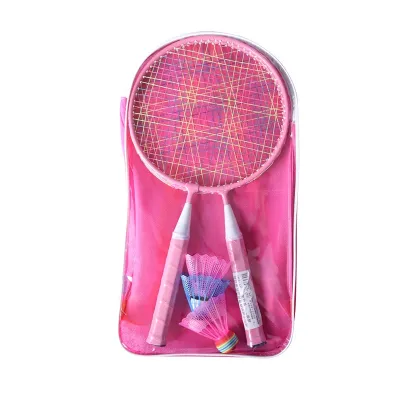
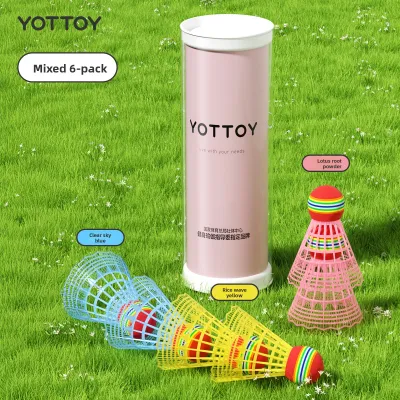
Prices are valid at publication and may change. Please refer to the product page for the latest price.
The transition to an adult-sized racket should occur when your child has the physical strength to handle the extra weight and length, typically when they reach a height of around 140 cm and can swing a standard racket without dragging the frame on the court.
Step 1: Determine the Correct Racket Length
To find the ideal racket length, start by measuring your child’s height and arm span. Have your child stand straight against a wall with their arms extended sideways, parallel to the floor. Measure the distance from the middle of their chest to the tips of their fingers; this measurement helps estimate their natural reach and comfortable swing radius.

When shopping, compare these measurements against the manufacturer’s specific sizing charts. Junior rackets are specifically engineered in shorter lengths, typically ranging from 48 cm to 66 cm, compared to the standard adult length of 67.5 cm. Checking the product label or manufacturer specifications is the most reliable way to confirm the exact length of a junior frame.
An easy way to check the length is to have your child hold the racket by their side, pointing down toward the floor. The tip of the racket head should clear the floor by at least a few centimeters when their arm is fully extended. If the racket head touches the ground or forces your child to bend their elbow to keep it clear, the racket is too long.
Using a racket that is too long often results in the child frequently scraping or hitting the court surface during low shots. This not only damages the frame but also discourages proper low-court defense. Conversely, a racket that is too short limits your child’s reach, forcing them to overextend their shoulder and elbow, which restricts their natural swing arc and reduces power.
Step 2: Select the Right Weight and Balance
Racket weight is a critical factor in preventing injury and ensuring your child can play comfortably for extended periods. Junior rackets are designed to be significantly lighter than adult models, often weighing between 70 and 80 grams (excluding strings), compared to adult rackets which typically range from 80 to 90 grams or more. Always check the manufacturer’s weight classification, usually indicated by a “U” rating on the shaft, where a higher number represents a lighter racket.
The balance of the racket—how the weight is distributed between the head and the handle—also plays a major role in playability. A head-light racket distributes more weight toward the handle, making it easier for a child to maneuver, react quickly, and control their shots. A head-heavy racket puts more weight in the frame head, which can assist with power but may strain a young player’s developing wrist and shoulder muscles.
For most young beginners, a head-light or even-balance racket is highly recommended. This setup allows them to develop quick wrist action and proper defensive reflexes without fighting the momentum of a heavy racket head. As their strength and technique improve, they can gradually transition to different balance profiles based on their playing style.
To test the weight and balance in person, have your child hold the racket horizontally in front of them with a relaxed grip. If their wrist immediately dips or if they must tense their forearm muscles significantly to keep the racket level, the frame is too heavy or too head-heavy.
Next, have them perform a few slow shadow swings in the air, mimicking both forehand and backhand strokes. Observe their wrist movement during these swings; if the wrist bends excessively or if the swing looks jerky and uncontrolled, the racket’s weight distribution is likely unsuitable for their current strength level.
Step 3: Find the Perfect Grip Size
A proper grip size is essential for developing the correct “V-grip” used in modern badminton. If the handle is too large, your child will struggle to wrap their fingers around it, leading to a tight, tense grip that limits wrist flexibility. If the handle is too small, they may overcompensate by squeezing too hard, which can cause hand fatigue and blisters.
To estimate the correct grip size, measure the distance from the second crease of your child’s palm to the tip of their ring finger. This measurement corresponds closely to the ideal grip circumference. Junior rackets typically come with smaller grip sizes, often designated as G5 or G6, which are designed specifically for smaller hands.
You can easily adjust the thickness of the handle using aftermarket grips. If the factory grip feels slightly too thin, wrapping a thin overgrip around the handle can customize the feel to your child’s hand size. Avoid using thick replacement grips on a junior racket unless absolutely necessary, as they can quickly make the handle too bulky for a child’s fingers.
To verify the fit, have your child hold the racket using a standard forehand grip. Look at the space between their fingertips and the palm of their hand; there should be a small gap, roughly the width of an index finger, when holding the racket comfortably. If the fingertips press firmly into the palm, the grip is too small; if there is a wide gap and the fingers cannot wrap securely, the grip is too large.
Have your child practice transitioning between a forehand grip and a backhand grip, where the thumb rests flat on the wider bevel of the handle. If they can slide their thumb into position smoothly without losing control of the racket, the grip size is correct. This ease of transition is vital for developing versatile shot-making skills on the court.
Step 4: Evaluate Materials and Durability for Beginners
Junior badminton rackets are constructed from various materials, each offering different trade-offs in terms of durability, weight, and cost. Aluminum and steel frames are highly durable and budget-friendly, making them excellent choices for very young children who may accidentally hit the floor or walls. However, these metal frames are heavier and transmit more vibration to the arm upon impact.
Graphite and carbon fiber rackets are much lighter and offer superior vibration dampening, which protects your child’s joints from repetitive shock. These materials also provide better flex and responsiveness, helping young players generate more power with less effort. While graphite frames are more fragile than metal ones, they are highly recommended for children who are committed to regular practice and coaching.
When selecting a racket, always check the recommended string tension printed on the frame or shaft label. Junior rackets generally require lower string tensions, typically between 16 and 20 lbs. High string tension can cause the frame to warp or crack under the stress of a mishit, especially with graphite models, and can also increase the risk of wrist strain for young players.
Shaft flexibility is another crucial specification to inspect. Rackets range from flexible to stiff, and for most children, a flexible shaft is highly beneficial. A flexible shaft acts like a spring, bending during the backswing and snapping forward to generate power, which compensates for a child’s developing arm strength and slower swing speed.
Avoid stiff shafts for young beginners, as they require high swing speeds and precise timing to generate power. A shaft that is too stiff will feel like a solid wooden plank to a child, forcing them to use excessive shoulder force, which can lead to poor habits and physical discomfort.
Step 5: Test and Verify the Fit Before Buying
Before making a final purchase, it is highly beneficial to have your child test the racket in person. Observe their posture while they hold the racket in a ready position; their shoulders should be relaxed, and their elbow should be slightly bent without any visible tension in their neck or back. If they must lean their body or drop their shoulder to support the racket, the frame is likely too heavy.
Watch their swing mechanics closely during a few practice swings. The swing should be a smooth, continuous arc without any sudden jerks or awkward adjustments. Pay attention to their wrist; if you notice excessive bending or if the racket head wobbles significantly at the end of the swing, the racket may be poorly balanced or too heavy for them to control.
Ask your child how the racket feels in their hand. Check for any signs of discomfort, such as pinching in the palm or slipping of the handle. If their hand slips easily, you may need to add a tacky overgrip to improve traction and security during play.
If you are shopping in Singapore, visiting a specialized sports store allows you to consult with knowledgeable staff who can guide you through different junior models. Alternatively, if your child is enrolled in a local training academy, consulting their junior coach is an excellent way to get a professional recommendation tailored to your child’s specific playing style and physical development.
Frequently Asked Questions (FAQ)
When should my child switch from a junior to an adult badminton racket?
Children typically transition to a standard adult-sized badminton racket when they reach a height of approximately 140 cm, which often occurs between the ages of 10 and 12. At this stage, their physical strength and coordination are usually developed enough to handle the standard length of 67.5 cm and the slightly heavier frame weight.
Key indicators that your child has outgrown their junior racket include a consistently restricted swing arc, a natural ability to generate high swing speeds, and the racket looking visibly small in their hands. If they are consistently hitting the shuttlecock near the frame rather than the sweet spot because of the shorter reach, it is time to upgrade to an adult frame.
Can I just buy an adult racket and have my child use it?
It is highly discouraged to start a young child with a standard adult racket. Adult rackets are longer and heavier, which places significant leverage and strain on a child’s developing wrist, elbow, and shoulder joints. This increased physical strain can lead to early fatigue and increases the risk of repetitive strain injuries.
Furthermore, using an oversized racket hinders the development of proper stroke mechanics. To compensate for the extra weight and length, children often develop incorrect habits, such as swinging with a straight arm or using their entire body to heave the racket. These habits are difficult to correct later and will limit their progress as they grow.
How often do I need to replace my child's badminton racket?
You should expect to replace your child’s racket every one to two years, primarily to keep pace with their physical growth spurts. As your child grows taller and stronger, their racket length and grip size requirements will change, necessitating a transition to a larger or heavier model to support their developing skills.
Additionally, regular inspection of the racket’s physical condition is essential. Check the frame and shaft regularly for any signs of damage, such as deep cracks, bends in metal frames, or loose grommets where the strings pass through. A damaged racket can warp under string tension or break unexpectedly during play, posing a safety risk to your child and others on the court.
Community discussion
Share your experience or ask a question. Comments are reviewed before publication.