
To choose the right bicycle rear seat, you must match your child’s physical development to the seat’s safety specifications and verify that your bicycle’s frame can safely support the added weight. This decision requires evaluating developmental milestones, inspecting your bike’s structural limits, and understanding how a rear-mounted load alters your bicycle’s handling on the road.
Diagnose Your Child's Readiness and Physical Requirements
Before purchasing any rear seat, you must assess whether your child is physically ready for the demands of riding. The primary milestone is the ability to sit upright completely unsupported and hold their head up steadily while wearing a properly fitted bicycle helmet. This neck strength is critical to withstand the vibrations, sudden bumps, and minor jolts experienced on urban paths. If a child cannot maintain head control under the weight of a helmet, they are not yet ready for a rear seat.
Every bicycle rear seat comes with strict weight and height capacities defined by the manufacturer. You must measure your child’s current weight and height before selecting a seat, keeping in mind that these limits are absolute safety thresholds rather than mere suggestions. Exceeding these limits can compromise the structural integrity of the seat’s mounting brackets or cause the seat to flex dangerously into the rear wheel.
Products mentioned in this guide
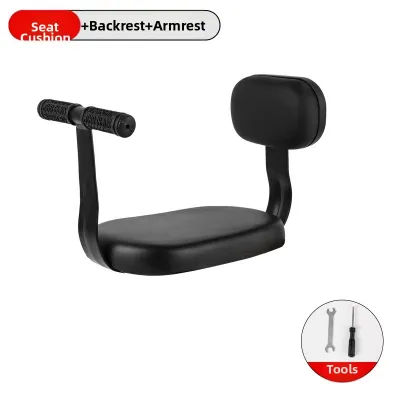
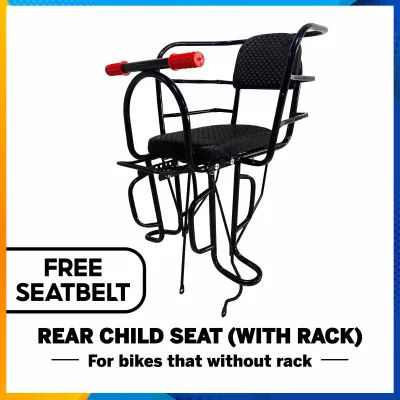
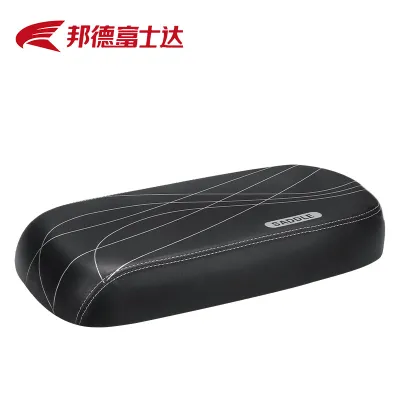
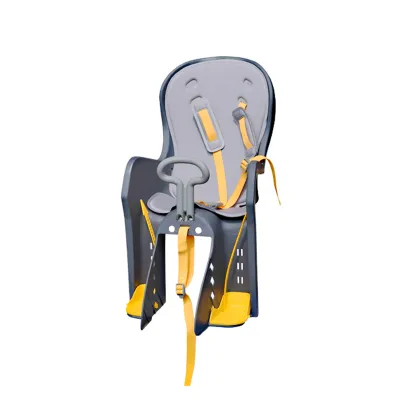
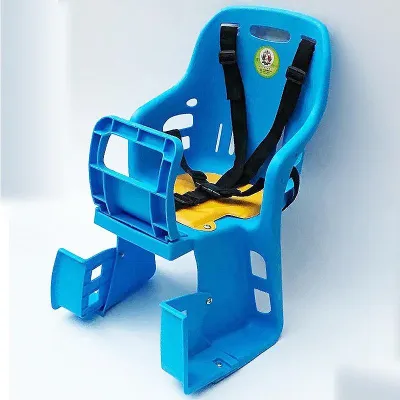
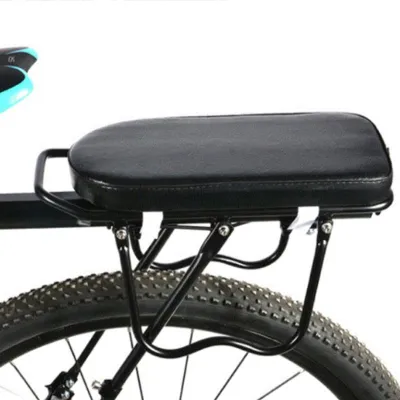
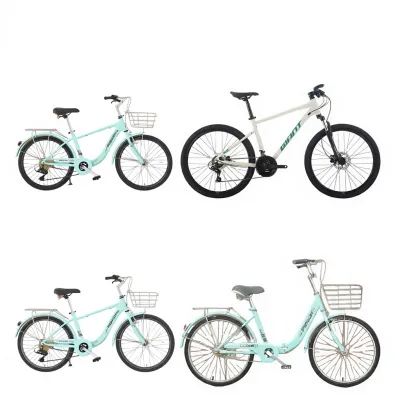
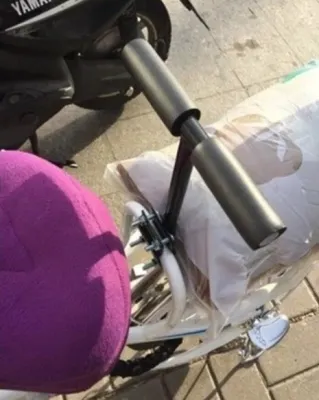
Prices are valid at publication and may change. Please refer to the product page for the latest price.
A secure fit requires adjustable safety components that grow with your child. Look for a five-point harness system that secures the child over the shoulders and around the waist, preventing them from wriggling out during transit. The shoulder straps should be adjustable to sit level with or slightly above the child’s shoulders. Additionally, adjustable footrests with secure foot straps are essential; they keep your child’s legs supported and prevent dangling feet from getting caught in the spinning spokes of the rear wheel.
Inspect Your Bicycle Frame for Mounting Compatibility
Not all bicycles are built to carry the concentrated load of a child seat. You must inspect your bicycle’s frame material and tube geometry. Carbon fiber frames are generally unsuitable for frame-mounted child seats because the clamping force of the mounting bracket can crush or fatigue the carbon tubes. Aluminum and steel frames are much more resilient, but you must still verify that the seat tube is round or oval and has a diameter that matches the mounting bracket’s specifications. Non-standard frame geometries, such as step-through frames or full-suspension mountain bikes, often lack the clearance or structural mounting points required for a secure fit.

Rear child seats typically mount in one of two ways: directly to the frame’s seat tube via a cantilevered bracket, or onto a pre-installed rear luggage rack. If you choose a rack-mounted seat, you must verify the load rating of your rear rack. Many standard commuter racks are only rated for 10kg to 15kg, which is insufficient for a growing child and a seat that may weigh 3kg to 5kg on its own. You will need a heavy-duty rack explicitly certified to carry at least 25kg to 27kg, depending on the seat manufacturer’s requirements.
Physical space on the rear of your bicycle is another critical constraint. You must check that the mounting bracket does not pinch or interfere with gear and brake cables running along the seat tube. Furthermore, ensure there is sufficient clearance between the bottom of the child seat and the rear tire, especially when riding over bumps. If your bicycle uses disc brakes, verify that the mounting hardware or rack legs do not interfere with the brake calipers or rotor alignment. Consulting your bicycle’s owner manual or visiting a local bike shop can help clarify these structural limits.
Evaluate Seat Features for Comfort and Handling Changes
The design of the seat back directly impacts your child’s comfort and safety. High-back seats provide excellent lateral support and a resting place for your child’s head if they fall asleep during a ride. Some high-back models feature a reclining mechanism to make sleeping more comfortable, though this shifts the child’s weight further backward, altering your bicycle’s balance. Conversely, low-back seats offer less support but provide better clearance for the back of the child’s helmet, preventing their head from being pushed forward into an uncomfortable position.
Riding on uneven pavements, park connectors, or crossing drainage grates can transmit significant road shock directly to your child’s spine. To mitigate this, look for seats equipped with built-in suspension systems, such as flexible steel rail mounts or integrated spring dampeners. Removable, washable padding adds an extra layer of comfort and makes cleaning up spills or sweat straightforward, which is particularly useful in warm, humid climates.
Adding a significant payload to the rear of your bicycle fundamentally alters its handling characteristics. The center of gravity shifts upward and backward, making the bicycle feel less stable at low speeds and more prone to tipping when parked on a kickstand. You must practice riding in a safe, traffic-free area with a simulated load before carrying your child. Be prepared for a wider turning radius, slower steering response, and significantly increased braking distances. When climbing inclines, keep your weight forward to prevent the front wheel from lifting off the ground.
Verify Installation and Establish Pre-Ride Safety Checks
Before installing any child seat, verify that the product meets recognized international safety standards. Look for certification marks such as EN 14344 (the European standard for child bicycle seats) or ASTM F1625 on the packaging or the seat itself. These certifications ensure the seat has undergone rigorous testing for impact resistance, structural durability, and non-toxic materials.
When installing the seat, strictly follow the manufacturer’s instruction manual. Use a torque wrench to ensure all mounting bolts are tightened to the specified torque values; under-tightened bolts can slip, while over-tightened bolts can damage your bicycle frame. If your seat uses a quick-release bracket, double-check that the locking mechanism is fully engaged and the safety indicators, if present, show that the seat is securely locked into place.
Establish a consistent pre-ride safety routine before every single journey. Visually inspect the seat for any signs of structural cracking, plastic degradation from sun exposure, or worn harness straps. Physically shake the seat to ensure the mounting bracket remains tight and has not loosened from road vibrations. Finally, check that the footrests are adjusted to the correct height, the foot straps are secure, and no loose clothing or toy straps can dangle into the rear wheel spokes.
Frequently Asked Questions (FAQ)
Is a bicycle rear seat compatible with my e-bike or folding bike?
E-bike compatibility depends heavily on battery placement and frame strength. Many e-bikes house their batteries directly underneath the rear rack, which can block the mounting brackets of standard rack-mounted child seats. Additionally, the high torque and rapid acceleration of electric motors can place sudden stress on the mounting hardware and alter handling more abruptly than a standard bicycle. You must consult both the e-bike manufacturer and the child seat manufacturer to verify compatibility. For folding bikes, the folding hinges and frame joints are generally not designed to handle the leverage and weight of a rear child seat. The smaller wheel size also positions the seat much lower, which can lead to heel-strike issues for the rider and a highly unstable center of gravity.
When should I transition my child to a bike trailer or cargo bike?
You should transition your child when they approach or exceed the maximum weight limit of your rear seat, which is typically around 22kg. As a child grows taller and heavier, their high center of gravity makes balancing the bicycle increasingly difficult and dangerous, especially during sudden stops or slow-speed maneuvers. If you find yourself struggling to keep the bicycle upright when mounting or dismounting, it is time to look for alternatives. Bike trailers and cargo bikes offer a much lower center of gravity, significantly improving stability and safety. They also provide superior weather protection, room for multiple children, and additional cargo space, making them a more practical long-term solution for growing families.
Community discussion
Share your experience or ask a question. Comments are reviewed before publication.