
Selecting a bike phone mount for cycling along Singapore’s Park Connector Network (PCN) requires balancing stability, accessibility, and weather protection. The PCN offers well-paved, relatively flat paths that connect residential estates, parks, and coastal areas. While these routes lack the extreme vibrations of off-road mountain biking trails, riders still face unique local challenges, such as sudden tropical downpours, high humidity, and intense sun exposure. The ideal mount keeps your device secure over occasional curb transitions and wooden boardwalks while allowing you to check navigation maps or track your fitness metrics easily.
Your choice depends heavily on how you interact with your phone during a ride and the specific setup of your bicycle. Casual riders who frequently stop at local food centers or cafes need a system that allows for quick phone detachment. Meanwhile, those who ride long distances across the island may prioritize robust weather protection or minimalist designs that do not clutter the handlebars. By evaluating your riding habits, phone specifications, and the local climate, you can select a mounting system that keeps your device safe and accessible throughout your journey.
Understanding Your Riding Needs on the Park Connector Network
Before browsing online marketplaces for a bike phone mount, take a close look at how you plan to use your phone while riding. If you primarily use the PCN for short, casual weekend rides of under an hour, a basic mount that holds your phone securely for quick navigation checks may be all you need. On the other hand, if you are embarking on long-distance loops connecting multiple park connectors over several hours, you will likely rely heavily on active GPS tracking, which drains battery life and requires a mount that can accommodate an external power bank or allow easy cable routing.
Products mentioned in this guide
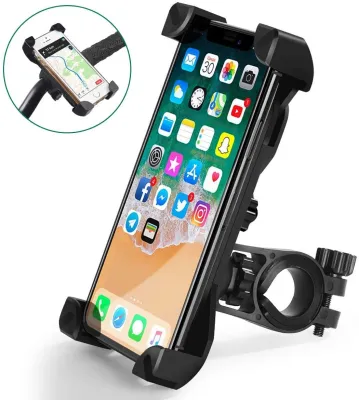
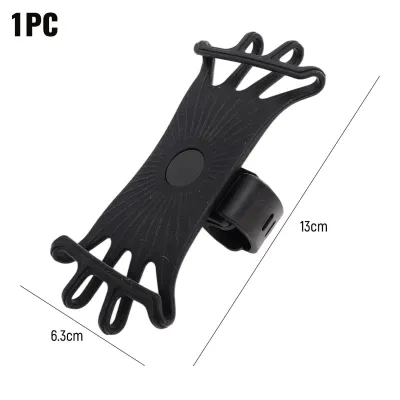

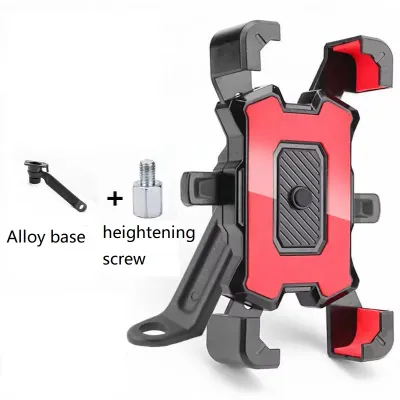
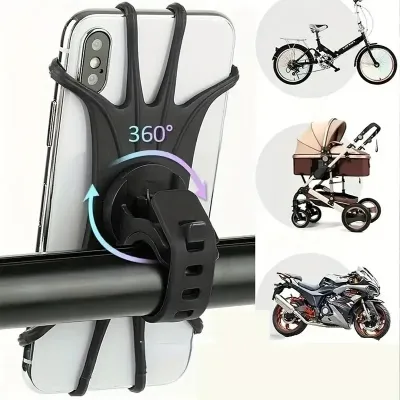
Prices are valid at publication and may change. Please refer to the product page for the latest price.
The physical characteristics of your phone and its protective case are critical compatibility factors. Modern smartphones vary widely in height, width, thickness, and weight, especially when housed in heavy-duty or wallet-style cases. Some mounts feature universal designs with adjustable clamps or flexible silicone bands that stretch to fit almost any device, while others require a proprietary phone case or an adhesive adapter attached directly to the back of your existing case. Ensure you measure the total thickness of your phone with its case on, as many mechanical mounts have maximum depth limits that cannot accommodate thick, rugged cases.
Another major consideration for PCN cyclists is how often you plan to dismount. Singapore’s park connectors are lined with scenic rest stops, public restrooms, and convenient cafes or hawker centers. If you enjoy stopping frequently to take photos, buy a refreshing drink, or grab a bite to eat, a mount with a quick-release mechanism is highly beneficial. Constantly unscrewing a manual clamp or struggling to stretch tight silicone bands every time you leave your bike can quickly become frustrating. A system that lets you detach the phone with a single click or twist ensures you can keep your device with you whenever you step away from your bicycle.
Comparing Mounting Mechanisms for Casual Bikes
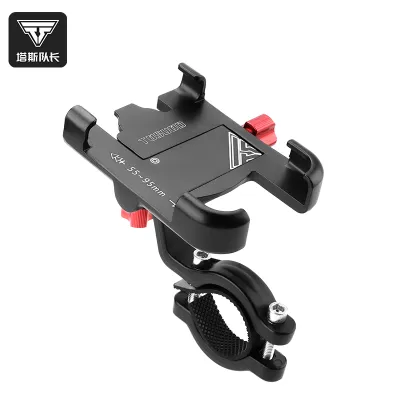
Bike phone mounts generally attach to your bicycle in one of two primary locations: the handlebars or the stem cap. Handlebar clamps are the most common and versatile option, attaching directly to the exposed metal tube of your handlebars. Before purchasing, it is essential to measure your handlebar’s outer diameter using a caliper or a simple tape measure, as standard diameters typically range from 22.2 mm to 31.8 mm. Most handlebar mounts include rubber spacers or shims to accommodate different tube thicknesses and prevent the mount from slipping or rotating during a ride.

Stem cap mounts, by contrast, replace the top cap of your bicycle’s steering stem, positioning the phone directly in the center of your cockpit. This central placement offers an exceptionally clean look and keeps your phone aligned with your line of sight, which is highly convenient for reading maps. However, stem cap mounts require a bit more installation effort, as you must remove the existing stem bolt and cap. They are also less adjustable in terms of viewing angle compared to handlebar mounts, which often feature ball joints or rotating arms that let you tilt the screen to avoid sun glare.
The mechanism that secures the phone to the mount base also varies significantly. Quick-release systems, such as mechanical twist-locks or magnetic-assisted interfaces, offer an excellent balance of security and convenience. These systems typically require you to attach a low-profile adapter to your phone case, which then snaps securely into the bike mount with a positive, audible click. For riders who prefer not to use a dedicated case, permanent strap-based mounts or adjustable mechanical cradles use screw-tightened side clamps to grip the phone. While these cradles are highly secure and work with almost any phone, they take longer to secure and release.
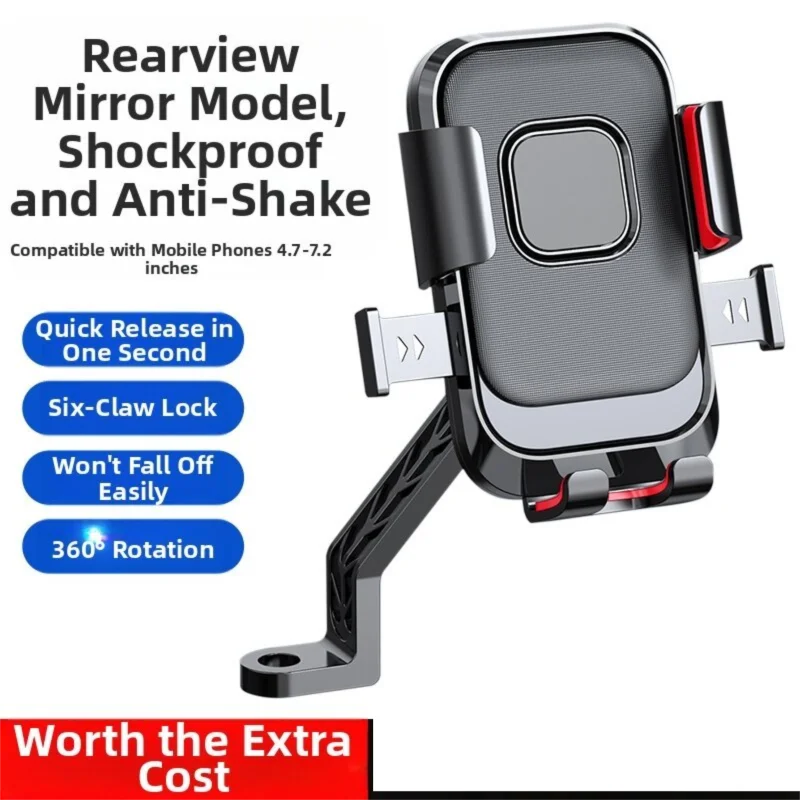
While the PCN consists primarily of smooth paved paths, riders still encounter vibrations from tactile paving, bridge expansion joints, and occasional gravel detours. High-frequency vibrations from rougher surfaces can, over time, affect the delicate optical image stabilization (OIS) systems found in modern smartphone cameras. While dedicated anti-vibration dampening modules are often marketed toward motorcyclists, bicycle riders who frequently traverse mixed terrain or older, bumpy park connector sections may want to consider mounts that offer integrated rubber dampening. For strictly smooth, newly paved PCN routes, a standard mount without a specialized dampening module is generally sufficient, provided the mount itself has rubberized contact points to absorb minor road chatter.
Managing Weather and Material Durability in Singapore
Singapore’s tropical climate presents distinct challenges for outdoor gear, characterized by high humidity, intense sunlight, and sudden, heavy downpours. When selecting a bike phone mount, you must decide between an open-frame design and an enclosed waterproof pouch. Open-frame mounts leave the phone’s screen and body exposed to the air, which is excellent for keeping the device cool during hot afternoon rides. However, if you are caught in a sudden tropical thunderstorm, an open-frame mount offers no protection, forcing you to quickly stop and stow your phone in a waterproof bag or pocket.
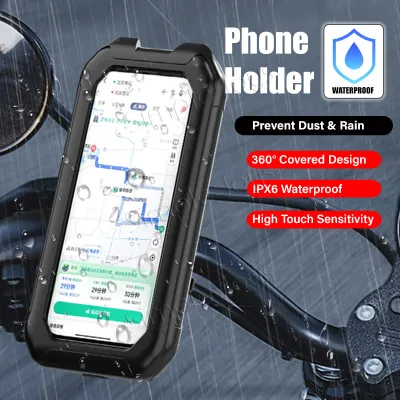
Enclosed waterproof pouches feature a zippered, water-resistant sleeve that completely shields your phone from rain, road spray, and dust. These pouches typically mount to the handlebars or top tube and feature a clear plastic window that allows you to view the screen. While they provide peace of mind during wet weather, enclosed pouches trap heat. In Singapore’s high ambient temperatures, a phone running a GPS navigation app inside a sealed plastic pouch can quickly overheat, leading to screen dimming or automatic thermal shutdown. If you choose an enclosed pouch, look for models with ventilation ports or limit their use to cooler morning and evening rides.
Material durability is another critical factor under the intense local sun. Prolonged exposure to ultraviolet (UV) radiation can cause cheap plastics to become brittle and crack, while low-grade silicone or rubber straps can lose their elasticity and tear unexpectedly. When evaluating mounts, check for materials specified as UV-resistant, such as high-grade polycarbonate, aluminum alloys, or premium engineering plastics. Metal mounts, particularly those made from anodized aluminum, offer exceptional durability and resistance to sun damage, though they are heavier and generally more expensive than plastic alternatives.
Finding the right balance between weather protection and screen usability is key to an enjoyable PCN ride. Open-frame mounts provide direct access to your phone’s touchscreen, allowing for precise inputs, facial recognition, and fingerprint scanning. Enclosed pouches, while protective, often degrade touch sensitivity, making it difficult to type a new destination or zoom in on a map through the thick plastic window. Additionally, plastic covers can create significant glare under direct sunlight, making the screen hard to read. If you prioritize navigation and frequent screen interaction, an open-frame mount paired with a water-resistant phone is often the most practical setup for local conditions.
Matching Mount Types to Your Riding Priorities
To simplify your decision, it helps to match your primary riding style with the mount category that best addresses your priorities. For navigation-heavy riders who frequently explore new PCN routes or rely on live maps to track their progress, open-frame mounts with mechanical clamps are highly recommended. These mounts hold the phone securely by its corners or sides, leaving the screen completely unobstructed. This design ensures maximum touch sensitivity and allows you to easily adjust your route on the go, while also keeping the phone exposed to cooling airflow to prevent overheating during midday rides.
For all-weather commuters who use the park connectors to travel to work regardless of the forecast, a fully enclosed, zippered waterproof pouch or a hard-shell weather-resistant case is the most reliable choice. These systems protect your device from sudden downpours, ensuring you do not arrive at your destination with a water-damaged phone. When selecting an enclosed option, look for a model that features a sun visor to reduce glare and a mounting bracket that allows you to quickly slide the entire pouch off the handlebars when parking your bike in public areas.
If you are a minimalist or a casual cyclist who only rides occasionally for leisure, lightweight silicone wraps or basic magnetic mounts offer a simple and cost-effective solution. Silicone strap mounts wrap around the corners of your phone and stretch to fit almost any handlebar size without requiring tools for installation. They are highly portable, making them ideal if you use shared rental bikes along the PCN and need to attach and remove the mount quickly. Magnetic mounts, which use a strong magnet to hold the phone against a handlebar-mounted base, offer incredibly fast mounting and a clean aesthetic, though they are best suited for smooth paths where sudden, heavy bumps are rare.
Installation and Pre-Ride Safety Checks
A secure bike phone mount is only effective if it is installed correctly and maintained regularly. Before purchasing a mount from an online marketplace, always verify your bicycle’s handlebar diameter and compare it with the mount’s specifications. Many mounts come with multiple rubber sizing inserts; ensure you use the correct insert that provides a snug, non-slip fit without over-tightening. If the mount is too loose, it can rotate forward under the weight of your phone, especially when riding over curb cuts or wooden bridges, potentially causing the phone to strike the bike frame or fall.
During installation, use the correct tools and follow a gradual tightening process. If your mount uses hex bolts, tighten them evenly in a cross pattern if applicable, and avoid using excessive force on plastic threads, which can strip easily. Once installed, perform a physical shake test by firmly grasping the mount and attempting to wiggle it; there should be no play or rotation on the handlebar. Before every ride along the PCN, take a few seconds to visually inspect the locking mechanism, ensuring that any quick-release levers are fully engaged and that the phone is seated deeply within the cradle or straps.
Over time, exposure to humidity, rain, and sweat can cause mounting hardware to degrade. Regularly inspect your mount for signs of wear, such as rusted bolts, hairline cracks in plastic components, or loss of elasticity in silicone straps. If you notice that the rubber pads inside a mechanical clamp have started to peel off or that the ball joint no longer holds its angle securely, it is time to replace the mount or tighten the adjustment screws. Taking these preventive steps ensures that your phone remains safely anchored to your handlebars, allowing you to focus on enjoying your ride along Singapore’s scenic park connectors.
Frequently Asked Questions (FAQ)
Do I need an anti-vibration module for paved paths?
Singapore’s Park Connector Network consists primarily of smooth, paved asphalt or concrete paths, which generate very little high-frequency vibration compared to gravel roads or mountain biking trails. Consequently, most casual riders do not strictly need an expensive anti-vibration module to protect their phones. However, modern smartphones with advanced optical image stabilization (OIS) are sensitive to prolonged, low-amplitude vibrations. If your typical PCN route includes long stretches of older, bumpy pavement, tactile paving tiles, or wooden boardwalks, or if you ride a stiff road bike with high-pressure tires, adding an anti-vibration module can provide extra peace of mind and protect your phone’s camera warranty.
Can I use a standard silicone strap mount for long rides?
Standard silicone strap mounts are highly convenient, lightweight, and cost-effective, making them excellent for casual, short-distance rides. However, for long rides spanning several hours, they present some trade-offs. Silicone is a flexible material that naturally stretches and degrades over time when exposed to UV radiation and humidity. During a long ride, a heavy phone can cause the silicone straps to sag, shifting your viewing angle or sliding out of position. If you plan to undertake long-distance cycling journeys, it is generally safer to upgrade to a mechanical clamp or a rigid locking system that physically locks the phone in place, reserving the silicone mount for shorter, casual trips or rental bike use.
Community discussion
Share your experience or ask a question. Comments are reviewed before publication.